






 English
Identify gaps in your horse's nutrition program to optimize their well-being.
United States - Availability
Find horse feeds and supplements available in the United States by exploring the Mad Barn Equine Feed Database. Compare ingredients labels and nutritional profiles for products available for sale in the USA.
Feeds, Supplements & Products
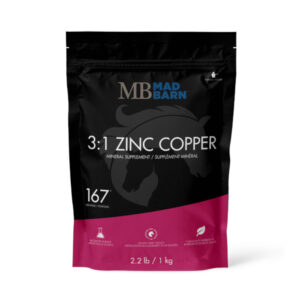
3:1 Zinc Copper (Mad Barn)
 Health
 Hoof Health
 Mineral Balance
 Skin + Hair
Mad Barn's 3:1 Zinc Copper Powder is an organic trace mineral supplement containing a 3:1 ratio of Bioplex® Zinc and Copper. It is made with zinc and copper proteinates, which are chelated for improved absorption.
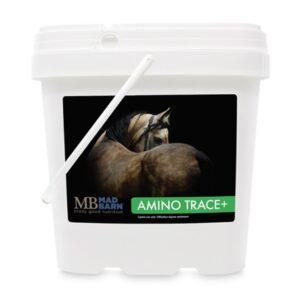
AminoTrace+ Vitamin and Mineral Supplement (Mad Barn)
Hoof Health Metabolic Syndrome
 Organic Trace Minerals
 Vitamins
AminoTrace+ by Mad Barn is a complete, balanced equine mineral and vitamin supplement designed for horses with metabolic concerns. It is ideal for horses with IR, PPID, or high iron in the diet.
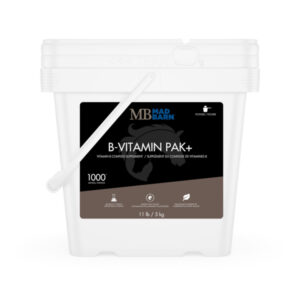
B-Vitamin Pak (Mad Barn)
 Calming
 Exercise
 StressVitamins
B-Vitamin Pak is a comprehensive B-vitamin supplement in powder form. It provides a balanced profile of the B-Complex vitamins and may be beneficial for horses during times of heavy work, stress, or illness.
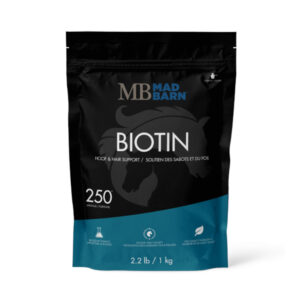
Biotin (Mad Barn)
Hoof Health Ingredient
 Muscle
 Nutrition
Biotin Powder from Mad Barn provides 20 mg of biotin per serving support hoof growth and quality, as well as skin and coat health. Biotin is a B vitamin which supports strong hooves and connective tissues such as tendons. Biotin is highly palatable and easy to feed.
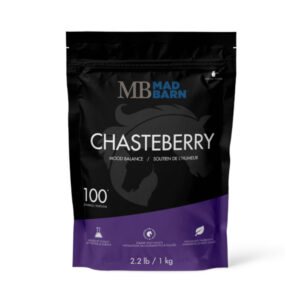
Chasteberry (Mad Barn)
 BroodmareHealthIngredient
 Mare
MareChasteberry powder supports mood balance in mares and aggressive horses. Chasteberry supplementation may support the normal function of the pituitary gland.
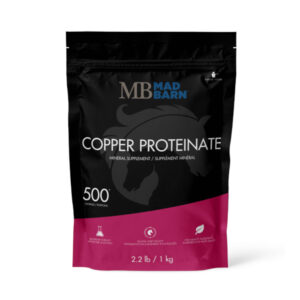
Copper (Mad Barn)
 Competition HorsesIngredient
 JointsMineral Balance
Copper is an essential mineral in horses' diets. Copper is often supplemented with Zinc to help balance high-iron hay. Copper is involved in healthy skin and bone development.
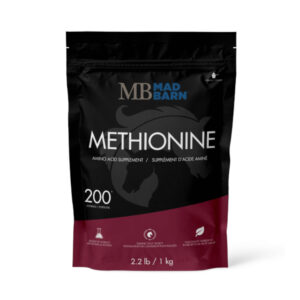
DL-Methionine (Mad Barn)
 Amino Acid
 Coat QualityCompetition HorsesIngredient
Methionine is an essential amino acid that is important for maintaining healthy tendons, ligaments, and hooves. Growing horses and horses who are in heavy exercise have a higher demand for methionine and would benefit from supplementation.
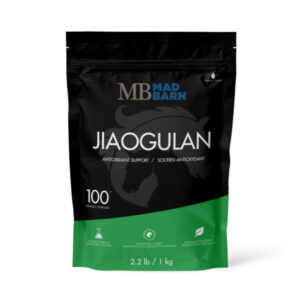
Jiaogulan (Mad Barn)
 Antioxidant
 CirculationHoof HealthIngredient
Jiaogulan powder supports circulation, muscle function, and respiratory health in horses. Jiaogulan has been shown to increase blood flow to horses' hooves.
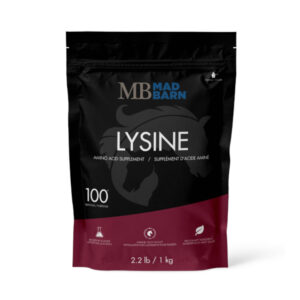
L-Lysine (Mad Barn)
Amino Acid ImmunityIngredientJoints
Lysine is an essential amino acid that is important for forming strong collagen bonds. Lysine is the most commonly deficient amino acid in equine diets.
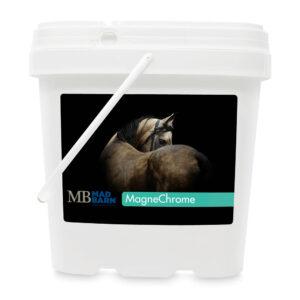
MagneChrome (Mad Barn)
AntioxidantHealth HerbMetabolic Syndrome
MagneChrome from Mad Barn (formerly sold under the name IR Supplement) is a magnesium and chromium supplement for IR Horses. This supplement provides antioxidant and anti-inflammatory support which is critical for horses with metabolic conditions such as insulin resistance, laminitis and Cushing’s Syndrome
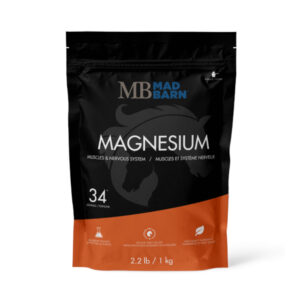
Magnesium Oxide (Mad Barn)
CalmingHealthIngredientMuscleMagnesium Oxide is a concentrated source of mineral magnesium that can be added to equine diets. Magnesium supplementation has been shown to have a calming effect in nervous horses, as well as support proper muscle function.
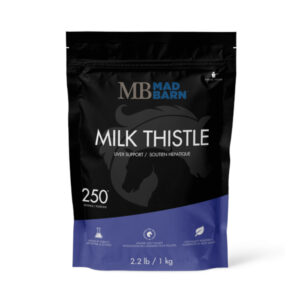
Milk Thistle (Mad Barn)
AntioxidantHealthIngredient Toxin Binder
Milk Thistle has potent anti-oxidant and anti-inflammatory effects for horses. Milk Thistle supplementation may help support liver function and detoxification.
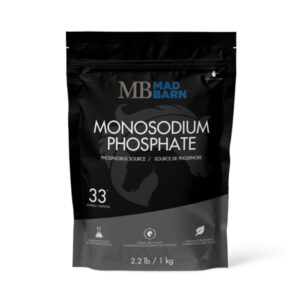
Monosodium Phosphate (Mad Barn)
 Bone Health
 GrowthIngredientMineral Balance
Monosodium Phosphate is a highly bioavailable source of phosphorus commonly used as an equine supplement. Phosphorus is considered an important component for metabolic function. Adult horses require 17 grams of phsophours a day.
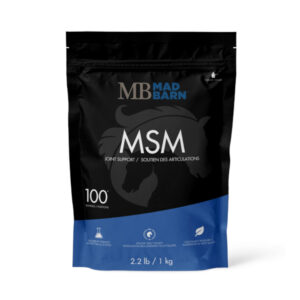
MSM – Methylsulfonylmethane (Mad Barn)
Hoof HealthJoints RecoverySkin + Hair
MSM is a readily available form of the mineral sulfur. It is beneficial for supporting healthy connective tissue, recovery, and hoof and joint health. MSM from Mad Barn also helps to relieve arthritic pain and sore muscles. It is considered very safe as a supplement for horses.
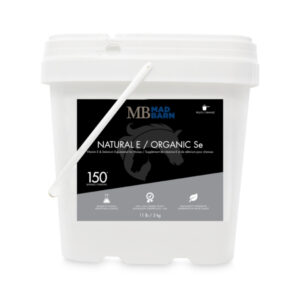
Natural E/Organic Se (Mad Barn)
AntioxidantOrganic Trace MineralsRecoveryVitaminsNatural E/Organic Se is a pelleted supplement providing organic Selenium yeast and natural Vitamin E. These two nutrients are important antioxidants that support muscle function and anti-inflammatory pathways.
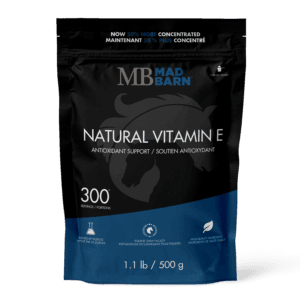
Natural Vitamin E (Mad Barn)
AntioxidantHealthMuscleVitaminsNatural Vitamin E from Mad Barn is a powdered Vitamin E supplement for horses. Vitamin E is essential for immune function, exercise recovery, neurological health and cardiovascular health in horses.

NOCR (Mad Barn)
Antioxidant Performance
 Respiratory
 Stamina
Mad Barn's NOCR is a respiratory supplement intended to help with lung health and function. It contains antioxidants and is also meant to assist with performance, cardiovascular health and immune function.
Omneity P – Pellets – Vitamin & Mineral Supplement (Mad Barn)
 Gut HealthHoof HealthMineral BalanceOrganic Trace Minerals
 Ration Balancer
Omneity Pellets is a balanced mineral and vitamin supplement for horses in a palatable pellet form. It provides 100% organic trace minerals, complete B-vitamin fortification, added Vitamin E, yeast and digestive enzymes.
Omneity Premix – Vitamin & Mineral Supplement (Mad Barn)
Hoof HealthMineral BalanceOrganic Trace MineralsVitaminsOmneity Premix is a balanced mineral and vitamin supplement for horses providing 100% organic trace minerals, complete B-vitamin fortification, added Vitamin E, yeast, and digestive enzymes.
Optimum Digestive Health Pellets (Mad Barn)
 Digestion
 Feed EfficiencyGut Health
 Probiotic
Optimum Digestive Health from Mad Barn is a probiotic and prebiotic supplement designed to support hindgut health in the horse. It helps to maintain a stable microflora and promote immune health.
Optimum Probiotic (Mad Barn)
DigestionGut HealthImmunityProbioticMad Barn's Optimum Probiotic is a pure 5-strain probiotic supplement in a powdered format. It provides 20 billion CFU per serving of L. acidophilus, L. fermentum, L. casei, L. plantarum, and L. farciminis.
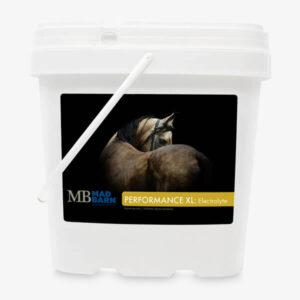
Performance XL: Electrolytes (Mad Barn)
Competition Horses ElectrolytePerformanceStamina
Performance XL: Electrolytes by Mad Barn is a scientifically formulated equine electrolyte supplement designed to support athletic performance and workout recovery. It contains an ideal blend of natural minerals and vitamins to promote hydration status and muscle function.
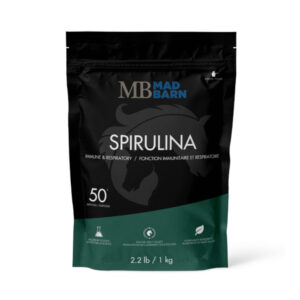
Spirulina (Mad Barn)
HealthImmunityIngredientRespiratorySpirulina platensis is a blue-green algae that is rich in protein, fatty acids, vitamins, and minerals. Spirulina provides nutritional support for the skin, respiratory function, and immune system in horses.
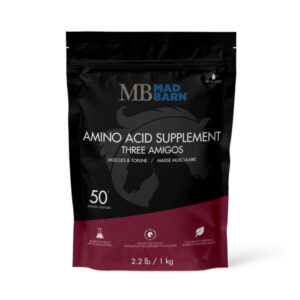
Three Amigos (Mad Barn)
Amino AcidMuscle ProteinRecovery
Three Amigos is an equine essential amino acid supplement containing lysine, methionine, and threonine in a 5:3:2 ratio. These are the three most common limiting amino acids in the horse's diet.
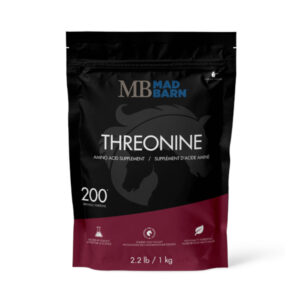
Threonine (Mad Barn)
Amino AcidGut HealthMuscle Topline
Threonine is an essential amino acid that is required to be supplied in equine diets as it cannot be synthesized endogenously. Threonine supplementation may improve nutrient absorption.
Trace Mineral Pak (Mad Barn)
Coat QualityExerciseHoof HealthOrganic Trace MineralsTrace Mineral Pak from Mad Barn is a balanced equine supplement providing 100% organic (chelated) trace minerals. Ingredients include selenium, zinc, copper, and manganese.
Visceral+ (Mad Barn)
DigestionGut HealthImmunityProbiotic Ulcers
 Yeast
YeastVisceral+ by Mad Barn is a pelleted supplement to be used for horses with gastric health concerns. It is designed to maintain stomach and hindgut health and to support the immune system.
w-3 Oil (Mad Barn)
Coat Quality FatJoints
 Omega 3-6-9
w-3 Oil by Mad Barn is an essential fatty acid supplement fortified with the omega-3 DHA and natural Vitamin E. W-3 Oil helps to support joint health, coat quality, cardiovascular health and weight maintenance.
Zinc (Mad Barn)
HealthImmunityIngredientMineral BalanceZinc is a major component of skin and hair, and supports normal growth and tissue health. Zinc is a structural component of many enzymes involved in immune function, nervous system function, and protein synthesis.
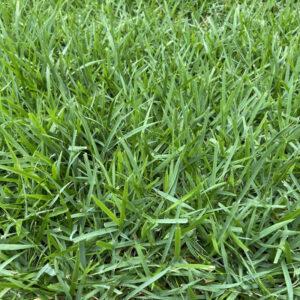
Palisade Grass Fresh Brazil Long
 Fiber
Fiber Forage
 HindgutNutrition
Palisade (Brachiaria brizantha, Urochloa brizantha) is a perennial grass native to sub-Saharan Africa. It is a high-NDF forage that is used for ruminants.
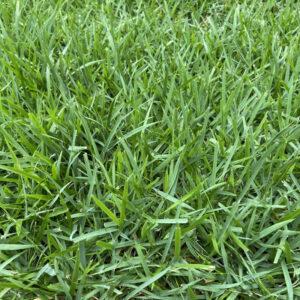
Palisade Grass Fresh Brazil Medium Chop
FiberForageHindgutNutritionPalisade grass (Brachiaria brizantha, bread grass) is a perennial grass that is well-adapted to hot and dry growing conditions. The protein content ranges between 5 to 16% of dry matter.
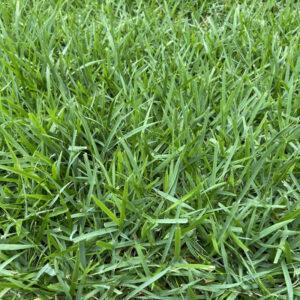
Palisade Grass Fresh Fertilized Mexico Fine Chop
FiberForageGut HealthNutritionPalisade grass, also known as bread grass, is a rhizomatous perennial grass that grows well in hot, arid climates. Green chop palisade grass can be fed to cattle and sheep.
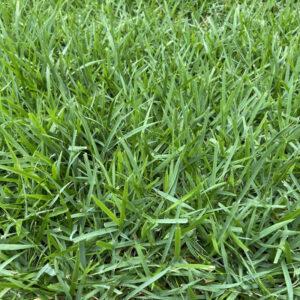
Palisade Grass Fresh Fertilized Mexico Long
FiberForageHindgutNutritionPalisade (Brachiaria brizantha), also known as bread grass, is a perennial grass native to sub-Saharan Africa. It can be cut and fed fresh to cattle when needed.
Palisade Grass Fresh Mexico Fine Chop
FiberForageHindgutNutritionPalisade grass (Brachiaria brizantha) is a perennial grass that is common in hot, dry climates. It is a high-NDF forage that can be cut and fed to ruminants.
Palisade Grass Fresh Mexico Long
FiberForageHindgutNutritionPalisade grass (Brachiaria brizantha), also known as bread grass, is a perennial grass that is well-adapted to hot, dry growing conditions. It can be cut and fed immediately as a high-fibre forage for ruminants.
Palisade Grass Fresh Mexico Medium Chop
FiberForageGut HealthNutritionPalisade grass, also known as bread grass, is a perennial grass used as forage for livestock. It is a high-fibre forage with protein content that ranges between 5 to 16%.
Palisade Grass Hay Brazil Fine Chop
FiberForageGut HealthNutritionPalisade (Brachiaria brizantha), also known as bread grass, is a perennial grass. It is well-adapted to hot, dry conditions. It is commonly used for grazing and to make hay.
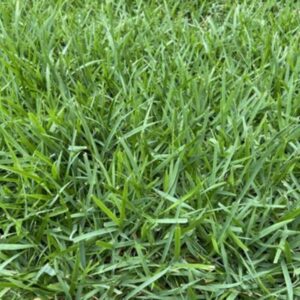
Palisade Grass Hay Brazil Long
FiberForageHindgutNutritionPalisade (Brachiaria brizantha), also known as bread grass, is a perennial grass that grows well in hot, arid climates. It can be used for grazing and hay production.
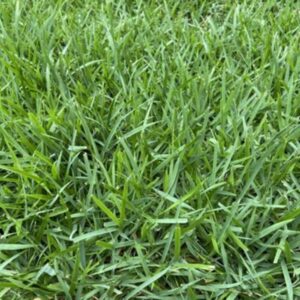
Palisade Grass Hay Brazil Medium Chop
FiberForageHindgutNutritionPalisade (Brachiaria brizantha), also known as bread grass, is a perennial grass native to sub-Saharan Africa. Protein content ranges between 5 to 16% of dry matter.
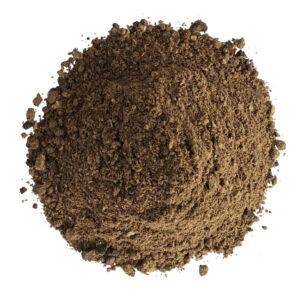
Palm Kernel Expeller NZ
 EnergyFatProtein
 Weight Issues
Palm Kernel Expeller is a byproduct of palm oil extraction. It is a high-protein feed suitable for many classes of livestock.
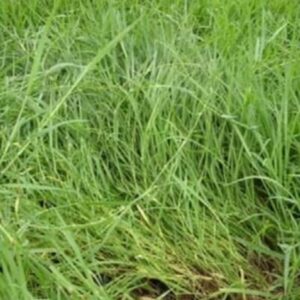
Pangola Grass Fresh Mexico Fine Chop
FiberForageHindgutNutritionPangola grass is commonly grown in hot and humid climates. It is a high quality forage when cut at a young stage of maturity. It is commonly fed to ruminants.
Pangola Grass Fresh Mexico Long
FiberForageHindgutNutritionPangola grass is common in humid subtropical and tropical regions. It can be cut and fed fresh as a forage source for ruminants.
Pangola Grass Fresh Mexico Medium Chop
FiberForageHindgutNutritionPangola grass is a perennial grass found in humid subtropical and tropical regions. It is a high-quality forage source for ruminants that can be cut and fed fresh.
Pangola Grass Hay Brazil Fine Chop
FiberForageHindgutNutritionPangola grass is a perennial grass found in subtropical and tropical regions. It is a high-quality forage source for ruminants.
Pangola Grass Hay Brazil Long
FiberForageHindgutNutritionPangola grass is native to South Africa and found throughout tropical and subtropical regions. It is suitable as hay, pasture, or silage for ruminants.
Pangola Grass Hay Brazil Medium Chop
FiberForageHindgutNutritionPangola grass is native to South Africa. It is now grown in many tropical and subtropical regions. It is used as pasture, hay, or silage for ruminants.
Pangola Grass Hay Florida Fine Chop
FiberForageHindgutNutritionPangola grass is found in humid tropical and subtropical regions. It is used for pasture, hay, and silage for ruminants.
Pangola Grass Hay Florida Long
FiberForageHindgutNutritionPangola grass grows in humid tropical and subtropical regions. Pangola hay harvested at early growth stages is a high-quality forage for ruminants.
Pangola Grass Hay Honduras Fine Chop
FiberForageGut HealthNutritionPangola grass is widespread in humid tropical and subtropical regions. It is a perennial grass that is a high-quality forage source for ruminants.
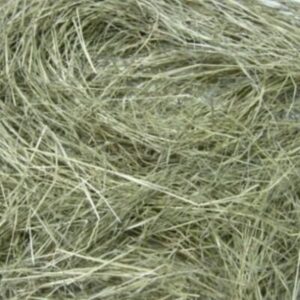
Pangola Grass Hay Honduras Medium Chop
FiberForageNutritionProteinPangola hay is a tropical and subtropical perennial grass that requires humid growing conditions. It is a high quality forage source for ruminants.
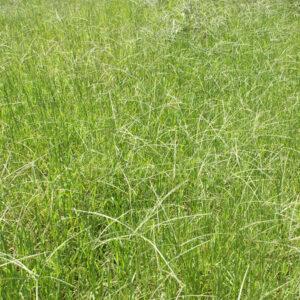
Pangola Grass Pasture Hay Honduras Long
FiberForageNutritionProteinPangola hay is a tropical and subtropical perennial grass that requires adequate rainfall. It is a high quality forage source for ruminants and can be used to provide supplemental protein.
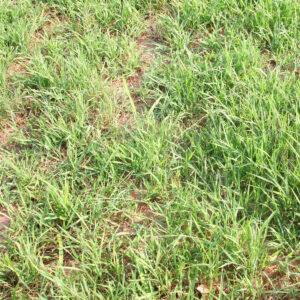
Pangola Grass Pasture Honduras Over Grazed
FiberForageHindgutNutritionPangola grass is a tropical and subtropical perennial pasture grass that requires adequate rain fall. It is a high-quality pasture source for grazing animals.
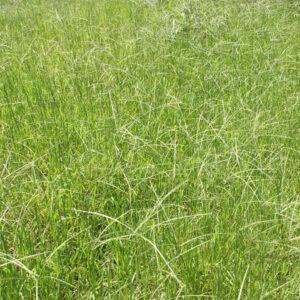
Pangola Grass Pasture Honduras Well Managed
FiberForageHindgutNutritionPangola grass is a tropical and subtropical perennial pasture grass that requires humid growing conditions. As pasture, it provides high quality forage for grazing animals.
Pangola Hay – 9% CP 70% NDF 11% LNDF
EnergyFiberForageNutritionPangola is a tropical grass used to make hay and silage for ruminants. Pangola hay contains soluble calcium oxalates and should not be fed to horses.
Parkmore Special Vitamin/Mineral Pelleted Supplement (Parkmore Supplements)
Health NutrientsOrganic Trace MineralsVitamins
Parkmore Special Vitamin/Mineral Pelleted Supplement is a trace mineral and vitamin supplement designed for all ages and working classes of horses. It can be fed in addition to grain or on its own.
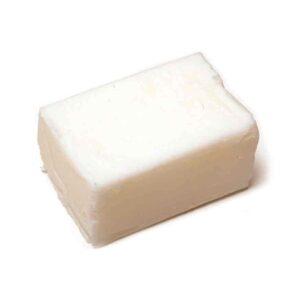
Partially Hydrogenated Tallow
Coat QualityEnergyFatWeight IssuesPartially hydrogenated tallow is rendered animal fat that has a portion of its fatty acid bonds saturated. It has the consistency of whipped cream and is commonly used in packaged foods.
Paspalum Fresh Fertilized Mexico Fine Chop
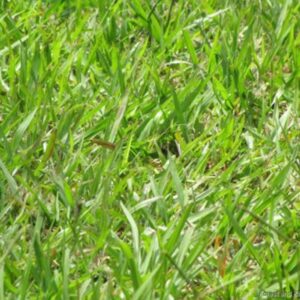
FiberForageNutritionProteinPaspalum, also known as dallis or bahia, is a perennial grass that grows in Mexico. It is cut and fed fresh as a low-protein and low-NSC forage source. It may develop ergot contamination leading to neurological symptoms in cattle, horses, and sheep.
Paspalum Fresh Fertilized Mexico Long
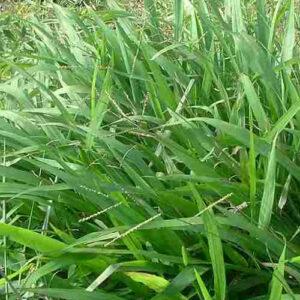
FiberForageNutritionProteinPaspalum is a low-protein perennial grass that can be cut and fed fresh. It should be monitored for ergot contamination which can cause "staggers" in cattle, horses and sheep.
Paspalum Fresh Fertilized Mexico Medium Chop
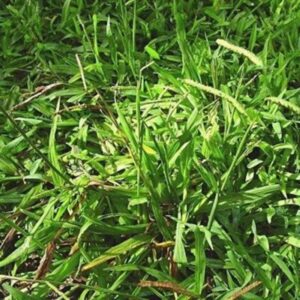
FiberForageNutritionProteinPaspalum is a low-protein and low-NSC forage source. It is also known ans dallis or bahia grass and is found in the Southern US. It may contain high levels of ergot contaminants which can cause neurological symptoms known as "staggers".
Paspalum Hay Florida Fine Chop
FiberForageNutritionProteinPaspalum (dallis, bahia grass) is a perennial grass commonly grown in the Southern US. It is a low NSC and protein forage. It is susceptible to ergot contamination which can cause neurological symptoms in horses.
Paspalum Hay Florida Long
FiberForageNutritionProteinPaspalum, also known as dallis or bahia grass, is a perennial grass with varying protein and fibre content. It is susceptible to ergot contamination, which can cause neurological symptoms in cattle, horses and sheep.
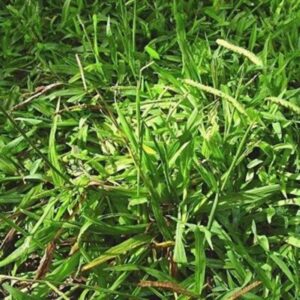
Paspalum Hay Florida Medium Chop
FiberForageNutritionProteinPaspalum, also known as dallis grass, is a perennial grass native to South America. It is can be used for pasture, hay and silage. It is susceptible to ergot contamination which can cause neurological symptoms in cattle, horses and sheep.
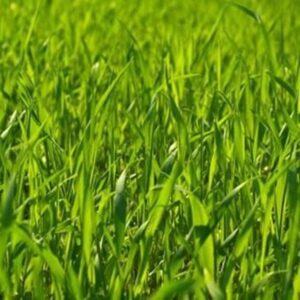
Pasture – Avg (Central US)
FiberForageHealthNutrientsAverage mixed legume/grass pastures in Central, US provide 20% crude protein and 37% NDF. Horses grazing on pasture with this mineral composition will require supplementation of selenium, zinc, copper, and other nutrients to avoid deficiency.
Pasture – Avg (NE US)
FiberForageHealthNutrientsAverage mixed legume/grass pastures in Northeastern, US provide 20% crude protein and 37% NDF. Horses grazing on pasture with this mineral composition will require supplementation of selenium, zinc, copper and other nutrients to avoid deficiency.
Pasture – Avg (Western US)
FiberForageHealthNutrientsAverage mixed legume/grass pastures in Western, US provide 20% crude protein and 37% NDF. Horses grazing on pasture with this mineral composition will require supplementation of selenium, zinc, copper and other nutrients to avoid deficiency.
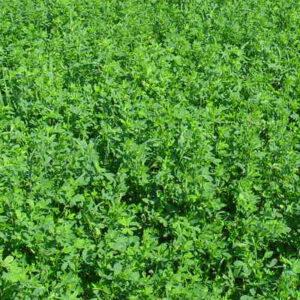
Pasture Alfalfa – 17% CP 43% NDF
FiberForageGut HealthProteinAlfalfa is a legume pasture that is generally higher in protein and energy than grass pasture. Alfalfa pasture may be a suitable option for performance and growing horses with higher protein and calorie requirements.
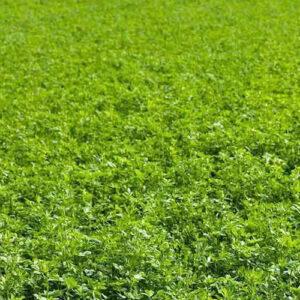
Pasture Alfalfa – 17% CP 46% NDF
FiberForageGut HealthProteinAlfalfa, also known as lucerne, is generally higher in protein than grass pasture. Full bloom alfalfa pasture has relatively lower protein and higher fibre content than at other growth stages of this legume pasture.
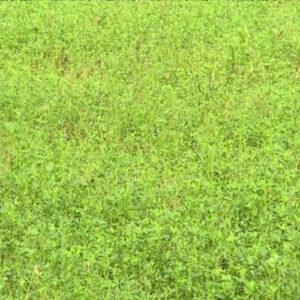
Pasture Alfalfa – 20% CP 37% NDF
FiberForageGut HealthProteinSingle-species alfalfa pasture of alfalfa is generally higher in protein than grass pasture. Alfalfa, also known as lucerne, is a suitable forage source for gestating, lactating and growing horses to meet their calcium, protein and energy requirements.
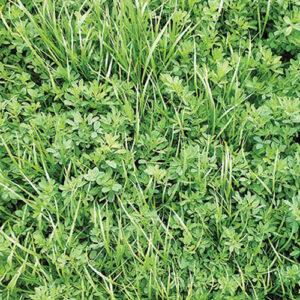
Pasture Alfalfa – 20% CP 40% NDF
FiberForageGut HealthProteinMid-quality alfalfa pasture that is partly in bloom contains approximately 20% crude protein and 40% NDF. Horses with high protein and calcium requirements benefit from grazing on alfalfa pasture.
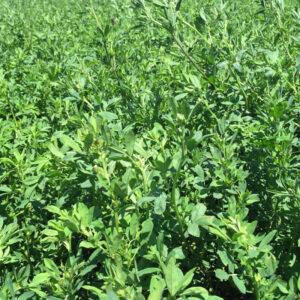
Pasture Alfalfa – 25% CP 32% NDF
FiberGut HealthNutrientsProteinHigh-quality, pre-bud alfalfa pasture is relatively high in protein and low in fibre. Grazing on single-species alfalfa pasture with 25% crude protein is appropriate for gestating, lactating or growing horses.
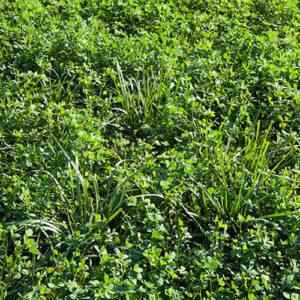
Pasture Alfalfa – 25% CP 35% NDF
FiberGut HealthNutrientsProteinNutrient-dense alfalfa pasture is a rich source of calcium and protein. Gestating or lactating mares and growing horses benefit from the higher nutrient content of this legume pasture.
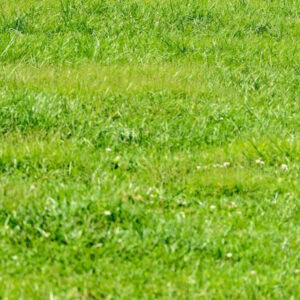
Pasture Grass – 16% CP 55% NDF
FiberForageNutritionProteinMature pasture grass made up of species such as timothy or bromegrass will provide approximately 16% crude protein and 55% NDF. Sugar content varies depending on environmental factors.
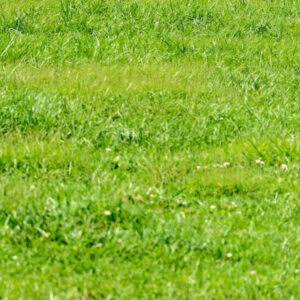
Pasture Grass – 21% CP 48% NDF
FiberForageNutritionProteinModerate-quality pasture grass will contain approximately 21% crude protein and 48% NDF. Grass at this stage of growth should be consumed in moderation.
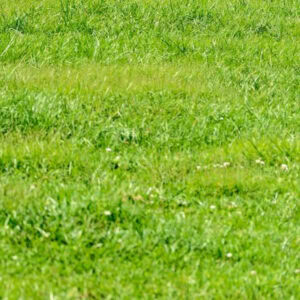
Pasture Grass – 24% CP 40% NDF
FiberForageGut HealthProteinYoung lush pasture grass is typically high in protein and low in fibre (24% crude protein; 40% NDF). This may be appropriate for horses with high calorie and protein demands, such as growing horses or horses in heavy exercise.
![Pasture Horse 10 (Bartlett Milling) [Discontinued]](/wp-content/uploads/2021/08/Pasture-Horse-10-Bartlett-Milling-Horse-Feed-1-300x300.jpg)
Pasture Horse 10 (Bartlett Milling) [Discontinued]
 Caloric Energy
 Flavor
 GrainsWeight Issues
Bartlett Pasture Horse 10 is a texturized sweet feed intended for mature pleasure horses. This grain-based feed is formulated with wheat middlings, corn, oats, barley, and molasses.
![Pasture Horse 12 (Bartlett Milling) [Discontinued]](/wp-content/uploads/2021/08/Pasture-Horse-12-Bartlett-Milling-Horse-Feed-1-300x300.jpg)
Pasture Horse 12 (Bartlett Milling) [Discontinued]
Caloric Energy Complete FeedFlavorGrains
Barlett Pasture Horse 12 is a textured sweet feed formulated for adult pleasure horses. It is higher in protein than Bartlett's Pasture Horse 10 feed.
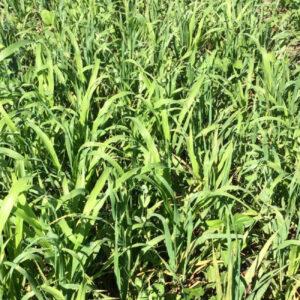
Pasture Legume – 24% CP 38% NDF
FiberForageHealthProteinPasture consisting mainly of legumes such as alfalfa and clover is high in protein and low in fibre. This type of pasture may be suitable for lactating, gestating and growing horses.
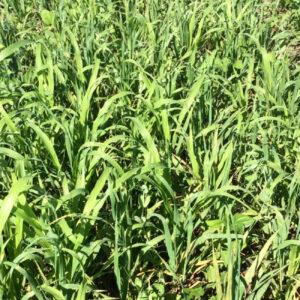
Pasture Legume – 28% CP 33% NDF
FiberForageHealthProteinPasture comprised of legume plants such as alfalfa and clover is high in protein, energy, and calcium. Access to pure legume pasture should be limited to horses with increased protein requirements.

Pasture Mixed – 20% CP 41% NDF
FiberForageHealthProteinMixed pasture containing both legume and grass species is typical in the Northern US and Canada. This type of pasture is high in protein and energy.


