English
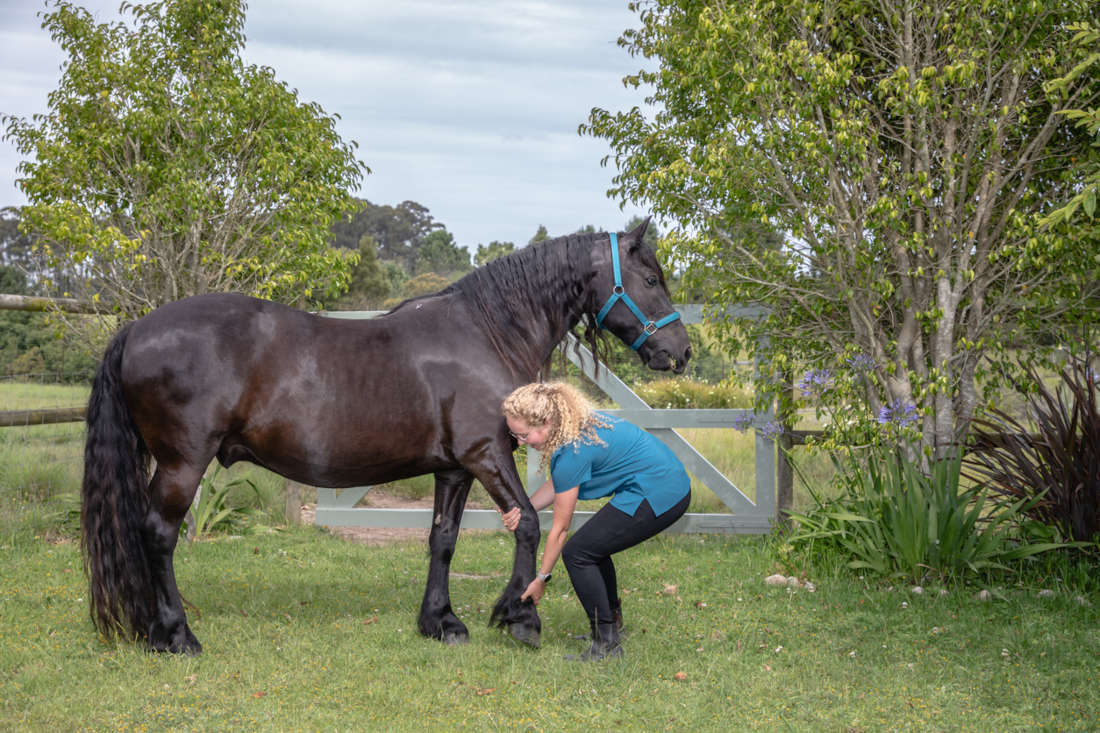
Equine osteopathy is a hands-on manual therapy used to support mobility, comfort, and whole-body function in horses. Rooted in anatomy, biomechanics, and the relationship between structure and function, osteopathy focuses on identifying restrictions or imbalances that may affect how a horse moves, performs, and feels.
Unlike therapies that focus primarily on one aspect of movement, equine osteopathy takes a broader approach. Practitioners assess posture, movement, joints, muscles, fascia, and other connected systems to determine where gentle mobilization, soft tissue work, or other techniques may be appropriate.
It is commonly used alongside veterinary care, particularly for horses with stiffness, performance concerns, compensatory movement patterns, or age-related changes in comfort and mobility.
Keep reading to learn how equine osteopathy works, when it may be useful, and how to safely include it in a horse’s wellness or rehabilitation plan.
Equine Osteopathy
Equine osteopathy is a form of manual therapy that uses hands-on assessment and treatment to support normal movement, tissue function, and whole-body balance in horses.
Equine osteopathy takes a whole-body approach focused on the relationship between structure and function within the horse’s body.
Unlike chiropractic care, which often emphasizes high-velocity, low-amplitude thrusts to adjust the spine and joints, osteopathy uses a wider range of hands-on techniques, including gentle movement of the joints, soft tissue work, and approaches that focus on the head, neck, and internal body systems. [1][2]
Osteopathy targets not only the skeletal and muscular systems, but also fascial, neurological, circulatory, and other patterns of tension within the horse’s body.
The osteopathic approach is based on four core principles: [1][2]
- The body is a functional unit in which physical structures, organ systems, and emotional states are interconnected
- Structure and function are reciprocally interdependent; when one is compromised, the other can be affected
- The body has inherent self-healing and self-regulating mechanisms that may be supported through appropriate care
- Osteopathic treatment aims to assist these natural processes by addressing restrictions in motion and tissue function
What's your top priority with your horse's health?

What's your top priority with your horse's health?
History & Development
Osteopathy was established as a structured intervention in the 1880s by Dr. Andrew Taylor Still. At the time, it was believed that many illnesses could be treated by manipulating the musculoskeletal system to restore circulation and structural balance. By the mid-20th century, the profession began evolving in different directions across regions. [1]
In the United States, osteopathy merged with conventional medicine in the 1960s. In contrast, the United Kingdom preserved osteopathy as an independent profession. There, the Osteopaths Act of 1993 legally protected the title “osteopath,” requiring practitioners to meet training standards set by the General Osteopathic Council. [1]
Veterinary osteopathy emerged alongside the expansion of human osteopathic practice. Many early animal osteopaths entered the field through chance encounters, such as treating a colleague’s injured dog, responding to a farmer’s request, or applying techniques to their own animals. [1]
One of the first pioneers, Arthur Smith, trained at the British School of Osteopathy in 1951. After treating a veterinarian’s horse, he received hundreds of referrals, prompting deeper collaboration between osteopaths and veterinary professionals. [1]
In the 1980s, growing public and professional interest led to the formation of the Society of Osteopaths in Animal Practice (SOAP). Originally a special interest group within the profession, SOAP helped formalize postgraduate education and promote interdisciplinary collaboration. Osteopaths now work alongside veterinarians, farriers, physiotherapists, and within institutions such as zoos and mounted police units. [1][3]
Today, equine osteopathy is practiced in several countries, although professional recognition, training requirements, and permitted scope of practice vary. Some countries permit only veterinarians to practice, while others allow qualified osteopaths to work under referral. Education standards continue to develop, and research is increasingly examining osteopathy’s role within multidisciplinary animal care.
Osteopathy & Other Adjunct Therapies
Osteopathy is one of several complementary therapies available to horse owners seeking to support mobility, performance, and overall wellness. While these disciplines often overlap in practice, each has its own focus, approach, and set of techniques.
Manual therapies have become increasingly prominent in equine care, particularly for managing musculoskeletal discomfort, enhancing performance, and supporting rehabilitation. These hands-on approaches include massage, stretching, mobilization, chiropractic manipulation, and osteopathy.
While each discipline has its own treatment approach and methodology, they share a central idea: physical dysfunction can affect comfort and performance, and skilled manual intervention may help support more comfortable, balanced movement.
Table 1. Equine osteopathy vs. other equine manual therapies
| Therapy | Main focus | Common techniques | Commonly used for |
|---|---|---|---|
| Equine osteopathy |
|
|
|
| Equine chiropractic |
|
|
|
| Equine physiotherapy |
|
|
|
| Equine massage therapy |
|
|
|
Scientific Evidence
Osteopathy remains under-researched in horses compared to conventional veterinary interventions. Much of the current evidence comes from small-scale studies, case reports, and practitioner experience.
In addition, quantifying outcomes in horses is challenging because behavioral and postural changes can be subjective, individual horses vary widely, and placebo-controlled studies are difficult to conduct. While the placebo effect does not apply directly to horses, owner and handler expectations may influence perceived outcomes. [1][4][5]
Owners, veterinarians, physiotherapists, and other equine professionals have anecdotally reported positive outcomes associated with osteopathy, including: [1][4][5]
- Improved mobility
- A calmer demeanor
- Greater engagement under saddle
- Changes in overall performance
These observations may help guide future research, but they do not establish that osteopathy caused the reported changes.
Preliminary studies and clinical observations suggest that osteopathic techniques may: [1][4][5]
- Improve joint mobility
- Reduce excessive muscle tension
- Modulate pain responses
- Influence neuromuscular function
Some manual therapy techniques may also influence local circulation and lymphatic flow. However, the clinical importance of these effects in horses is not yet clear. [1][4][5]
Skeptics of osteopathy call for more rigorous, standardized trials to evaluate the efficacy and long-term effects of osteopathic treatment. They argue that while personal reports can help identify areas for further study, they are not sufficient to support broad clinical guidelines. The diversity of techniques used under the osteopathic umbrella can also make it difficult to isolate which specific interventions are most effective. [1][4][5]
Continued research is needed to validate outcomes, refine treatment protocols, and strengthen the evidence base for this area of equine care. [1][4][5]
Equine Osteopathy Techniques
Equine osteopathy is a hands-on, holistic therapy intended to support normal function and mobility throughout the horse’s body. Practitioners begin with a thorough assessment, observing posture, movement, muscle symmetry, and range of motion. Using palpation, they identify areas of restriction or abnormal tone in the muscles, fascia, joints, and cranial structures. [1][6]
Treatment plans are tailored to the individual horse and may address multiple areas of dysfunction. The goal is to support more balanced posture and movement by addressing restrictions or patterns of tension identified during the assessment. [1]
Many techniques used in equine osteopathy are drawn from human osteopathic practice and adapted for equine anatomy and physiology. These include soft tissue manipulation, joint articulation, high-velocity thrusts, positional release, and cranial techniques. [1][6][7]
Soft Tissue Techniques
These techniques focus on areas of abnormal muscle tone or fascial restriction, sometimes described informally as “knots” in the muscle. Stretching tissues either along the fiber direction or across the muscle may help improve pliability and local circulation. [1]
Longitudinal stretching is performed by compressing the tissue and moving along the muscle’s fiber line, starting at the furthest point from the body and working inward. [1]
The rhythm of the technique can influence how the horse responds. Slower movements are generally used to encourage relaxation, while a faster tempo may be used when a more stimulating effect is intended. Each practitioner develops their own tempo based on the horse’s movement and response. [1]
Inhibitory Techniques
In conjunction with soft tissue work, inhibitory pressure may be applied to trigger points or areas of altered tissue texture.
While horses cannot verbalize feedback, reactions such as flinching, licking, leaning, or shifting posture may help the practitioner assess the horse’s response. These behaviors are not specific to pain or release and should be interpreted in context. [1]
Sustained, steady pressure is applied until a change in tissue tone is detected. The technique is intended to encourage local tension release and muscular relaxation. [1]
Joint Mobilization & Articulation
Articulation, also called mobilization, refers to controlled movement intended to improve joint flexibility and the function of surrounding tissues. It may be used for stiffness, compensatory loading, or biomechanical restrictions that affect movement. [1][7]
Gentle oscillatory movement may influence circulation, proprioceptive input, and sensory signaling from receptors within the joint. The extent to which these effects change pain or function in horses is still being studied. [1][7]
High-Velocity Thrusts
High-velocity thrusts, often associated with chiropractic care, are used more selectively in osteopathy. This approach involves taking a joint to the limit of its natural range, known as the restrictive barrier, and applying a quick, controlled thrust. [1][6]
The maneuver is sometimes accompanied by an audible pop or cavitation. Practitioners use the technique with the aim of improving joint mobility and influencing sensory input from the surrounding tissues.
Because high-velocity thrusts have a powerful mechanical effect, they require precision and an in-depth understanding of joint biomechanics. In some cases, manipulations may be performed while the horse is under general anesthesia for an appropriate veterinary procedure. [1][6][7]
Indirect Techniques
Functional, positional, and fascial release techniques rely on moving a structure into its position of ease rather than forcing it through restriction.
Positional release places a joint in a position intended to reduce tension across its ligaments and muscles. Functional techniques test and follow subtle planes of least resistance.
Both approaches are intended to influence sensory input and encourage more coordinated movement patterns. [1]
Fascial release applies similar principles to larger regions of soft tissue. In some cases, whole-body release techniques are used, including methods performed while the horse is under anesthesia. The practitioner guides the horse’s limbs toward points of minimum resistance until a change in tension is perceived. [1]
Cranial Osteopathy
Cranial techniques are among the most subtle approaches in osteopathy. They are based on the proposed existence of small rhythmic movements involving the skull, membranes around the central nervous system, and cerebrospinal fluid.
Practitioners use palpation to assess a pattern known as the cranial rhythmic impulse, which is often described in osteopathic texts as cycling 10 to 14 times per minute. However, the reliability of detecting this rhythm and its physiological significance remain debated. [1]
Cranial work may involve gentle pressure or positioning intended to influence tension within the membranes and connective tissues associated with the skull and spine. Claims that these techniques affect limb coordination, organ function, or broader nervous system activity have not been clearly demonstrated in horses.
Some horses appear deeply relaxed during gentle cranial treatment, although relaxation alone does not confirm a specific therapeutic mechanism. [1]
What to Expect During an Equine Osteopathy Session
Many osteopathic techniques are non-invasive and generally considered low risk when applied appropriately. However, risk depends on the technique, the horse’s underlying condition, and the practitioner’s training. Forceful manipulation can cause serious harm if performed incorrectly or used in an unsuitable case.
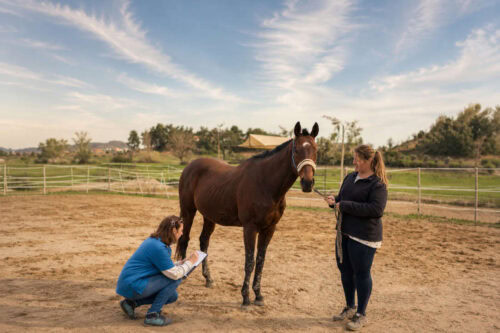
A typical session begins with a thorough physical evaluation, including postural assessment, palpation of joints and soft tissues, and observation of movement. The practitioner identifies areas of restriction or asymmetry and selects techniques suited to the horse’s condition, age, sensitivity, and workload. [1][8]
Gentle articulation may be used to encourage joint mobility, while fascial release and inhibition techniques address muscle tension and trigger points. In some cases, cranial techniques are included as part of the session. [1][8]
The osteopath or qualified veterinarian may recommend a series of sessions at regular intervals. They may also recommend coordination with physiotherapy, massage, saddle fitting, farriery, or other forms of care depending on the individual horse and treatment goals.
Other treatments, such as shockwave therapy, should only be used when appropriate for the horse’s diagnosed condition.
When to Consider Osteopathy for Horses
Osteopathy may be considered when a horse has ongoing stiffness, restricted movement, performance changes, or compensatory patterns after underlying health problems have been assessed. It should not be used as a substitute for veterinary diagnosis, routine veterinary care, or regular farriery.
Before pursuing osteopathy, owners should make sure pain, lameness, dental problems, hoof imbalance, saddle fit issues, illness, and injury have been appropriately evaluated.
Musculoskeletal Issues
Osteopathy may be considered for horses with subtle or chronic concerns that are not fully explained by an initial examination. These concerns can include poor performance, unexplained behavior changes, resistance under saddle, and compensatory patterns following past injuries. [1][8]
However, a normal imaging result or lameness examination does not confirm that an osteopathic restriction is present. Persistent or worsening signs may require further veterinary investigation.
Osteopathy is also used as part of broader comfort and mobility plans for some older horses. [1][8]
Owners may consider osteopathic care when a horse shows signs of musculoskeletal dysfunction, such as stiffness, back pain, neck or poll tension, or irregular movement patterns.
Osteopathy may also be used alongside veterinary care for horses with pelvic asymmetry or sacroiliac discomfort, which can contribute to uneven movement or compensatory strain elsewhere in the body. [1][8]
Performance & Recovery
In performance horses, osteopathy is sometimes used to support athletic function and address stiffness or tension that may affect movement. [1][8]
Horses that have trouble moving forward freely, staying balanced in the canter, or responding smoothly to transitions may have pain, weakness, fatigue, restricted movement, or training-related difficulties. Saddle fit, hoof balance, and other physical factors should also be considered.
After veterinary, tack, hoof, and training factors have been assessed, an osteopathic evaluation may help identify areas of restriction or compensatory movement. Osteopathy may then be incorporated into a broader performance or recovery plan.
Rehabilitation
During rehabilitation, osteopathy may be used to address stiffness or altered movement patterns that develop while a horse is resting or recovering from an injury.
Manual treatment may be incorporated into a veterinarian-directed program with the aim of helping the horse move more comfortably and evenly. However, evidence that osteopathy speeds healing or improves return-to-work outcomes remains limited.
Osteopathy should not replace controlled exercise, veterinary monitoring, diagnostic testing, or other components of a prescribed rehabilitation plan. Older horses may also receive periodic treatment as part of a broader plan to maintain comfort, mobility, and quality of life. [1][3]
Behavior Support
Some owners also consider osteopathy when a horse develops behavior changes. Unexplained bucking, bolting, irritability, resistance, or anxiety under saddle can sometimes reflect physical discomfort rather than a training problem alone.
However, behavior changes can have many causes, including pain, illness, neurologic disease, saddle fit, fear, previous learning experiences, and environmental stress. Signs such as headshaking may have significant medical or neurologic causes and require veterinary assessment.
When physical discomfort contributes to a behavior, appropriate treatment may help the horse move and work more comfortably. Osteopathy should be considered only as one part of a broader investigation and management plan.
When Not to Use Osteopathy
Although many osteopathic techniques are gentle and non-invasive, osteopathy is not a substitute for urgent veterinary care. In some cases, manual treatment may be unsafe or inappropriate if applied without a clear medical diagnosis. Horses experiencing acute illness, trauma, or systemic instability require immediate veterinary intervention, not bodywork.
Osteopathy should not be used without veterinary clearance in cases involving: [9]
- Acute fractures or open wounds
- Active infections or unexplained fevers
- Neurological disorders
- Suspected tumors or abnormal internal masses
- Colic, shock, or cardiovascular crisis
In any case of uncertainty, a responsible osteopath will seek veterinary input before proceeding. Ethical practitioners understand the limits of their scope and prioritize the horse’s safety.
Osteopathy may have a useful role in some care plans, but only when used in appropriate clinical contexts and in coordination with veterinary diagnosis and care.
When to Call the Veterinarian
Call a veterinarian before pursuing osteopathy if your horse has:
- Sudden or severe lameness
- Signs of acute trauma, fracture, or an open wound
- Fever, lethargy, or signs of systemic illness
- Neurological signs such as incoordination, weakness, or abnormal posture
- Colic signs, shock, or cardiovascular instability
- Rapidly worsening pain, behavior changes, or performance decline
Veterinary assessment is also crucial when symptoms are vague or recurring. Back soreness, resistance under saddle, or uneven movement can have many causes, including saddle fit, hoof balance, joint disease, soft tissue injury, or training-related factors.
Osteopathy is safest when used in coordination with regular veterinary care and a clear understanding of the horse’s condition.
Choosing a Qualified Practitioner
Osteopathy involves working with sensitive musculoskeletal and neurological structures, so it is essential to select a properly trained professional. In many countries, equine osteopaths must hold a recognized osteopathic qualification, complete advanced training in equine anatomy, and work under veterinary referral.
Look for accreditation from reputable organizations such as Animal Osteopathy International, the European School of Animal Osteopathy (ESAO), or national regulatory bodies.
Practitioners should follow ethical guidelines, pursue continuing education, and collaborate with veterinarians. Membership or accreditation does not establish that a treatment is effective, but it can help owners determine whether a practitioner has completed structured training and follows professional standards.
Avoid individuals who lack formal credentials, offer treatment without veterinary collaboration, or claim that osteopathy can cure a wide range of diseases. Proper qualifications are central to safe care, especially when a horse has pain, neurologic signs, performance issues, or a history of injury.

Osteopathy Within a Broader Wellness Plan
Many horses benefit from an integrated approach. Osteopathy may be used alongside physiotherapy, saddle fitting, farriery, and regular veterinary care.
When combined with regular veterinary checkups, proper saddle fit, consistent hoof care, appropriate training, and balanced nutrition, osteopathy can form one part of a broader plan to support comfort and mobility throughout the horse’s life.
Manual therapy cannot correct an underlying medical condition, poor hoof balance, an unsuitable saddle, an inappropriate workload, or a deficient diet. Owners should monitor the horse carefully and seek veterinary reassessment if signs persist or worsen.
Nutritional Support for Horses in Recovery
Balanced nutrition supports every major system involved in recovery, including muscle, connective tissue, joint health, digestive function, immune function, and overall body condition. During osteopathy, rehabilitation, conditioning, or return to work, a well-balanced diet helps optimize the horse’s response to care and supports better long-term results.
A forage-first diet should provide the foundation of the feeding program. Good-quality hay or pasture supplies the fiber needed to support hindgut fermentation, digestive comfort, and steady energy intake. However, forage alone may not provide all of the vitamins, minerals, and amino acids required to fully balance the diet, especially for horses in training, older horses, or those with increased demands during rehabilitation. [10]
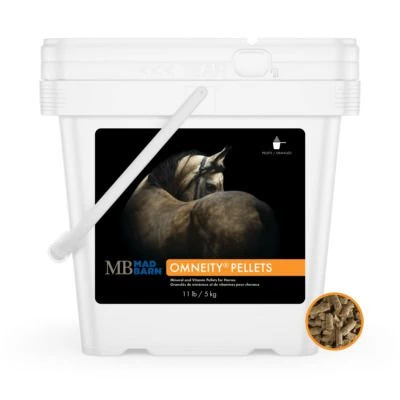
To ensure overall dietary balance, Omneity® provides a complete vitamin and mineral foundation with organic trace minerals, B-vitamins, amino acids, digestive enzymes, and live yeast culture. It can help fill common gaps in forage-based diets and support overall health as part of a balanced feeding program.
Some horses may also benefit from targeted omega-3 support during recovery or return to work. Exercise, bodywork, and rehabilitation all place demands on muscles, joints, and connective tissues, and omega-3 fatty acids help support normal inflammatory balance, joint comfort, mobility, and post-exercise care. [11][12][13][14]
OmegaPrime+ is a concentrated omega-3 supplement that provides DHA and EPA without adding excess sugars or starch, making it a good fit for horses that need targeted fatty acid support without adding significant calories. For horses that also need help maintaining condition, w-3 Oil supplies DHA-enriched omega-3s along with cool calories to support body condition, skin and coat quality, and overall wellness.

For horses under training, competition, travel, or rehabilitation stress, Spirulina may offer additional nutritional support. Spirulina provides antioxidants, phytonutrients, and immune-supportive compounds that help protect cells from oxidative stress and support normal inflammatory and immune responses. [15]
This type of support can be especially useful for horses recovering from demanding work, rehabilitation exercises, or osteopathic therapy sessions, when the body is adapting to physical stress and working to restore normal comfort, mobility, and performance.
Using Equine Osteopathy Safely and Effectively
Equine osteopathy can be included in a horse’s long-term care plan when it is used thoughtfully and in the right clinical context. By assessing the horse as a whole, osteopathic practitioners aim to identify restrictions, tension patterns, and compensations that may affect comfort, mobility, behavior, and performance.
Some owners and equine professionals report improvements in freedom of movement, muscle tension, comfort, or willingness to work following treatment. However, these signs can have many causes, and veterinary assessment remains essential when pain, lameness, illness, injury, or neurological changes are present.
The current evidence for equine osteopathy is still developing, and more research is needed to clarify its effects, best uses, and long-term outcomes. It is not yet clear which techniques are most effective, which horses are most likely to respond, or how long any observed changes may last.
The safest approach is to view osteopathy as one supportive tool within a broader management plan. Horses benefit most when owners monitor changes carefully, choose properly trained practitioners, and involve their veterinarian when concerns are unclear, recurring, or severe.
Used this way, equine osteopathy may support comfort and movement alongside appropriate veterinary care, farriery, saddle fit, rehabilitation, training, and nutrition.
Frequently Asked Questions
Here are some frequently asked questions about equine osteopathy:
Equine osteopathy is a hands-on manual therapy that supports mobility, comfort, and whole-body function in horses. It focuses on the relationship between body structure and function, including how joints, muscles, fascia, posture, movement, and nervous system tone affect how a horse feels and performs. Practitioners use gentle manual techniques to identify and address restrictions or imbalances that may contribute to stiffness, discomfort, or altered movement. [1][2]
An osteopath for horses assesses posture, movement, muscle symmetry, joint range of motion, and areas of tension or restriction. Treatment may include soft tissue techniques, joint mobilization, fascial release, cranial work, positional release, or other approaches depending on the horse's needs and sensitivity. The goal is to improve mobility, reduce discomfort, and support the body's natural self-regulating mechanisms. [1][3]
A horse might benefit from osteopathy when stiffness, uneven movement, poor performance, reluctance to bend, resistance under saddle, or subtle behavior changes suggest underlying physical restriction. It may also be useful for horses with compensatory movement patterns after injury, age-related changes in comfort and mobility, or increased athletic demands. Osteopathy is often used as part of a broader care plan alongside veterinary care, farriery, saddle fitting, physiotherapy, and rehabilitation. [1][3][6]
Signs that a horse may need osteopathic care include stiffness, reduced range of motion, back soreness, neck or poll tension, irregular movement, or difficulty staying balanced in work. Some horses show discomfort through behavioral changes such as bucking, bolting, irritability, headshaking, anxiety under saddle, or sudden resistance to normal cues. These signs can have many causes, so recurring, severe, or unclear symptoms should be evaluated by a veterinarian before manual therapy is used.
Osteopathy may help a horse with back pain or stiffness when these signs are related to muscular tension, joint restriction, fascial tightness, or compensatory movement patterns. Practitioners use manual techniques to improve tissue mobility, encourage better joint function, and reduce patterns of tension that can affect posture and movement. Back pain or stiffness should still be assessed carefully, especially if it is sudden, severe, persistent, or associated with lameness.
Equine osteopathy may support performance by helping improve freedom of movement, symmetry, engagement, and comfort. Performance horses can develop subtle restrictions from training, saddle pressure, old strains, or compensatory loading, which may affect rhythm, straightness, impulsion, transitions, or willingness to work. Osteopathy is not a replacement for training, veterinary diagnosis, or proper management, but it can be a useful part of maintaining biomechanical health. [1][3]
Techniques used in equine osteopathy may include soft tissue manipulation, inhibitory pressure, joint mobilization, articulation, positional release, fascial release, cranial techniques, visceral techniques, and selective high-velocity thrusts. The practitioner chooses techniques based on the horse's condition, response, workload, age, and sensitivity. Sessions are individualized, so one horse may need mostly gentle soft tissue and mobilization work, while another may need a broader combination of techniques. [1][7][8]
The difference between equine osteopathy and equine chiropractic care is mainly the scope and technique emphasis. Chiropractic care often focuses on spinal and joint mobility using high-velocity, low-amplitude adjustments, while osteopathy uses a wider range of hands-on techniques to address joints, muscles, fascia, cranial structures, and broader whole-body patterns. Both approaches may overlap in practice, but osteopathy generally places more emphasis on the relationship between structure, function, circulation, nervous system tone, and overall body balance. [1][2]
The difference between an equine physiotherapist and an equine osteopath is mainly their focus and treatment approach. Equine physiotherapists typically emphasize rehabilitation, strength, injury recovery, therapeutic exercise, massage, stretching, and modalities such as electrotherapy. Equine osteopaths take a broader whole-body approach, using manual techniques to address structural restrictions, tissue tension, joint mobility, and related patterns that may affect movement, comfort, and performance.
The difference between equine osteopathy and massage therapy is that massage primarily focuses on muscles, soft tissue comfort, soreness, relaxation, and circulation, while osteopathy takes a broader, whole-body approach. Equine osteopathy may include soft tissue work, but it also assesses joint mobility, fascia, posture, movement patterns, cranial structures, and how restrictions in one area may affect the rest of the body. Massage can be helpful for muscle tightness and recovery support, while osteopathy may be better suited for horses with stiffness, compensatory movement patterns, or subtle performance issues involving multiple body systems.
Equine osteopathy is generally considered a complementary or integrative therapy rather than a replacement for conventional veterinary medicine. It is used alongside veterinary care to support mobility, comfort, performance, and rehabilitation in appropriate cases. Because the evidence base for equine osteopathy is still developing, it should be used thoughtfully, with qualified practitioners and veterinary involvement when pain, lameness, illness, injury, or neurological signs are present.
Some veterinarians may recommend osteopathy for horses as part of a broader care plan, especially for stiffness, compensatory movement patterns, performance concerns, or rehabilitation support. Others may recommend caution, particularly when a horse has undiagnosed pain, lameness, neurological signs, recent injury, or a condition that could be worsened by manual treatment. Veterinary recommendation depends on the horse's condition, diagnosis, local regulations, available evidence, and the qualifications of the practitioner. Osteopathy is most appropriate when it complements veterinary assessment rather than bypassing it, so horse owners should keep communication open with their veterinarian when pursuing adjunct therapies like osteopathy.
Osteopathy is not an alternative to veterinary care, it is a form of complementary care used as part of a broader wellness or rehabilitation plan. A veterinarian should diagnose medical problems and determine whether manual therapy is safe before treatment begins. Osteopathy may support comfort and movement as part of a coordinated care plan, but it should not replace veterinary evaluation, diagnostics, or medical treatment.
Osteopathy may be an alternative to chiropractic care for some horses, depending on the horse's needs and the practitioner's assessment. Chiropractic care often emphasizes spinal and joint adjustments, while osteopathy uses a wider range of techniques that may include joint mobilization, soft tissue work, fascial release, cranial work, and broader whole-body assessment. Horses with generalized stiffness, compensatory patterns, or subtle performance concerns may benefit from the broader osteopathic approach, while some cases may call for a different or combined manual therapy plan.
Osteopathy is not a direct alternative to physiotherapy when a horse needs structured rehabilitation, strengthening, or a return-to-work exercise program. Equine physiotherapy typically focuses on injury recovery, therapeutic exercise, strength, mobility, and rehabilitation tools, while osteopathy focuses on manual assessment and treatment of restrictions affecting whole-body function. In many cases, the two approaches can work together, with osteopathy supporting mobility and comfort while physiotherapy builds strength, coordination, and long-term resilience.
Osteopathy is not an alternative to proper saddle fitting if saddle pressure or poor fit is contributing to soreness, stiffness, or resistance under saddle. Manual therapy may help address muscle tension or compensatory movement patterns, but those problems can return if the saddle continues to create pressure or restrict movement. Horses with back pain, reluctance to move forward, poor performance, or behavior changes under saddle often need a broader assessment that may include veterinary care, saddle fitting, farriery, and training review.
Osteopathy is not an alternative to appropriate training or behavior work, but it may help when resistance or behavior changes are linked to physical discomfort. Bucking, bolting, irritability, headshaking, anxiety under saddle, or reluctance to bend can sometimes reflect pain, tension, stiffness, or restricted movement rather than a purely training-related issue. A horse with sudden or persistent behavior changes should be assessed for physical causes before the problem is treated only as a training issue.
Equine osteopathy should not hurt the horse when performed by a qualified practitioner using appropriate techniques. Most osteopathic methods are gentle and adjusted to the horse's comfort, age, sensitivity, and condition. Some horses may react when the practitioner works near areas of tension or soreness, but the practitioner should respond to the horse's feedback and avoid forcing movement through pain or resistance.
During an equine osteopathy session, the practitioner typically starts with a physical evaluation that includes posture, movement, palpation, muscle symmetry, joint range of motion, and areas of restriction. The treatment is then tailored to the horse and may involve gentle mobilization, soft tissue work, fascial release, cranial techniques, or other manual methods. Some horses show visible relaxation during treatment, while changes in gait quality, posture, or willingness to move may develop gradually over the following days. [1][3]
The recommended number of osteopathy sessions depends on the horse's condition, workload, age, sensitivity, response to treatment, and whether the issue is acute, chronic, or compensatory. Some horses show noticeable improvement after one session, while others may need a short course of treatments with rest or light work between appointments. Ongoing care may be useful for sport horses, senior horses, or horses with recurring mobility concerns, but the plan should be individualized rather than routine by default.
A veterinarian should see the horse before osteopathy if the horse has sudden or severe lameness, acute trauma, an open wound, fever, depression, signs of systemic illness, colic signs, shock, cardiovascular instability, or neurological signs such as weakness or incoordination. Veterinary assessment is also important when pain, behavior changes, or performance decline are rapid, recurring, or unexplained. Osteopathy is safest when used with a clear understanding of the horse's condition and in coordination with regular veterinary care.
Osteopathy should not be used on a horse when urgent veterinary care is needed or when manual treatment could be unsafe without a diagnosis. It is not appropriate for acute fractures, open wounds, active infections, unexplained fever, colic, shock, cardiovascular crisis, suspected tumors, abnormal internal masses, or neurological disorders without veterinary clearance. When there is any uncertainty, veterinary assessment should come before bodywork. [9]
Equine osteopathy has a developing scientific foundation, but it remains under-researched compared to conventional veterinary interventions. Preliminary research and clinical observations suggest manual therapies may improve joint mobility, reduce muscle hypertonicity, influence pain processing, support circulation, and affect nervous system function. More rigorous equine-specific studies are still needed because many current reports are small-scale, subjective, or based on practitioner experience. [1][4][5]
Osteopathy may be used during injury rehabilitation when the horse is medically stable and the veterinarian considers manual therapy appropriate. It may help address compensatory movement patterns that develop during rest, recovery, or altered loading after injury. Osteopathy should fit within the broader rehabilitation plan rather than replace veterinary diagnosis, controlled exercise, farriery, saddle fit assessment, or physiotherapy. [1][6]
Older horses may benefit from osteopathy when age-related stiffness, reduced mobility, or compensatory movement patterns affect comfort and quality of life. Gentle manual techniques may help support tissue mobility, joint function, posture, and ease of movement. Senior horses should still receive appropriate veterinary care, hoof care, dental care, nutrition, and management, because osteopathy is only one part of long-term wellness support.
Choosing a qualified equine osteopath means looking for formal training, recognized credentials, equine anatomy education, ethical practice, and willingness to work with a veterinarian when needed. In some regions, equine osteopathy may require veterinary referral or be limited to certain regulated professionals. Avoid practitioners who lack clear credentials, promise unrealistic results, or offer treatment without regard for veterinary diagnosis and safety.
Summary
Equine osteopathy is a hands-on manual therapy that supports mobility, comfort, and whole-body function.
- Osteopathy focuses on the relationship between structure, movement, and performance.
- Techniques may include soft tissue release, joint mobilization, cranial work, fascial release, and other gentle manual methods
- It may help horses with stiffness, restricted movement, performance issues, compensatory patterns, or age-related discomfort
- Osteopathy should complement, not replace, veterinary diagnosis and treatment
- Safe care depends on choosing a qualified practitioner who works within veterinary guidance
References
- Pusey. A. et al. Osteopathy and the Treatment of Horses. Wiley-Blackwell. 2010.
- Exploring the 4 Core Tenets of Osteopathic Medicine. Kansas Health Science University. 2024.
- Staub. J. What Is Equine Osteopathy?. 2025.
- Haussler. K. K. Review of Manual Therapy Techniques in Equine Practice. Journal of Equine Veterinary Science. 2009.
- Haussler. K. K. The Role of Manual Therapies in Equine Pain Management. Veterinary Clinics of North America: Equine Practice. 2010. View Summary
- Chiropractic and Osteopathic Care for Your Horse at Alpine Equine Hospital. Alpine Equine Hospital.
- Haussler. K. K. Joint Mobilization and Manipulation for the Equine Athlete. Veterinary Clinics: Equine Practice. 2016. View Summary
- Osteopathic Manipulative Techniques in Equines. American Academy of Osteopathy.
- Not All Wobbles Need a Wiggle: When NOT to Use Osteopathy in Animals. Animal Osteopathy International.
- Nutrient Requirements of Horses: Sixth Revised Edition. National Academies Press, Washington, D.C. 2007.
- King. S. S. et al. The Effect of Omega-3 Fatty Acid Supplementation on Cortisol and Prolactin Concentrations in Response to Common Stressors in Horses. Journal of Equine Veterinary Science. 2009.
- Hess. T. and Ross-Jones. T. Omega-3 Fatty Acid Supplementation in Horses. Revista Brasileira de Zootecnia. 2014.
- Brennan. K. M. et al. The Effect of Dietary Microalgae on American Association of Equine Practitioners Lameness Scores and Whole Blood Cytokine Gene Expression Following a Lipopolysaccharide Challenge in Mature Horses. Journal of Animal Science. 2017.
- Melo. S. et al. Oil Supplementation Produces an Increase in Antioxidant Biomarkers in Four-Beat Gaited Horses. Equine Veterinary Journal. 2014.
- Nawrocka. D. et al. Spirulina platensis Improves Mitochondrial Function Impaired by Elevated Oxidative Stress in Adipose-Derived Mesenchymal Stromal Cells (ASCs) and Intestinal Epithelial Cells (IECs), and Enhances Insulin Sensitivity in Equine Metabolic Syndrome (EMS) Horses. Marine Drugs. 2017. View Summary