Analyze Diet

Hay - Feed Database

Discover detailed nutrition information for different types of hay for horses in the Mad Barn Equine Feed Database. Compare options such as alfalfa, timothy grass, Bermuda, and commercial forage products to identify the right hay type for your horse.
Feeds, Supplements & Products
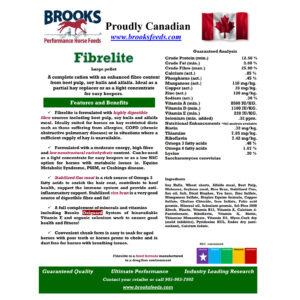
Eeze Pro-Plus (Brooks Feeds)
Complete FeedComplete Feed
FiberFiber
Low NSC FeedsLow NSC Feeds
PerformancePerformance
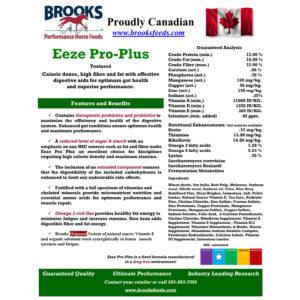
Eeze Pro-Plus is a calorie dense textured feed that is high fibre and fat for performance horses with a reduced carbohydrate level. Lab analysis provides a calculated NSC value of ~19%.
Enterolobium Hay Honduras Fine Chop
EnergyEnergy
FiberFiber
ForageForage
ProteinProtein
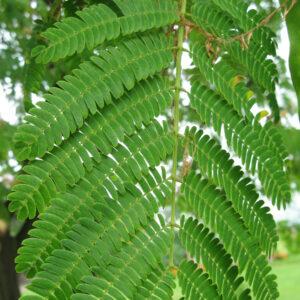
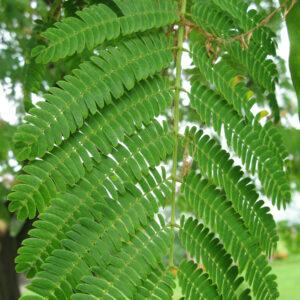
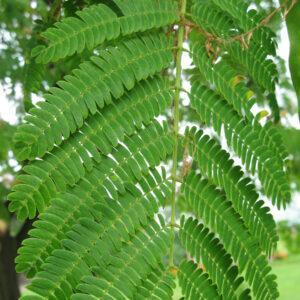
Foilage from the Enterolobium cyclocarpum tree is readily consumed by horses in tropical parts of America. The leaves can also be harvested for hay. This legume forage is a good source of protein and carbohydrates.
Enterolobium Hay Honduras Long
EnergyEnergy
FiberFiber
ForageForage
ProteinProtein
Enterolobium hay comes from the leaves of the Enterolobium cyclocarpum (Guanacaste) tree in tropical America. The hay is palatable to horses and has high protein and NSC content.
Enterolobium Hay Honduras Med
EnergyEnergy
FiberFiber
ForageForage
ProteinProtein
Enterolobium cyclocarpum is a forage tree that grows in tropical America. This legume hay is high in protein and sugar content and can be used to supplement other forage sources.
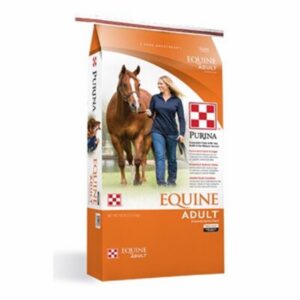
Equine Adult® Horse Feed (Purina Mills)
Complete FeedComplete Feed
ExerciseExercise
HealthHealth
Ration BalancerRation Balancer
Purina Equine Adult Horse Feed is a pelleted feed for horses at maintenance, light work, or broodmares in early gestation. It provides 11% crude protein, 3% fat, and 25% fiber.
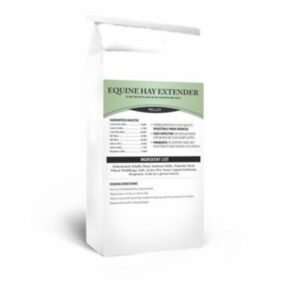
Equine Hay Extender Pellets (Kalmbach Feeds)
Caloric EnergyCaloric Energy
FiberFiber
Hay StretcherHay Stretcher
NutritionNutrition
Equine Hay Extender by Kalmbach Feeds is a forage replacement pellet formulated with 12% crude protein, 2.5% fat, and 20% crude fiber. Fiber sources include alfalfa meal, soybean hulls, timothy meal, and wheat middlings.
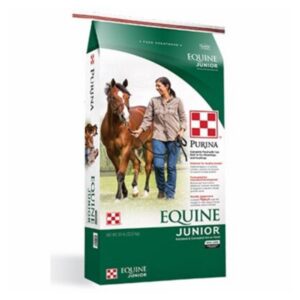
Equine Junior® Complete Horse Supplement (Purina Mills)
Complete FeedComplete Feed
FatFat
FoalFoal
GrowthGrowth
Purina Equine Junior Horse Feed is a pelleted feed for growing horses that have been weaned. It provides protein, calories, vitamins and minerals to support development.
Erragrostis Hay
FiberFiber
ForageForage
Gut HealthGut Health
NutritionNutrition
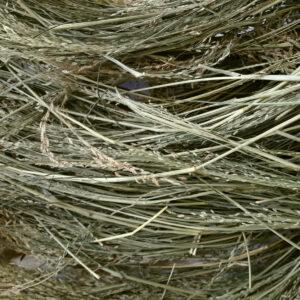
Erragrostis Hay (Tef) is a warm-season annual grass native to Ethiopia and now grown in many regions of North America. This fast-growing forage is highly palatable, has variable sugar levels, and is high in nutrients.
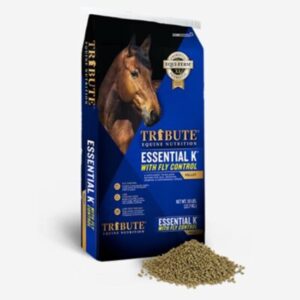
Essential K w/ Fly Control (Tribute)
Low NSC FeedsLow NSC Feeds
NutrientsNutrients
Ration BalancerRation Balancer
VitaminsVitamins
Tribute Essential K with Fly Control is a low feeding-rate ration balancer with Diflubenzuron, which can regulate the emergence of common flies.
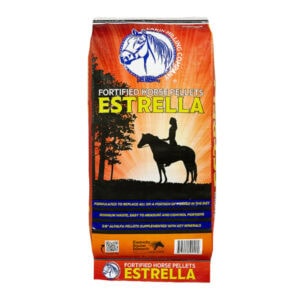
Estrella (Lakin Milling Company)
EnergyEnergy
FiberFiber
IngredientIngredient
NutrientsNutrients
Estrella from Lakin Milling Company is a pure alfalfa pellet with added mineral supplementation. Estrella Horse Pellets is intended for horses in all levels of work.
Exceller Meal (Quality Roasting, Inc.)
FatFat
FiberFiber
ProteinProtein
Weight IssuesWeight Issues
Exceller meal is a soybean meal feed product made by expeller mechanical processing of soybeans. This is a high-quality protein source primarily targeted to high-producing dairy cattle.
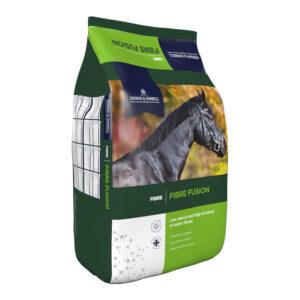
Fiber Fusion (Dodson & Horrell)
FiberFiber
ForageForage
NutritionNutrition
ProteinProtein
Fibre Fusion is a supplemental fibre feed meant to help support digestive function as it contains prebiotics and probiotics. This feed includes a moderate level of protein and ingredients such as sainfoin, alfalfa, and grass for added palatability.
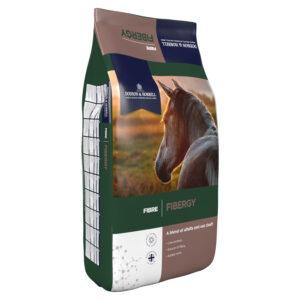
Fibergy (Dodson & Horrell)
Caloric EnergyCaloric Energy
Coat QualityCoat Quality
FiberFiber
NutritionNutrition
Fibergy by Dodson & Horrell is a forage feed made of alfalfa and oat straw. This feed is a lower protein and calorie option, and provides rapeseed oil for coat quality.
Fibre-Lite Forage Replacer (Brooks)
Easy KeeperEasy Keeper
FiberFiber
Hay StretcherHay Stretcher
SeniorSenior
Fibre-Lite Forage Replacer is a pelleted feed containing 25% fibre from digestible sources such as soy hulls, wheat shorts, alfalfa meal, and beet pulp. It can be used as a partial hay replacer or for horses with lower energy requirements.
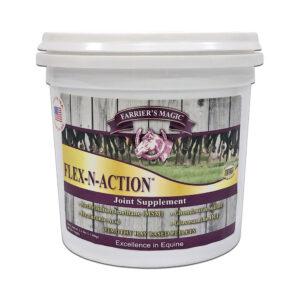
Flex n Action (Farrier’s Magic)
ExerciseExercise
JointsJoints
NutrientsNutrients
RecoveryRecovery
Flex n Action is a supplement intended to help maintain healthy joints for aging horses and competition horses.
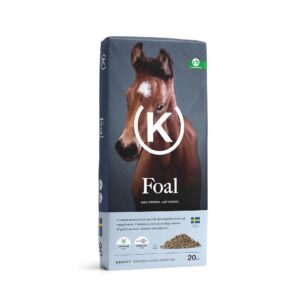
Foal (Krafft)
Complete FeedComplete Feed
FoalFoal
GrowthGrowth
NutritionNutrition
Foal by Krafft is a supplementary feed intended for foals and young horses. It provides protein, vitamins, and minerals.
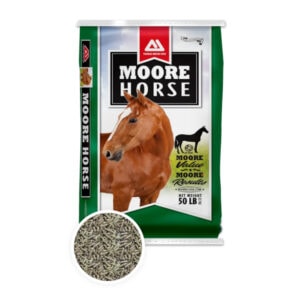
Fortified Alfalfa Pellet (Thomas Moore Feed)
Complete FeedComplete Feed
FiberFiber
NutrientsNutrients
ProteinProtein
Fortified Alfalfa Pellet by Thomas Moore Feed is a pelleted feed containing alfalfa. It can be fed as a supplement or complete feed for horses.
Gamba Grass Fresh Mexico Fine
EnergyEnergy
FiberFiber
ForageForage
ProteinProtein
Gamba grass is a tall tropical species of grass. Gamba grass is considered an invasive species in some countries, but provides a valuable source of forage for cattle.
Gamba Grass Fresh Mexico Long
EnergyEnergy
FiberFiber
ForageForage
ProteinProtein
Gamba grass is a tall, dense and leafy grass native to Africa. It grows very rapidly and is drought and fire-resistant. Although it is a good source of pasture for livestock, it is considered an invasive species in some countries.
Gamba Grass Fresh Mexico Medium Chop
EnergyEnergy
FiberFiber
ForageForage
ProteinProtein
Gamba grass is a tall perennial grass and palatable source of forage for livestock species. Originally from Africa, it can now be found worldwide and is considered an invasive species due to its rapid growth and hardy nature.
Gamba Grass Hay Honduras Fine Chop
EnergyEnergy
FiberFiber
ForageForage
ProteinProtein
Gamba grass is a fast-growing perennial grass native to Africa. It is now found worldwide and is used for pasture, hay, or fresh chop.
Gamba Grass Hay Honduras Long
EnergyEnergy
FiberFiber
ForageForage
ProteinProtein
Gamba grass is a perennial grass native to Africa used as a palatable forage for livestock worldwide. Gamba grass is hardy and fast-growing. It can grow up to 4 meters in height.
Gamba Grass Hay Honduras Medium Chop
EnergyEnergy
FiberFiber
ForageForage
ProteinProtein
Gamba grass is a fast-growing leafy grass native to Africa. It is resistant to drought and fire. Although it is a good source of pasture and hay for livestock, it is considered an invasive species in some countries.
Gambagrass Fresh Fertilized Mexico Fine
EnergyEnergy
FiberFiber
ForageForage
ProteinProtein
Gamba grass is a tropical species of grass native to Africa. Gamba grass is a palatable and rapidly growing source of pasture for livestock species.
Gambagrass Fresh Fertilized Mexico Long
EnergyEnergy
FiberFiber
ForageForage
ProteinProtein
Gamba grass is a perennial species of grass, originally from Africa. It is now found worldwide as a source of pasture due to its superior growth rates.
Gambagrass Fresh Fertilized Mexico Med
EnergyEnergy
FiberFiber
ForageForage
ProteinProtein
Gamba grass is a perennial grass native to Africa that is used for forage for livestock worldwide. Gamba grass is palatable, hardy, and fast-growing. It can grow up to 4 meters in height.
Gliricidia Hay Hondorus Fine Chop
EnergyEnergy
FiberFiber
ForageForage
ProteinProtein
Gliricidia (Gliricidia sepium) is a perennial legume tree found in the tropics. It can be fed fresh or as hay to ruminants but is toxic to horses.
Gliricidia Hay Hondorus Long
EnergyEnergy
FiberFiber
ForageForage
ProteinProtein
Gliricidia (Gliricidia sepium) is a perennial legume tree found in the tropics. It can be fed fresh or as hay to ruminants but the leaves are toxic to horses.
Gliricidia Hay Hondorus Medium Chop
EnergyEnergy
FiberFiber
ForageForage
ProteinProtein
Gliricidia (Gliricidia sepium) is a perennial legume tree found in the tropics. The leaves are toxic to horses. It can be grazed or fed as hay to ruminants.
Golden Timothy Hay Brazil Fine Chop
DigestionDigestion
EnergyEnergy
FiberFiber
ForageForage
Golden Timothy Hay (Setaria anceps Stapf.) is a palatable forage for cattle. This tropical grass has good digestibility and is drought resistant.
Golden Timothy Hay Brazil Long
DigestionDigestion
EnergyEnergy
FiberFiber
ForageForage
Golden Timothy, also known as golden millet (Setaria sphacelata var. anceps), is a tropical and subtropical perennial grass used as livestock forage.
Golden Timothy Hay Brazil Medium Chop
DigestionDigestion
EnergyEnergy
FiberFiber
ForageForage
Golden Timothy Grass (Setaria anceps Stapf) is a tropical perennial grass native to West Africa. It is a palatable and digestible forage for cattle.
Grape Pomace
DigestionDigestion
EnergyEnergy
FiberFiber
NutritionNutrition
Grape Pomace is the solid remains of grape juice and wine production, consisting of the peel, pulp, and seeds. This residue is a good source of digestible energy for horses.
Grass Silage – 10% CP 67% NDF
FiberFiber
ForageForage
Hay StretcherHay Stretcher
ProteinProtein
Grass silage is used in equine diets as an alternative to hay. Grass harvested at a later maturity has lower crude protein and higher fibre content.
Grass Silage – 16% CP 55% NDF
FiberFiber
ForageForage
Hay StretcherHay Stretcher
ProteinProtein
Grass silage can be used in place of hay in the horse's diet. Grass harvested at an earlier growth stage has higher crude protein and lower fibre content. This silage is suitable for horses with higher protein and energy requirements.
Grass Silage – 20% CP 48% NDF
FiberFiber
ForageForage
NutritionNutrition
ProteinProtein
Grass silage can be used in place of hay in the horse's diet. Grass harvested at an earlier growth stage has higher crude protein and lower fibre content. This silage is suitable for horses with higher protein and energy requirements.
Grass Silage – 7% CP 72% NDF
FiberFiber
ForageForage
Hay StretcherHay Stretcher
NutritionNutrition
Grass silage can be used in equine diets as an alternative to hay. Silage is commonly used when weather conditions limit hay production.
Grass Silage 12% CP 55% NDF
DigestionDigestion
FiberFiber
ForageForage
RespiratoryRespiratory
Grass silage consisting of fermented grasses is a common forage source for ruminants. It can be fed to horses when hay supplies are low. The protein content is low when the plant is harvested at a mature stage of growth.
Grass Silage 12% CP 60% NDF
DigestionDigestion
FiberFiber
ForageForage
RespiratoryRespiratory
Grass silage is a common forage source for ruminants worldwide, but it can be used for horses when hay supplies are limited. The protein content is lowest at older stages of growth.
Grass Silage 14% CP 50% NDF
DigestionDigestion
FiberFiber
ForageForage
RespiratoryRespiratory
Grass silage is produced by fermenting grass and is a common forage source for ruminants. It can be fed to horses when hay supplies are low. Protein content decreases and fibre increases as the plant matures.
Grass Silage 14% CP 55% NDF
DigestionDigestion
FiberFiber
ForageForage
RespiratoryRespiratory
Grass silage harvested at a late or mature stage of growth has higher fibre and lower protein content. It is a common feed for ruminants worldwide. Horses can also be fed grass silage when hay supplies are low.
Grass Silage 16% CP 45% NDF
DigestionDigestion
FiberFiber
ForageForage
RespiratoryRespiratory
Grass silage is produced by harvesting grass and fermenting it in oxygen-deprived conditions. It is fed to ruminants worldwide and can also be given to horses when hay supplies are limited.
Grass Silage 16% CP 50% NDF
DigestionDigestion
FiberFiber
ForageForage
RespiratoryRespiratory
Grass silage is a common forage source for ruminants worldwide. When hay supply is low, it can also be fed to horses. Protein and fibre content varies depending on the stage of maturity at harvest.
Grass Silage 18% CP 40% NDF
DigestionDigestion
FiberFiber
ForageForage
ProteinProtein
Grass silage is used worldwide as a high-protein forage source for ruminants. It serves as an alternative forage source for horses when hay supplies are limited.
Grass Silage 18% CP 45% NDF
DigestionDigestion
FiberFiber
ForageForage
ProteinProtein
Grass silage is produced by fermenting grasses and is a common forage source for ruminants. It can be fed to horses when hay supplies are low. Protein content decreases and fibre increases as the plant matures.
Grass Silage 20% CP 35% NDF
DigestionDigestion
FiberFiber
ForageForage
ProteinProtein
Grass silage is used worldwide as a high-protein forage source for ruminants. It can also be fed to horses when hay supplies are limited.
Grass Silage 20% CP 40% NDF
DigestionDigestion
FiberFiber
ForageForage
ProteinProtein
Grass silage is a common forage source for ruminants worldwide. When hay supply is low, it can also be fed to horses. Depending on the stage of maturity at harvest, protein and fibre content will vary.
Grass Silage 22% CP 34% NDF
DigestionDigestion
FiberFiber
ForageForage
ProteinProtein
Grass silage consists of fermented grasses. It is a common forage source for ruminants but can be fed to horses when hay supplies are low. Protein content decreases and fibre increases as the plant matures.
Grass Silage 22% CP 38% NDF
DigestionDigestion
ForageForage
ProteinProtein
Grass silage is a common forage source for ruminants worldwide. It is used for horses when hay supplies are limited. Protein and fibre content varies by stage of maturity when harvested and is highest at younger stages of growth.
GreenGold (Simple System Horse Feeds)
DigestionDigestion
ForageForage
IngredientIngredient
NutritionNutrition
GreenGold is made from lucerne chop which is naturally high in calcium and protein. It is suitable for horses is all levels of work and should be fed dampened.
Is Your Horse's Diet Missing Anything?

Identify gaps in your horse's nutrition program to optimize their well-being.