Analyze Diet

Feed Ingredients - Feed Database

Explore a range of equine feed ingredients with detailed nutritional profiles in the Mad Barn Equine Feed Bank. Compare ingredients, products and brands to choose the right one for your horse.
Feeds, Supplements & Products
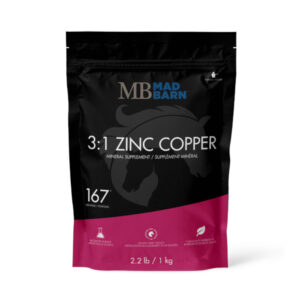
3:1 Zinc Copper (Mad Barn)
HealthHealth
Hoof HealthHoof Health
Mineral BalanceMineral Balance
Skin + HairSkin + Hair
Mad Barn's 3:1 Zinc Copper Powder is an organic trace mineral supplement containing a 3:1 ratio of Bioplex® Zinc and Copper. It is made with zinc and copper proteinates, which are chelated for improved absorption.
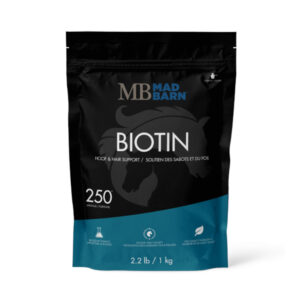
Biotin (Mad Barn)
Hoof HealthHoof Health
IngredientIngredient
MuscleMuscle
NutritionNutrition
Biotin Powder from Mad Barn provides 20 mg of biotin per serving support hoof growth and quality, as well as skin and coat health. Biotin is a B vitamin which supports strong hooves and connective tissues such as tendons. Biotin is highly palatable and easy to feed.
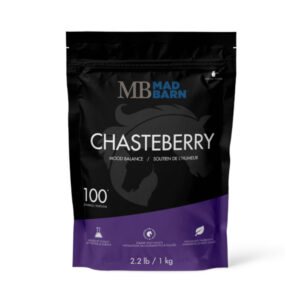
Chasteberry (Mad Barn)
BroodmareBroodmare
HealthHealth
IngredientIngredient
MareMare
Chasteberry powder supports mood balance in mares and aggressive horses. Chasteberry supplementation may support the normal function of the pituitary gland.
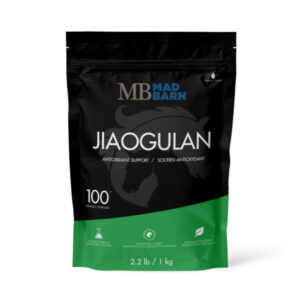
Jiaogulan (Mad Barn)
AntioxidantAntioxidant
CirculationCirculation
Hoof HealthHoof Health
IngredientIngredient
Jiaogulan powder supports circulation, muscle function, and respiratory health in horses. Jiaogulan has been shown to increase blood flow to horses' hooves.
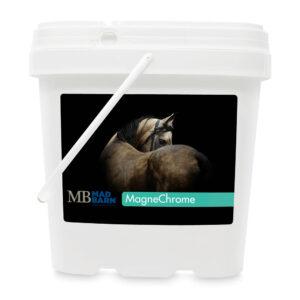
MagneChrome (Mad Barn)
AntioxidantAntioxidant
HealthHealth
HerbHerb
Metabolic SyndromeMetabolic Syndrome
MagneChrome from Mad Barn (formerly sold under the name IR Supplement) is a magnesium and chromium supplement for IR Horses. This supplement provides antioxidant and anti-inflammatory support which is critical for horses with metabolic conditions such as insulin resistance, laminitis and Cushing’s Syndrome
Manganese Proteinate (Mad Barn)
Bone HealthBone Health
HealthHealth
JointsJoints
Mineral BalanceMineral Balance
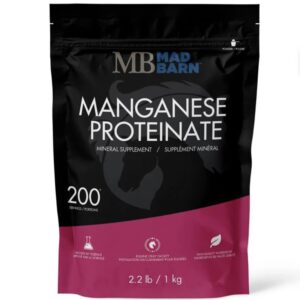
Manganese Proteinate by Mad Barn is a mineral supplement designed to support bone and joint health
MSM – Methylsulfonylmethane (Mad Barn)
Hoof HealthHoof Health
JointsJoints
RecoveryRecovery
Skin + HairSkin + Hair
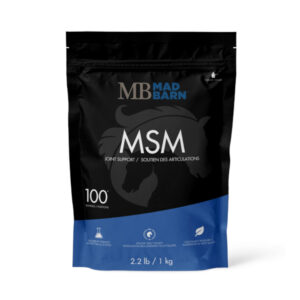
MSM is a readily available form of the mineral sulfur. It is beneficial for supporting healthy connective tissue, recovery, and hoof and joint health. MSM from Mad Barn also helps to relieve arthritic pain and sore muscles. It is considered very safe as a supplement for horses.
Natural E/Organic Se (Mad Barn)
AntioxidantAntioxidant
Organic Trace MineralsOrganic Trace Minerals
RecoveryRecovery
VitaminsVitamins
Natural E/Organic Se is a pelleted supplement providing organic Selenium yeast and natural Vitamin E. These two nutrients are important antioxidants that support muscle function and anti-inflammatory pathways.
Omneity P – Pellets – Vitamin & Mineral Supplement (Mad Barn)
Gut HealthGut Health
Hoof HealthHoof Health
Mineral BalanceMineral Balance
Organic Trace MineralsOrganic Trace Minerals
Ration BalancerRation Balancer
Omneity Pellets is a balanced mineral and vitamin supplement for horses in a palatable pellet form. It provides 100% organic trace minerals, complete B-vitamin fortification, added Vitamin E, yeast and digestive enzymes.
Omneity Premix – Vitamin & Mineral Supplement (Mad Barn)
Hoof HealthHoof Health
Mineral BalanceMineral Balance
Organic Trace MineralsOrganic Trace Minerals
VitaminsVitamins
Omneity Premix is a balanced mineral and vitamin supplement for horses providing 100% organic trace minerals, complete B-vitamin fortification, added Vitamin E, yeast, and digestive enzymes.
Performance XL: Electrolytes (Mad Barn)
Competition HorsesCompetition Horses
ElectrolyteElectrolyte
PerformancePerformance
StaminaStamina
Performance XL: Electrolytes by Mad Barn is a scientifically formulated equine electrolyte supplement designed to support athletic performance and workout recovery. It contains an ideal blend of natural minerals and vitamins to promote hydration status and muscle function.
Psyllium (Mad Barn)
FiberFiber
Gut HealthGut Health
HindgutHindgut
StressStress
Psyllium by Mad Barn is a powdered psyllium supplement that supports digestion and gut health in horses. It absorbs water in the digestive tract, helping support normal gut motility and manure consistency, and is beneficial for horses exposed to sandy conditions, environmental stress, or dietary changes.
Trace Mineral Pak (Mad Barn)
Coat QualityCoat Quality
ExerciseExercise
Hoof HealthHoof Health
Organic Trace MineralsOrganic Trace Minerals
Trace Mineral Pak from Mad Barn is a balanced equine supplement providing 100% organic (chelated) trace minerals. Ingredients include selenium, zinc, copper, and manganese.
w-3 Oil (Mad Barn)
Coat QualityCoat Quality
FatFat
JointsJoints
Omega 3-6-9Omega 3-6-9
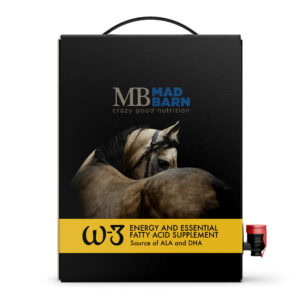
w-3 Oil by Mad Barn is an essential fatty acid supplement fortified with the omega-3 DHA and natural Vitamin E. W-3 Oil helps to support joint health, coat quality, cardiovascular health and weight maintenance.
Sodium Bentonite
DigestionDigestion
Gut HealthGut Health
ImmunityImmunity
Toxin BinderToxin Binder
Sodium bentonite is natural clay that is used as a binder in animal feeds. It is also purported to bind toxins and minerals in the digestive tract.
Sodium Bicarbonate
ElectrolyteElectrolyte
ExerciseExercise
Gut HealthGut Health
PerformancePerformance
Sodium bicarbonate (baking soda) is a chemical compound that is fed to horses as an antacid. It temporarily buffers stomach acid to increase gastric pH.
Sodium Bicarbonate (Natural Soda)
ElectrolyteElectrolyte
ExerciseExercise
Gut HealthGut Health
IngredientIngredient
Sodium bicarbonate is a feed additive for horses at risk of gastric ulcers. It is commonly used as an acid buffer to neutralize stomach acid. Sodium bicarbonate may be fed to adult horses and ponies at all work levels.
Sodium Carbonate H2O
ColicColic
ElectrolyteElectrolyte
Gut HealthGut Health
UlcersUlcers
Sodium carbonate (Na2CO3) is commonly used as an ingredient in soap and other cleaners. It may act as an antacid when ingested with water.
Sodium Selenate
Amino AcidAmino Acid
HealthHealth
ImmunityImmunity
IngredientIngredient
Sodium Selenate is an inorganic form of the trace mineral selenium sometimes used in equine feeds. Inorganic sources of selenium pose a greater risk of toxicity compared to organic selenized yeast.
Sodium Selenite
AntioxidantAntioxidant
HealthHealth
ImmunityImmunity
Mineral BalanceMineral Balance
Sodium Selenite (Na2SeO3) is an inorganic selenium supplement that is commonly used in equine feeds. There is a greater concern of selenotoxicity with inorganic versus organic sources of this trace mineral.
Sodium Selenite 0.1%
AntioxidantAntioxidant
ImmunityImmunity
IngredientIngredient
Mineral BalanceMineral Balance
Sodium selenite is an inorganic source of the essential trace mineral selenium. Selenium is required for antioxidant processes and to support metabolic health.
Sodium Sesquicarbonate Refined
ElectrolyteElectrolyte
Gut HealthGut Health
IngredientIngredient
Mineral BalanceMineral Balance
Refined sodium sesquicarbonate is an alkalizing agent that is fed as a ruminant buffer. It is not commonly used in the equine diet.
Sodium Sesquicarbonate Unrefined
ElectrolyteElectrolyte
Gut HealthGut Health
HydrationHydration
IngredientIngredient
Sodium sesquicarbonate is a source of sodium added to animal feeds. It can be used as a rumen buffer. This additive is not commonly fed to horses.
Sodium Sulfate Decahydrate (Glauber Salts)
ColicColic
Gut HealthGut Health
IngredientIngredient
Toxin BinderToxin Binder
Sodium Sulfate Decahydrate is also known as Glauber Salts or sal mirabilis. It is used in horses as a natural laxative supplement to support gut health and alleviate colic.
Sodium Tri-Poly Phosphate
Bone HealthBone Health
GrowthGrowth
IngredientIngredient
NutrientsNutrients
Sodium Tri-Poly Phosphate (STPP) is used as a phosphorus source in equine nutrition. It is not as common as Monosodium Phosphate.
Soluflex (Herbs for Horses)
JointsJoints
NutrientsNutrients
PerformancePerformance
SeniorSenior
Soluflex is a liquid joint supplement for horses containing chondroitin, collagen, glucosamine, MSM, and turmeric.
Sorghum Grain Brazil Finely Ground
Caloric EnergyCaloric Energy
GrainsGrains
NutritionNutrition
ProteinProtein
Sorghum is a popular grain and forage for livestock. Sorghum grain must be processed by grinding, cracking, or flaking before being fed to animals.
Sorghum Grain Brazil Flaked
Caloric EnergyCaloric Energy
GrainsGrains
NutritionNutrition
ProteinProtein
Sorghum is grown worldwide as a grain or forage source. Flaking is a processing method used to improve nutrient digestibility.
Sorghum Grain Brazil Whole
Caloric EnergyCaloric Energy
GrainsGrains
NutritionNutrition
ProteinProtein
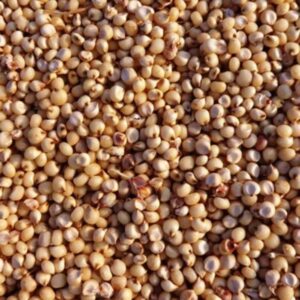
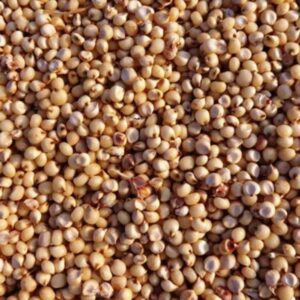
Sorghum is a tall annual grass that is grown for grain or forage. The waxy bran covering results in low digestibility of whole sorghum grain. It is typically processed to improve digestibility.
Sorghum Grain Cracked Brazil Coarse
Caloric EnergyCaloric Energy
GrainsGrains
NutritionNutrition
ProteinProtein
Sorghum grain is produced worldwide as a high-energy feed for livestock. Processing by methods such as cracking is required prior to feeding to improve nutrient digestibility.
Sorghum Grain Cracked Brazil Medium
Caloric EnergyCaloric Energy
GrainsGrains
NutritionNutrition
ProteinProtein
Sorghum grain is a high-starch feedstuff fed worldwide to poultry, swine, and ruminants. Cracking improves nutrient digestibility of the grain compared to whole sorghum.
Sorghum Grain Cracked High Tannins
Caloric EnergyCaloric Energy
GrainsGrains
NutritionNutrition
ProteinProtein
Breeding techniques have reduced tannins in most modern varieties of sorghum. However, traditional varieties with high tannin content can result in reduced feed intake in livestock.
Sorghum Grain Mexico Finely Ground
Caloric EnergyCaloric Energy
GrainsGrains
NutritionNutrition
ProteinProtein
Sorghum is a popular grain and forage grown worldwide. Sorghum grain must be processed before feeding to animals. Grinding is an inexpensive, effective method for improving digestibility.
Sorghum Grain Mexico Flaked
Caloric EnergyCaloric Energy
GrainsGrains
NutritionNutrition
ProteinProtein
Sorghum is grown worldwide as a grain or forage source. Flaked sorghum grain has improved digestibility over whole sorghum.
Sorghum Grain Mexico Whole
Caloric EnergyCaloric Energy
GrainsGrains
NutritionNutrition
ProteinProtein
Sorghum is a tall annual grass grown for grain or forage. Whole sorghum grain has low digestibility due to the waxy bran covering that surrounds the grain.
Sorghum Grain Silage – 9% CP 64% NDF
EnergyEnergy
FiberFiber
ForageForage
NutritionNutrition
Sorghum silage-containing grain is a high-starch, high-energy forage commonly fed to cattle. Silage is used as an alternative to hay. However, sorghum sudan grasses have high levels of nitrate and prussic acid which are toxic to horses.
Sorghum Milo Popped
EnergyEnergy
GrainsGrains
NutritionNutrition
ProteinProtein
Sorghum/milo grain can be heated and the kernels can be popped to improve starch digestibility. Sorghum/milo grain is a high-starch feed for beef cattle.
Sorghum Residue Honduras Coarse
FiberFiber
ForageForage
NutritionNutrition
ProteinProtein
Sorghum residue is what remains in the field after grain harvest. It can be grazed by cattle or it can be ground for improved digestibiility.
Sorghum Residue Honduras Fine
FiberFiber
ForageForage
NutritionNutrition
ProteinProtein
Sorghum residue remaining after grain harvest can be grazed by cattle or can be ground for improved digestibility.
Sorghum Silage Brazil Fine Chop
DigestionDigestion
FiberFiber
ForageForage
NutritionNutrition
Sorghum is an annual grass commonly used as a forage source for ruminants. Fine chop increases nutrient digestibility and silage compaction.
Sorghum Silage Brazil Long
DigestionDigestion
FiberFiber
ForageForage
NutritionNutrition
Sorghum is an annual grass commonly used as a forage source for ruminants. Long chop increases the physically effective fibre content.
Sorghum Silage Brazil Medium Chop
DigestionDigestion
FiberFiber
ForageForage
NutritionNutrition
Sorghum is a tall, annual grass that is commonly used as a forage source for ruminants. It can be cut and stored in anaerobic conditions to make silage.
Sorghum Sudan Silage – 11% CP 68% NDF
FiberFiber
ForageForage
NutritionNutrition
ProteinProtein
Sorghum Sudan silage is commonly fed to cattle and other ruminants. It should not be fed to horses as they are susceptible to sudan grass toxicity.
Sorghum/Milo – High Moisture
Caloric EnergyCaloric Energy
FiberFiber
NutrientsNutrients
ProteinProtein
Sorghum grain, also known as milo, is commonly grown in tropical and subtropical regions. High moisture sorghum is used in cattle and swine diets as an energy source.
Sorghum/Milo Grain
Caloric EnergyCaloric Energy
NutritionNutrition
ProteinProtein
Weight IssuesWeight Issues
Sorghum grain, also known as milo, is commonly grown in tropical and subtropical regions. Sorghum grain is not easily digestible and is high in starch which can cause hindgut issues in the horse.
Sorghum/Milo Grain – Dry Rolled
Caloric EnergyCaloric Energy
FiberFiber
NutrientsNutrients
ProteinProtein
Dry rolled sorghum is an African grain that is made more digestible through the process of rolling. Sorghum is not readily used in horse feed as it is high in starch and not easily digestible.
Sorghum/Milo Grain – Steam Flaked
Caloric EnergyCaloric Energy
FiberFiber
NutrientsNutrients
ProteinProtein
Steam flaked sorghum is processed by steaming and rolling to increase its digestibility. Sorghum is a tropical grain commonly grown for human and food animal production.
Sorghum/Milo Ground Coarse
EnergyEnergy
GrainsGrains
NutritionNutrition
ProteinProtein
Coarse ground sorghum/milo grain is a high-starch feed for livestock. Grind size affects digestibility and feed efficiency.
Sorghum/Milo Ground Fine
EnergyEnergy
GrainsGrains
NutritionNutrition
VitaminsVitamins
Fine ground sorghum/milo grain is a high-energy feed primarily used in cattle diets. It provides high starch content which supports weight gain in beef cattle.
Sorghum/Milo Ground Medium
EnergyEnergy
GrainsGrains
NutritionNutrition
VitaminsVitamins
Sorghum/milo grain is a high-energy feed for cattle. Fine and medium grind sorghum has higher feed efficiency compared to coarse ground grain.
Sorghum/Milo High Moisture 22%
EnergyEnergy
GrainsGrains
NutritionNutrition
ProteinProtein
High moisture sorghum/milo is fed to beef cattle as an energy-rich feed. It is preferable to harvest at 30% moisture content compared to 22% moisture for storage purposes.
Sorghum/Milo High Moisture 30%
EnergyEnergy
GrainsGrains
NutritionNutrition
ProteinProtein
High moisture harvested sorghum/milo is used in ruminant diets. Feed efficiency is greater for high moisture sorghum compared to dry grain sorghum.
South African Hominy Chop
Caloric EnergyCaloric Energy
NutritionNutrition
ProteinProtein
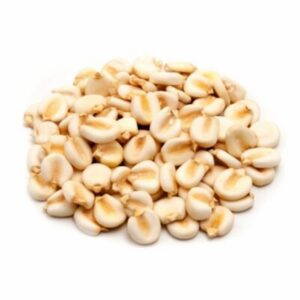
Chopped hominy is a by-product of maize milling. It is a source of energy, protein and fiber, for horses, cattle, and sheep.
Soy 70
MuscleMuscle
NutritionNutrition
ProteinProtein
ToplineTopline
Soy protein concentrate 70 is an amino acid supplement made from purified soybean meal. It is refined to improve digestibility and to remove anti-nutritive factors.
Soy Bean Silage
EnergyEnergy
ForageForage
NutritionNutrition
ProteinProtein
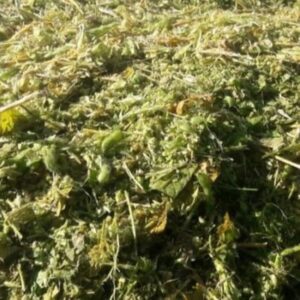
Soybean silage is typically produced under drought-stress conditions that are unlikely to result in a high yield of soybean grain. Soybean silage is a high-protein forage source more commonly fed to cattle.
Soy Meal Xylose Treated
EnergyEnergy
MuscleMuscle
ProteinProtein
ToplineTopline
Soy meal is fed as a protein source to dairy cattle. Soy meal can be treated with xylose to protect protein from rumen degradation and improve crude fiber digestibility in lactating cattle.
Soy Whole Full Fat Extruded
FatFat
NutritionNutrition
ProteinProtein
Weight IssuesWeight Issues
Whole full fat extruded soybeans are extruded to destroy anti-nutritional factors that are present in unprocessed soybeans. This process increases protein bioavailability, but does not remove the oil content.
Soy Whole Full Fat Formal Dehydetreated
FatFat
ProteinProtein
ToplineTopline
Weight IssuesWeight Issues
Full fat soybeans are a high-energy feed for cattle. Formaldehyde treatment is used to protect unsaturated fats from hydrogenation in the rumen.
Soya Belisle (Nature Belisle)
Caloric EnergyCaloric Energy
MuscleMuscle
ProteinProtein
Weight IssuesWeight Issues
Soya Belisle by Nature Belisle is a pressed and extruded soybean feed. Soybeans can be a good source of energy for horses in heavier work. It contains 43% protein, 9% fat, and 4.65% fibre.
Soya Meal Formaldehyde Treated
EnergyEnergy
ProteinProtein
ToplineTopline
Weight IssuesWeight Issues
Soy meal provides a source of protein to livestock species. Treatment with formaldehyde can increase the bioavailability of protein and the absorption of essential amino acids.
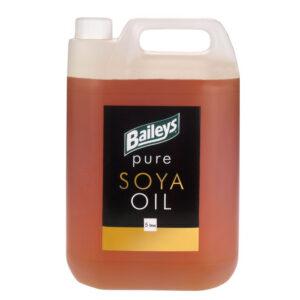
Soya Oil (Baileys Horse Feeds)
Caloric EnergyCaloric Energy
Coat QualityCoat Quality
FatFat
Weight IssuesWeight Issues
Soya Oil from Baileys Horse Feeds is intended for horses and ponies who require slow-release calories for condition or stamina. This oil also improves coat quality with its high Omega-6, especially Linoleic acid, content.
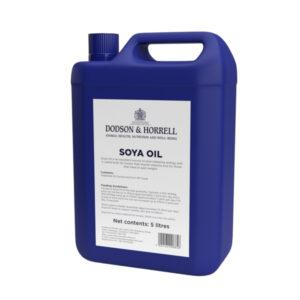
Soya Oil (Dodson & Horrell)
Caloric EnergyCaloric Energy
FatFat
IngredientIngredient
Weight IssuesWeight Issues
Soya Oil from Dodson & Horrell is calorie-dense which helps horses and ponies to increase weight and condition. This oil is intended to improve overall coat and skin health without adding bulk to the horse's feed.
Soybean Grain Brazil Finely Ground
FatFat
NutritionNutrition
ProteinProtein
Weight IssuesWeight Issues
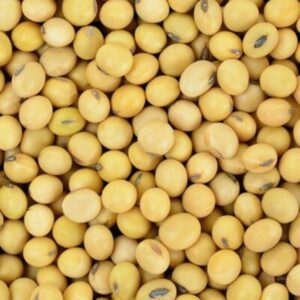
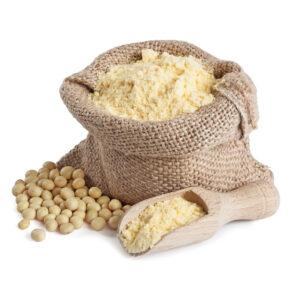
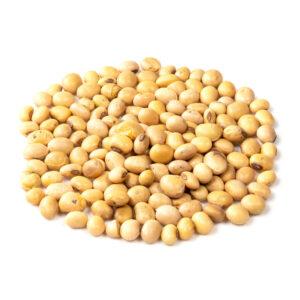
Fine ground soybeans are an energy-dense feed for all classes of livestock. Raw soybeans can be fed to cattle, however, horses should only be fed heat-treated soybeans.
Soybean Grain Brazil Medium Grind
FatFat
NutritionNutrition
ProteinProtein
Weight IssuesWeight Issues
Medium ground soybeans are a high-energy feed for all classes of livestock. When intended for non-ruminants, soybeans should be heat-treated prior to feeding.
Is Your Horse's Diet Missing Anything?

Identify gaps in your horse's nutrition program to optimize their well-being.