Analyze Diet
FeedBank
Feed Type

Protein Sources for Horses

View nutrition analyses for protein sources used in horse feed ingredients in the Mad Barn Equine Feed Database. This category includes high-protein ingredients that contribute amino acids to the equine diet, such as soybean meal, canola meal, alfalfa meal, flaxseed meal, peas, lupins, distillers dried grains, whey protein, yeast products, and other plant- or animal-derived protein sources.

Compare nutrient profiles for different protein sources to understand their crude protein content, amino acid contribution, digestibility, fiber level, fat content, mineral values, and role in supporting muscle development, topline, growth, lactation, and tissue maintenance. Use this database to evaluate protein-containing ingredients used in horse feeds and supplements.
Filters
Protein
Palm Kernel Expeller NZ
EnergyEnergy
FatFat
ProteinProtein
Weight IssuesWeight Issues
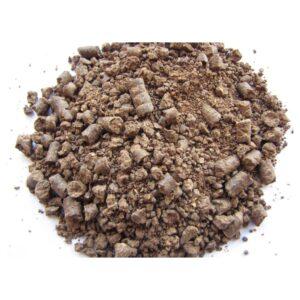
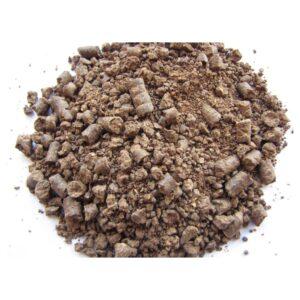
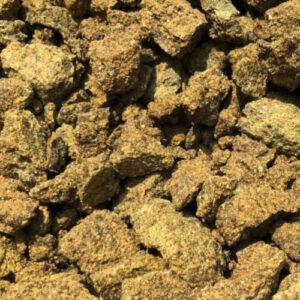
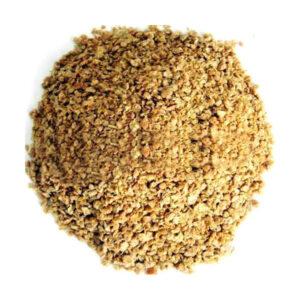
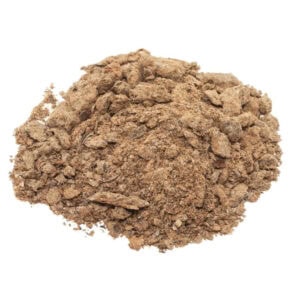
Palm Kernel Expeller is a byproduct of palm oil extraction. It is a high-protein feed suitable for many classes of livestock.
Pea Protein Isolate
GrowthGrowth
PerformancePerformance
ProteinProtein
ToplineTopline
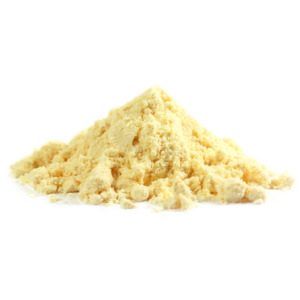
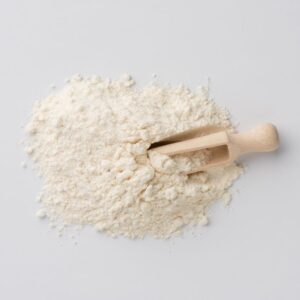
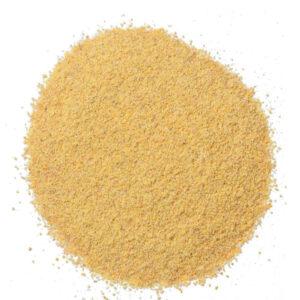
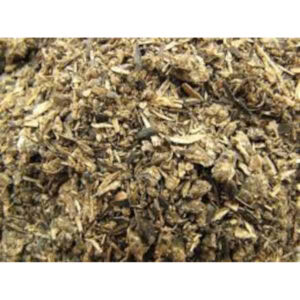
Pea Protein Isolate is a powdered protein source for horses that is made from split peas. The extracted protein source contains all nine essential amino acids and it is particularly high in branched-chain amino acids (BCAAs).
Peanut Meal – Mechanical Extraction
Amino AcidAmino Acid
FatFat
ProteinProtein
ToplineTopline
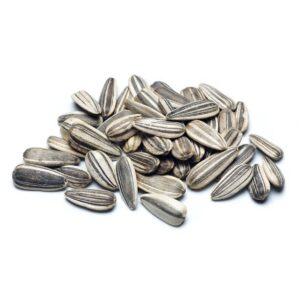
Peanut meal is a by-product of peanut oil production, either through mechanical extraction. Peanut meal is high in protein, but may be contaminated with aflatoxin.
Peanut Meal – Solvent Extracted 48% CP
Amino AcidAmino Acid
FatFat
ProteinProtein
ToplineTopline
Peanut meal is a by-product of peanut oil, typically produced by solvent extraction. Peanut meal is high in protein but relatively low in limiting amino acids such as lysine and methionine.
Peanuts
EnergyEnergy
FatFat
FiberFiber
IngredientIngredient
Peanuts are the edible seeds of the peanut plant. They are high in fat and protein, but are not commonly used in horse feeds.
Peas – Dry
Caloric EnergyCaloric Energy
HealthHealth
MuscleMuscle
ProteinProtein
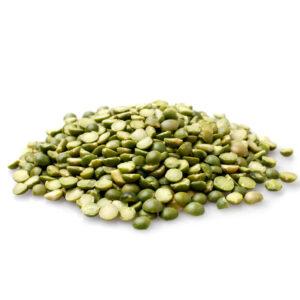
Dried peas are a highly palatable, high-energy, and protein feed. They contain roughly 23% protein and energy from starch and fiber. The protein content helps support muscle growth and recovery, skin and coat health, and hoof health.
Potato Protein Concentrate
IngredientIngredient
MuscleMuscle
NutritionNutrition
ProteinProtein
Potato protein concentrate is a highly digestible plant protein that provides essential amino acids. It supports balanced nutrition and muscle development.
Rapeseed Cake Cold Pressed
EnergyEnergy
FiberFiber
NutritionNutrition
ProteinProtein
Cold-pressed rapeseed cake refers to seeds of the oilseed rape plant that are pressed into a cake format at a low temperature (60° C).
Rapeseed Cake Xylose Treated
FatFat
FiberFiber
ProteinProtein
Weight IssuesWeight Issues
Rapeseed Cake refers to the pressed form of the product produced by pressing rapeseed seed into a cake. Xylose treatment preserves the amino acid composition of the rapeseed allowing for greater protein utilization by livestock.
Rapeseed Meal Extruded
EnergyEnergy
FiberFiber
NutritionNutrition
ProteinProtein
Extruded Rapeseed Meal (also known as canola meal) is a source of protein and is low in starch and sugar. It is a byproduct of the extraction of oil from rapeseeds and is fed to many classes of livestock. Extruded refers to the process by which anti-nutritional factors are removed to improve the digestibility of proteins.
Rapeseed Meal Formaldehyde Treated
EnergyEnergy
FiberFiber
NutritionNutrition
ProteinProtein
Rapeseed meal is a by-product of rapeseed oil production. It has a similar nutritional profile to soybean meal and is a suitable protein source for horses. Formaldehyde treatment preserves the amino acid composition of the meal allowing for greater protein utilization by livestock.
Rapeseed Meal Heat Treated
EnergyEnergy
HealthHealth
NutritionNutrition
ProteinProtein
Rapeseed meal or canola meal is a high source of protein and is the by-product remaining after the oil is extracted from the rapeseed plant. Canola is a low-erucic acid, low-glucosinate or 00 variety of rapeseed. Low-erucic acid and low-glucosinate varieties of rapeseed are now typically used in livestock feeds. Canola and rapeseed are often interchangeable.
Rapeseed Meal Solvent
EnergyEnergy
HealthHealth
NutritionNutrition
ProteinProtein
Rapeseed meal is a by-product of rapeseed oil production that utilizes a solvent. It has a similar nutritional profile to soybean meal and is a suitable protein source for horses.
Rapeseed Soya Meal Blend Extruded
EnergyEnergy
FiberFiber
NutritionNutrition
ProteinProtein
Rapeseed meal and soybean meal blends provide a source of protein for livestock species. Extrusion refers to the process by which anti-nutritional factors are removed to improve digestibility of proteins.
Rapeseed Soya Meal Blend Heat Treated
EnergyEnergy
FiberFiber
NutritionNutrition
ProteinProtein
Rapeseed and soybean meal blends are a source of protein for livestock species. Heat treatment reduces anti-nutritional factors and improves protein digestibility.
Rapeseed Soya Xylose Treated
EnergyEnergy
FiberFiber
NutritionNutrition
ProteinProtein
Rapeseed Soya is a blend of rapeseed meal and soybean meal that has been treated with xylose to preserve amino acid composition. This treatment allows for greater protein utilization by livestock.
Safflower Meal
Amino AcidAmino Acid
FatFat
ProteinProtein
ToplineTopline
Safflower meal is a by-product of safflower seed oil production. Following extraction of the oil, the remaining meal is high in protein and provides some fatty acids.
Sesame Meal (Solvent Extracted)
BroodmareBroodmare
ExerciseExercise
NutritionNutrition
ProteinProtein
Sesame meal (solvent extracted) is a high-protein feed ingredient produced after most of the oil has been removed from sesame seeds. It provides protein, fiber, and minerals to support horse nutrition.
Smartamine L (Adisseo)
Amino AcidAmino Acid
GrowthGrowth
ImmunityImmunity
ToplineTopline
Smartamine L is a source of the amino acid lysine. Lysine is often considered the first limiting amino acid in equine diets. Supplementation may be beneficial for horses experiencing muscle loss or poor topline.
Smartamine M (Adisseo)
Amino AcidAmino Acid
GrowthGrowth
Hoof HealthHoof Health
IngredientIngredient
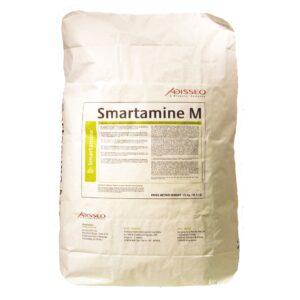
Smartamine M is a source of the amino acid methionine. Methionine is often considered the second or third limiting amino acid in equine diets.
Soy 70
MuscleMuscle
NutritionNutrition
ProteinProtein
ToplineTopline
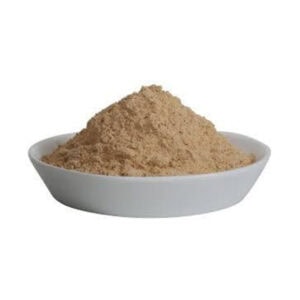
Soy protein concentrate 70 is an amino acid supplement made from purified soybean meal. It is refined to improve digestibility and to remove anti-nutritive factors.
Soy Meal Xylose Treated
EnergyEnergy
MuscleMuscle
ProteinProtein
ToplineTopline
Soy meal is fed as a protein source to dairy cattle. Soy meal can be treated with xylose to protect protein from rumen degradation and improve crude fiber digestibility in lactating cattle.
Soy Whole Full Fat Extruded
FatFat
NutritionNutrition
ProteinProtein
Weight IssuesWeight Issues
Whole full fat extruded soybeans are extruded to destroy anti-nutritional factors that are present in unprocessed soybeans. This process increases protein bioavailability, but does not remove the oil content.
Soy Whole Full Fat Formal Dehydetreated
FatFat
ProteinProtein
ToplineTopline
Weight IssuesWeight Issues
Full fat soybeans are a high-energy feed for cattle. Formaldehyde treatment is used to protect unsaturated fats from hydrogenation in the rumen.
Soya Meal Formaldehyde Treated
EnergyEnergy
ProteinProtein
ToplineTopline
Weight IssuesWeight Issues
Soy meal provides a source of protein to livestock species. Treatment with formaldehyde can increase the bioavailability of protein and the absorption of essential amino acids.
Soybean Grain Brazil Finely Ground
FatFat
NutritionNutrition
ProteinProtein
Weight IssuesWeight Issues
Fine ground soybeans are an energy-dense feed for all classes of livestock. Raw soybeans can be fed to cattle, however, horses should only be fed heat-treated soybeans.
Soybean Grain Brazil Medium Grind
FatFat
NutritionNutrition
ProteinProtein
Weight IssuesWeight Issues
Medium ground soybeans are a high-energy feed for all classes of livestock. When intended for non-ruminants, soybeans should be heat-treated prior to feeding.
Soybean Grain Brazil Whole
Caloric EnergyCaloric Energy
FatFat
NutritionNutrition
ProteinProtein
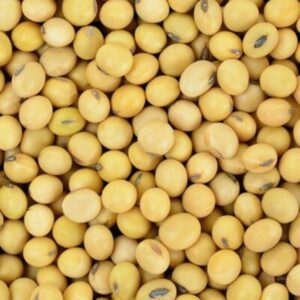
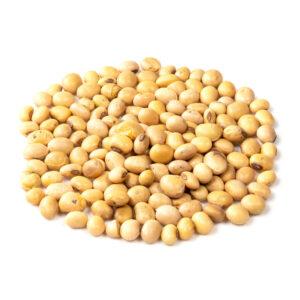
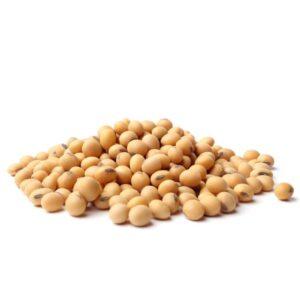
Whole soybeans are a high-energy feed for cattle. They are usually cracked, roasted, or ground for improved digestibility. Horses should not consume raw, whole soybeans due to antinutritive factors.
Soybean Meal – Extruded
Amino AcidAmino Acid
FatFat
ProteinProtein
ToplineTopline
Extruded soybean meal is a by-product of soybean oil processing extracted using extrusion methods and not solvents. The end product is a protein-rich meal.
Soybean Meal (Modesto Milling)
EnergyEnergy
GrowthGrowth
ProteinProtein
Weight IssuesWeight Issues
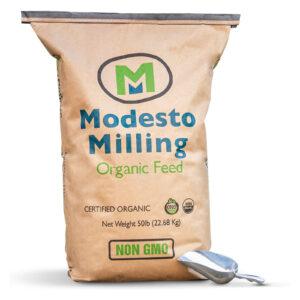
Soybean meal from Modesto Milling is made from 100% organic soybeans. Soybean meal is a great source of amino acids for horses that required additional protein and energy in their diet.
Soybean Meal (West Feeds)
Caloric EnergyCaloric Energy
MuscleMuscle
ProteinProtein
ToplineTopline
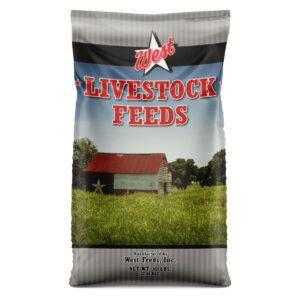
Soybean Meal by West Feeds is a high-protein concentrate that can be used to add energy to the equine diet. This feed provides 47% protein and 7% fibre content.
Soybean Meal 44% CP – Solvent Extracted
Amino AcidAmino Acid
FatFat
ProteinProtein
ToplineTopline
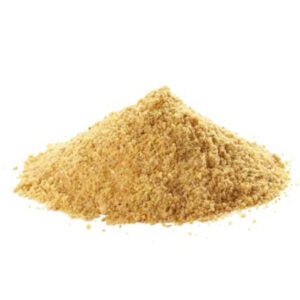
Soybean meal is a by-product of soybean oil extraction using a solvent. The end product after the oil is extracted is a protein-rich meal that contains 44% crude protein.
Soybean Meal 47.5% CP – Solvent Extracted
Amino AcidAmino Acid
FatFat
ProteinProtein
ToplineTopline
Soybean meal is a by-product of soybean oil extraction that utilizes a solvent. The end product after oil extraction is a protein-rich meal that contains 47.5% crude protein.
Soybean Meal Brazil Coarse
Caloric EnergyCaloric Energy
MuscleMuscle
ProteinProtein
ToplineTopline
Soybean meal is a high-protein, high-energy feed for all classes of livestock. Coarse grinding reduces the risk of digestive upset.
Soybean Meal Brazil Finely Ground
Caloric EnergyCaloric Energy
MuscleMuscle
ProteinProtein
ToplineTopline
Soybean meal is a high-protein feed for all classes of livestock. Fine grinding increases the risk of digestive upset in some species but improves nutrient digestibility.
Soybean Meal Mexico Coarse
Caloric EnergyCaloric Energy
MuscleMuscle
ProteinProtein
ToplineTopline
Soybean meal is a high protein and energy feed for all classes of livestock. Coarse grinding reduces the risk of digestive upset.
Soybean Meal Mexico Finely Ground
Caloric EnergyCaloric Energy
MuscleMuscle
ProteinProtein
ToplineTopline
Soybean meal is a high-protein feed for all classes of livestock. Fine grinding increases nutrient digestibility but increases the risk of digestive upset in some species.
Soybean Residue Brazil Coarse
Caloric EnergyCaloric Energy
FiberFiber
ProteinProtein
ToplineTopline
Soybean residue is a byproduct of soybean harvest. Ground soybean residue can be used to increase dry matter content of livestock diets.
Soybean Residue Brazil Finely Ground
Caloric EnergyCaloric Energy
FiberFiber
ProteinProtein
ToplineTopline
Soybean residue is a byproduct of soybean harvest. It can be ground to increase dry matter content of livestock diets.
Soybeans – Rolled Roasted
FatFat
ProteinProtein
ToplineTopline
Weight IssuesWeight Issues
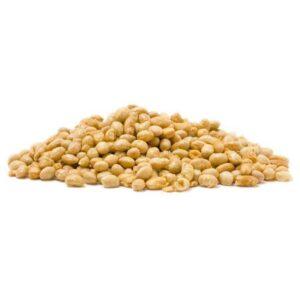
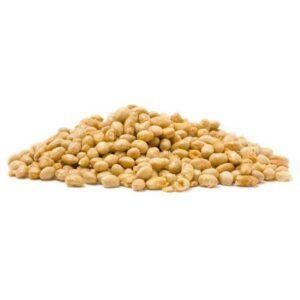
Rolled, roasted soybeans are made from whole soybeans that have been roasted and crushed to increase the surface area. The heat from roasting destroys trypsin inhibitors that interfere with protein digestion. Rolled soybeans are an excellent source of dietary fat and protein, and are highly palatable to horses.
Soybeans – Steam Flaked
Caloric EnergyCaloric Energy
ProteinProtein
ToplineTopline
Weight IssuesWeight Issues
Steam flaked soybeans are exposed to high temperature steam and flaked to increase the bean's surface area. The steaming and flaking process results in a highly digestible, high-protein feedstuff.
Soybeans – Whole Extruded
Amino AcidAmino Acid
FatFat
ProteinProtein
ToplineTopline
Whole, extruded soybeans are made by processing whole soybeans using extrusion methods. The extrusion process uses pressure and heat to destroy anti-nutritive factors and increase the digestibility of the soybeans.
Soybeans – Whole Flaked
Caloric EnergyCaloric Energy
Low NSC FeedsLow NSC Feeds
ProteinProtein
ToplineTopline
Whole, flaked soybeans are made with de-fatted soybeans that are flaked. Similar to rolling, flaking exposes the soybean to more surface area, which increases the rate of digestibility.
Soybeans – Whole Raw
Caloric EnergyCaloric Energy
ProteinProtein
ToplineTopline
Weight IssuesWeight Issues
Feeding raw soybeans to horses is not recommended. Whole raw soybeans contain anti-nutritive factors which are degraded when they are heated.
Soybeans – Whole Roasted
Amino AcidAmino Acid
FatFat
ProteinProtein
ToplineTopline
Whole, roasted soybeans are made from whole soybeans that are roasted. The heat from roasting destroys trypsin inhibitors that interfere with protein digestion. Whole, roasted soybeans are an excellent source of dietary fat and protein. They are highly palatable to horses.
Sunflower Meal – 26% CP 3% EE
Caloric EnergyCaloric Energy
Low NSC FeedsLow NSC Feeds
ProteinProtein
ToplineTopline
Sunflower meal is a byproduct of the extraction of oil from sunflower seeds. The nutritional profile varies depending on the content of hulls in the meal. This feed is safe for horses but may not be palatable in high quantities.
Sunflower Meal – 40% CP 2% EE
Caloric EnergyCaloric Energy
Low NSC FeedsLow NSC Feeds
ProteinProtein
ToplineTopline
Sunflower meal is a high-protein byproduct of sunflower oil production. The meal is a suitable protein source for equine diets, but may not be palatable in large quantities.
Sunflower Meal – 49% CP 3% EE
Caloric EnergyCaloric Energy
Low NSC FeedsLow NSC Feeds
ProteinProtein
ToplineTopline
Sunflower meal is the residue that remains after the oil is extracted from sunflower seeds. It is a high-protein feed that is safe to add to equine diets.
Sunflower Meal Heat Treated
EnergyEnergy
FiberFiber
NutritionNutrition
ProteinProtein
Heat-treated sunflower meal is a byproduct of sunflower seed oil extraction. This meal is heat-treated to increase nutrient bioavailability.
Sunflower Seed – 20% CP 40% EE
Caloric EnergyCaloric Energy
Coat QualityCoat Quality
Omega 3-6-9Omega 3-6-9
ProteinProtein
Sunflower seeds are commonly fed to horses as a source of fat to support coat quality and skin health. Sunflower seeds are high in omega-6 fatty acids, which should be balanced with omega-3's in the diet.
Is Your Horse's Diet Missing Anything?

Identify gaps in your horse's nutrition program to optimize their well-being.