English

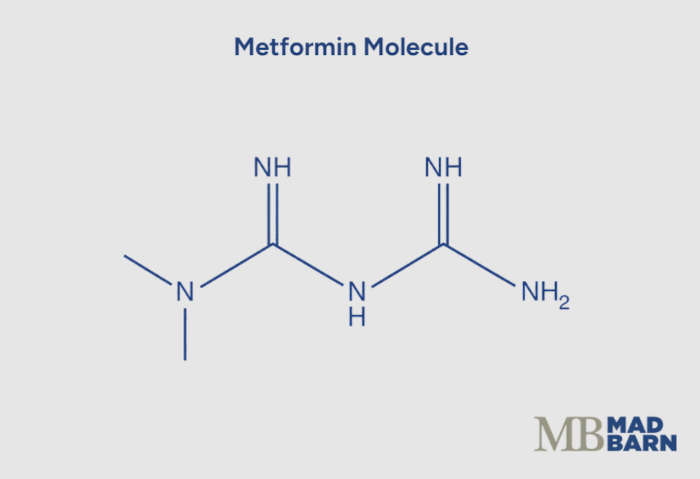
Metformin is an oral medication that veterinarians sometimes use in horses with insulin dysregulation associated with equine metabolic syndrome (EMS).
It is approved for human use but is used off-label in horses as part of a broader management plan. No veterinary-labeled metformin products are available for horses, so all equine use is extra-label and must be directed by a veterinarian. [1]
Metformin hydrochloride is widely used in human medicine to treat type 2 diabetes. In horses, it has been studied for its effects on glucose and insulin responses. Veterinarians may consider metformin when diet and management changes do not adequately control hyperinsulinemia or when active laminitis limits exercise.
Read on to learn more about metformin use in horses, including potential benefits, side effects, and administration.
Metformin for Horses
Metformin is a prescription oral antihyperglycemic medication that is considered as part of a broader management plan in cases of equine metabolic syndrome (EMS).
EMS is associated with obesity or regional adiposity, insulin dysregulation, and an increased risk of laminitis. Affected horses are often easy keepers and may develop abnormal fat deposits, including a cresty neck or fat near the tailhead. Calorie restriction, reduced starch and sugar intake, exercise when safe, and controlled pasture access remain the foundation of treatment. [2]
No veterinary-labeled metformin products are available for horses, so metformin is prescribed extra-label or off-label for equine use. This means a veterinarian prescribes an approved drug for a use not specified on its label, such as for a different species or condition. Extra-label prescribing is permitted in veterinary medicine when used in accordance with applicable regulations. [1]
Metformin is believed to help reduce blood glucose and insulin responses after a meal. In people, it works partly by reducing glucose production by the liver and improving the body’s response to insulin. In horses, very little orally administered metformin reaches the bloodstream, so some of its effects may occur within the intestinal tract by reducing glucose absorption or changing signals that affect insulin release.
These effects may help limit the excessive insulin response seen in horses with insulin dysregulation. However, the exact mechanism and clinical effectiveness of metformin in horses are still being studied.
Metformin use in horses remains controversial because the evidence is mixed. Some studies report improved insulin-related measurements or reduced glucose and insulin responses after carbohydrate intake, while others show little measurable improvement in insulin sensitivity in horses with confirmed insulin resistance. [3][4][5][6][7][8]
Veterinarians generally consider metformin an adjunctive therapy for equine metabolic syndrome and insulin dysregulation. It is not a cure for EMS and does not replace dietary restriction, weight management, or careful laminitis prevention. [2][3]
Available Forms
There are no metformin products approved specifically for horses. Veterinarians prescribe human-labeled formulations in an extra-label manner. [1]
Common human brand names for metformin include:
- Glucophage®
- Glumetza®
- Fortamet®
- Riomet®
Available human dosage forms include:
- Oral tablets
- Extended-release tablets
- Oral solution
Compounded formulations may also be used based on product availability and the prescribing veterinarian’s discretion.
If your veterinarian prescribes metformin for your horse, ask which formulation to use and how it should be administered, as different products may not be interchangeable.
What's your top priority with your horse's health?

What's your top priority with your horse's health?
Drug Class: Biguanide Antihyperglycemic Medications
Metformin belongs to the biguanide class of antihyperglycemic drugs. Biguanides lower blood glucose without directly increasing insulin secretion. [1]
Other antihyperglycemic drugs used in other species include sulfonylureas, such as glipizide, which stimulate pancreatic beta cells to release insulin. They are not appropriate substitutes for metformin in horses with EMS because excessive insulin secretion is a key concern for equine patients. [3]
Mechanism of Action
Normal glucose regulation depends on coordinated activity across multiple systems, including: [9]
- Gastrointestinal tract
- Pancreas
- Liver
- Skeletal muscle
- Adipose (fat) tissue
After a horse consumes digestible carbohydrates, glucose is absorbed from the intestine into the bloodstream. Rising blood glucose stimulates pancreatic beta cells to release insulin. [9]
Insulin binds to receptors on target tissues and activates signaling pathways that move glucose transporter 4 (GLUT4) proteins to the cell surface. This process allows glucose to enter insulin-sensitive tissues, particularly skeletal muscle and adipose tissue. The liver also responds to insulin by regulating glucose storage and production. [2][9]
Insulin resistance occurs when normal insulin concentrations do not produce the expected tissue response. Changes may occur at the insulin receptor, in post-receptor signaling pathways, or both.
With compensated insulin resistance, the pancreas produces more insulin to maintain normal blood glucose, resulting in hyperinsulinemia (elevated insulin) even when hyperglycemia (elevated blood sugar) is not obvious. [9]
In human medicine, metformin is used to reduce glucose production in the liver and to improve peripheral insulin sensitivity. In horses, metformin has very low bioavailability, so strong systemic effects are less likely. [7][8]
Current equine evidence suggests that metformin’s most relevant action may occur within the gastrointestinal tract. Rather than consistently improving whole-body insulin sensitivity, it may reduce intestinal glucose absorption and lower the glucose-stimulated insulin response after a carbohydrate-rich meal. [3][5]
This potential effect is important because hyperinsulinemia, rather than hyperglycemia alone, is a major concern in horses with EMS and endocrinopathic laminitis. Sustained or exaggerated insulin responses are associated with increased laminitis risk, making post-meal insulin control an important therapeutic goal. [3][6][9]
Uses in Horses
Metformin is used off-label for horses as part of a comprehensive management plan for insulin dysregulation associated with EMS. [1][3]
Extra-label use means a veterinarian prescribes a medication for a species, dose, route, or condition not included on the manufacturer’s approved label. This practice is common in equine medicine, but treatment decisions depend on veterinary judgment, available evidence, and patient-specific monitoring.
Equine Metabolic Syndrome
EMS is associated with obesity or regional adiposity, insulin dysregulation, and increased risk of laminitis. Many affected horses are easy keepers and may have abnormal fat deposits even when their overall body condition is not extreme. [2]
The management of EMS focuses on: [2]
- Reducing calorie intake
- Lowering dietary starch and sugar
- Increasing exercise when laminitis status permits
- Restricting pasture access
Medical therapy may be considered when these changes are insufficient or exercise is limited by laminitis. [3]
Even in cases where metformin or other medications are recommended, a controlled diet and weight-management program remain essential to reducing laminitis risk.
Feeding and management strategies must be individualized horse. A qualified equine nutritionist can help create a customized feeding plan for horses with confirmed EMS.
Insulin Dysregulation
Studies of metformin in insulin-resistant and insulin-dysregulated horses have produced variable results across doses and testing conditions.
In horses and ponies with recurrent laminitis and insulin resistance, metformin administration was associated with improved proxy measurements of insulin sensitivity, particularly at early reassessment. [4] In healthy horses and horses with experimentally-induced insulin resistance, dosing metformin before oral dextrose (sugar) reduced glycemic and insulinemic responses. [5]
These results suggest metformin may blunt insulin responses to dietary carbohydrate intakes in some circumstances.
In a more recent study, a single metformin dose given before oral sugar testing did not significantly reduce glucose, insulin, or C-peptide responses in horses with naturally occurring insulin dysregulation. [6] In addition, another investigation found that a longer course of metformin did not significantly improve markers of insulin resistance in ponies. [7]
Taken together, the findings support metformin as a possible adjunct in selected cases, but its effects are not consistent across horses or testing conditions.
Endocrinopathic Laminitis
Endocrinopathic laminitis is associated with endocrine disorders such as EMS and pituitary pars intermedia dysfunction. Insulin dysregulation appears to be a central factor linking these disorders to laminitis risk. [6][9]
Metformin is not a direct treatment for laminar pain or structural hoof damage. A veterinarian may consider it as part of a broader plan to reduce excessive insulin responses and lower the risk of future laminitic episodes. [1][3]
Administration Routes
Metformin is administered orally in horses. [1] The prescribed formulation should be given according to the veterinarian’s instructions.
Because metformin is used off-label in horses, no standardized dosing protocol has been established. Published studies have commonly used dosing intervals of every 8 to 12 hours, with administration 30 to 60 minutes before feeding. [1][4][7]
Storage
Oral metformin products should be stored at controlled room temperature and protected from light. [1]
Keep the medication in its original prescription container or another veterinarian-approved container. Store compounded formulations according to the pharmacist’s instructions.
Safety Warnings & Precautions
Metformin should be used only under veterinary supervision. Horses prescribed this medication usually have an underlying metabolic disorder and may already be at increased risk of laminitis.
Metformin is not a substitute for appropriate EMS management. Treatment still focuses on controlling the diet and reducing excess body weight when needed. Exercise can be added when it is safe, and horses should be monitored for signs of laminitis. [2][3]
Oral absorption of metformin is low in horses. In one pharmacokinetic study, bioavailability was approximately 7.1% in fasted horses and 3.9% in fed horses. This low absorption may partially explain why metformin has not consistently improved insulin sensitivity in horses. [8]
Metformin should be used with caution in horses with kidney disease, dehydration, severe systemic illness, or medications that may affect kidney function or acid-base balance. [1][4]
Monitoring
Monitoring during metformin treatment helps the veterinarian assess treatment response, medication tolerance, and overall metabolic control. [1]
Monitoring for horses on metformin may include: [2][9]
- Body weight and body condition score
- Cresty neck score or other regional fat deposits
- Basal insulin concentration
- Dynamic insulin testing when recommended
- Blood glucose concentration
- Signs of laminitis, including digital pulses, hoof heat, and lameness
- Appetite and manure quality
- Kidney parameters when indicated
Metformin does not directly stimulate pancreatic beta cells to release insulin. As such, hypoglycemia (low blood sugar) is not expected when metformin is used alone at therapeutic doses, although monitoring remains important in horses with complex endocrine disease or concurrent medications. [1][8]
Contraindications
Contraindications refer to circumstances in which a drug should be avoided or used with caution.
Metformin should not be used in horses with a known hypersensitivity to the drug. It should be avoided or used cautiously in horses with the following: [1]
- Significant renal dysfunction
- Metabolic acidosis
- Severe systemic illness
- Conditions associated with poor tissue oxygenation
- A history of poor tolerance to metformin
Renal function is particularly important because metformin is eliminated primarily through the kidneys. Impaired kidney function can reduce metformin clearance, increasing the risk of drug accumulation and adverse effects. [1][4]
Side Effects
Metformin generally has a favorable safety profile in horses, but side effects can occur.
Possible side effects include: [1]
- Lethargy
- Decreased appetite
- Diarrhea or loose manure
- Weight loss
While equine data on metformin use are limited, early evidence suggests oral administration is well-tolerated. Side effects appear to be more likely with intravenous administration in horses. [8]
Because metformin does not directly stimulate insulin secretion, hypoglycemia (low blood sugar) is not expected when the medication is used alone. [1]
Acute Toxicity (Overdose)
Published information on acute metformin overdose in horses is limited.
In small animals and humans, overdose is most often associated with gastrointestinal signs and lethargy. Severe lactic acidosis is rare but serious. This complication of overdose is more likely when the drug accumulates, particularly in patients with impaired renal function. [1][4]
Contact a veterinarian promptly if a horse receives too much metformin or develops any of the following:
- Marked lethargy
- Severe or persistent diarrhea
- Loss of appetite
- Weakness
- Colic signs
- A sudden decline in attitude or condition
Treatment for signs of overdose is supportive and may include:
- Discontinuing the medication
- Assessing hydration and kidney function
- Correcting acid-base or electrolyte abnormalities
- Addressing concurrent illness

Drug Interactions
Several potential drug interactions with metformin have been reported. Some are documented in humans or small animals, while others remain theoretical in veterinary patients.
Potentially relevant interactions for horses include the following: [1]
- Carbonic anhydrase inhibitors, which may increase the risk of lactic acidosis
- Cimetidine, which may increase metformin plasma levels
- Corticosteroids, which may reduce metformin efficacy
- Thiazide diuretics, which may reduce hypoglycemic efficacy
- Fluoroquinolones, which may affect glucose regulation
- Furosemide, which may alter metformin exposure
- Iodinated contrast agents, which may increase risk if renal function is impaired
- Sympathomimetic agents, which may reduce hypoglycemic efficacy
Nonsteroidal anti-inflammatory drugs are commonly used in horses with laminitis. Although equine-specific interaction data are limited, concurrent use could increase lactic acidosis risk in some horses, particularly when renal function or hydration is compromised. [4]
Regulatory Status & Legal Considerations
There are no veterinary-labeled metformin products approved for horses. [1] Veterinarians use human-labeled formulations under extra-label prescribing, meaning the drug is given to a species or for an indication not included on the manufacturer’s approved label.
Extra-label drug use is common in equine medicine but should occur only under the direction of a licensed veterinarian and in accordance with applicable regulations.
Status in Competition
Medication rules vary among equestrian governing organizations. Metformin is not specifically listed in the current FEI Equine Prohibited Substances List, and no official FEI detection time has been published for it. [10][11]
While metformin is used to manage underlying endocrine disease rather than enhance performance, treatment decisions should prioritize the horse’s health and welfare. Owners and trainers intending to compete a horse receiving metformin should consult their veterinarian and the relevant competition authority before an event to determine an appropriate medication plan and withdrawal strategy.
Frequently Asked Questions
Here are some frequently asked questions about metformin for horses:
Metformin is considered for off-label use in horses to help manage insulin dysregulation associated with equine metabolic syndrome (EMS). Veterinarians may consider it when diet and other management changes do not adequately control hyperinsulinemia or when laminitis limits exercise. It is an adjunct to a comprehensive management plan, not a cure for EMS. [1][3]
Metformin may help some horses with equine metabolic syndrome by reducing glucose and insulin responses after carbohydrate intake. However, research results are mixed, and studies have not consistently shown improvements in insulin sensitivity or post-meal insulin concentrations. Veterinarians evaluate effectiveness within the broader context of the horse's lifestyle and management conditions. [4][5][6][7] Metformin is not a substitute for veterinary care or dietary management of equine metabolic syndrome and related metabolic concerns.
Horses with insulin dysregulation may be candidates for metformin when appropriate management changes have not produced adequate metabolic control. It may also be considered when active laminitis prevents a horse from exercising safely. The decision depends on the horse's diagnosis, diet, laminitis status, concurrent health conditions, and response to previous management. [2][3]
Metformin has low oral bioavailability in horses. Its effects on equine insulin sensitivity may be related to effects on glucose absorption within the gastrointestinal tract. This action may limit the glucose-stimulated insulin response after a carbohydrate-rich meal. [3][5][8] More research is necessary to fully characterize the pharmacodynamics of metformin in horses.
Metformin cannot guarantee that a horse will avoid laminitis, but it may be included in a broader strategy to control excessive insulin responses. Hyperinsulinemia is associated with an increased risk of endocrinopathic laminitis in horses with EMS and other endocrine disorders. Metformin does not treat existing hoof pain or structural laminar damage, so affected horses still require appropriate veterinary and hoof care. [3][6][9]
Metformin does not directly treat an active episode of laminitis or relieve laminar pain. Its potential role is to help address the underlying insulin dysregulation that can contribute to endocrinopathic laminitis. A horse showing lameness, increased digital pulses, hoof heat, or reluctance to move needs prompt veterinary assessment and a broader treatment plan.
Metformin cannot replace diet and exercise in the management of equine metabolic syndrome. Calorie control, reduced dietary starch and sugar, restricted pasture access, weight management, and exercise when safe remain the foundation of treatment. Medication may be added when those measures are insufficient or when laminitis temporarily limits physical activity.
Metformin is not approved specifically for use in horses, and there are no veterinary-labeled equine metformin products. Veterinarians prescribe human-labeled formulations on an extra-label basis when they determine that treatment is appropriate. Extra-label use should occur only under the direction of a licensed veterinarian and in accordance with applicable regulations. [1]
Metformin is given to horses orally using a veterinarian-prescribed formulation. Published guidance commonly describes administering it before feeding, but the exact timing, dose, and frequency depend on the individual horse and treatment plan. Owners should follow the prescription label and should not alter treatment without consulting their veterinarian.
Metformin is sometimes given before feeding because its most relevant action in horses may occur within the gastrointestinal tract. Administering it before a meal may help reduce intestinal glucose absorption and the subsequent insulin response to dietary carbohydrate. The prescribing veterinarian should determine the appropriate timing for each horse. [1][3][5]
Potential side effects of metformin in horses include decreased appetite, lethargy, diarrhea or loose manure, and weight loss. Available equine research suggests that oral metformin is often tolerated without obvious adverse effects, but individual reactions can occur. Contact a veterinarian if signs are severe, persistent, or accompanied by weakness, colic, or a sudden decline in the horse's condition. [1][8]
Metformin is not expected to cause low blood sugar when used alone at therapeutic doses. Unlike some other antihyperglycemic medications, it does not directly stimulate pancreatic beta cells to release insulin. Monitoring is still important in horses with complex endocrine disease or those receiving other medications. [1][8]
Metformin may be unsuitable for horses with a known hypersensitivity to the drug, significant renal dysfunction, metabolic acidosis, severe systemic illness, or conditions that impair tissue oxygenation. Extra caution is also warranted in dehydrated horses and those that have previously tolerated the medication poorly. A veterinarian should review kidney function, concurrent disease, and other medications before prescribing it. [1][4]
Horses taking metformin should be monitored for treatment response, medication tolerance, and overall metabolic control. Monitoring may include body weight, body condition, regional fat deposits, insulin and glucose measurements, appetite, manure quality, and signs of laminitis. Kidney parameters may also be assessed when clinically indicated, particularly in horses with concurrent illness or medications that could affect renal function. [1][2][9]
Metformin may interact with medications that affect kidney function, acid-base balance, glucose regulation, or its clearance from the body. Potentially relevant drugs include corticosteroids, diuretics, cimetidine, carbonic anhydrase inhibitors, fluoroquinolones, sympathomimetics, iodinated contrast agents, and some nonsteroidal anti-inflammatory drugs. Owners should provide their veterinarian with a complete list of medications, supplements, and nutraceutical products before treatment begins. [1][4]
If a horse receives too much metformin, contact a veterinarian promptly even if no signs are immediately apparent. Concerning signs can include marked lethargy, persistent diarrhea, loss of appetite, weakness, colic, or a sudden decline in condition. Treatment is supportive and may involve stopping the medication, evaluating hydration and kidney function, and correcting acid-base or electrolyte abnormalities.
Whether a horse can compete while taking metformin depends on the rules of the relevant governing organization. Metformin is not specifically listed on the current FEI Equine Prohibited Substances List, but no official FEI detection time has been published, and this does not confirm competition eligibility. Owners and trainers should consult their veterinarian and the applicable authority well before an event to establish an appropriate medication and withdrawal plan. [10][11]
Metformin for horses should be stored at controlled room temperature and protected from light. Tablets and other commercial products should remain in their original prescription container or another container approved by the veterinarian. Compounded formulations should be stored according to the dispensing pharmacist's instructions. [1]
Summary
Metformin is an oral antihyperglycemic medication used off-label as part of a comprehensive management plan for insulin dysregulation associated with EMS. Evidence for its effectiveness is mixed, but the drug may reduce post-meal insulin responses in some horses when combined with appropriate dietary and management changes.
- Metformin is used extra-label to help manage insulin dysregulation associated with EMS
- It may reduce excessive insulin responses associated with endocrinopathic laminitis risk
- Research findings are inconsistent, and not all horses respond to metformin
- The medication is given orally and should be used only under veterinary supervision
- Potential side effects are usually gastrointestinal; use requires caution in horses with significant systemic or renal disease
References
- Budde. J. A. and McCluskey. D. M. Plumb's Veterinary Drug Handbook, 10th Edition. Wiley-Blackwell. 2023.
- Frank. N. Equine Metabolic Syndrome. Journal of Equine Veterinary Science. 2009.
- Cole. C. et al. Eds. Equine Pharmacology. Wiley-Blackwell. 2015.
- Durham. A. E. et al. The Effect of Metformin on Measurements of Insulin Sensitivity and β Cell Response in 18 Horses and Ponies with Insulin Resistance. Equine Veterinary Journal. 2008.
- Rendle. D. I. et al. Effects of Metformin Hydrochloride on Blood Glucose and Insulin Responses to Oral Dextrose in Horses. Equine Veterinary Journal. 2013.
- Colmer. S. F. et al. The Effect of Pre-dosing with Metformin on the Insulin Response to Oral Sugar in Insulin-dysregulated Horses. Equine Veterinary Journal. 2024.
- Tinworth. K. D. et al. The Effect of Oral Metformin on Insulin Sensitivity in Insulin-resistant Ponies. The Veterinary Journal. 2012.
- Hustace. J. L. et al. Pharmacokinetics and Bioavailability of Metformin in Horses. American Journal of Veterinary Research. 2009.
- Reed. S. M. et al. Equine Internal Medicine, 3rd Edition. Saunders Elsevier. 2010.
- 2026 Equine Prohibited Substances List. Federation Equestre Internationale. 2026.
- FEI List of Detection Times. Federation Equestre Internationale. 2024.