English
Winter diarrhea in horses is a common concern, as seasonal changes in feeding, management, and daily routines can affect a horse’s digestive health during the colder months. Although diarrhea can occur at any time of year, it may become more noticeable in winter as horses spend more time stabled, consume more conserved forage, and experience changes in water intake or turnout.
Diarrhea is a symptom of an underlying problem, not a diagnosis. Some horses may also develop free fecal water syndrome during winter, a separate condition that can resemble diarrhea but has different characteristics and management considerations.
Identifying the cause is important because treatment depends on why the diarrhea has developed. While some cases improve with appropriate management and supportive care, persistent, severe, or sudden diarrhea warrants veterinary investigation to help prevent dehydration, identify infectious disease, and address potentially serious intestinal disorders.
Keep reading to learn what winter diarrhea is, how it differs from free fecal water syndrome, common causes, and when to seek veterinary care.
Winter Diarrhea in Horses
Winter diarrhea refers to diarrhea that develops or becomes more noticeable during the colder months. [1][2] Although diarrhea can occur at any time of year, winter management changes may increase the likelihood of gastrointestinal disturbances or make existing problems more apparent. [1][2]
Diarrhea occurs when excess water remains in the intestinal contents, resulting in loose or watery manure. [1][2] This may develop when disease, inflammation, infection, toxins, or disruption of normal intestinal function interferes with the large intestine’s ability to absorb water and electrolytes. [1][3][4]
Winter itself does not cause diarrhea. [1][2] However, seasonal changes such as reduced pasture access, greater reliance on conserved forage, changes in water intake, increased time spent stabled, and alterations to feeding or management may contribute to gastrointestinal disturbances in some horses. [1]
Determining the underlying cause of diarrhea is important all year long. Diarrhea may result from relatively mild dietary disturbances or from potentially serious conditions requiring prompt veterinary treatment. [1][2][3]
What's your top priority with your horse's health?

What's your top priority with your horse's health?
Diarrhea vs. Free Fecal Water Syndrome
Diarrhea and free fecal water syndrome are different conditions, although both may result in watery material around a horse’s tail and hindquarters. Distinguishing between them is an important part of identifying the underlying cause. [1][2][5]
Table 1. Diarrhea vs. free fecal water syndrome in horses
| Feature | Diarrhea | Free fecal water syndrome |
|---|---|---|
| Manure appearance |
|
|
| How liquid appears |
|
|
| Underlying concern |
|
|
| Overall health |
|
|
| Winter relevance |
|
|
| When to seek veterinary advice |
|
|
With diarrhea, the manure itself becomes loose, soft, or watery because excess fluid remains within the intestinal contents. [1][2] Depending on the severity, manure may range from poorly formed feces to entirely liquid stool. [1][6]
In contrast, horses with free fecal water syndrome typically pass normally formed fecal balls along with separate liquid fecal water. [5] The liquid may pass before, during, or after defecation and often soils the tail, hindlegs, and surrounding skin while the manure itself remains largely normal. [5]
Horses with free fecal water syndrome are often otherwise healthy and continue to pass normally formed manure despite the presence of liquid fecal water. [5] In contrast, true diarrhea is more likely to reflect an underlying intestinal disorder and may occur alongside other symptoms, depending on the cause. [1][2][5]
The exact cause of free fecal water syndrome remains unclear. The condition has been associated with dietary and management factors, and some horses show improvement after changes in forage or feeding practices, although no single explanation accounts for every case. [5]
Some horses with free fecal water syndrome appear to develop more severe symptoms when fed predominantly hay-based diets. Changes in forage type or feeding practices may reduce fecal water in some cases. Since horses are often predominantly fed conserved forage during winter, free fecal water syndrome may become more noticeable at this time of year. [5]
Although free fecal water syndrome is generally considered distinct from true diarrhea, both conditions warrant investigation if they persist or are accompanied by other symptoms. [1][2][5]
Common Causes of Winter Diarrhea
Winter diarrhea has many possible causes, and several factors may contribute at the same time. [1][2] Although changes in feeding and management may contribute to loose manure during colder weather, persistent or severe diarrhea can also indicate infectious disease, parasitic infection, medication-associated intestinal disruption, or another form of enterocolitis. [1][3][4]
In many cases, the specific cause cannot be identified from clinical signs alone, making veterinary examination and diagnostic testing important.
Dietary & Management Changes
Winter often brings changes in how horses are housed and fed. Reduced pasture access, increased reliance on stored forage, changes between hay lots, and adjustments to concentrate intake or feeding schedules may alter normal digestive function. [1]
Sudden dietary changes are more likely to disrupt hindgut fermentation than gradual transitions. Introducing new hay, concentrates, or other feeds slowly gives the intestinal microbial population time to adapt. [1] Mad Barn’s Diet Transition Calculator is a useful tool owners can use to plan their horse’s transition to winter feed.
Reduced water intake during cold weather may also affect gastrointestinal health, particularly if horses are reluctant to drink cold water. [1] Maintaining a consistent forage-based diet and supporting adequate water intake can help reduce avoidable digestive disruption during winter management changes.
Infectious Diseases
Several bacterial and viral infections can cause winter diarrhea in horses. Important examples are: [2][3][4][7][8][9]
- Salmonella
- Clostridioides difficile
- Certain strains of Clostridium perfringens
- Equine coronavirus
- Lawsonia intracellularis, which causes equine proliferative enteropathy in young horses
Affected horses may show a range of symptoms, including: [3][4][7]
- Fever
- Reduced appetite
- Lethargy
- Colic
- Soft or watery manure
Symptoms vary depending on the disease, and diarrhea may not occur in every horse with equine coronavirus or proliferative enteropathy. [3][4]
Some infections spread when horses come into contact with contaminated material, such as: [3][4][7][8]
Even horses that appear healthy may sometimes shed infectious organisms, allowing disease to spread within a barn. When infectious diarrhea is suspected, important biosecurity measures include:
- Promptly isolating the affected horse
- Handling and disposing of manure carefully
- Using dedicated equipment for sick horses
- Cleaning hands, footwear, tools, and contaminated surfaces after interacting with the quarantined horse
Because these diseases can cause similar symptoms, veterinarians may consider several factors when identifying the cause, including fecal test results, bloodwork findings, and the horse’s age and medical history. [2][4][9]
Some organisms can also be found in horses without causing disease, so veterinarians interpret test results alongside the horse’s symptoms and overall condition. [2][4][9]
Parasites
Small strongyles are common intestinal parasites in horses. Their immature larvae can remain hidden within the wall of the large intestine for months before emerging, sometimes in large numbers.
When this happens, it can cause a serious condition called larval cyathostominosis, which is most often seen during late winter or early spring in temperate climates. [1][3]
As the larvae leave the intestinal wall, they can cause inflammation and tissue damage. Signs may include: [1][3]
- Sudden diarrhea
- Colic
- Fever
- Reduced appetite
- Weight loss
- Swelling beneath the abdomen or in the lower limbs
Younger horses are affected most often, although horses of any age can develop the condition. In severe cases, the horse’s health may decline quickly. [1][3]
Routine fecal egg counts may not detect the problem because immature larvae do not yet produce eggs. Veterinarians may consider the horse’s symptoms, age, parasite-control history, bloodwork, and other findings when investigating parasite-related diarrhea.
Medications
Some medications can disrupt the normal balance of microorganisms in a horse’s digestive tract and contribute to diarrhea. Antibiotics are the primary concern because they can reduce beneficial intestinal bacteria and allow harmful organisms to multiply or produce toxins. [1][2][3][4]
Medication-associated diarrhea may develop while a horse is receiving treatment or shortly after the medication is stopped. However, diarrhea that occurs during treatment is not always caused by the medication, so veterinarians also consider infectious disease and other gastrointestinal disorders. [2][4][9]
Toxins
Exposure to certain toxins or contaminated feed can also irritate or damage the intestinal tract. Possible sources include spoiled feed, poor-quality forage, and moldy hay. [1][3]
Feed quality should be investigated when diarrhea begins after:
- Opening a new batch of hay or concentrate
- Changing feed suppliers or forage sources
- Feeding forage that smells musty or appears discolored
- Changes in feed storage or handling practices
Other horses that consumed the same feed should also be monitored for digestive symptoms. Suspected feed should be removed until a veterinarian or qualified feed professional can assess the situation.
Other Gastrointestinal Disorders
Diarrhea can also develop when inflammation or disease affects the intestines without a specific infection, parasite, medication, or toxin being identified. Veterinarians may describe these cases as undifferentiated or idiopathic enterocolitis, meaning inflammation of the small intestine, large intestine, or both with no confirmed underlying cause. [1][2][6]
Severe intestinal inflammation can prevent the horse from absorbing water and nutrients normally. Large amounts of fluid, electrolytes, and protein may then be lost through the manure, potentially leading to dehydration, weakness, poor circulation, and swelling caused by low blood protein levels. [1][2][6][10]
Because many gastrointestinal disorders produce similar symptoms, veterinarians may use several findings to assess the horse’s condition, including: [1][2][6][10]
- The duration and severity of the diarrhea
- Hydration and heart rate
- Blood cell, electrolyte, and protein levels
- Recent dietary changes, medications, travel, or exposure to other horses
- Fecal testing and other diagnostic results
The exact cause is not identified in every case, but veterinary assessment can still determine how seriously the horse is affected and guide supportive care. Identifying the underlying disorder whenever possible is important, as treatment needs and prognosis vary considerably between conditions. [1][2][10]
Associated Symptoms
The symptoms accompanying winter diarrhea vary depending on the underlying cause. [1][2] Some horses remain bright with only mild changes in manure consistency, while others become seriously ill. [1][6][10]
Other symptoms may include: [1][2][3][4][6][7][10]
- Reduced appetite
- Reduced water intake or increased thirst
- Dehydration
- Lethargy
- Fever
- Weight loss
- Abdominal discomfort or colic
- Reduced manure production
- Changes in heart rate or respiratory rate
Persistent diarrhea may lead to dehydration, electrolyte imbalances, and protein loss, particularly when large volumes of fluid are lost or diarrhea continues for multiple days. [1][2][10] These complications combined with ongoing or severe diarrhea make prompt veterinary assessment crucial.
When to Call the Veterinarian
Veterinary evaluation is important when winter diarrhea is persistent, severe, sudden, or accompanied by other signs of illness. [1][2][3] Diarrhea can reflect a mild digestive disturbance, but it may also indicate dehydration, infectious disease, intestinal inflammation, toxin exposure, or another condition that requires treatment. [1][3][4]
Call a veterinarian if a horse develops:
- Watery or profuse diarrhea
- Diarrhea that persists, worsens, or returns repeatedly
- Fever, lethargy, or reduced appetite
- Signs of dehydration, such as reduced water intake or abnormal hydration status
- Abdominal discomfort, colic, or reduced manure production
- Weight loss, poor body condition, or protein loss
- Diarrhea after medication use, diet changes, travel, or exposure to other sick horses
A veterinarian can assess hydration, determine whether infectious testing or fecal evaluation is needed, and recommend appropriate supportive care. Prompt veterinary input is especially important when multiple horses are affected or when diarrhea occurs with fever, colic, dehydration, or marked changes in attitude. [1][2][3][8][10]
Diagnosis & Treatment
Diagnosis begins with the horse’s history, including the duration and severity of the diarrhea, recent dietary or management changes, medication use, travel history, and contact with other horses. An assessment of hydration, intestinal function, and signs of underlying disease may also be necessary. [1][2][3]
Diagnostic tests may include: [1][2][3][4][6][7][8][9][10]
- Blood tests
- Fecal examinations
- Fecal culture or molecular testing for infectious diseases
- Ultrasound
- Endoscopy
Prompt veterinary attention is especially important when diarrhea is severe, persistent, recurrent, or accompanied by fever, depression, reduced appetite, colic signs, or dehydration.

Treatment
Treatment depends on the diagnosis and the horse’s overall condition. Horses with mild manure changes may need monitoring and careful diet review, while horses with significant fluid loss, dehydration, fever, or systemic illness may require more intensive veterinary care. [1][2][3]
Addressing winter diarrhea may include: [1][2][3][4][6][7][8][9][10]
- Fluid therapy
- Electrolyte replacement
- Dietary management
- Antimicrobial medications
- Anti-inflammatory medications
- Supportive care
- Biosecurity measures for infectious diseases
Supportive care may focus on maintaining hydration, replacing electrolyte losses, protecting intestinal function, and managing complications while the underlying cause is being addressed. If an infectious cause is suspected, isolation, hygiene, and other biosecurity measures may be needed to reduce the risk of spread to other horses.
Managing Winter Diarrhea in Horses
Horses with diarrhea require careful monitoring, particularly during winter when dehydration and underlying illness may be less obvious. [1][2] Persistent diarrhea, severe diarrhea, or diarrhea accompanied by other symptoms warrants prompt veterinary attention. [1][3]
Practical steps include: [1][2][3]
- Monitoring manure consistency and frequency
- Monitoring water intake and hydration
- Providing constant access to fresh, clean water
- Maintaining good stable hygiene and removing contaminated bedding
- Avoiding unnecessary dietary changes
- Isolating affected horses when an infectious cause is suspected
- Recording any additional symptoms that develop
Owners should avoid assuming winter diarrhea will resolve without identifying the underlying cause. Early investigation may improve treatment outcomes, particularly when infectious disease or significant dehydration is present. [1][2][3][10]
Feeding Horses with Winter Diarrhea
Feeding management is an important part of supporting horses with winter diarrhea, especially when changes in forage, water intake, turnout, or routine may be contributing to digestive upset. However, dietary changes should be made carefully and in consultation with a veterinarian, particularly if diarrhea is persistent, severe, sudden, or accompanied by other symptoms.
Once serious underlying causes have been investigated, a qualified equine nutritionist can help review the horse’s feeding program and identify changes that may support digestive function. This may include assessing forage quality, reducing unnecessary starch or concentrate intake, making feed transitions gradually, and ensuring the diet provides adequate fiber, protein, vitamins and minerals.
Because diarrhea can increase sodium and chloride losses, horses may also need additional salt as part of their feeding plan. Plain white salt can be top-dressed on feed to support baseline sodium intake and encourage drinking, but the amount should be adjusted to the horse’s body weight, diet, sweat losses, and the severity of the diarrhea. Introduce salt gradually if the horse is not accustomed to it, and always provide unrestricted access to fresh, clean water.
Horses with diarrhea may lose large amounts of fluid and electrolytes through manure. Fresh, clean water should be available at all times, and horses should be encouraged to drink during cold weather. If electrolyte supplementation is required as part of a broader diarrhea recovery plan, Mad Barn’s Performance XL: Electrolytes provides a balanced electrolyte formula that can be mixed in water or top-dressed on feed to support hydration and electrolyte intake.

Supporting a stable hindgut environment may also be helpful for horses prone to digestive disturbances during winter feeding changes. Mad Barn’s Optimum Digestive Health is an all-in-one pelleted gut supplement formulated with probiotics, prebiotics, yeast, enzymes, and toxin binders to support normal digestive function, maintain the hindgut microbiome, and support immune function.
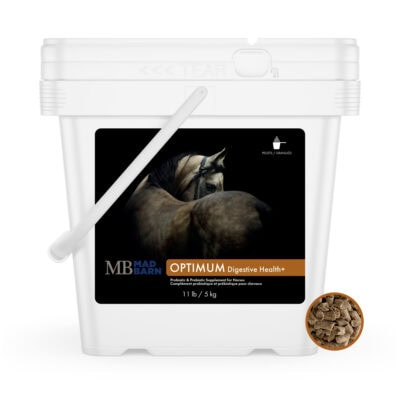
For individualized guidance, submit your horse’s diet online for a free review by Mad Barn’s equine nutritionists. A nutritionist can help determine whether changes to forage, concentrates, salt, electrolytes, or gut-support supplements are appropriate for your horse’s overall feeding program.
Prevention
Not all cases of winter diarrhea can be prevented, but good management can reduce the risk of many underlying causes. [1][3] Prevention focuses on consistency, forage quality, hydration, and early recognition of abnormal manure or changes in general health.
Other preventive measures include: [1][3]
- Maintaining consistent feeding practices
- Introducing dietary changes gradually
- Following an appropriate parasite control program
- Practicing good biosecurity
- Maintaining routine veterinary care
- Monitoring changes in manure consistency and general health
For horses managed primarily on hay during winter, reviewing winter feeding practices and water access may help reduce avoidable digestive stress. Promptly investigating persistent diarrhea or changes in manure consistency may also help identify underlying disease before more serious complications develop. [1][2][3]
Frequently Asked Questions
Here are some frequently asked questions about winter diarrhea in horses:
A horse may have diarrhea in winter because seasonal feeding and management changes can disrupt normal intestinal function. Common contributors include reduced pasture access, increased hay intake, sudden feed changes, reduced water intake, more time spent stabled, parasites, medications, toxins, infections, or other gastrointestinal disorders. Winter itself does not cause diarrhea, but colder-weather routines can make digestive problems more likely or more noticeable. Because diarrhea is a symptom rather than a diagnosis, the underlying cause should be identified.
Hay can contribute to diarrhea in horses if it is poor quality, spoiled, moldy, suddenly introduced, or substantially different from the horse's usual forage. A sudden increase in conserved forage may affect the intestinal environment, especially if the horse's digestive tract has not had time to adapt. Some horses also develop free fecal water when eating mostly hay, although free fecal water syndrome is different from true diarrhea. Any forage change should be made gradually whenever possible.
The difference between diarrhea and free fecal water syndrome is that diarrhea changes the manure itself, while free fecal water syndrome involves liquid passed separately from formed manure. With diarrhea, manure becomes loose, soft, watery, or fully liquid because excess water remains in the intestinal contents. With free fecal water syndrome, the horse may pass normal fecal balls along with separate liquid that soils the tail, hindlegs, and surrounding skin. Both conditions should be investigated if they persist or occur with other signs of illness.
Winter diarrhea in horses can be serious, especially when it is severe, sudden, persistent, or accompanied by other signs of illness. Diarrhea can lead to dehydration, electrolyte imbalances, and protein loss when fluid loss is significant or continues for several days. Fever, lethargy, reduced appetite, colic, weight loss, reduced manure production, or changes in heart rate can indicate a more significant problem. Prompt veterinary attention is important when these signs are present.
Infections that can cause winter diarrhea in horses include Salmonella, Clostridioides difficile, Clostridium perfringens, and equine coronavirus. These bacterial and viral diseases can interfere with intestinal function and may cause loose manure, fever, reduced appetite, lethargy, colic, or dehydration. Some infectious causes can spread between horses, especially in shared barns or facilities. Good hygiene, isolation of affected horses, and veterinary diagnosis are important when infection is suspected.
Parasites can cause diarrhea in horses during winter, although parasite-related diarrhea is less common in well-managed horses on appropriate parasite control programs. Heavy parasite burdens or parasite-associated intestinal damage may lead to diarrhea, weight loss, poor body condition, or general unthriftiness. Parasites should still be considered when a horse develops persistent manure changes, especially if parasite control history is uncertain. Fecal testing and veterinary guidance can help determine whether parasites are involved.
Medications can cause diarrhea in horses when they disrupt the normal intestinal environment. Antimicrobial medications are a recognized risk factor because they can alter the normal intestinal microbial population and increase susceptibility to enteric disease. Diarrhea that develops during or after medication use should be taken seriously, especially if the horse also has fever, lethargy, reduced appetite, or signs of dehydration. A veterinarian can determine whether the medication, an infection, or another condition is contributing.
Other symptoms that can occur with winter diarrhea include reduced appetite, reduced water intake, increased thirst, dehydration, lethargy, fever, weight loss, colic, reduced manure production, and changes in heart rate or respiratory rate. Some horses remain bright with only mild manure changes, while others become seriously ill. The pattern and severity of these signs can help indicate whether the diarrhea is mild, infectious, inflammatory, or related to another gastrointestinal disorder. Monitoring the horse's overall attitude, hydration, and manure output is important.
The cause of winter diarrhea is diagnosed by reviewing the horse's history, clinical signs, management changes, diet, medication use, travel history, and contact with other horses. A veterinarian may assess hydration, intestinal function, body condition, temperature, heart rate, and other signs of illness. Diagnostic testing may include blood tests, fecal examinations, fecal culture or molecular testing for infectious disease, ultrasound, or endoscopy. The goal is to identify the cause so treatment can be matched to the problem.
Winter diarrhea in horses is treated according to the underlying cause and the horse's overall condition. Treatment may include fluid therapy, electrolyte replacement, dietary management, antimicrobial medications when appropriate, anti-inflammatory medications, supportive care, or biosecurity measures for infectious disease. Mild cases related to management changes may improve once feeding and water intake issues are corrected, but severe or persistent cases need veterinary investigation. Treatment should focus on the cause rather than the season.
A veterinarian should be called for winter diarrhea that is sudden, severe, persistent, or accompanied by fever, dehydration, lethargy, reduced appetite, colic, weight loss, reduced manure production, or changes in heart rate. Veterinary attention is also important if multiple horses are affected or if an infectious disease is possible. Early investigation can help prevent dehydration and identify conditions that require specific treatment. Waiting too long can make severe diarrhea more difficult to manage.
If your horse has diarrhea in winter, monitor manure consistency, manure frequency, water intake, hydration, appetite, attitude, and any additional symptoms. Provide constant access to fresh, clean water, maintain good stable hygiene, remove contaminated bedding, and avoid unnecessary feed changes. If an infectious cause is suspected, isolate the affected horse and use careful hygiene to reduce the risk of spread. Persistent, severe, or worsening diarrhea should be assessed by a veterinarian.
Winter diarrhea in horses cannot always be prevented, but good management can reduce the risk of many underlying causes. Consistent feeding practices, gradual dietary changes, good-quality forage, adequate water intake, parasite control, biosecurity, and routine veterinary care all support digestive health. Monitoring manure consistency and general health can help identify problems before they become more serious. Persistent manure changes should not be dismissed as seasonal without checking for an underlying cause.
Summary
Winter diarrhea in horses is loose or watery manure that develops or becomes more noticeable in cold weather.
- Winter does not directly cause diarrhea, but seasonal feeding and management changes can contribute
- True diarrhea should be distinguished from free fecal water syndrome
- Common causes include diet changes, infections, parasites, medications, toxins, and gastrointestinal disease
- Persistent or severe diarrhea can lead to dehydration, electrolyte imbalances, and protein loss
- Veterinary care is needed for watery, sudden, worsening, recurrent, or illness-associated diarrhea
References
- Reed. S. M. et al. Equine Internal Medicine. 4th ed. Elsevier. 2018.
- Shaw. S. D. and Stämpfli. H. Diagnosis and Treatment of Undifferentiated and Infectious Acute Diarrhea in the Adult Horse. The Veterinary Clinics of North America. Equine Practice. 2018. View Summary
- Sellon. D. C. and Long. M. T. Eds. Equine Infectious Diseases. Second edition. Saunders/Elsevier. 2013.
- Uzal. F. A. et al. Bacterial and Viral Enterocolitis in Horses: A Review. Journal of Veterinary Diagnostic Investigation. 2022. View Summary
- Lindroth. K. M. et al. Differential Defecation of Solid and Liquid Phases in Horses—A Descriptive Survey. Animals. 2020. View Summary
- Staempfli. H. R. et al. Prognostic Features and Clinical Presentation of Acute Idiopathic Enterocolitis in Horses. The Canadian Veterinary Journal. 1991. View Summary
- Pusterla. N. et al. Enteric Coronavirus Infection in Adult Horses. The Veterinary Journal. 2018. View Summary
- Spier. S. J. Salmonellosis. Veterinary Clinics of North America: Equine Practice. 1993. View Summary
- Arroyo. L. G. et al. Molecular Analysis of Clostridium Difficile Isolates Recovered from Horses with Diarrhea. Veterinary Microbiology. 2007. View Summary
- Cohen. N. D. and Woods. A. M. Characteristics and Risk Factors for Failure of Horses with Acute Diarrhea to Survive: 122 Cases (1990–1996). Journal of the American Veterinary Medical Association. 1999.