






 English
Identify gaps in your horse's nutrition program to optimize their well-being.
Plant Protein Sources - Feed Database
View the nutrition analysis for plant protein sources for horses in the Equine Feed Database. Compare ingredients and nutrient values for different plant-based protein sources.
Feeds, Supplements & Products
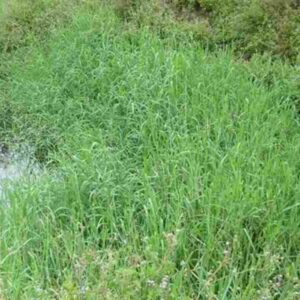
Aleman Grass (E. polistachya) Fresh Fert. Mexico Fine
 Fiber
Fiber Forage
 Gut Health
 Nutrition
Aleman grass is an aquatic grass used as a palatable forage in wetlands and pastures with ponds. It has low protein and high fibre content. It may accumulate high levels of nitrites and nitrates, potentially causing adverse effects in cattle.
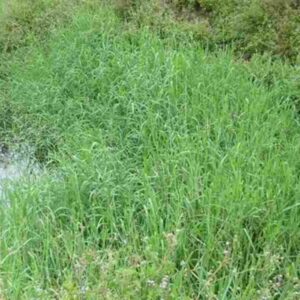
Aleman Grass (E. polistachya) Fresh Fert. Mexico Long
FiberForageGut HealthNutritionAleman grass (or German grass) is a high-fiber, low-protein perennial grass that grows in wetlands in tropical regions. It is used as forage for cattle but must be tested because it may contain high levels of nitrates and nitrites.
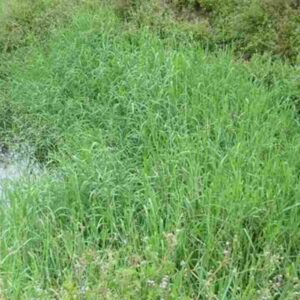
Aleman Grass (E. polistachya) Fresh Fert. Mexico Medium
FiberForageGut HealthNutritionAleman grass (Echinochloa polystachya) is a perennial aquatic grass that grows in tropical wetland areas. It has lower protein content and is more commonly fed to ruminants than horses.
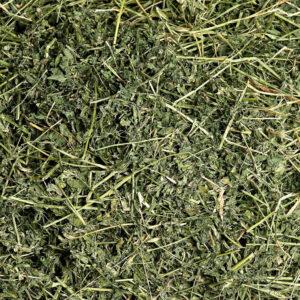
Alfalfa (Medicago sativa) Hay Brazil Fine Chop
FiberForageNutrition Protein
Alfalfa hay is a forage source commonly used in the equine diet to provide protein, minerals, vitamins, and energy. It is well-suited for broodmares and mature working horses but should be avoided by metabolic horses.
Alfalfa (Medicago sativa) Hay Brazil Long
FiberForageNutritionProteinAlfalfa hay (medicago sativa) is higher in protein than grass hays and is commonly fed to growing, lactating and working horses. This hay provides high nutrient density and calcium content.
Alfalfa (Medicago sativa) Hay Brazil Medium Chop
FiberForageNutritionProteinAlfalfa hay is a high-protein, nutrient-dense forage that is commonly fed to growing, lactating or performance horses. It should not exceed 20% of the total forage content of the diet to avoid over-supplying energy.
Alfalfa (Medicago sativa) Silage Brazil Coarse
FiberForageNutritionProteinAlfalfa silage is a high-protein forage used primarily to feed ruminants and other livestock. Processing alfalfa into silage helps to preserve the nutrient content of this legume.
Alfalfa (Medicago sativa) Silage Brazil Fine
FiberForageNutritionProteinAlfalfa (Medicago sativa) silage is a high-protein forage that can be fed to horses and other livestock with high energy requirements. Silage provides higher nutrient density compared to hay.
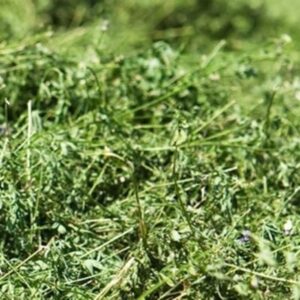
Alfalfa (Medicago sativa) Silage Brazil Medium
FiberForageNutritionProteinAlfalfa or lucerne silage is a high-protein legume forage that is used for a variety of livestock species. Silage is hay that has been cut and fermented without air to prevent spoilage.
Bahiagrass (P. notatum) Fresh Fert. Mexico Fine
FiberForageGut HealthNutritionBahia grass is a grass forage from Mexico that can be used in pastures subjected to intensive grazing. It is most commonly fed to beef cattle and provides adequate digestible energy and protein.
Bahiagrass (P. notatum) Fresh Fert. Mexico Long
FiberForageGut HealthNutritionBahiagrass (Paspalum notatum) is a nutritious and palatable grass used as a forage for livestock animals (particularly ruminants). It provides adequate energy and protein content for breeding animals.
Bahiagrass (P. notatum) Fresh Fert. Mexico Medium
FiberForageNutritionProteinBahiagrass is a rhizomatous grass capable of withstanding heavy grazing, that is native to Mexico and Central America. When harvested at an early stage of growth, it is a nutritious forage for livestock animals.
Bermudagrass (C. dactylon) Fresh Brazil Fine
FiberForageGut HealthNutritionBermudagrass is a tropical rhizomatous grass that can be chopped to produce a medium-quality hay. As a forage, bermudagrass has lower digestibility and energy content.
Bermudagrass (C. dactylon) Fresh Brazil Long
FiberForageGut HealthNutritionBermuda grass is a moderate-quality grass hay that is used as forage for horses and livestock. It contains lower protein content and should not be fed on its own to pregnant or lactating animals.
Bermudagrass (C. dactylon) Fresh Brazil Medium
FiberForageGut HealthNutritionBermuda grass hay is a medium-quality forage with lower protein content, digestibility and energy. It is commonly chopped for hay and fed to horses and other livestock in tropical regions.
Bermudagrass (C. dactylon) Hay Brazil Fine Chop
FiberForageGut HealthNutritionBermuda grass (Cynodon dactylon) is a rhizomatous grass that is resistant to drought and heavy grazing. The hay typically has lower nutritional value compared to fresh Bermuda grass.
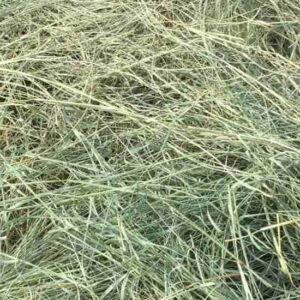
Bermudagrass (C. dactylon) Hay Brazil Long Hay
FiberForageGut HealthNutritionBermuda grass (Cynodon dactylon) is a tropical grass with medium nutritional value. It is valuable as a forage crop because it is high-yielding and is resistant to drought and heavy grazing.
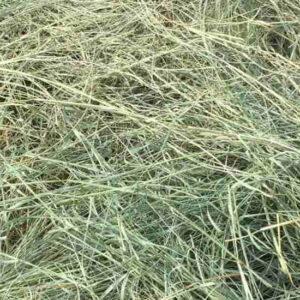
Bermudagrass (C. dactylon) Hay Brazil Medium Chop
FiberForageGut HealthNutritionBermuda grass hay is a moderate-quality forage with a lower energy content that grows widely in tropical and sub-tropical regions of the world. It is chopped for hay and fed to horses, cattle and other livestock species.
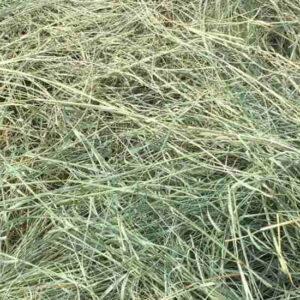
Bermudagrass (C. dactylon) Hay Florida Fine Chop
FiberForageGut HealthNutritionBermuda grass hay is a tropical forage used for horses and other livestock species. It supplies moderate nutrient content, with 10% crude protein when chopped for hay.
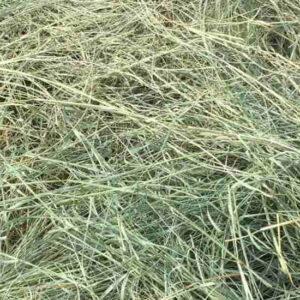
Bermudagrass (C. dactylon) Hay Florida Long Hay
FiberForageGut HealthNutritionBermuda grass is a tropical perennial grass found throughout the world. It provides medium nutritional value with moderate protein content.
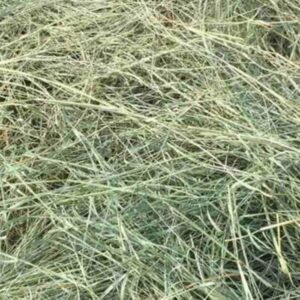
Bermudagrass (C. dactylon) Hay Florida Medium Chop
FiberForageGut HealthNutritionBermuda hay is a high-fibre forage for horses that grows well in tropical regions, such as the southern USA. Because it contains lower protein content, it is typically fed mixed with legume hay.
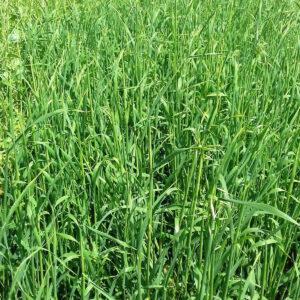
Black Oats (Avena Strigosa) Hay Brazil Fine Chop
FiberForageNutritionProteinBlack oat (Avena Strigosa) is a fast-growing forage grass that is used in Brazil as hay for livestock animals, such as dairy cows. It contains high protein content and is well digested in the rumen.
Black Oats (Avena Strigosa) Hay Brazil Long Hay
FiberForageNutritionProteinBlack oat hay is a grass forage that originates from Spain and Portugal. It provides high crude protein content and is commonly fed to ruminants in tropical and temperate regions.
Black Oats (Avena Strigosa) Hay Brazil Medium Chop
FiberForageNutritionProteinBlack oat hay is an annual grass with good protein content used as a forage in South America. It is commonly fed to cattle and goats.
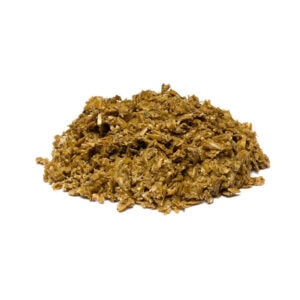
Brewers Grain – Dry 24% CP
 Caloric Energy
 NutrientsProtein
 Vitamins
Brewers grain is the spent grain that remains after beer production. It is commonly used as a cost-effective high-protein feed for cattle, but can also be formulated into equine diets.
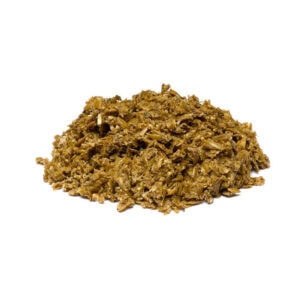
Brewers Grain – Dry 29% CP
Caloric Energy Mineral BalanceProteinVitamins
Brewers grain is a by-product of beer production that is commonly used as a livestock feed. Brewers grain is a high protein, low starch feed that may be suitable for growing horses.
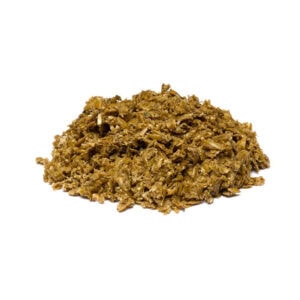
Brewers Grain – Wet
Caloric EnergyNutrientsProteinVitaminsWet brewers grain refers to undried spent grain that remains following beer production. It is mostly fed to cattle and not commonly used in equine diets.
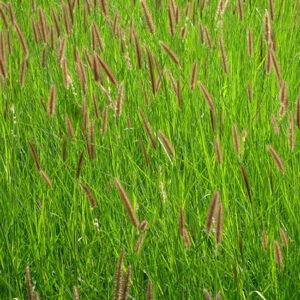
Buffelgrass (Cenchrus ciliaris) Hay Brazil Fine Chop
FiberForageGut HealthNutritionBuffel grass is a tropical forage grass that is chopped for hay or grazed by cattle. This hay should not be fed to horses as it may cause calcium deficiency and big head disease.
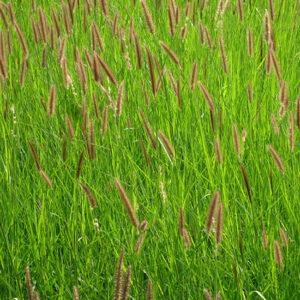
Buffelgrass (Cenchrus Ciliaris) Hay Brazil Long Hay
FiberForageGut HealthNutritionBuffelgrass is a tropical pasture grass that is chopped for hay to feed to ruminants. It contains high levels of oxalates and should not be given to horses due to the risk of nutritional secondary hyperparathyroidism.
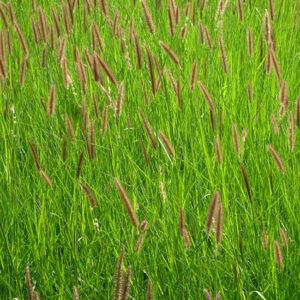
Buffelgrass (Cenchrus Ciliaris) Hay Brazil Medium Chop
FiberForageGut HealthNutritionBuffelgrass is a perennial grass used for pasture and hay in tropical regions. It is a valuable feed source for cattle, but should not be fed to horses because it contains high levels of oxalate.
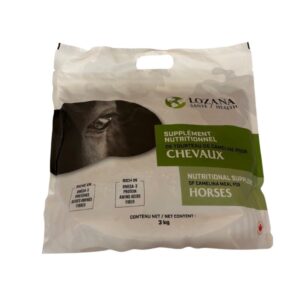
Camelina Meal (Lozana Health)
 Coat Quality
 Digestion
 Hoof Health
 Recovery
Camelina Meal by Lozana Health is a protein supplement intended to support overall health in all classes of horses.
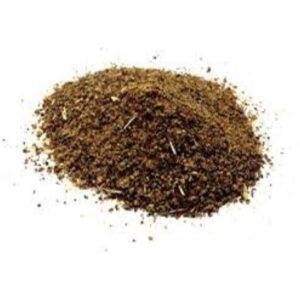
Canola Meal – Mechanically Extracted
 Amino Acid
 Fat
Fat GrowthProtein
Mechanically extracted canola meal is a by-product of canola oil processing. Mechanical extraction of the oil is less common than solvent extraction. Canola meal has a similar nutritional profile to soybean meal and is a suitable protein source for horses.
Canola Meal – Solvent Extracted
Amino AcidFatNutritionProteinCanola meal is a by-product of canola oil production that utilizes a solvent. It has a similar nutritional profile to soybean meal and is a suitable protein source for horses.
Chia Seeds
Gut Health Health
 Omega 3-6-9
 Organic Trace Minerals
Chia seeds are sometimes added to equine diets as a source of fatty acids. Chia is high in the omega-3 fatty acid, ALA, which can provide some anti-inflammatory benefits.
Condensed Distillers Solubles (Syrup)
Caloric EnergyFatNutritionProteinCondensed distillers solubles syrup is a by-product of the production of ethanol from grains, such as corn. It consists of the nutrients and protein that remain after grains are fermented to make ethanol.
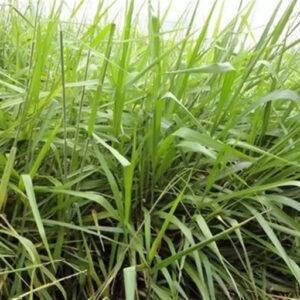
Congograss (B. ruziziensis) Hay Brazil Fine Chop
FiberForageGut HealthNutritionCongo grass (B. ruziziensis) is a tropical forage that is fed to ruminants in Africa, Thailand and Brazil. The pasture grass can be chopped for silage or hay.
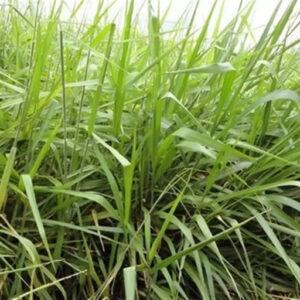
Congograss (B. ruziziensis) Hay Brazil Medium Chop
FiberForageGut HealthNutritionCongo grass (Brachiaria ruziziensis) is a tropical forage crop that is native to Africa but can now be found in South America and parts of Asia. This palatable hay provides good nutritional value for ruminants.
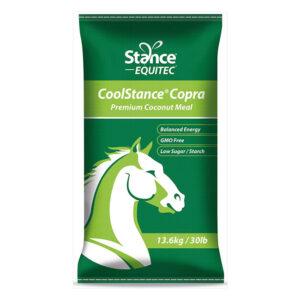
CoolStance Copra (Stance Equine USA)
 Complete FeedFat
 Low NSC Feeds
 Metabolic Syndrome
CoolStance Copra is a coconut meal feed that provides calories from protein and medium chain triglycerides (MCTs). It contains less than 11% NSC and is intended to be used as a "cool" energy source.
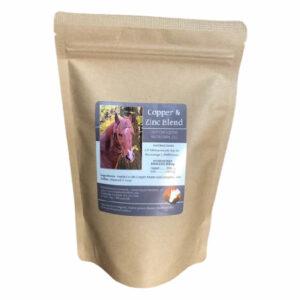
Copper & Zinc Blend (Custom Equine Nutrition)
Hoof HealthMineral BalanceNutrients Yeast
YeastCustom Equine Nutrition's Copper and Zinc Blend is a trace mineral supplement providing Diamond V yeast, a copper amino acid complex, and inorganic zinc sulfate. This supplement is intended to support healthy skin, coat, and hooves in horses.
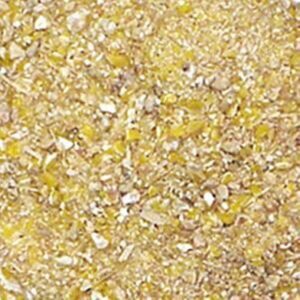
Corn – Dry Ear Corn Ground
 Grains
 IngredientNutrition
 Weight Issues
Dry ground ear corn refers to the entire ear of corn, including grain and cob, that has been processed through a hammer mil or burr mill to grind into smaller particles.
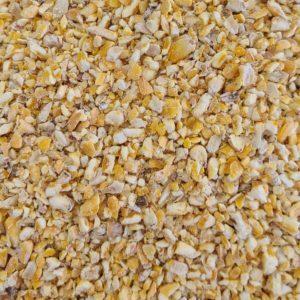
Corn (Zea Mays) Cracked Brazil Coarse
Caloric EnergyGrainsNutritionWeight IssuesCourse cracked corn (zea mays) refers to corn/maize grain that is processed to improve its digestibility for livestock. This high starch feed is a cheap energy source but can cause hindgut issues in horses.
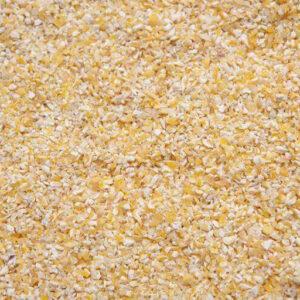
Corn (Zea Mays) Cracked Brazil Fine
Caloric EnergyGrainsNutritionWeight IssuesFine cracked corn (zea mays) is corn grain that has been processed to improve its digestibility for livestock. A high intake of corn may cause hindgut problems in horses.
Corn (Zea Mays) Grain Brazil Coarse Grind
Caloric EnergyGrainsNutritionWeight IssuesCourse ground corn (zea mays) is a processed grain that is used in livestock diets as a high-energy feed. The high start content of corn makes it unsuitable for horses in large quantities.
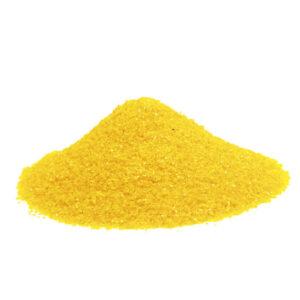
Corn (Zea Mays) Grain Brazil Fine Grind
Caloric EnergyGrainsNutritionWeight IssuesFine ground corn or maize is a processed grain product used as a low-cost energy source in livestock diets. It can be fed to horses in low quantities, but feeding too much could cause hindgut issues.
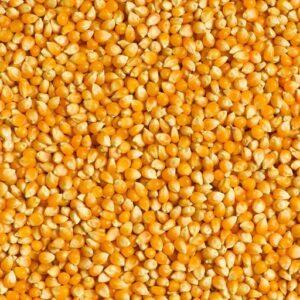
Corn (Zea Mays) Grain Brazil Whole
Caloric EnergyGrainsNutritionWeight IssuesWhole grain corn (zea mays) refers to unprocessed maize grains. This high-starch feed is not well digested by horses and may cause hindgut dysbiosis.
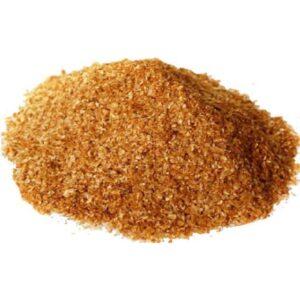
Corn Germ Meal
Caloric Energy EnergyProteinWeight Issues
Corn (maize) germ meal is a byproduct of oil extraction from corn germ. It is a high-protein, high-starch product sometimes added to equine feeds.
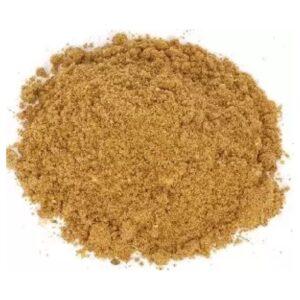
Corn Gluten Feed – Dry
Caloric EnergyEnergyProteinWeight IssuesCorn gluten feed is derived from corn wet-milling corn, which is the process used to extract starch from corn. Corn gluten is a high-protein feed that can be fed to horses. It is high in phosphorus and low in calcium, which must be balanced if added to equine diets.
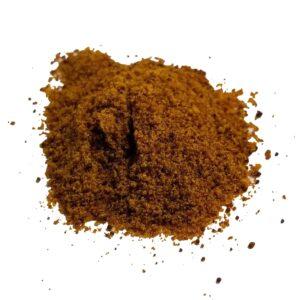
Corn Gluten Feed – Wet
Caloric EnergyEnergyProteinWeight IssuesCorn gluten feed is a byproduct of wet-milling corn to extract starch. It is a high-protein feed used in equine diets. Wet corn gluten feed may be prone to mold contamination.
Corn Gluten Meal – 60%
Caloric EnergyEnergyProteinWeight IssuesCorn gluten meal is a byproduct of corn starch and syrup production. This product is higher in protein than corn gluten feed. It can be added to equine diets as a protein source.
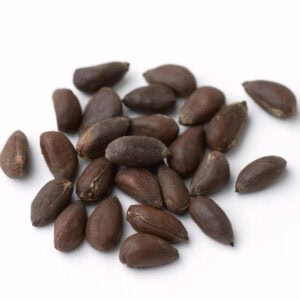
Cottonseed Delinted
FatFiberProtein Topline
Delinted cottonseed refers to polished cottonseeds commonly used for planting grain. The seeds are high in fat (19.5%) and fibre, but are not commonly fed to horses.


