English
Fentanyl is a prescription opioid that veterinarians may use to help manage moderate to severe pain in horses. In equine medicine, it is generally used as one component of a broader pain-management or anesthetic plan.
Fentanyl can be administered intravenously for rapid drug delivery or through a transdermal patch that releases the medication gradually through the skin. However, the response varies considerably between horses, particularly with patches, because the amount absorbed is difficult to predict.
Fentanyl is a highly addictive controlled substance. It requires individualized dosing, careful monitoring, and direct supervision by a licensed professional to ensure safe use. Horse owners should understand its side effects, drug interactions, and competition restrictions before it is included in a horse’s treatment plan.
Fentanyl for Horses
Fentanyl is a potent opioid pain medication used in veterinary medicine to provide analgesia for severe acute or perioperative pain. It acts primarily at mu opioid receptors and may be administered intravenously (IV) or through a transdermal patch as part of a broader pain-management plan. [1]
Responses to fentanyl in horses can be difficult to predict. Transdermal patches provide sustained drug absorption, but absorption varies between horses, and controlled research has not consistently shown measurable pain relief at the doses tested. [2]
In one small clinical study, adding transdermal fentanyl improved pain scores in horses with an inadequate response to nonsteroidal anti-inflammatory drugs (NSAIDs). [3] Intravenous fentanyl has produced mixed results, and higher concentrations may cause agitation or an increased heart rate. [4]
Fentanyl use in horses therefore requires individualized veterinary assessment and close monitoring for adverse effects.
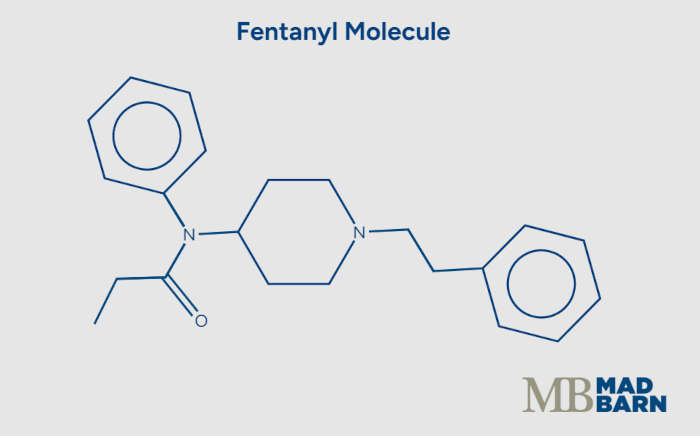
Fentanyl is a strictly regulated opioid medication because of its high potency, risk of respiratory depression, and potential for misuse and diversion in humans. It is used medically for severe pain, but non-medical exposure can be life-threatening even at relatively small amounts.
As a result, fentanyl is classified as a controlled substance in both Canada and the United States. In Canada, fentanyl is listed in Schedule I of the Controlled Drugs and Substances Act, and its possession, distribution, storage, and use are restricted to authorized medical, scientific, or industrial purposes.
For veterinarians and horse owners, this means fentanyl must be prescribed, dispensed, stored, and administered according to controlled-drug regulations and veterinary practice standards.
Access is limited to legitimate medical use, with strict recordkeeping and handling requirements intended to reduce the risk of diversion, accidental exposure, and misuse.
What's your top priority with your horse's health?

What's your top priority with your horse's health?
Available Forms
Fentanyl is available in several pharmaceutical formulations, but none are specifically labeled for use in horses. Veterinarians may prescribe human products in an off-label manner.
Off-label, or extra-label, use refers to administering a drug via a route, at a dosage, for an indication, or in a species not specified on the approved label.
Fentanyl formulations used extra-label in equine patients include: [7]
- Injectable fentanyl citrate: Given intravenously when rapid drug delivery is needed. Because a single IV dose has a short duration of action, a continuous rate infusion (CRI) may be used to maintain systemic exposure
- Transdermal patches: Applied to clipped skin so fentanyl is absorbed gradually over an extended period
Absorption from transdermal patches varies substantially between horses and by application site. The concentration achieved with a patch is difficult to predict in an individual horse. [2][7]
Drug Class: Opioid Analgesics
Opioids are analgesic drugs that bind to opioid receptors in the central nervous system (CNS) and peripheral tissues. The three major receptor types are mu, kappa, and delta. Mu receptors have a particularly important role in the sensation of pain.
Opioids are classified as full agonists, partial agonists, mixed agonist-antagonists, or antagonists according to how they interact with these receptors. [8]
Fentanyl is a full mu opioid agonist. Other opioids used or investigated in horses include: [1]
- Morphine
- Methadone
- Hydromorphone
- Buprenorphine
- Meperidine
- Butorphanol
Opioid use in horses is somewhat controversial because pain-free horses may develop excitement, increased locomotor activity, and gastrointestinal effects after administration. Responses vary considerably among individuals. Findings in healthy experimental horses may also differ from those in clinical patients receiving other sedatives and analgesics. [9]
For these reasons, veterinarians weigh the risk of use against the potential benefits, and limit administration to the minimum effective dose required.
Mechanism of Action
Fentanyl activates mu opioid receptors that regulate the processing of pain signals. These receptors are found in the brain and spinal cord, the gastrointestinal tract, and synovial tissues in and around joints. [1]
Activation of these receptors reduces the release of chemical messengers involved in pain signaling and makes nerve cells less likely to transmit those signals. This can reduce the perception of pain. [1]
Opioid receptors also influence functions outside pain pathways. As a result, fentanyl can affect gastrointestinal movement, breathing, cardiovascular function, body temperature, and behavior. [1]
Uses in Horses
All fentanyl use in horses is extra-label because no fentanyl product has a horse-specific label. Extra-label use occurs when a veterinarian prescribes an approved drug for a species, dose, route, frequency, or clinical situation that differs from its label. [5][6]
Pain Management
Fentanyl is typically used as part of multimodal analgesia rather than as the sole pain medication. Combining medications that act through different mechanisms can improve pain control while reducing reliance on any one drug. [8][9]
It may be used with NSAIDs such as phenylbutazone or flunixin meglumine, as well as sedatives, local anesthetics, and other analgesics. [3][8][9]
Veterinarians may use fentanyl to help manage moderate to severe pain, including pain associated with: [4]
- Soft-tissue disease
- Orthopedic conditions
- Laminitis
- Pleuritis
- Serious musculoskeletal injuries
Effectiveness varies by horse and by the type of pain. Transdermal fentanyl improved overall pain scores in horses whose pain was not adequately controlled with NSAIDs, although the benefit was less clear for lameness and orthopedic pain. [3]
In healthy horses, IV and transdermal fentanyl did not consistently reduce responses to experimentally induced pain. [2][4]
Laboratory pain tests may not fully represent the inflammatory, surgical, or disease-related pain experienced by clinical patients. This difference may partly explain the contrasting findings.
Anesthesia
Fentanyl may be given intravenously as part of general anesthesia in horses. Its ability to reduce the required amount of inhalant anesthetic is variable, and some protocols have produced only modest reductions. [8]
At higher concentrations, fentanyl can stimulate the central nervous system. During inhalant anesthesia, continuous fentanyl infusion has been associated with increased body temperature and difficult or potentially unsafe recoveries, which may limit its use in some anesthetic protocols. [1]
Administration Routes
Fentanyl may be administered intravenously or transdermally in horses.
Intravenous fentanyl provides rapid drug delivery but has a short duration of action after a single dose. A veterinarian may use a continuous rate infusion when sustained IV exposure is required. [1][7]
Transdermal patches are applied to clipped skin and release fentanyl gradually. Patch formulation, application site, temperature, and individual variation can all affect absorption. Patches should be prescribed and applied according to veterinary instructions rather than extrapolated between products. [2][7]
Storage
Store fentanyl transdermal patches below 25°C in their sealed packages and apply them promptly after opening. Do not cut fentanyl patches. Protect injectable fentanyl from light. [7]
Used patches can retain fentanyl. Handle and dispose of them carefully to prevent accidental exposure. [7]
Safety Warnings & Precautions
Fentanyl is extremely potent, and dosing errors can have serious consequences. Doses may be expressed in milligrams or micrograms, so the units and calculated volume must be checked carefully. [7]
Transdermal absorption is variable and may be affected by temperature. Do not apply external heat over a fentanyl patch. Fever or added heat may increase absorption and warrants additional monitoring. [7]
Opioids can decrease gastrointestinal motility in horses, although the clinical importance varies with the drug, dose, treatment duration, concurrent medication, and patient’s condition. Pain, hospitalization, anesthesia, surgery, fasting, and other medications can also affect gastrointestinal function. [9]
Monitoring
Horses receiving fentanyl should be monitored for the following: [2][3]
- Changes in pain behavior indicating pain relief
- Excitation, agitation, abnormal locomotion, or ataxia
- Heart and respiratory rates
- Body temperature
- Gastrointestinal sounds, manure production, and signs of colic
- Patch adhesion and skin condition when transdermal fentanyl is used
Because transdermal absorption can be inconsistent, inadequate pain relief requires veterinary reassessment. The horse may need alternative or additional analgesia.
Contraindications
Contraindications refer to circumstances where a drug should be avoided or used with caution.
Fentanyl should not be used in patients with known hypersensitivity to the drug or formulation components. Additional respiratory or central nervous system depression may be dangerous in some patients. Use fentanyl with caution in severely ill, debilitated, geriatric, or respiratory-compromised animals. [7]
In horses, the potential for CNS excitation, increased locomotor activity, and reduced gut motility, along with variable individual responses, must be considered when deciding whether fentanyl is appropriate. [1][8]
Side Effects
Potential side effects of opioids in horses include the following: [1][8]
- CNS excitation and increased locomotor activity
- Agitation or exaggerated responses to external stimuli
- Reduced gastrointestinal motility
- Changes in heart rate
- Respiratory depression, particularly in compromised or heavily sedated patients
- Hyperthermia
- Ataxia or abnormal behavior at higher doses
Fentanyl-related excitement appears more likely at higher doses or blood concentrations. Horses may become agitated or develop an increased heart rate when exposure is high. [4]
Transdermal fentanyl was generally well-tolerated in the cited equine studies, with no clinically important changes in breathing, body temperature, gastrointestinal function, behavior, or patch-site condition and no fentanyl-related cases of colic. [2][3]
Acute Toxicity (Overdose)
Excessive fentanyl exposure can cause profound CNS and respiratory depression, cardiovascular collapse, tremors, rigidity, and seizures. Naloxone is an opioid antagonist used to reverse severe opioid effects. Repeat dosing may be needed because naloxone’s effects can wear off before fentanyl is eliminated. [7]
In horses, excessive exposure may also produce marked CNS stimulation rather than sedation. Increasing fentanyl concentrations have been associated with agitation, tachycardia, increased locomotor activity, ataxia, and other abnormal behaviors. [1][4]

Drug Interactions
Fentanyl should be used cautiously with other CNS depressants because their effects can be additive. Azole antifungals and macrolide antibiotics may slow fentanyl metabolism and increase its effects. Phenobarbital, phenytoin, and rifampin may accelerate metabolism and reduce drug exposure. Fentanyl may also increase the muscle-relaxing effects of neuromuscular-blocking drugs. [7]
Butorphanol, buprenorphine, and other opioids that partially activate or block mu receptors may alter fentanyl’s effects when administered concurrently. [7]
In human medicine, fentanyl has serotonergic activity and may contribute to serotonin syndrome when combined with other serotonergic drugs. The available sources do not establish the same risk in horses. [10]
Regulatory Status & Legal Considerations
Fentanyl is a tightly regulated opioid drug. In Canada and the United States, fentanyl citrate is classified as a narcotic. There are no veterinary-labeled fentanyl products, so its use in horses is extra-label. [5][6]
Fentanyl also has a high potential for misuse, physical dependence, and substance use disorder in humans. Its high potency increases the risk of serious or fatal overdose when it is used improperly or diverted from legitimate medical channels. [11]
These risks are an important reason for strict controls around prescribing, storage, recordkeeping, dispensing, and disposal. Veterinary practices must take precautions to prevent accidental exposure, theft, and diversion of fentanyl intended for medical use.
Status in Competition
Under the 2026 FEI Equine Prohibited Substances List, fentanyl is a Controlled Medication, not a Banned Substance. [12] Controlled Medications may have legitimate therapeutic uses but are prohibited in competition.
Sufficient time must be allowed for fentanyl to clear before a horse competes. Its analgesic effects could mask pain or other clinical signs, which is an important welfare consideration when assessing whether a treated horse is fit to compete. The FEI cautions against giving medication too close to an event when it could mask symptoms or aggravate an underlying condition. [12]
The FEI does not publish a detection time for fentanyl. [13] A detection time is not the same as a withdrawal time. Detection time is the approximate period during which a drug or its metabolites can be identified in laboratory testing. The treating veterinarian determines withdrawal time by considering the available detection time and adding a safety margin for individual factors such as metabolism, fitness, body size, and recent illness.
Because no fentanyl-specific detection time is available, veterinarians must use professional judgment to establish an appropriate withdrawal interval before FEI competition. Competitors and veterinarians remain responsible for considering the horse’s complete clinical circumstances.
Always check the current guidelines from your sport organization before starting a new medication for your horse.
Frequently Asked Questions
Here are some frequently asked questions about fentanyl use in horses:
Fentanyl is an opioid medication used to help manage moderate to severe pain in horses. Veterinarians may include it in a multimodal pain-management plan with NSAIDs, sedatives, local anesthetics, or other analgesics.
Fentanyl activates mu opioid receptors in the brain, spinal cord, and other tissues. This action reduces the transmission of pain signals and can decrease a horse's perception of pain. Because opioid receptors also affect other body systems, fentanyl can influence behavior, gastrointestinal motility, breathing, circulation, and body temperature.
Fentanyl may be administered intravenously or through a transdermal patch applied to clipped skin. Intravenous fentanyl acts rapidly but has a short duration after a single dose, while a patch releases the drug gradually. The appropriate route depends on the horse's condition and veterinary treatment plan.
Fentanyl patches can produce measurable drug concentrations in horses, but absorption and pain relief vary considerably between individuals. Some horses with clinical pain have shown improved pain scores after fentanyl was added to NSAID treatment. However, controlled studies in healthy horses have not consistently demonstrated measurable pain relief.
Response to a fentanyl patch can vary with the individual horse, patch formulation, application site, dose, and clinical condition. Temperature may also affect transdermal absorption. Because drug exposure can be difficult to predict, pain control and adverse effects require veterinary monitoring.
Potential side effects include agitation, increased activity, reduced gastrointestinal motility, changes in heart or respiratory rate, increased body temperature, ataxia, and abnormal behavior. Higher fentanyl concentrations appear more likely to cause central nervous system excitement. The type and severity of adverse effects vary with the dose, concurrent medications, and individual horse.
Fentanyl and other opioids can reduce gastrointestinal motility, raising concern about digestive complications. Clinical studies of transdermal fentanyl did not report fentanyl-related colic, but horses receiving the drug should still be monitored for changes in appetite, gut sounds, manure production, or signs of abdominal discomfort.
Monitoring should include the horse's pain level, behavior, coordination, heart rate, respiratory rate, body temperature, gastrointestinal sounds, and manure production. When a patch is used, its adhesion and the condition of the surrounding skin should also be checked. Inadequate pain relief or new clinical signs require veterinary reassessment.
Contact a veterinarian immediately if a horse receiving fentanyl develops severe agitation, loss of coordination, collapse, pronounced breathing changes, extreme sedation, significant gastrointestinal abnormalities, or other sudden or severe signs. Excessive fentanyl exposure can cause serious central nervous system, respiratory, or cardiovascular effects and requires prompt veterinary care.
Fentanyl can interact with sedatives and other drugs that depress the central nervous system, potentially increasing their combined effects. Some antifungals and antibiotics may increase fentanyl exposure, while certain anticonvulsants and rifampin may reduce it. Other opioids can also change fentanyl's effects, so the veterinarian should know about every medication the horse is receiving.
Fentanyl patches should not be cut, and external heat should not be applied over them. Heat can affect drug absorption, and fever may also increase exposure. Patches should be stored, applied, and handled according to veterinary and product instructions.
Used patches can retain fentanyl and may cause accidental exposure if handled or discarded improperly. They should be kept away from people and animals and disposed of according to veterinary instructions. Fentanyl's potency makes careful handling essential even after a patch has been removed.
There are no fentanyl products specifically approved for horses in Canada or the United States. Its use in horses is therefore extra-label and must be prescribed and supervised by a veterinarian.
Under the 2026 FEI Equine Prohibited Substances List, fentanyl is classified as a Controlled Medication. It may be used therapeutically under veterinary care, but a horse should not compete while the medication or its effects could be present. Fentanyl may also mask pain or other signs that affect whether a horse is fit to compete.
The FEI does not publish a specific detection time for fentanyl. A detection time is not the same as a withdrawal time, which must include an appropriate safety margin for individual differences between horses. The treating veterinarian should determine the withdrawal interval based on the horse's treatment and complete clinical situation.
Summary
Fentanyl is a potent opioid analgesic that veterinarians may use for equine pain management, including multimodal analgesia and anesthesia. Its effects vary between horses, particularly with transdermal patches, so careful supervision and monitoring are essential.
- Fentanyl is a full mu opioid agonist that reduces pain signaling in the central and peripheral nervous systems
- It may be administered intravenously or through transdermal patches, although patch absorption can be unpredictable
- Evidence for pain relief is mixed, with improvement in some clinical patients but limited effects in controlled studies of healthy horses
- Potential side effects include agitation, increased activity, reduced gastrointestinal motility, cardiorespiratory changes, hyperthermia, and poor coordination
- Fentanyl use in horses is extra-label and requires veterinary direction, accurate dosing, and appropriate monitoring
- Fentanyl is an FEI Controlled Medication, and a veterinarian must determine withdrawal time before competition
References
- Doherty. T. et al. Eds. Manual of Equine Anesthesia and Analgesia. 2nd ed. Wiley-Blackwell. 2022.
- Reed. R. A. et al. The Pharmacokinetics and Pharmacodynamics of Fentanyl Administered via Transdermal Patch in Horses. Frontiers in Pain Research. 2024.
- Thomasy. S. M. et al. Transdermal Fentanyl Combined with Nonsteroidal Anti-Inflammatory Drugs for Analgesia in Horses. Journal of Veterinary Internal Medicine. 2004.
- Sanchez. L. C. et al. Effect of Fentanyl on Visceral and Somatic Nociception in Conscious Horses. Journal of Veterinary Internal Medicine. 2007.
- Drug Product Database Online Query. Government of Canada. 2019.
- Animal Drugs @ FDA. Center for Veterinary Medicine.
- Budde. J. A. and McCluskey. D. M. Plumb's Veterinary Drug Handbook. 10th ed. Wiley-Blackwell. 2023.
- Cole. C. et al. Eds. Equine Pharmacology. Wiley-Blackwell. 2015.
- Clutton. R. E. Opioid Analgesia in Horses. Veterinary Clinics of North America: Equine Practice. 2010.
- Cohen. B. et al. Opioid Analgesics. StatPearls Publishing. 2023.
- Fentanyl. Health Canada. 2026.
- 2026 Equine Prohibited Substances List. FEI. 2026.
- FEI List of Detection Times. FEI. 2024.