English
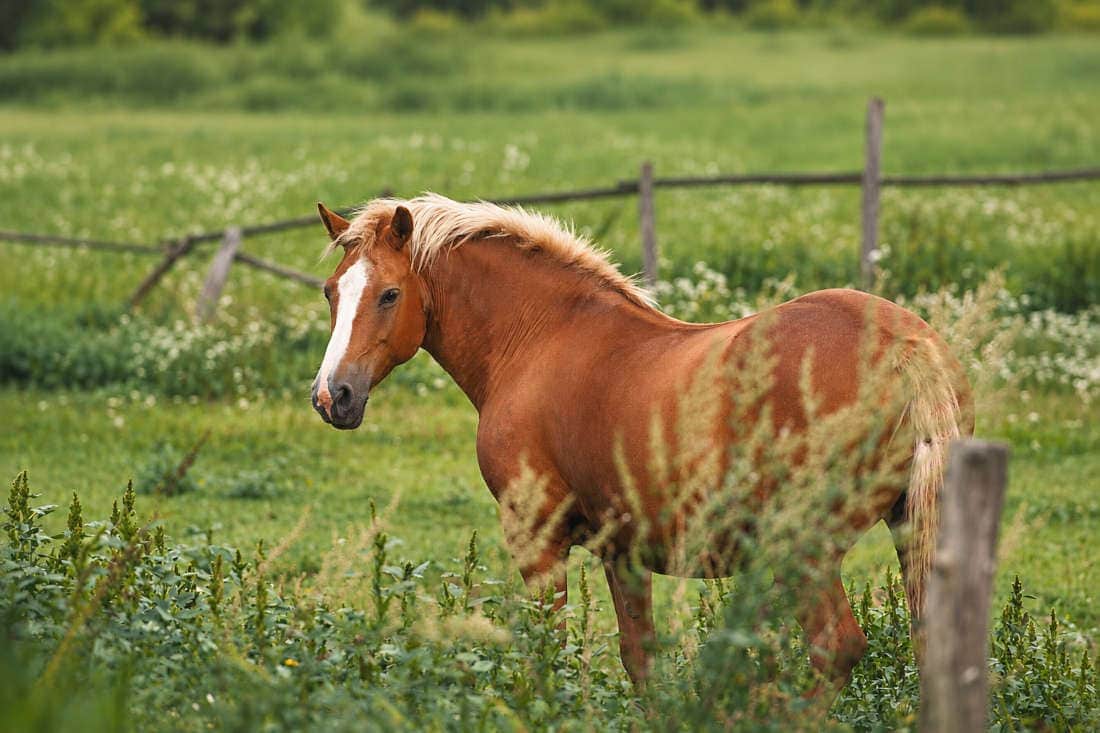
Golden chain tree poisoning in horses is an acute toxic emergency caused by ingesting parts of Laburnum trees or shrubs. Although horses may avoid the bitter-tasting plant when adequate forage is available, fallen seed pods, discarded branches, and contaminated hay can pose a risk for exposure.
Laburnum spp. contain cytisine, a toxin that can rapidly affect the nervous and gastrointestinal systems. Affected horses may develop salivation, colic, tremors, weakness, or incoordination, with severe cases progressing to collapse and respiratory failure. Suspected ingestion requires immediate veterinary attention, even before symptoms appear.
Recognizing golden chain tree and removing toxic plant material from horse-accessible areas are essential for reducing risk. Keep reading to learn how to identify Laburnum, respond to suspected poisoning, and protect horses from exposure.
Golden Chain Tree Poisoning in Horses
Golden chain tree (Laburnum spp.) is a highly toxic ornamental tree or large shrub best known for its long clusters of bright yellow flowers. [1]
Native to parts of southern and central Europe, Laburnum is widely cultivated in gardens, parks, and landscaped areas throughout temperate regions. Its ornamental use can bring the plant into close proximity to: [1][2]
- Paddocks
- Lanes
- Yards
- Other areas accessible to horses
Several Laburnum species and hybrids are grown ornamentally, including: [1][2]
- Common laburnum (Laburnum anagyroides)
- Alpine laburnum (Laburnum alpinum)
- Hybrid Laburnum × watereri
All contain toxic quinolizidine alkaloids, with cytisine considered the principal toxin. The seeds and immature seed pods contain particularly high concentrations and present the greatest poisoning risk. [1][2]
Horses may develop golden chain tree toxicosis by eating plant material directly from accessible trees or shrubs. Poisoning can also occur when branches, pods or other material are cut and discarded into turnout areas.
The plant has a bitter taste and horses do not generally seek it out when adequate forage is available. Laburnum remains hazardous when incorporated into dried forage, so contaminated hay is another potential source of exposure. [3]
Poisoning affects the gastrointestinal and nervous systems. Severe poisoning can progress to convulsions, collapse, coma, and respiratory failure. [1][4][5]
There is no specific antidote for Laburnum poisoning, and severe cases can be fatal. Prompt veterinary assessment is crucial following known or suspected ingestion.
Treatment focuses on limiting further absorption of the toxin and supporting the horse while the acute effects resolve. Horses that survive the acute stage are able to recover relatively quickly with appropriate supportive care. [1][6]
Common Names for Golden Chain Tree
- Laburnum
- Golden rain tree
- Bean tree
Table 1. Golden chain tree poisoning in horses at-a-glance
| Category | Key Information |
|---|---|
| Definition |
|
| Common Causes |
|
| Onset |
|
| Symptoms |
|
| Severity |
|
| Treatment |
|
| Recovery Time |
|
| Prognosis |
|
| Prevention |
|
What's your top priority with your horse's health?

What's your top priority with your horse's health?
Identification
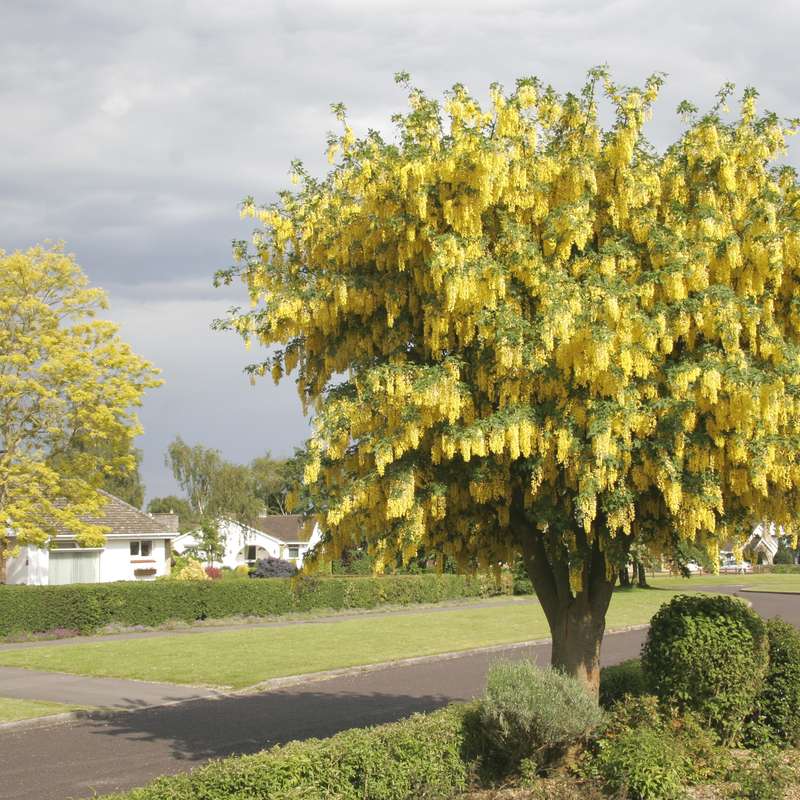
Golden chain trees belong to the Fabaceae family, also known as the legume family. They usually grow as large shrubs or small deciduous trees, commonly reaching around 20 to 30 ft (6 to 9 m) in height.
Mature plants develop a spreading or arching form with multiple branches, although growth habit can vary according to species, cultivar and growing conditions. [1][5][7]
 Flowers
 Tree
TreeThe leaves are alternate and trifoliate, meaning each leaf is divided into three separate leaflets. These leaflets are generally oval to elliptical in shape and are carried on relatively long stalks. The upper surface is green and comparatively smooth, while the underside is covered with fine, soft hairs, with young foliage sometimes having a slightly different hue from mature leaves. [3][7]
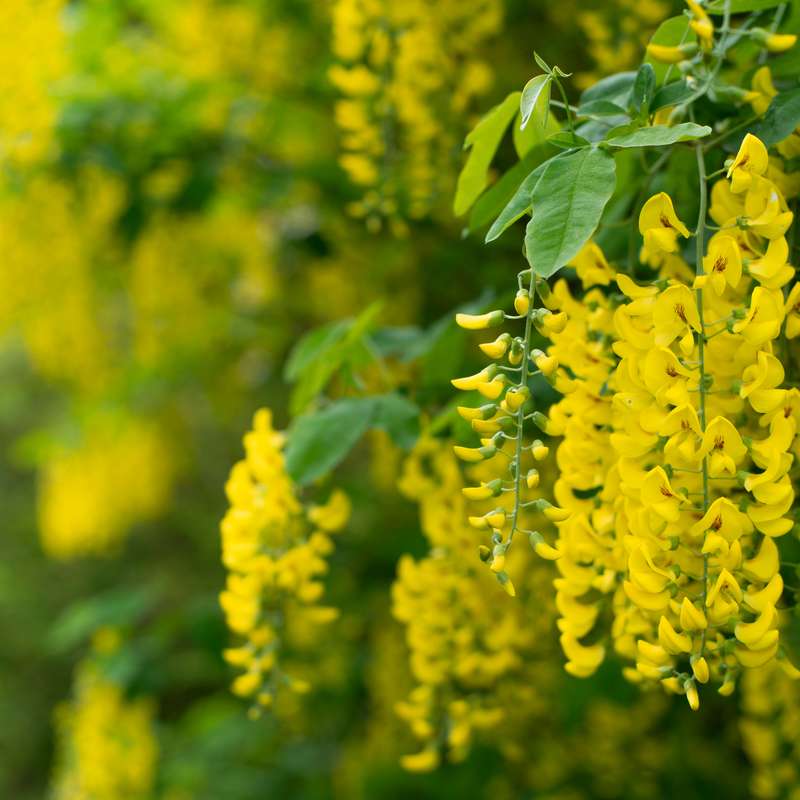
Laburnum is easiest to recognize when flowering. In late spring and early summer, the tree produces conspicuous hanging clusters, or racemes, of bright yellow flowers. Individual flowers have the characteristic pea-like shape associated with many members of the legume family.
The racemes hang downward from the branches and become quite long, creating the cascading appearance responsible for the common name “golden chain tree.” [3][4][7]
After flowering, elongated seed pods develop in place of the flower clusters. The pods resemble flattened pea pods and are initially green before becoming brown as they mature. Each contains several flat, hard seeds. Mature pods eventually split open and release the seeds. [3][7]
The seed pods are particularly important when assessing poisoning risk around horse properties. Seeds contain some of the highest concentrations of toxic alkaloids in the plant, while immature pods are also highly toxic. Fallen pods and seeds beneath an ornamental tree therefore present a hazard even when horses cannot reach its leaves or branches directly. [1][3]
Toxicology of Golden Chain Tree
Golden chain tree contains several quinolizidine alkaloids, with cytisine considered the principal toxin. Other related compounds, including N-methylcytisine, are also present. Cytisine occurs throughout the plant, but concentrations are highest in the seeds, making seeds and immature seed pods the greatest concern for horses. [1][2]
Cytisine has nicotine-like effects on the nervous system. It interferes with normal nerve signals, including the signals that help nerves communicate with muscles. Affected horses may become weak, uncoordinated, or unable to stand. In severe cases, poisoning can interfere with breathing and lead to respiratory failure. [1][2]
Golden chain tree poisoning is typically acute rather than cumulative or chronic. This means poisoning occurs after a single exposure to a toxic amount of the plant, rather than from the gradual accumulation of toxins following repeated exposure.
Cytisine is rapidly absorbed following ingestion, and clinical signs can develop soon after a horse consumes a toxic amount of plant material. [1]
The toxin is also metabolized and eliminated rapidly from the horse’s body. This helps explain why horses who survive the acute phase may recover over a short period of time. A sufficiently large dose, however, can severely disrupt nerve and muscle function before the body has time to eliminate the toxin. [1]
The seeds are particularly hazardous, and ingestion of seed-containing pods has caused fatal poisoning in horses. Because alkaloid concentrations vary and the amount consumed is often impossible to determine, owners should treat any suspected ingestion as an emergency. [1][3][5]
Drying does not make Laburnum safe. The leaves, pods and other plant material remain toxic when incorporated into hay, so exposure is possible even when horses do not have access to a living tree. [3]
Symptoms of Golden Chain Tree Poisoning in Horses
Clinical signs of Laburnum poisoning are primarily associated with disruption of the nervous system, although gastrointestinal signs are also common. Signs can develop rapidly after ingestion. [1][4][5]
Early signs may reflect the initial effects of cytisine and can include: [1][4][5]
- Excitement
- Excessive salivation
- Muscle tremors
- Gastrointestinal signs such as reduced appetite, colic and diarrhea
As poisoning progresses, neurological and neuromuscular dysfunction becomes more apparent. Reported signs in horses include: [1][4][5][6]
- Excessive salivation or frothing at the mouth
- Loss of appetite
- Colic
- Diarrhea
- Excitement or abnormal restlessness
- Drowsiness or lethargy
- Muscle tremors
- Weakness
- Incoordination or an irregular gait
- Dilated pupils
- Convulsions or seizures
- Recumbency
- Collapse
- Coma
The course of poisoning can be short. Severe cases may cause rapid deterioration, with convulsions, collapse, coma, and death possible during the acute phase. [5][6]
When to Call the Veterinarian
Known or suspected ingestion of golden chain tree warrants immediate veterinary attention, even if clinical signs have not yet developed.
Cytisine is absorbed rapidly, and ingestion of seeds or pods may lead to severe neurological and respiratory effects within a short period of time. Early intervention provides the best opportunity to limit further toxin absorption and begin supportive treatment before the horse deteriorates.
Emergency veterinary care is particularly important if a horse develops: [4][5]
- Excessive salivation
- Muscle tremors
- Weakness
- Incoordination
- Convulsions
- Collapse
- Recumbency
- Difficulty breathing
- Coma
- Rapidly worsening neurological signs
When possible, owners should keep samples of leaves, flowers, seed pods, or other suspected plant material for identification.
Exposure Risk Factors
Golden chain tree is primarily an ornamental species, so exposure is most likely when trees are planted in or near paddocks and other areas accessible to horses. [3][4]
The seeds and immature pods pose the greatest poisoning risk because they contain high concentrations of cytisine. The risk increases as pods develop and remains high after mature pods split open and drop seeds onto the ground. [1][5]
Exposure also occurs when branches or other plant material are discarded in areas horses can reach. Garden clippings and pruning waste are especially hazardous because they can place a large amount of unfamiliar plant material directly within reach. Storm-damaged branches can pose the same risk.
Horses do not usually seek out Laburnum when other forage is readily available due to the plant’s bitter taste. However, limited pasture or forage availability may increase the likelihood that horses investigate and consume unfamiliar vegetation.
Overgrazed turnout areas or periods when little palatable forage is available may increase exposure risk. [4]

Diagnosis
Diagnosis of golden chain tree poisoning is based primarily on compatible clinical signs together with evidence of exposure. There is no characteristic sign or routine laboratory finding that confirms poisoning, so establishing the circumstances surrounding the onset of illness is an important part of the diagnostic process. [1][2][5][6]
Relevant findings may include: [1][2][5][6]
- Known access to a Laburnum tree or shrub
- Fallen pods or seeds within a paddock
- Recently pruned or storm-damaged branches
- Possible contamination of hay or other forage with Laburnum material
- Evidence that leaves, pods or seeds have been chewed
- Plant material within gastrointestinal contents
Physical and neurological examination can help determine the severity of poisoning and identify complications requiring immediate treatment. Veterinarians may run blood tests to check hydration and overall health, but these findings do not specifically confirm Laburnum poisoning. [6]
Treatment & Management
There is no specific antidote for Laburnum poisoning in horses. Treatment is supportive and aims to: [2][6]
- Reduce further absorption of cytisine
- Maintain hydration and cardiovascular function
- Control severe neurological effects
- Support the horse until the toxin is eliminated
Early treatment is particularly important because clinical signs develop rapidly following substantial ingestion. When ingestion has occurred recently and the horse’s condition allows it, gastrointestinal decontamination may be considered. [3][4]
Supportive treatment depends on the clinical signs present and may include: [1][4][5]
- Intravenous fluids
- Management of gastrointestinal disturbances
- Control of tremors, convulsions and other neurological signs
- Monitoring of respiratory function
- Support for recumbent horses
- Continued observation until neurological and gastrointestinal signs have resolved
Horses with neurological signs may have trouble swallowing or staying coordinated, which increases the risk of choke during treatment. [6]
Veterinarians may administer activated charcoal to bind toxin remaining within the digestive tract and reduce absorption. They may also use liquid paraffin as part of gastrointestinal management. [4]
Prognosis
The prognosis for golden chain tree poisoning depends on: [1][3]
- The amount and type of plant material consumed
- The severity of neurological effects
- How quickly veterinary treatment begins
Seeds and immature pods pose the greatest risk because they contain especially high concentrations of cytisine. If a horse eats a large enough amount, poisoning can progress quickly and may lead to fatal respiratory failure. [1][3]
Horses that develop marked neuromuscular weakness or difficulty maintaining normal respiration have a more guarded prognosis because death can occur during the acute phase of intoxication. [1][6]
Laburnum poisoning is not always fatal. The body absorbs and clears cytisine relatively quickly, so horses that survive the most severe stage may improve quickly once they no longer have access to the plant. Horses can recover fully if they did not consume an overwhelming amount and receive enough supportive care during the period of greatest risk. [1][6]
Prevention
Preventing golden chain tree poisoning is important because there is no known antidote to cytisine toxicosis in horses. Ingesting toxic amounts of the plant can cause severe neurological and respiratory symptoms. [3]
Good property and forage management cannot eliminate every possible exposure, but it can greatly reduce the likelihood that horses encounter toxic plant material. [3][4]
Owners should consider where existing golden chain trees are located and avoid new plantings in areas accessible to horses. Trees outside a pasture can still pose a risk when branches extend over fences or seeds and pods fall into turnout areas. [3]
Preventative measures to consider include: [3][4]
- Avoiding planting Laburnum around horse areas
- Fencing off existing trees
- Removing fallen pods and seeds
- Properly disposing of pruning and garden waste
- Inspecting turnout areas after storms
- Maintaining adequate forage availability
Frequently Asked Questions
Here are some frequently asked questions about golden chain tree poisoning in horses:
Golden chain tree poisoning in horses is an acute toxic reaction caused by eating parts of a Laburnum tree or shrub. Laburnum contains quinolizidine alkaloids, with cytisine considered the principal toxin. Cytisine disrupts communication within the nervous system and between nerves and muscles, potentially causing gastrointestinal distress, neurological signs, collapse, and respiratory failure. [1][2]
A golden chain tree can be identified by its three-part leaves, hanging clusters of bright yellow pea-like flowers, and flattened seed pods. It usually grows as a large shrub or small deciduous tree, commonly reaching approximately 20 to 30 ft (6 to 9 m) in height. The flowers are most visible in late spring and early summer, while the green seed pods turn brown as they mature and eventually split open. [1][5][7]
All parts of the golden chain tree are potentially poisonous to horses because cytisine occurs throughout the plant. The seeds contain especially high concentrations of toxic alkaloids, making seeds and immature seed pods the greatest concern. Leaves, branches, pods, and other plant material should still be kept out of horse-accessible areas. [1][2][3]
Golden chain tree can remain poisonous after drying and may cause poisoning when its leaves, pods, or other parts contaminate hay. Drying does not reliably remove the toxic alkaloids from the plant material. Owners should inspect forage for unfamiliar leaves, woody fragments, pods, or seeds and stop feeding any batch suspected of contamination. [3]
Symptoms of golden chain tree poisoning in horses can include excessive salivation, loss of appetite, colic, diarrhea, excitement, depression, and muscle tremors. As poisoning progresses, a horse may develop weakness, an uncoordinated gait, dilated pupils, seizures, recumbency, or collapse. Severe cases can progress to coma and respiratory failure. [1][4][5][6]
Golden chain tree poisoning can affect a horse rapidly because cytisine is quickly absorbed after ingestion. Early stimulation of the nervous system may cause excitement, salivation, and tremors before disrupted nerve transmission leads to weakness and incoordination. A horse that consumes a substantial amount of seeds or pods may deteriorate over a short period, so treatment should not wait for symptoms to appear. [1][2]
The amount of golden chain tree that is toxic to a horse varies with the plant part, its alkaloid concentration, and the individual exposure. Seeds and seed-containing pods pose the greatest risk, and relatively small quantities have been associated with severe or potentially fatal poisoning. Reported quantities should not be treated as safe thresholds because the amount consumed and the toxin concentration are often uncertain. [1][3][5]
If a horse eats golden chain tree, contact a veterinarian immediately, even if the horse appears normal. Remove the horse from the source without placing yourself at risk, prevent other horses from accessing the material, and preserve a sample of the suspected leaves, flowers, pods, or seeds for identification. Do not administer anything by mouth unless directed by a veterinarian, particularly if the horse is weak, uncoordinated, or showing other neurological signs.
Golden chain tree poisoning is diagnosed primarily from compatible clinical signs and evidence that the horse had access to Laburnum. Important clues include fallen seeds or pods, recently pruned or storm-damaged branches, contaminated forage, chewed plant material, or plant fragments in gastrointestinal contents. A veterinarian may perform physical, neurological, and laboratory assessments, but there is no single routine finding that confirms Laburnum poisoning. [1][2][5][6]
There is no specific antidote for golden chain tree poisoning in horses. Veterinary treatment focuses on limiting further toxin absorption and supporting the horse until cytisine is eliminated. Depending on the horse's condition, care may include activated charcoal, intravenous fluids, treatment of gastrointestinal disturbances, control of tremors or seizures, respiratory monitoring, and support for recumbency. [1][4][5]
A horse can recover from golden chain tree poisoning if the exposure is not overwhelming and supportive care maintains the horse through the acute phase. Cytisine is eliminated relatively quickly, so surviving horses may improve over a comparatively short period once exposure has stopped. The prognosis is more guarded when a horse develops severe weakness, seizures, coma, or respiratory compromise. [1][6]
A horse might eat golden chain tree when toxic material is placed within reach or when suitable forage is limited. Fallen pods, discarded pruning waste, storm-damaged branches, overhanging limbs, and contaminated hay can all create opportunities for exposure. Although Laburnum tastes bitter and horses do not usually seek it out, hunger or an overgrazed turnout area may increase the likelihood of consumption. [3][4]
Golden chain tree poisoning can be prevented by keeping Laburnum and all fallen or cut plant material away from horses. Avoid planting these trees near horse areas, fence off existing specimens, remove fallen seeds and pods, dispose of garden waste securely, and inspect turnout areas after storms. Maintaining adequate forage can reduce the likelihood that horses investigate unfamiliar vegetation, while regular hay inspection helps prevent exposure through contaminated feed.
Summary
Golden chain tree poisoning is an acute emergency caused by toxic alkaloids in Laburnum trees and shrubs. Prompt veterinary treatment is essential because severe poisoning can cause respiratory failure.
- Seeds and immature pods contain the highest toxin concentrations, but all plant parts are hazardous
- Signs may include salivation, colic, tremors, weakness, incoordination, convulsions, and collapse
- Diagnosis depends on clinical signs and evidence of exposure to Laburnum or contaminated forage
- Treatment may include decontamination, intravenous fluids, neurological support, and respiratory monitoring
- Horses that survive the acute stage may recover quickly because cytisine is rapidly eliminated
- Restricting tree access, removing fallen material, and inspecting hay can help prevent poisoning
References
- Burrows. G. E. and Tyrl. R. J. Toxic Plants of North America. 2nd Ed. John Wiley & Sons. 2013.
- Plumlee. K. H. Ed. Clinical Veterinary Toxicology. 1st Ed. Mosby. 2004.
- Marcillaud Pitel. C. et al. Le cytise. RESPE. 2024.
- Poisonous Plants. British Horse Society. 2026.
- Golden Chain Tree (Laburnum anagyroides). College of Veterinary Medicine and Biomedical Sciences, Colorado State University.
- Wilson. D. A. Ed. Clinical Veterinary Advisor: The Horse. 1st Ed. Elsevier Saunders. 2012.
- Knoke. D. and Giblin. D. Laburnum anagyroidis. Burke Herbarium Image Collection. 2026.