Analyze Diet

Grass Forage - Feed Ingredient

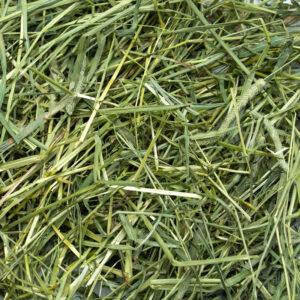
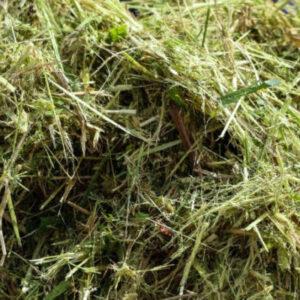
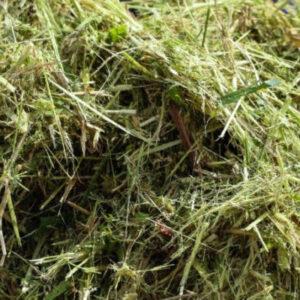
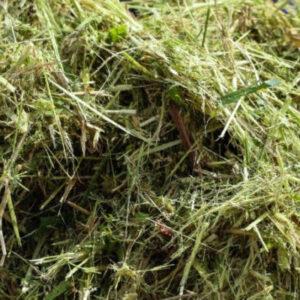
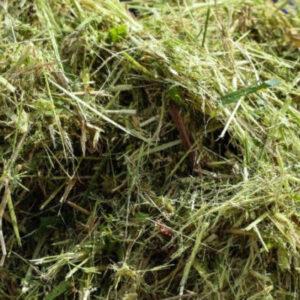
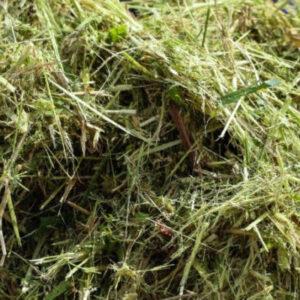
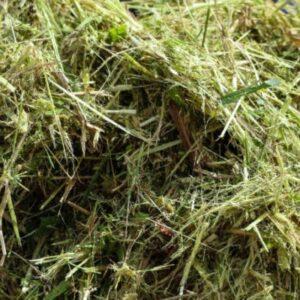
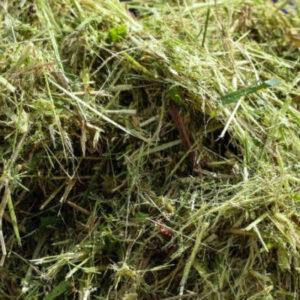
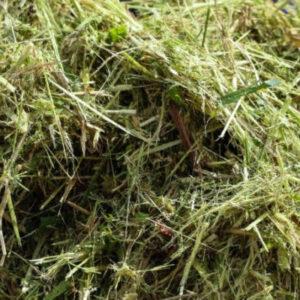
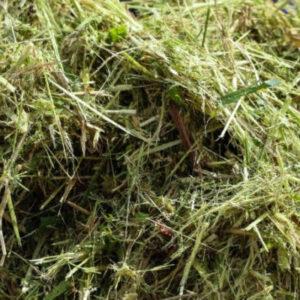
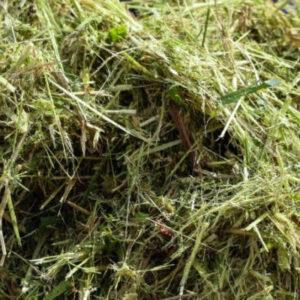
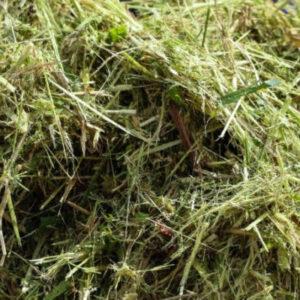
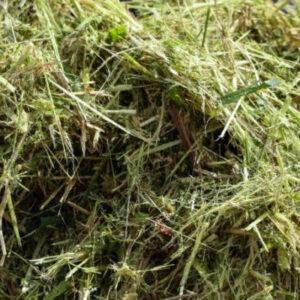
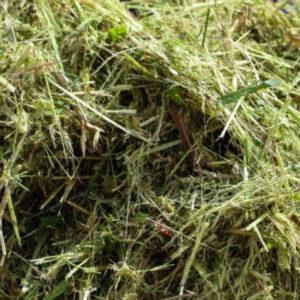
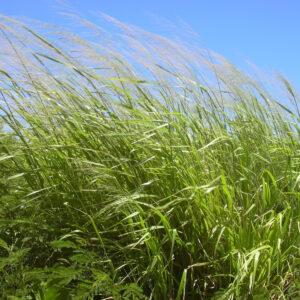
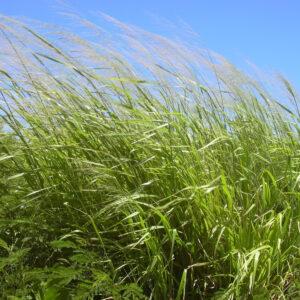
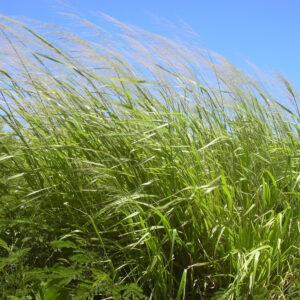
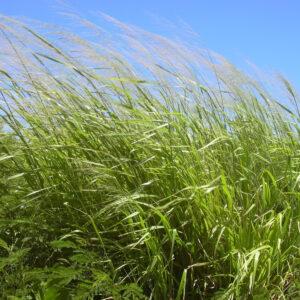
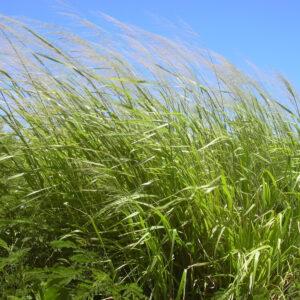
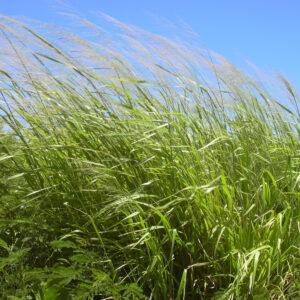
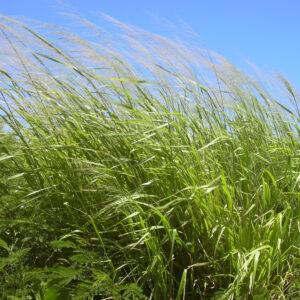
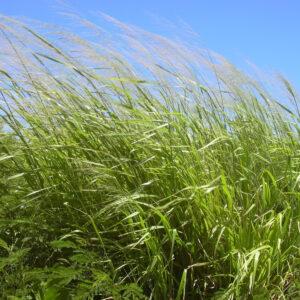
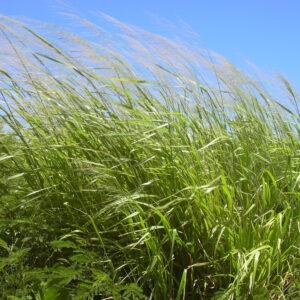
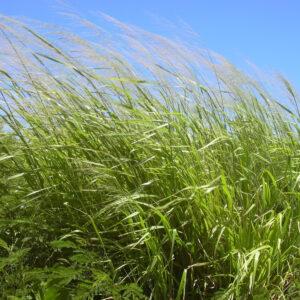
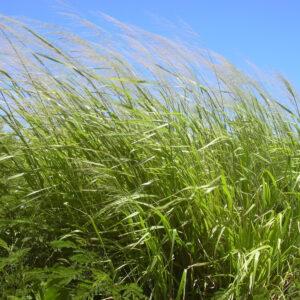
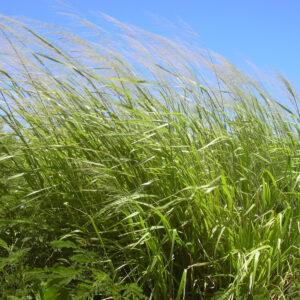
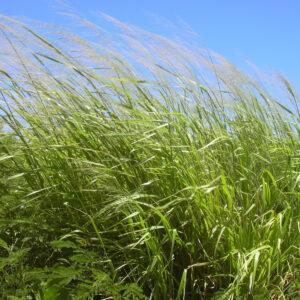
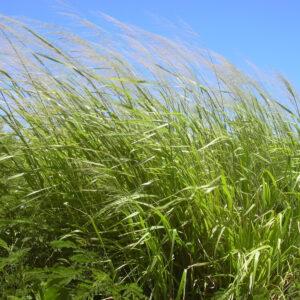
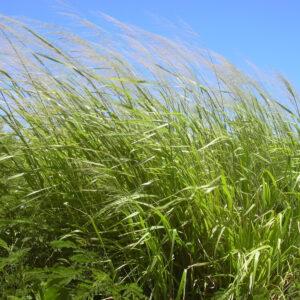
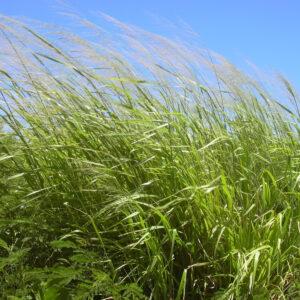
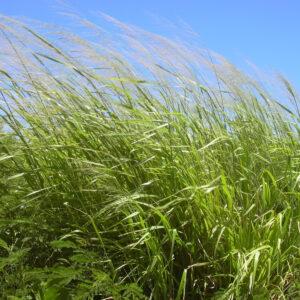
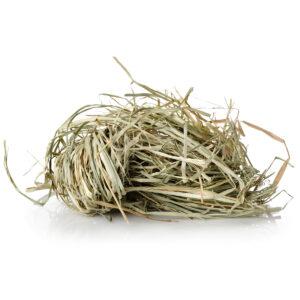
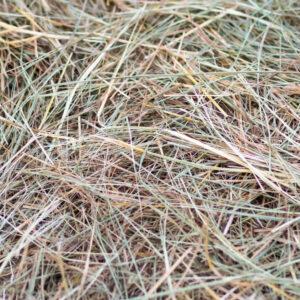
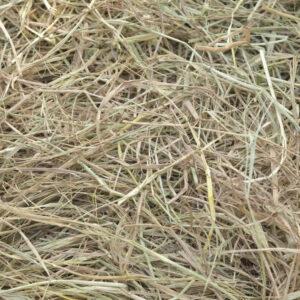
Grass forage refers to the fresh or dried grasses that serve as the primary fiber source in equine diets. Common types of grass forage include timothy, orchardgrass, brome, fescue, and Bermuda grass. It provides essential fiber, which supports gut health, proper digestion, and overall well-being in horses.

In equine nutrition, grass forage is typically fed as pasture, hay, or haylage, depending on availability and storage methods. It can be used as the primary forage source, processed into pellets or cubes as a forage replacement, or included as an ingredient in concentrate feeds to provide fiber-based calories. Grass forage supplies energy, protein, and important vitamins and minerals, though nutrient content varies based on grass species, soil quality, and maturity at harvest.

The following equine feeds, supplements and products contain Grass Forage as an ingredient.
Feeds, Supplements & Products
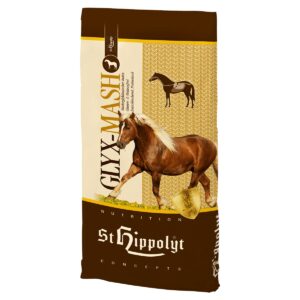
Glyx-Mash (St.Hippolyt)
Grain FreeGrain Free
Gut HealthGut Health
Low NSC FeedsLow NSC Feeds
PrebioticPrebiotic
Glyx-Mash by St.Hippolyt is a grain, gluten and molasses-free feed intended for horses with allergies or sensitivity to grains.
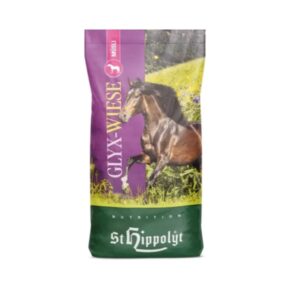
Glyx-Wiese Muesli (St.Hippolyt)
Grain FreeGrain Free
HealthHealth
NutrientsNutrients
NutritionNutrition
Glyx-Wiese Muesli by St.Hippolyt is a grain and molasses free feed intended for all horse types.
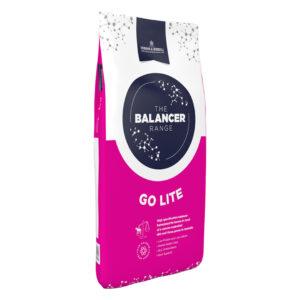
Go Lite Balancer (Dodson & Horrell)
Metabolic SyndromeMetabolic Syndrome
NutritionNutrition
Ration BalancerRation Balancer
Weight IssuesWeight Issues
Go Lite Balancer is a feed for horses that are overweight or prone to laminitis. This feed provides a low starch and low-calorie option, a higher level of biotin for hoof support, and yeast cultures to support a healthy hindgut.
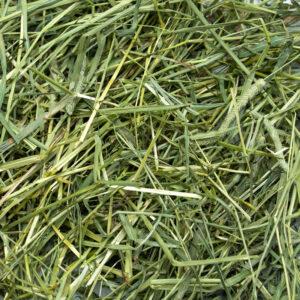
Golden Timothy Hay Brazil Fine Chop
DigestionDigestion
EnergyEnergy
FiberFiber
ForageForage
Golden Timothy Hay (Setaria anceps Stapf.) is a palatable forage for cattle. This tropical grass has good digestibility and is drought resistant.
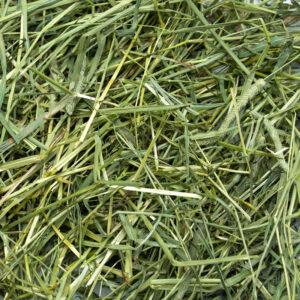
Golden Timothy Hay Brazil Long
DigestionDigestion
EnergyEnergy
FiberFiber
ForageForage
Golden Timothy, also known as golden millet (Setaria sphacelata var. anceps), is a tropical and subtropical perennial grass used as livestock forage.
Golden Timothy Hay Brazil Medium Chop
DigestionDigestion
EnergyEnergy
FiberFiber
ForageForage
Golden Timothy Grass (Setaria anceps Stapf) is a tropical perennial grass native to West Africa. It is a palatable and digestible forage for cattle.
Grass Silage – 10% CP 67% NDF
FiberFiber
ForageForage
Hay StretcherHay Stretcher
ProteinProtein
Grass silage is used in equine diets as an alternative to hay. Grass harvested at a later maturity has lower crude protein and higher fibre content.
Grass Silage – 16% CP 55% NDF
FiberFiber
ForageForage
Hay StretcherHay Stretcher
ProteinProtein
Grass silage can be used in place of hay in the horse's diet. Grass harvested at an earlier growth stage has higher crude protein and lower fibre content. This silage is suitable for horses with higher protein and energy requirements.
Grass Silage – 20% CP 48% NDF
FiberFiber
ForageForage
NutritionNutrition
ProteinProtein
Grass silage can be used in place of hay in the horse's diet. Grass harvested at an earlier growth stage has higher crude protein and lower fibre content. This silage is suitable for horses with higher protein and energy requirements.
Grass Silage – 7% CP 72% NDF
FiberFiber
ForageForage
Hay StretcherHay Stretcher
NutritionNutrition
Grass silage can be used in equine diets as an alternative to hay. Silage is commonly used when weather conditions limit hay production.
Grass Silage 12% CP 55% NDF
DigestionDigestion
FiberFiber
ForageForage
RespiratoryRespiratory
Grass silage consisting of fermented grasses is a common forage source for ruminants. It can be fed to horses when hay supplies are low. The protein content is low when the plant is harvested at a mature stage of growth.
Grass Silage 12% CP 60% NDF
DigestionDigestion
FiberFiber
ForageForage
RespiratoryRespiratory
Grass silage is a common forage source for ruminants worldwide, but it can be used for horses when hay supplies are limited. The protein content is lowest at older stages of growth.
Grass Silage 14% CP 50% NDF
DigestionDigestion
FiberFiber
ForageForage
RespiratoryRespiratory
Grass silage is produced by fermenting grass and is a common forage source for ruminants. It can be fed to horses when hay supplies are low. Protein content decreases and fibre increases as the plant matures.
Grass Silage 14% CP 55% NDF
DigestionDigestion
FiberFiber
ForageForage
RespiratoryRespiratory
Grass silage harvested at a late or mature stage of growth has higher fibre and lower protein content. It is a common feed for ruminants worldwide. Horses can also be fed grass silage when hay supplies are low.
Grass Silage 16% CP 45% NDF
DigestionDigestion
FiberFiber
ForageForage
RespiratoryRespiratory
Grass silage is produced by harvesting grass and fermenting it in oxygen-deprived conditions. It is fed to ruminants worldwide and can also be given to horses when hay supplies are limited.
Grass Silage 16% CP 50% NDF
DigestionDigestion
FiberFiber
ForageForage
RespiratoryRespiratory
Grass silage is a common forage source for ruminants worldwide. When hay supply is low, it can also be fed to horses. Protein and fibre content varies depending on the stage of maturity at harvest.
Grass Silage 18% CP 40% NDF
DigestionDigestion
FiberFiber
ForageForage
ProteinProtein
Grass silage is used worldwide as a high-protein forage source for ruminants. It serves as an alternative forage source for horses when hay supplies are limited.
Grass Silage 18% CP 45% NDF
DigestionDigestion
FiberFiber
ForageForage
ProteinProtein
Grass silage is produced by fermenting grasses and is a common forage source for ruminants. It can be fed to horses when hay supplies are low. Protein content decreases and fibre increases as the plant matures.
Grass Silage 20% CP 35% NDF
DigestionDigestion
FiberFiber
ForageForage
ProteinProtein
Grass silage is used worldwide as a high-protein forage source for ruminants. It can also be fed to horses when hay supplies are limited.
Grass Silage 20% CP 40% NDF
DigestionDigestion
FiberFiber
ForageForage
ProteinProtein
Grass silage is a common forage source for ruminants worldwide. When hay supply is low, it can also be fed to horses. Depending on the stage of maturity at harvest, protein and fibre content will vary.
Grass Silage 22% CP 34% NDF
DigestionDigestion
FiberFiber
ForageForage
ProteinProtein
Grass silage consists of fermented grasses. It is a common forage source for ruminants but can be fed to horses when hay supplies are low. Protein content decreases and fibre increases as the plant matures.
Grass Silage 22% CP 38% NDF
DigestionDigestion
ForageForage
ProteinProtein
Grass silage is a common forage source for ruminants worldwide. It is used for horses when hay supplies are limited. Protein and fibre content varies by stage of maturity when harvested and is highest at younger stages of growth.
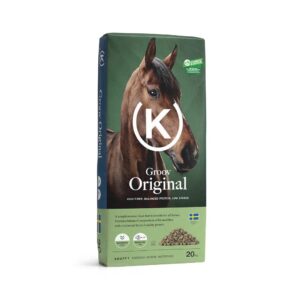
Groov Original (Krafft)
Complete FeedComplete Feed
EnergyEnergy
FiberFiber
ProteinProtein
Groov Original by Krafft is a supplementary feed intended to increase protein intake for horses of all ages and work level.
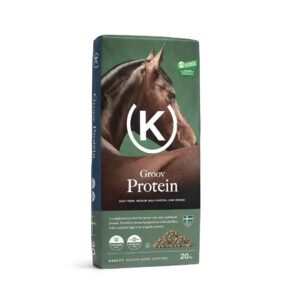
Groov Protein (Krafft)
FiberFiber
MuscleMuscle
PerformancePerformance
ProteinProtein
Groov Protein by Krafft is a supplementary feed designed to ensure a higher protein and fibre intake. It contains high protein levels and is intended for horses of all ages and work levels.
Guineagrass Fresh Fertilized Mexico Fine
DigestionDigestion
FiberFiber
ForageForage
NutritionNutrition
Guinea grass (Megathyrus maximus) is a fast-growing pantropical grass that is used for livestock hay and silage. It can also be used as a pasture if moisture and overgrazing is controlled.
Guineagrass Fresh Fertilized Mexico Long
DigestionDigestion
FiberFiber
ForageForage
NutritionNutrition
Guinea grass is a fast-growing pantropical grass, that is used for livestock hay and silage. It can also be used as a pasture grass if managed correctly.
Guineagrass Fresh Fertilized Mexico Med
DigestionDigestion
FiberFiber
ForageForage
NutritionNutrition
Guinea grass (Megathyrus maximus) is an aggressive perennial bunchgrass, that is usually used for hay and silage in tropical regions. It can also be grown as pasture grass as long as overgrazing is avoided.
Guineagrass Fresh Mexico Fine
DigestionDigestion
FiberFiber
ForageForage
NutritionNutrition
Guinea grass (Megathyrus maximus) is a fast-growing perennial bunchgrass, that is usually used for hay and silage in tropical regions. It can also be used as a pasture grass if the soil is not overly wet and care is taken to prevent overgrazing.
Guineagrass Fresh Mexico Long
DigestionDigestion
FiberFiber
ForageForage
NutritionNutrition
Guinea grass (Megathyrus maximus) is a fast-growing perennial bunchgrass, that is commonly used for hay and silage in tropical regions. It can also be used as a pasture grass if care is taken to reduce over-grazing.
Guineagrass Fresh Mexico Med
DigestionDigestion
FiberFiber
ForageForage
NutritionNutrition
Guinea grass (Megathyrus maximus) is a perennial bunchgrass, that is commonly used for hay and silage in tropical regions. It can also be used as a pasture grass if managed correctly.
Guineagrass Hay Brazil Fine Chop
DigestionDigestion
FiberFiber
ForageForage
NutritionNutrition
Guinea grass (Megathyrus maximus) is a fast-growing growing tropical bunchgrass used for livestock silage and hay. It is less frequently used as pasture due to its growing requirements.
Guineagrass Hay Brazil Long
DigestionDigestion
FiberFiber
ForageForage
NutritionNutrition
Guinea grass (Megathyrus maximus) is a quick-growing tropical bunchgrass used for livestock pasture, silage, and hay.
Guineagrass Hay Brazil Medium Chop
DigestionDigestion
FiberFiber
ForageForage
NutritionNutrition
Guinea grass (Megathyrus maximus) is a fast-growing tropical bunchgrass commonly used for livestock pasture, silage, and hay.
Guineagrass Hay Honduras Fine Chop
DigestionDigestion
FiberFiber
ForageForage
ProteinProtein
Guinea grass (Megathyrus maximus) is a perennial bunch grass, that is commonly used for hay and silage in tropical regions.
Guineagrass Hay Honduras Long
DigestionDigestion
FiberFiber
ForageForage
NutritionNutrition
Guinea grass (Megathyrus maximus) is a fast-growing pantropical grass that can be used for livestock pasture, silage, and hay.
Guineagrass Hay Honduras Medium Chop
DigestionDigestion
EnergyEnergy
FiberFiber
ForageForage
Guinea grass (Megathyrus maximus) is a fast-growing tropical grass that can be used for livestock pasture, silage, and hay.
Guineagrass Pasture Honduras Over Grazed
DigestionDigestion
EnergyEnergy
FiberFiber
ForageForage
Guinea grass pasture should not be grazed below 35 cm, as overgrazed pasture will have limited nutritious leaves and consist mainly of fibrous stems.
Guineagrass Pasture Honduras Well Managed
DigestionDigestion
EnergyEnergy
FiberFiber
ForageForage
Guineagrass pasture that is well-managed with adequate rest periods for regrowth has superior nutritional quality with more abundant leaves compared to unmanaged guineagrass pasture.
Guineagrass Silage Honduras Med
EnergyEnergy
FiberFiber
ForageForage
NutritionNutrition
Guineagrass (Megathyrsus maximus) is a perennial grass native to Africa. It is now grown throughout the tropics as a fast-growing forage source for ruminants. Oxalate and hydrocyanic acid content should be monitored.
Guinegrass Silage Honduras Coarse
DigestionDigestion
EnergyEnergy
FiberFiber
ForageForage
Guinea grass (Megathyrus maximus) is a fast-growing tropical forage used for pasture, hay, or silage. It is commonly used as a forage source for ruminants.
Guinegrass Silage Honduras Fine
EnergyEnergy
FiberFiber
ForageForage
NutritionNutrition
Guineagrass (Megathyrsus maximus) is a perennial found throughout the tropics. It is a fast-growing, bulky forage that can be used as pasture, hay, or silage.
Hay – High Quality (Ontario Average)
DigestionDigestion
ExerciseExercise
FiberFiber
ForageForage
This represents the composition of a high-quality mixed legume/grass hay in Ontario, Canada. It contains 13% CP and 52% NDF. This is a suitable hay choice for breeding and performance horses.
Hay – Low Quality (Ontario Average)
Easy KeeperEasy Keeper
FiberFiber
ForageForage
Metabolic SyndromeMetabolic Syndrome
This represents the composition of a low-quality mixed grass hay in Ontario, Canada. It contains 7% CP and 65% NDF. This is a suitable hay type for easy keepers or horses with metabolic concerns.
Hay – Mid Quality (AB AVG)
DigestionDigestion
FiberFiber
ForageForage
HealthHealth
This represents the composition of a mid-quality mixed legume/grass hay in Alberta, Canada. It contains 10% CP and 57% NDF.
Hay – Mid Quality (BC AVG)
DigestionDigestion
FiberFiber
ForageForage
HealthHealth
This represents the composition of a mid-quality mixed legume/grass hay in British Columbia, Canada. It contains 10% CP and 57% NDF.
Hay – Mid Quality (Central US)
DigestionDigestion
FiberFiber
ForageForage
HealthHealth
This hay represents the composition of a mid-quality mixed legume/grass hay in Central US. It contains 10% CP and 57% NDF.
Hay – Mid Quality (MB AVG)
DigestionDigestion
FiberFiber
ForageForage
HealthHealth
This represents the composition of a mid-quality mixed legume/grass hay in Manitoba, Canada. It contains 10% CP and 57% NDF.
Hay – Mid Quality (NB AVG)
DigestionDigestion
FiberFiber
ForageForage
HealthHealth
This represents the composition of a mid-quality mixed legume/grass hay in New Brunswick, Canada. It contains 10% CP and 57% NDF.
Hay – Mid Quality (NE US)
DigestionDigestion
FiberFiber
ForageForage
HealthHealth
This represents the composition of a mid-quality mixed legume/grass hay in Northeastern US It contains 10% CP and 57% NDF.
Hay – Mid Quality (NL AVG)
DigestionDigestion
FiberFiber
ForageForage
HealthHealth
This represents the composition of a mid-quality mixed legume/grass hay in Newfoundland and Labrador, Canada. It contains 10% CP and 57% NDF.

Related Ingredients

Is Your Horse's Diet Missing Anything?

Identify gaps in your horse's nutrition program to optimize their well-being.