English
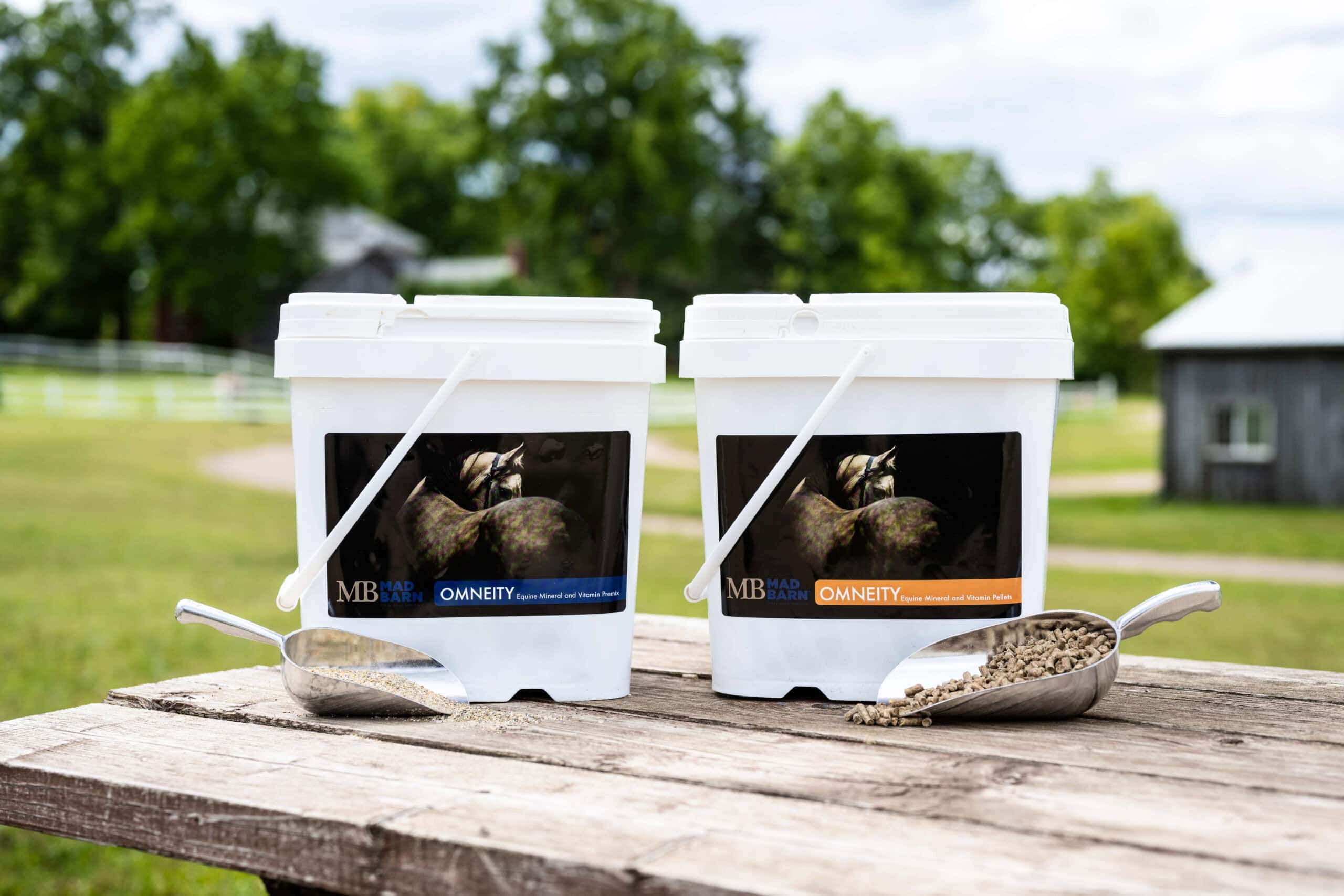
Omneity® is Mad Barn’s all-in-one vitamin and mineral supplement designed to help horses address their complete nutritional requirements by filling common gaps in forage- and grain-based diets.
Many horses get enough energy and protein in their diet, but lack key vitamins, minerals, amino acids, and other nutrients that are necessary to support normal physiological function. Without these nutrients, horses can experience hoof problems, skin and coat issues, poor performance, impaired muscle development, and other concerns.
Horses on forage-only diets require supplemental vitamins and minerals to balance nutrients that forage does not provide in adequate amounts. But even horses on underfortified grain rations often need supplementation to prevent deficiencies.
Omneity® is ideal as a ration-balancing supplement because it is highly concentrated, providing essential nutrients without adding significant calories or bulk to the diet. One formula can also replace multiple products including hoof, coat, and other targeted supplements, saving horse owners time and money in the feed room.
Omneity® combines high-quality organic trace minerals, vitamins, amino acids, antioxidants, biotin, digestive enzymes, and live yeast culture to support the horse’s overall needs in one comprehensive daily supplement.
Keep reading this Omneity® review for a closer look at the ingredients and science behind this best-selling nutritionist-formulated supplement.
Why Horses Need a Vitamin & Mineral Supplement
Forage should be the foundation of every horse’s diet. Hay and pasture provide fiber, support normal hindgut fermentation, and help meet energy and protein needs.
But forage alone will not provide a complete nutrient profile for horses. Gaps are common in forage-based feeding programs because hay and pasture vary in nutrient content depending on environmental conditions, geographic region, plant species, and harvest practices. [1]
Factors that can affect vitamin and mineral levels in forage include: [2][3]
- Soil mineral composition, pH, and nutrient availability
- Forage species and cultivar
- Plant maturity at harvest
- Cutting number and harvest conditions
- Rainfall, temperature, and other growing conditions
- Drying and curing methods after harvest
- Length and conditions of storage
Some nutrients decline further after forage is harvested. Once grass is cut and no longer actively growing, vitamin E and beta-carotene (the precursor to vitamin A) begin to degrade during drying and storage. [4]
As a result, hay contains much less of these nutrients than fresh pasture, with losses increasing the longer it is stored. This makes horses on hay-based diets more susceptible to deficiencies in these vitamins than horses with regular access to fresh pasture.
Even when a horse maintains weight and appears healthy, subclinical nutrient deficiencies can still affect normal physiological function in subtle ways. More obvious signs may only become apparent as deficiencies worsen or additional stressors increase nutritional demands. [5][6][1][7]
Based on this, most horses need a vitamin and mineral supplement to consistently meet their daily nutrient requirements. [7]
Supplementation helps fill common gaps in forage and provides nutrients needed to support healthy hooves and coat, metabolic and immune function, muscle function, exercise recovery, and overall health.
A well-formulated supplement should complement your horse’s forage by supplying essential vitamins, minerals, and other nutrients in amounts that help bring the total diet closer to the horse’s requirements.

Do Horses on Grain Need Vitamins & Minerals?
Commercial feeds can contribute vitamins and minerals to the diet, but their nutrient guarantees are dependent on feeding the full recommended amount based on the horse’s body weight and activity level.
For a typical adult horse, some complete feeds are formulated with feeding rates of 10 – 20 lb (4.5 – 9 kg) per day.
However, many easy keepers, maintenance horses, and horses with lower calorie needs are intentionally fed less than the recommended amount because they do not need the additional calories. Horse owners may also feed below the tag rate to reduce feed costs.
When a fortified feed is underfed, the horse also receives proportionally less of the added vitamins and minerals. A horse receiving half the recommended amount of feed will only receive about half of the intended fortification, which can leave major gaps in the diet. [6][8]
Even at the full feeding rate, grain-based feeds differ in the amounts and forms of nutrients they provide. Many use inorganic sources of trace minerals, which are not absorbed as efficiently as organic or chelated minerals, particularly when other minerals and dietary compounds interfere with absorption.
Grain feeds also do not necessarily provide every nutrient at optimal levels for the individual horse. Some formulas contain limited B-vitamin fortification or relatively low amounts of biotin, vitamin E, amino acids, and other nutrients, so horse owners must add separate hoof, coat, or performance supplements to provide these nutrients in adequate amounts.
For these horses, a comprehensive vitamin and mineral supplement can do more than compensate for an underfed grain ration. It can improve the overall quality of the diet by providing highly bioavailable minerals and optimal amounts of additional nutrients in one concentrated serving.
What's your top priority with your horse's health?

What's your top priority with your horse's health?
Mad Barn Omneity®: Comprehensive Vitamin & Mineral Support
Omneity® is Mad Barn’s all-in-one vitamin and mineral supplement for horses, designed to balance the majority of forage- and grain-based diets.
Omneity® was developed by Mad Barn founder and nutritionist Scott Cieslar, MSc, when he wanted higher-quality nutritional support for his own horses.
While there were many equine supplements available at the time, most products focused on a single nutritional concern, such as hoof quality, coat condition or muscle health.
Using several of these products together could result in excessive amounts of some nutrients while still leaving other requirements unmet. More comprehensive products were often too expensive, used low-quality ingredients, or contained additives Scott did not want, such as added iron.
To solve this, Scott formulated his own complete vitamin and mineral supplement to deliver a precisely balanced nutrient profile in one concentrated, low-NSC daily serving.
The formula was developed using hundreds of forage analyses and real-world equine diets to identify common nutrient deficiencies and imbalances.
Unlike basic ration-balancing supplements, Scott formulated Omneity with higher-quality organic trace minerals for better bioavailability, complete B-vitamin fortification, a full daily serving of vitamin E, 20 mg of biotin for hoof health, and yeast and digestive enzymes to support gut function, all without unnecessary added iron or excess sugar and starch.
As Scott began feeding the formula, other horse owners noticed the condition of the horses in his care and asked to start using his supplement. That product eventually became Omneity® and ultimately led to the founding of Mad Barn.
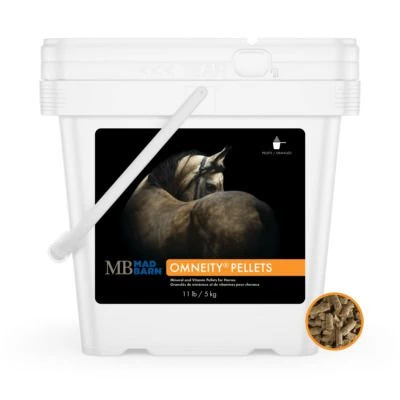
Omneity® is currently available in two forms: pellets and a powdered premix. Both provide the same nutrition, so the choice comes down to feeding preferences.
Omneity® Pellets provide vitamins and minerals in a palatable pelleted form, with low-NSC oat hulls used as a pelleting agent.
The pellets are a convenient option for picky eaters, boarding barns, and feeding programs where pellets are easier to measure and serve consistently.
Omneity® Premix is the powdered version and is the more economical option, costing only $0.84 per day on a subscription.
It can be top-dressed onto the horse’s regular feed or offered free choice, making it the more economical option for horses that already receive a suitable carrier such as beet pulp, soaked hay cubes, or another concentrate.
What Makes Omneity® Different?
Horse owners have many options for supplementing vitamins and minerals, including ration balancers, multipurpose formulas, and single-ingredient products.
All of these products are intended to help meet nutrient requirements, but they differ in how completely they balance the diet, the quality and amounts of nutrients they provide, and the additional benefits they offer beyond basic fortification.
This is important because vitamins and minerals influence a wide range of physiological functions in the horse’s body. Adequate intake of these essential nutrients supports hoof growth, coat quality, muscle function, immune defenses, antioxidant protection, electrolyte balance, metabolism, and mood balance.
Omneity® was designed to go beyond basic vitamin and mineral coverage, providing comprehensive nutritional support for horses of all classes and activity levels. Its formula combines essential nutrients with amino acids, biotin, antioxidants, yeast, and digestive enzymes at levels selected to support the outcomes horse owners care about most.
The goal is to give horse owners one concentrated daily supplement that addresses the major nutritional needs commonly left unmet in equine diets. Whether your horse is on a forage-based diet or receives fortified grain, Omneity helps provide more complete and consistent nutritional coverage without requiring multiple overlapping supplements.
“Because it's formulated with high-quality essential nutrients, Omneity® helps support all aspects of your horse's health — hooves, immune system, and everything in between.”
— Dr. Fran Rowe, DVMVeterinarian & Nutritionist
Omneity® vs. Basic Vitamin Mineral Supplements
Basic vitamin and mineral supplements can help fill nutrient gaps, but many rely on inorganic mineral sources such as zinc sulfate, copper sulfate, manganese oxide, and sodium selenite.
These ingredients are less bioavailable and affected by interactions with other minerals in the digestive tract. In horses consuming high-iron hay, this can further reduce the absorption of nutrients such as zinc and copper.
Furthermore, basic products often do not provide optimal levels of all essential nutrients. Some leave out key nutrients, provide only small amounts of vitamins such as biotin, or do not include essential amino acids.
Live yeast and digestive enzymes may also be absent or included at token levels that are too low to have a meaningful physiological effect.
Omneity® vs. Ration Balancers
Traditional ration balancers can support broader nutritional requirements, but they are less concentrated and require larger serving sizes to meet daily needs.
This is because ration balancers are typically made with calorie- and protein-containing ingredients such as soybean meal, alfalfa meal, wheat middlings, and other feedstuffs. These products usually contain 28 – 32% crude protein and are fed at approximately 1 – 2.5 lb (0.45 – 1.1 kg) per day.
However, most horses already receive enough energy and protein from their forages. For these horses, feeding a ration balancer can add unnecessary protein and calories while requiring a larger daily serving and higher cost to provide vitamin and mineral fortification.
In comparison, an average 1,100 lb (500 kg) horse can have its daily vitamin and mineral needs covered with just 120 g (4.2 oz), or approximately one-quarter of a pound, of Omneity® Premix. A typical ration-balancer serving can weigh four to nine times as much.

More importantly, Omneity® can provide more complete nutrition while simplifying the feeding program. Horses receiving Omneity® typically do not need separate hoof, antioxidant, coat, amino acid, or trace mineral supplements to cover these same nutritional needs.
Some premium ration balancers do include biotin, amino acids, or digestive-support ingredients, but they may not provide all of these nutrients at meaningful levels in a single formula. Adding separate supplements can increase both cost and complexity.
Omneity® is different because it combines these nutrients and functional ingredients at effective inclusion levels in one concentrated daily formula:
- 100% organic trace minerals: Most ration balancers rely primarily on inorganic trace minerals, while some use a combination of organic and inorganic sources. Omneity® provides zinc, copper, manganese, and selenium entirely from organic sources, including 498 mg of zinc, 120 mg of copper, 240 mg of manganese, and 2.4 mg of selenium per full serving. Zinc, copper, and manganese are supplied as proteinates, while selenium is provided as organic selenium yeast. Omneity® is also formulated without added iron.
- 20 mg of biotin: Some ration balancers either do not include biotin or provide only small amounts, often around 1 – 5 mg at the recommended feeding rate. Omneity® provides 20 mg per serving, matching the physiologically effective dose used in equine hoof studies.
- Complete B-vitamin fortification: Many ration balancers provide only selected B-vitamins, and some do not include a complete B-vitamin complex at all. Omneity® guarantees daily amounts of thiamine, riboflavin, niacin, pantothenic acid, pyridoxine, vitamin B12, biotin, folic acid, and choline.
- Vitamin and antioxidant coverage: A full serving supplies 1,020 IU of vitamin E, 360 mg of vitamin C, and 2.4 mg of organic selenium to support antioxidant defenses, immune function, muscle health, and exercise recovery. Many ration balancers provide only partial antioxidant coverage, lower inclusion levels, or omit nutrients such as vitamin C entirely.
- Essential amino acids: Each serving of Omneity® provides 3.4 g of lysine, 1.1 g of methionine, and 1.4 g of threonine to complement the protein supplied by forage. Some ration balancers guarantee crude protein without supplementing individual amino acids, so horses may still fall short in limiting amino acids even when total protein intake is adequate.
- Two forms of digestive support: Omneity® combines Yea-Sacc® live yeast culture with Allzyme® SSF digestive enzymes to support hindgut microbial activity, feed breakdown, and nutrient utilization. Many ration balancers do not include live yeast or digestive enzymes, and some add them only at low inclusion levels.
- Low-NSC formula: Omneity® is low in starch and sugar, with no unnecessary added sugars or starches and minimal calories per serving. It is suitable for horses that do not need additional feed volume, as well as those on controlled-starch or lower-calorie diets.
At just $0.84 per day with a subscription, Omneity® Premix is also a more affordable way to meet a horse’s nutritional requirements. A (55 lb) 25 kg bag provides 208 servings and will last almost seven months for a 1,100 lb (500 kg) horse.
Many ration balancers cost around $1.00 – $1.60 per day at recommended feeding rates, with some premium formulas costing considerably more. Cheaper ration balancers can bring the daily feed cost down, but the tradeoff is usually a less complete nutrient profile.
They may provide lower amounts of vitamin E or biotin, rely on lower-cost inorganic mineral sources, include less complete B-vitamin fortification, provide lower levels of supplemented amino acids, or skip meaningful amounts of live yeast and digestive enzymes.
That means the lowest-cost ration balancer is not always the lowest-cost feeding program. If separate hoof, antioxidant, amino acid, or digestive supplements are needed to provide the nutrients missing from the ration balancer, the combined daily cost can easily exceed the cost of Omneity® alone.

“Omneity is a product we often rely on as a simple, all-in-one way to balance the diet with high-quality nutrients, especially when forage-based feeding programs need a solid nutritional foundation.”
— Dr. Brittany Kerley, PhDEquine Nutritionist
Benefits of Feeding Omneity®
After starting Omneity®, horse owners often notice a shinier coat, richer coat color, stronger new hoof growth, and a fuller topline.
Reviews also describe results including more visible dapples, harder feet, less cracking, better shoe retention, and increased mane and tail growth.
Some results, particularly coat shine, will become visible within the first few weeks of feeding Omneity®. Other results, such as hoof quality and topline, take longer because they depend on the growth of new tissue. [6][9]
- Skin & Coat Health: Coat shine is often one of the first changes owners notice, with some reporting a visible difference within two to five weeks. Over time, owners may also see deeper color, less fading when turned out in the sun, and more visible dapples. In a 16-week Omneity® field study, the average coat-color score among supplemented horses increased from 2.75 to 4.63. However, the control horses darkened by a similar amount as seasonal UV exposure declined, so the difference between groups was not statistically significant.
- Improved hoof growth: In the same controlled field study, Friesian geldings fed Omneity® with additional zinc and copper to balance unusually high-iron forage grew hoof wall 22% faster than unsupplemented controls. Average growth over 71 days was 3.77 cm in the supplemented group compared with 3.10 cm in the control group.
- Stronger new hoof horn: Investigators also observed more uniform new hoof growth and fewer cracks in the supplemented horses. Omneity® customers report related changes such as harder feet, less chipping, reduced cracking, and better shoe retention. Existing weak or damaged horn cannot be repaired, so the improvement appears in the new hoof wall growing down from the coronary band.
- Fuller topline and better muscling: Omneity® supplies limiting amino acids, vitamins, and minerals involved in muscle protein synthesis, contraction, tissue repair, and antioxidant protection. In a Mad Barn case study, a five-year-old Appendix gelding showed visible improvements in topline and overall muscling within two months after Omneity® was added to a revised feeding program.
- Healthier mane and tail growth: Horse owners also report longer, thicker manes and tails, stronger hair growth, and less fading or breakage at the ends. These changes develop gradually as new hair replaces older growth and are generally more apparent after several months of consistent feeding.
Omneity® should be fed as part of a complete, balanced diet. It is formulated to supply vitamins, minerals, amino acids, and other nutrients that complement the rest of the feeding program, but it does not replace good-quality forage, adequate calorie and protein intake, or access to clean water and salt.
The horse’s overall diet and management will influence how well these nutrients can support normal tissue growth and body condition. Appropriate exercise is also necessary for muscle development and topline, while consistent daily feeding is important for maintaining a steady supply of nutrients over time.
What Horse Owners Report After Feeding Omneity®
For more than a decade, Omneity® has been fed to thousands of horses to help balance their diets and support healthy hooves, coat quality, topline, and overall condition. These testimonials highlight some of the changes horse owners have reported with consistent feeding.
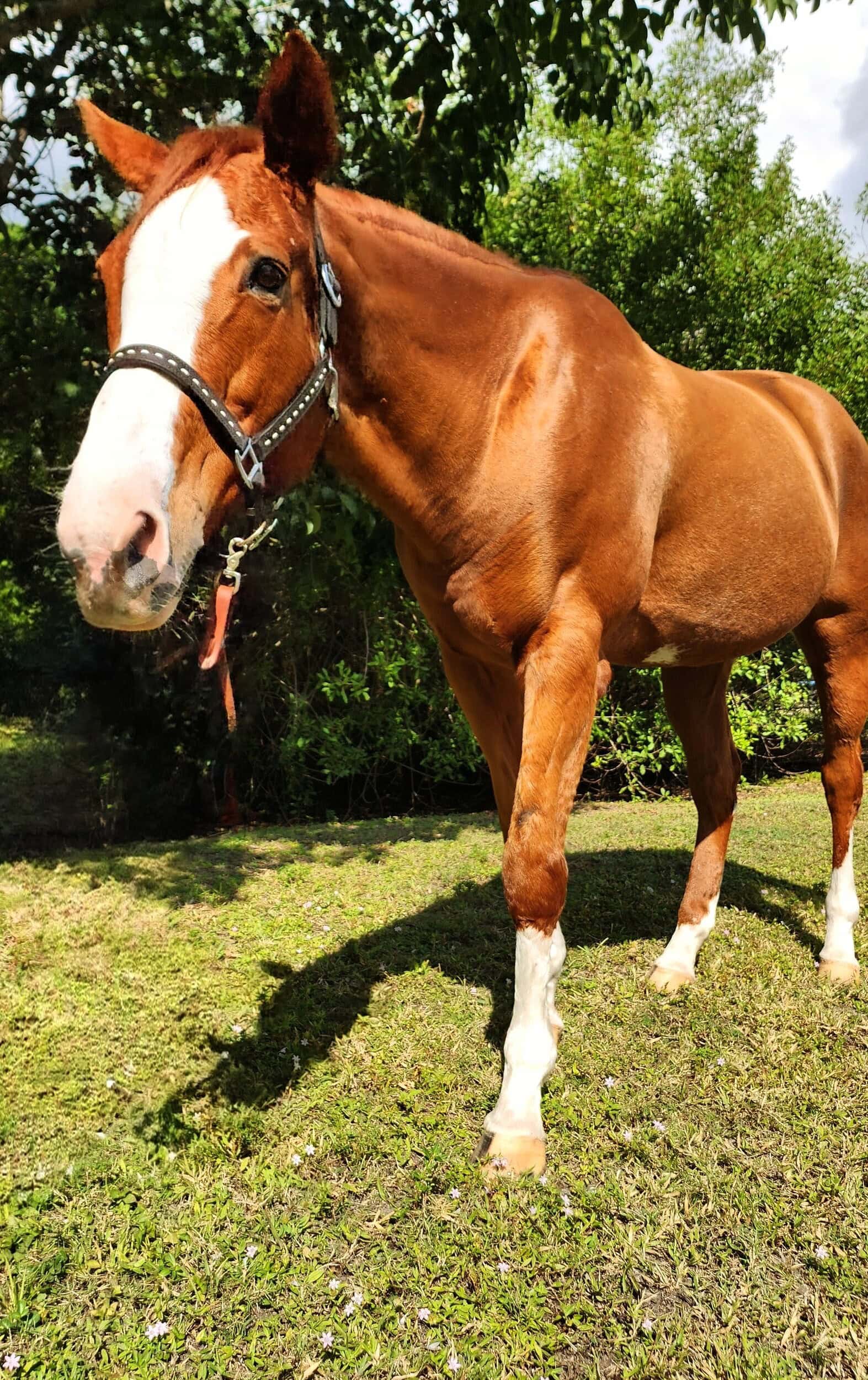
“Within the first 6 months my farrier pointed out not only how much growth she had but how strong her feet had become.”
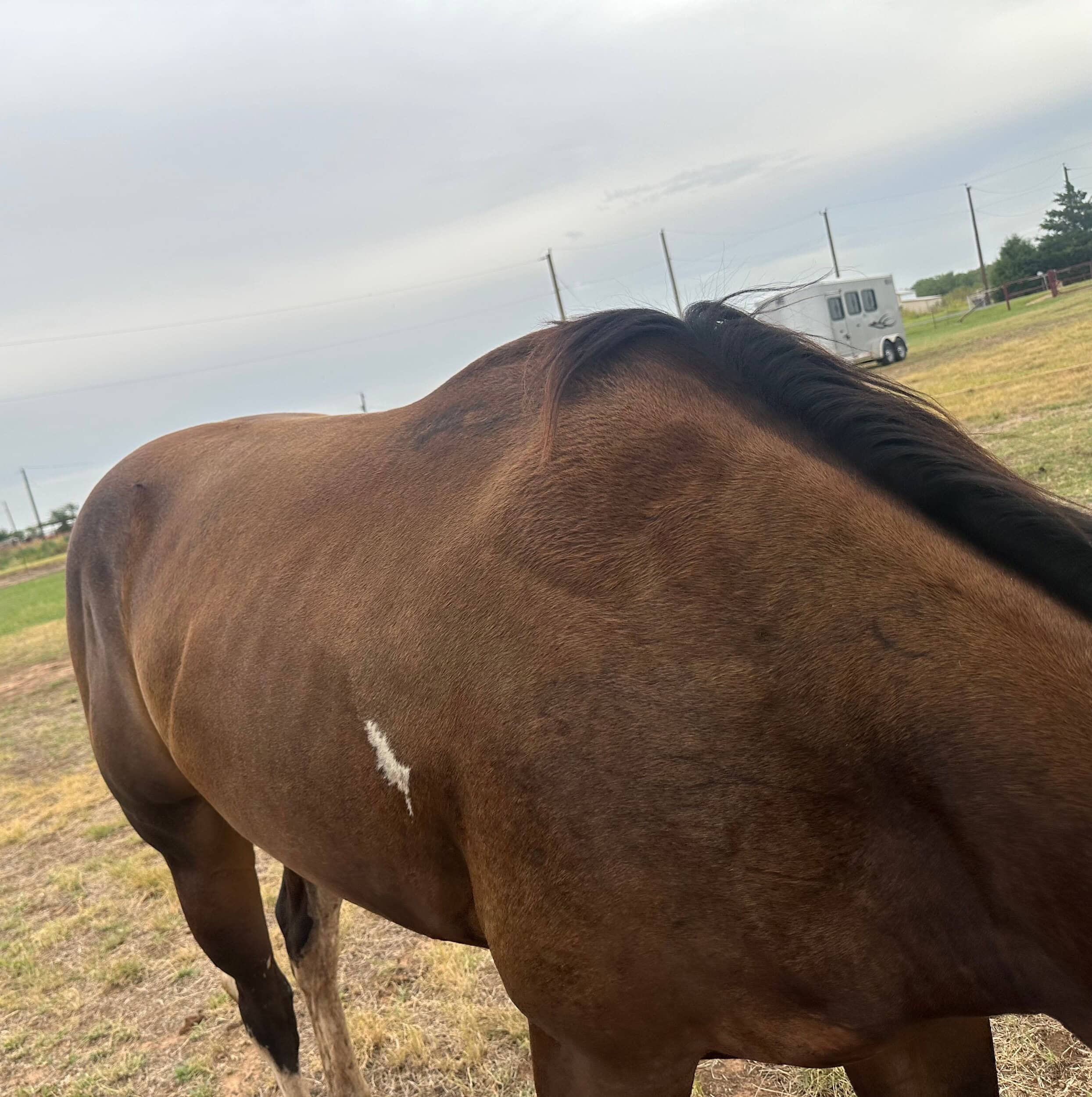
“I see a big improvement in my horses top line, coat and overall appearance. She also seems less stressed and more chill!”
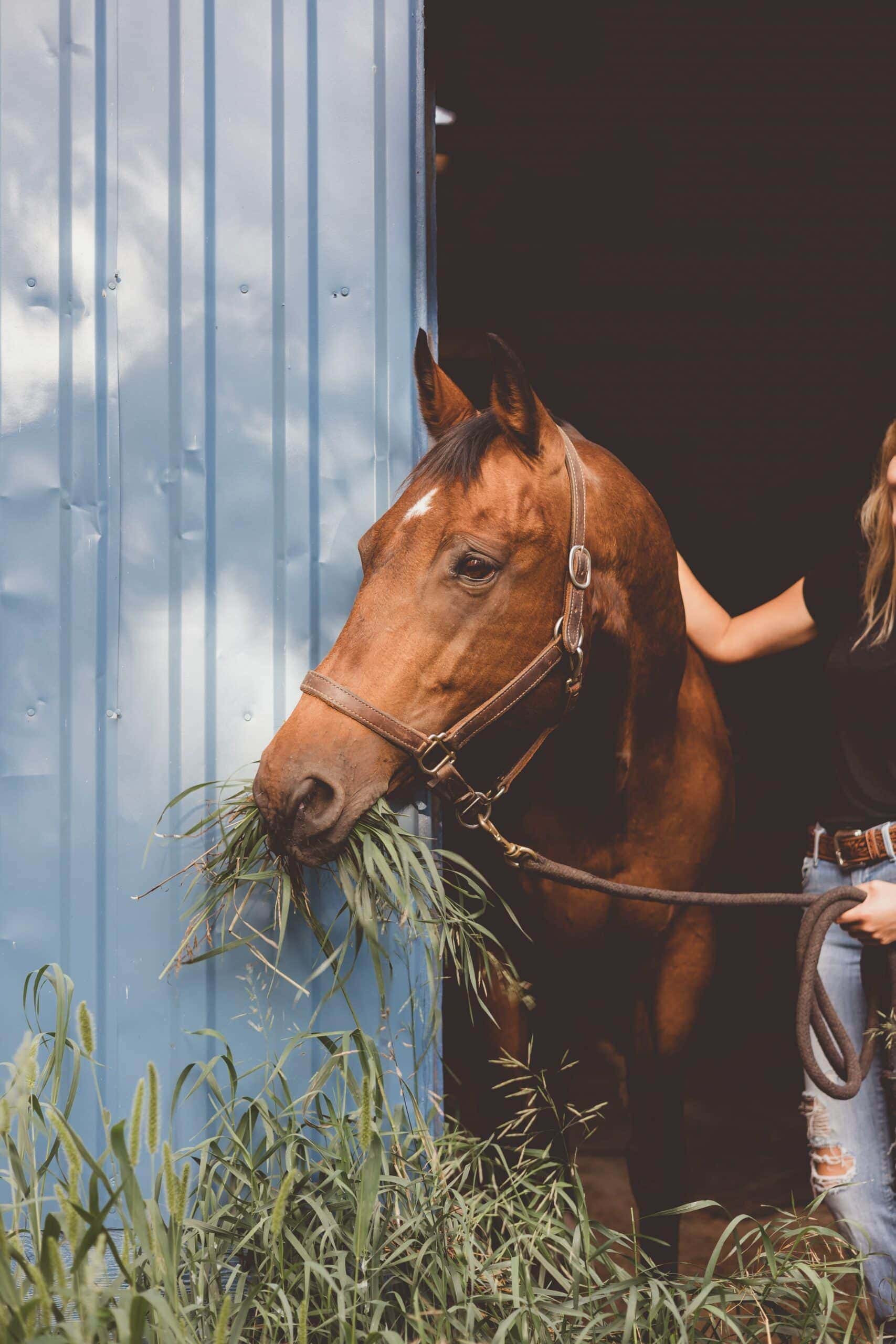
“Once we started him on Omneity, his feet have done a complete 180!! No cracking, no chipping and they look so much better!”
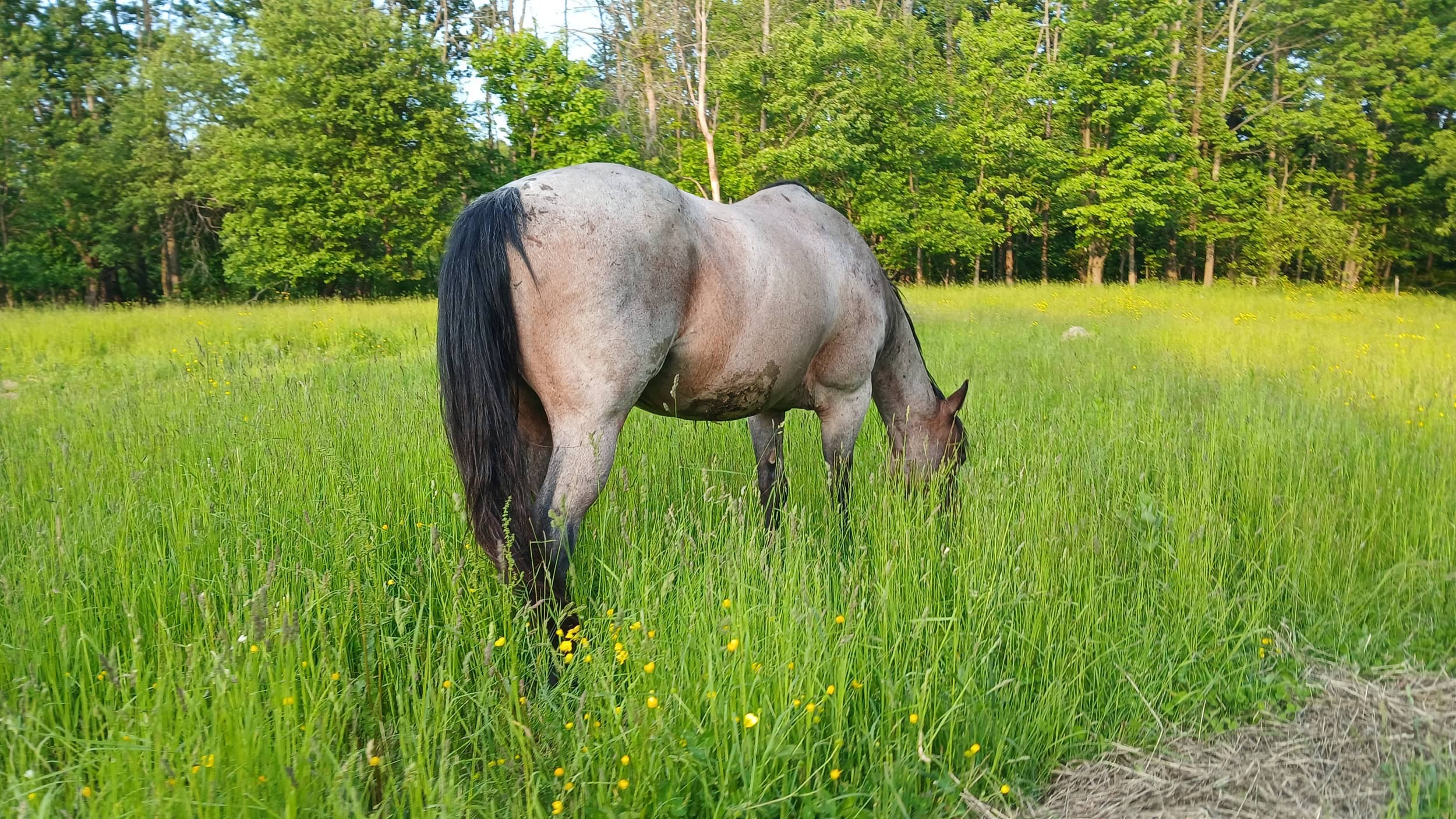
“We were very happy with the results, her feet were growing a much better hoof wall, her coat bloomed!”
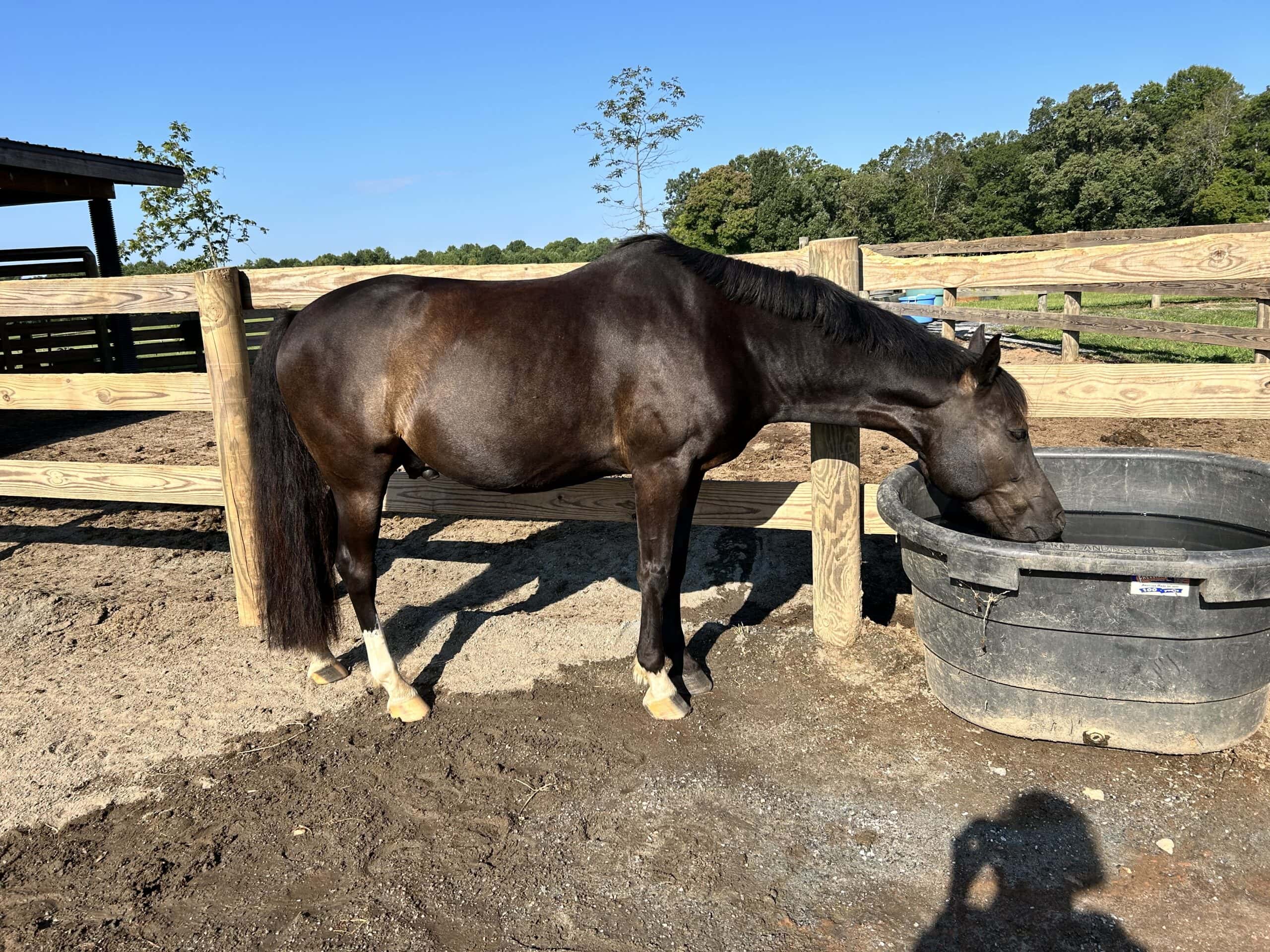
“His coat absolutely gleamed with dapples popping through. He even made it through the Carolina summer with minimal bleaching.”
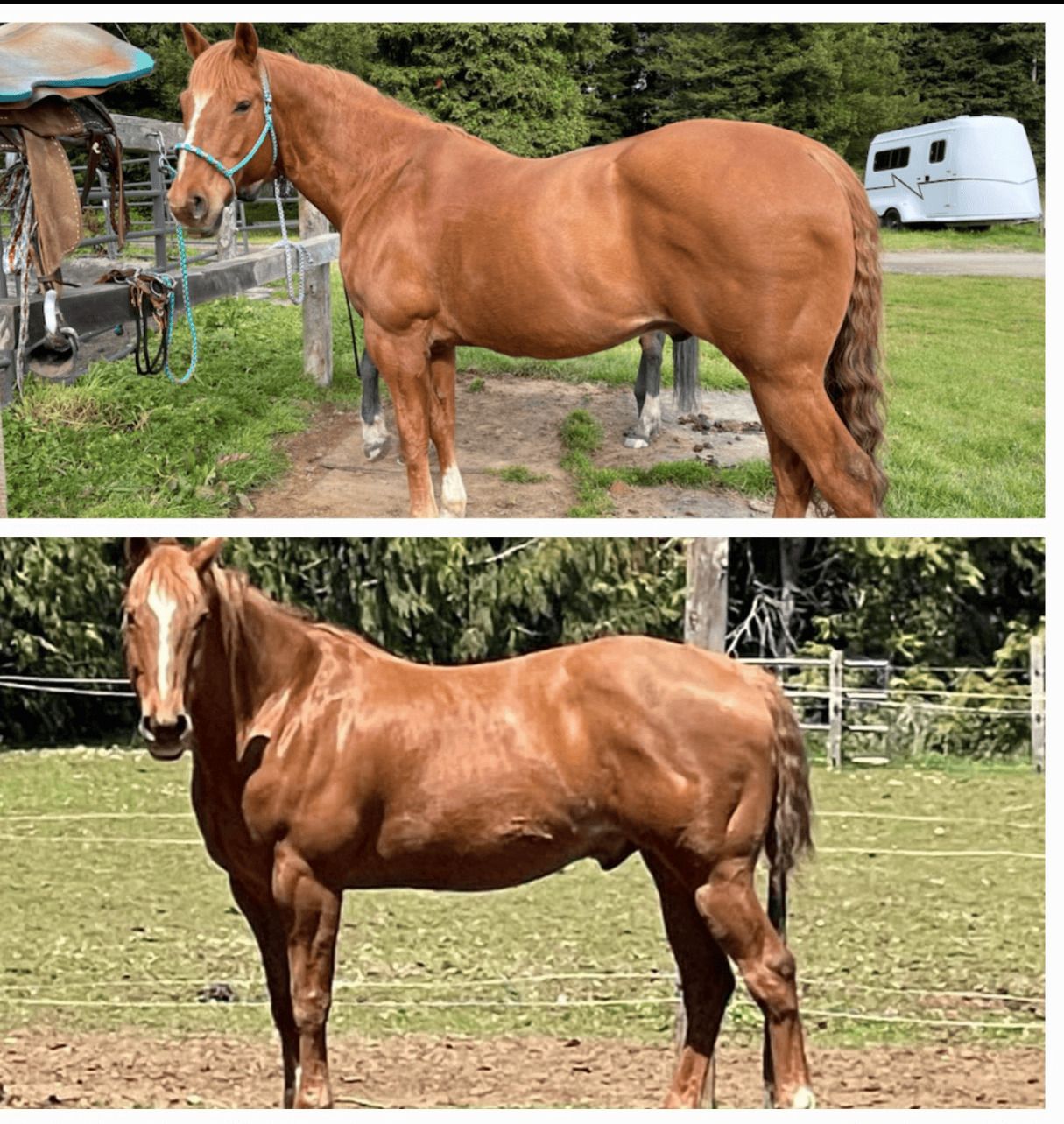
“I’ve noticed major changes in his coat, muscle, and feet. He’s a whole new horse and I will always have it in my feed routine.”
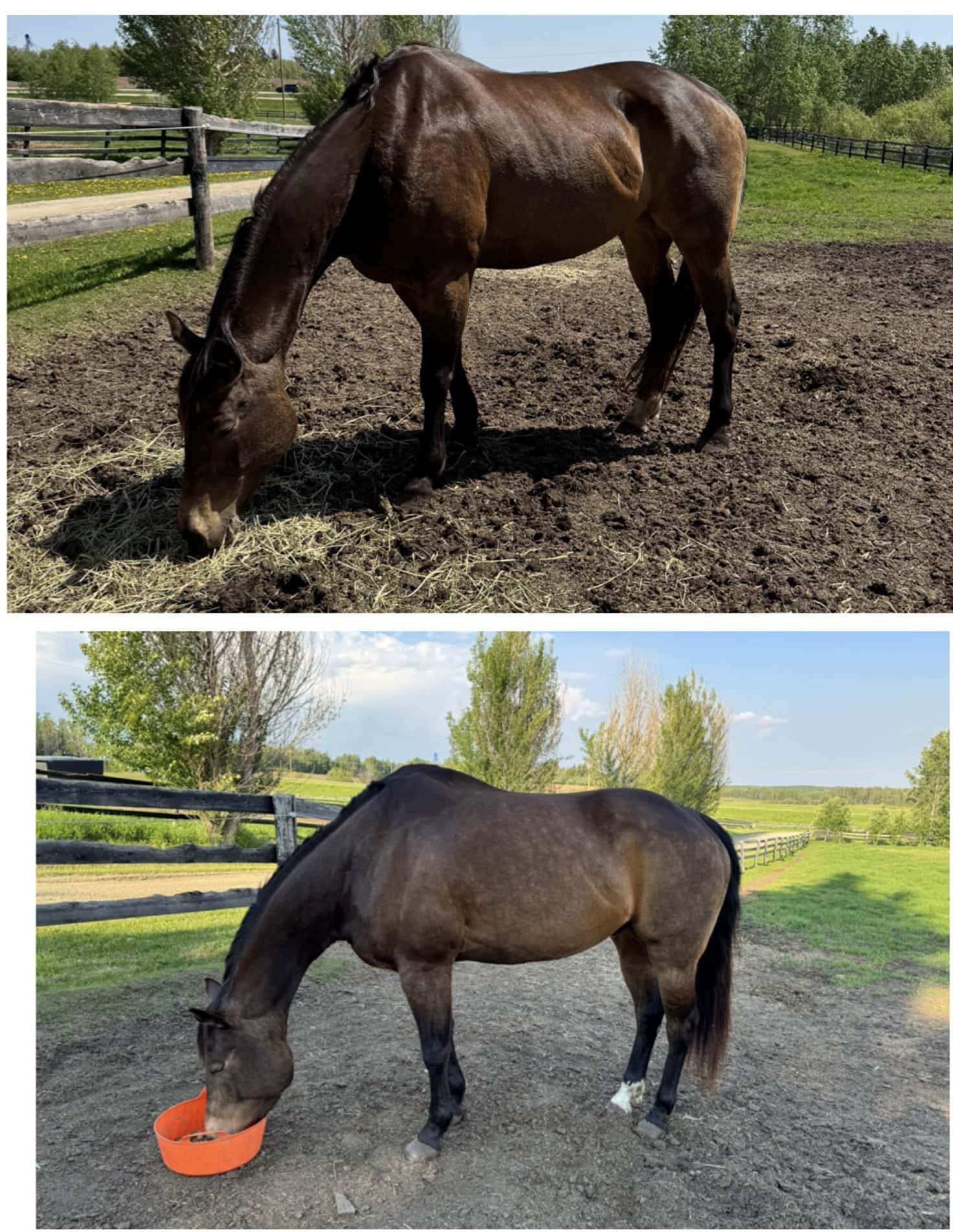
“His coat has a healthier shine, his hooves are already showing signs of improvement, and his overall attitude has noticeably lifted.”
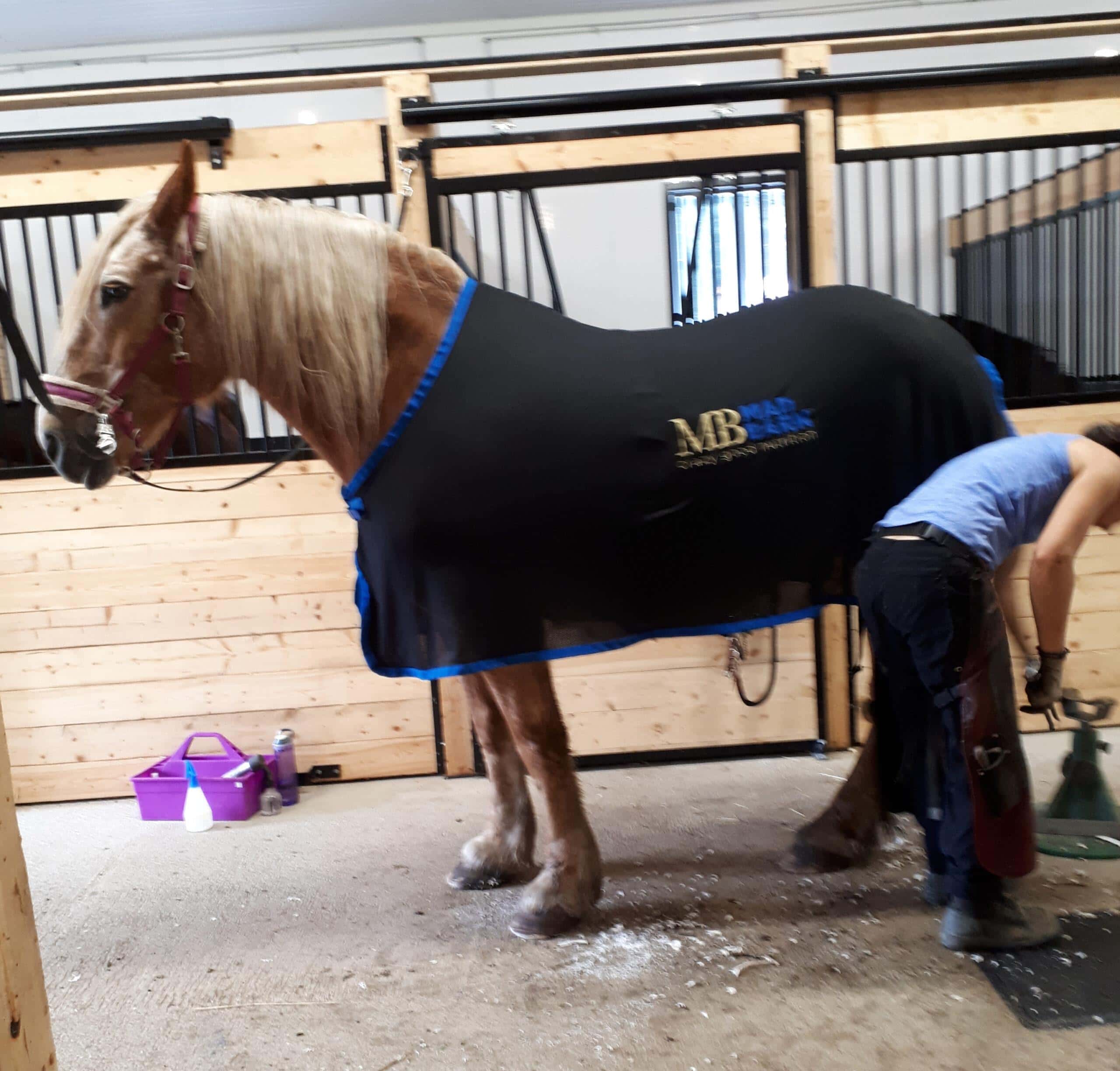
“I have never seen a crack in their hooves since they have gone on these products- for several years!”
The results horse owners notice after feeding Omneity® will vary depending on the horse’s initial diet, age, health, workload, and how consistently the supplement is fed.
Horses with larger nutritional gaps may show more noticeable changes, while improvements in hoof health, topline, and body condition usually develop over time.
Read more verified Omneity® customer reviews, view additional before-and-after photos, and see how other horse owners are using Omneity® as part of their feeding programs.
Omneity® Ingredients Review
The positive results attributed to feeding Omneity® come from its carefully selected ingredients and professionally balanced nutrient profile, designed to optimally meet the daily requirements of most horses.
The table below shows the different types of ingredients found in Omneity® and how these ingredients support various aspects of horse health, performance, and well-being.
Table 1. Active ingredient categories in Omneity® and their nutritional roles [1][6]
| Ingredient category | Examples | Primary role | Influence on the horse |
|---|---|---|---|
| Organic trace minerals |
|
Mineral balance and enzyme support |
|
| Vitamins and antioxidants |
|
Antioxidant, immune, muscle, and tissue support |
|
| B-vitamins |
|
Energy metabolism and cellular function |
|
| Amino acids |
|
Protein synthesis and tissue maintenance |
|
| Macrominerals |
|
Skeletal, nerve, and muscle support |
|
| Digestive enzymes |
|
Feed breakdown and nutrient release |
|
| Live yeast culture |
|
Gut microbiome and fermentation support |
|
| Supportive feed ingredients |
|
Pelleting, palatability and consistency support |
|
Organic Trace Minerals
Trace minerals are nutrients that horses require in small amounts, but they play critically important roles in the body. Trace minerals support hundreds of enzyme systems involved in growth, metabolism, immune function, connective tissue, hoof quality, skin health, and antioxidant defenses. [10]
Omneity® provides all of the essential trace minerals that are not supplied in adequate amounts by forage alone. [6]
- Zinc: Supports hoof and skin health, protein synthesis, immune function, and antioxidant enzyme activity
- Copper: Supports connective tissue formation, iron metabolism, coat pigmentation, and antioxidant defenses
- Manganese: Supports cartilage and bone formation, carbohydrate and fat metabolism, and antioxidant enzyme activity
- Selenium: Works with vitamin E to support antioxidant protection, muscle function, and normal immune responses
- Iodine: Required for thyroid hormone production and normal regulation of metabolism
- Cobalt: Required by hindgut microbes for synthesis of vitamin B12, which supports energy metabolism and red blood cell production
Omneity® is formulated with 100% organic trace minerals, meaning the minerals are bound to organic molecules such as amino acids or proteins. This form can help support mineral bioavailability and reduce competition for absorption in the digestive tract, helping the horse make effective use of the trace minerals provided in the diet. [11][12][13]
Vitamins & Antioxidants
Vitamins support normal physiological function throughout the body, including immune defenses, muscle function, vision, skin health, tissue maintenance, and antioxidant protection.
While forage supplies many vitamins, concentrations can decline during storage, and intake varies depending on pasture access and forage quality. [14]
For example, fresh pasture is an important source of vitamin E, so horses with limited grazing or those fed stored hay for extended periods may consume less vitamin E from the diet. [15]
Omneity® provides vitamins A, D3, E, and C to help maintain adequate vitamin intake and support the following functions:
- Vitamin A: Supports vision, immune function, reproduction, and healthy skin and epithelial tissues
- Vitamin D3: Supports calcium and phosphorus metabolism, bone health, and normal muscle function
- Vitamin E: Provides antioxidant protection and supports muscle, nerve, and immune function
- Vitamin C: Supports antioxidant defenses, collagen synthesis, and normal tissue maintenance
B-Vitamins
The B-complex vitamins are usually grouped together because they have related roles in energy metabolism and many other cellular processes throughout the body. B-vitamins support nervous system function, red blood cell formation, amino acid metabolism, and skin and hoof health.
Microbes in the horse’s hindgut can produce several B-vitamins through fermentation, so specific dietary requirements have not been established for many of these nutrients. But this does not mean that B-vitamins are unimportant or that horses have no physiological requirement for them.
Instead, microbial production is generally assumed to contribute enough B-vitamins under normal conditions that specific amounts do not need to be supplied in the diet.
However, during periods of stress, illness, intense exercise, growth, or increased metabolic demand, endogenous production may not always provide the amount needed to support optimal function. Dietary intake and digestive health can therefore influence overall B-vitamin status. [1][16][17]
Omneity® provides a full spectrum of B-vitamins to support the following functions:
- Vitamin B1 (Thiamine): Supports carbohydrate metabolism and normal nervous system function
- Vitamin B2 (Riboflavin): Supports cellular energy metabolism and antioxidant enzyme activity
- Vitamin B3 (Niacin): Supports energy metabolism and normal cellular function
- Vitamin B5 (Pantothenic Acid): Supports energy production and the metabolism of fats, carbohydrates, and proteins
- Vitamin B6 (Pyridoxine): Supports amino acid metabolism, neurotransmitter production, and red blood cell formation
- Vitamin B7 (Biotin): Supports keratin production, hoof growth, skin health, and coat quality
- Vitamin B9 (Folic Acid): Supports DNA synthesis, cell division, and red blood cell formation
- Vitamin B12 (Cobalamin): Supports energy metabolism, amino acid metabolism, and red blood cell formation
Biotin is particularly important for hoof quality because of its role in keratin production. Omneity® provides a full daily serving of biotin to support healthy hoof growth, skin, and coat quality when fed consistently as part of a balanced diet. [18]
Amino Acids
Amino acids are the building blocks of protein. When horses digest protein from forage and feed, it is broken down into amino acids that the body uses to build and repair muscle, connective tissue, hooves, skin, enzymes, hormones, and other proteins.
Some amino acids can be produced by the horse, while essential amino acids must be supplied by the diet. The amount of crude protein in a feed does not tell you whether it provides enough of each essential amino acid.
This is important because protein synthesis depends on having the necessary amino acids available in the right amounts. If one essential amino acid is supplied in too small an amount, it can limit the horse’s ability to use the other amino acids to make body proteins. [6][19]
As a result, a horse can consume adequate total protein but still have an inadequate supply of specific amino acids needed for muscle maintenance, tissue repair, and other protein-dependent functions.
Omneity® supplies lysine, methionine, and threonine, which are among the amino acids most likely to limit protein quality in equine diets. It also provides additional high-quality protein from whey.
Together, these nutrients help provide a more complete amino acid profile to support protein synthesis, topline and muscle maintenance, tissue repair, hoof growth, and recovery after exercise.
Macro Minerals
Although trace minerals receive a lot of attention, horses also require much larger amounts of macrominerals. These minerals are needed for structural, metabolic, muscular, and fluid-regulating functions throughout the body. [6][20]
Omneity® provides calcium, phosphorus, magnesium, sodium, and chloride to complement the amounts supplied by forage and other feeds. [21]
- Calcium: Supports bone and tooth structure, muscle contraction, nerve transmission, and normal cellular signaling
- Phosphorus: Supports bone structure, cellular energy metabolism, and the formation of important compounds such as ATP and phospholipids
- Magnesium: Supports muscle and nerve function, enzyme activity, energy metabolism, and bone health
- Sodium: Supports fluid balance, nerve impulses, muscle contraction, and normal hydration
- Chloride: Works with sodium to maintain fluid and acid-base balance and is also required for normal digestive function
Because macrominerals are required in relatively large amounts, their total intake and balance should be evaluated across the entire diet, including hay, pasture, concentrates, and supplements. A forage analysis or complete diet evaluation can help determine whether an individual horse’s requirements are being met.
Digestive Enzymes
Even a well-balanced diet can only support the horse if its nutrients are properly digested and absorbed. Digestive enzymes help break larger nutrients in feed into smaller components that can be used more efficiently by the horse or further fermented by microbes in the digestive tract.
Omneity® includes enzymes from an Aspergillus niger fermentation product that help support the digestion of several major components of the diet. [5]
- Carbohydrate-digesting enzymes: Help break down complex carbohydrates such as starch and glucan into smaller sugars that can be more readily digested
- Fiber-degrading enzymes: Help break down structural components of fiber, making more of the feed available for microbial fermentation in the hindgut
- Protein-digesting enzymes: Help break proteins into smaller peptides and amino acids that can be absorbed and used by the horse
By supporting the breakdown of feed before nutrients are absorbed or fermented, these enzymes help improve nutrient availability and utilization from the overall diet.
Live Yeast Cultures
Much of the horse’s digestion happens with the help of microbes in the hindgut. These bacteria, protozoa, fungi, and other microorganisms ferment fiber that the horse cannot digest with its own enzymes, producing volatile fatty acids that provide an important source of energy to the horse.
Omneity® includes Saccharomyces cerevisiae 1026 (Yea-Sacc® Extra), a live yeast culture used to support the environment in which these beneficial hindgut microbes function. [22][23]
- Supports fiber fermentation: Helps maintain microbial activity involved in breaking down forage and other fibrous feeds
- Supports hindgut conditions: Helps maintain an environment that favors normal populations of fiber-fermenting microbes
- Supports feed utilization: More efficient fermentation can help the horse obtain more usable nutrients and energy from forage
Supporting healthy hindgut fermentation is particularly important because forage should make up the majority of the equine diet. Live yeast complements good forage and feeding management by helping maintain normal microbial fermentation and digestive efficiency.

“I want the best for my horses, and that's why I feed them Omneity. That way I'm sure their vitamin and mineral needs are met with high-quality and safe ingredients. It also provides much-needed hoof and digestive health support, all in one easy-to-feed supplement.”
— Elise Lafleur, MScEquine Nutritionist
Complete Ingredient List
What makes Omneity® stand out is the extensiveness of its formula, combining a comprehensive range of vitamins, minerals, amino acids, and digestive support ingredients in one daily supplement.
This gives horse owners greater confidence that their feeding program is covering the key nutrients their horse needs.
Table 2. Complete ingredient list for Omneity® Pellets [1][6]
| Ingredient | Ingredient type | Role in Omneity® |
|---|---|---|
| Ascorbic acid | Vitamin C | Contributes to antioxidant balance and connective tissue health |
| Aspergillus niger fermentation product | Digestive enzyme source | Assists with feed breakdown, nutrient release, and digestive efficiency |
| Biotin | B-vitamin | Helps maintain hoof quality, skin, coat, and keratin production |
| Calcium carbonate | Macro-mineral source | Provides calcium for bone, muscle, nerve, and mineral-balance functions |
| Calcium iodate | Iodine source | Provides iodine for thyroid hormone production and normal metabolic regulation |
| Calcium-D-pantothenate | Vitamin B5 source | Contributes to coenzyme A production and normal energy metabolism |
| Choline | Vitamin-like nutrient | Plays roles in cell membrane function, fat metabolism, liver function, and nervous system communication |
| Cobalt carbonate | Trace mineral source | Provides cobalt for microbial vitamin B12 synthesis and normal energy metabolism |
| Copper proteinate | Organic trace mineral | Contributes to connective tissue, coat pigment, antioxidant enzymes, and iron metabolism |
| Fenugreek | Palatability ingredient | Helps improve feed acceptance, especially for selective horses |
| Flax oil | Fat source | Contributes fatty acids within the formula |
| Flaxseed | Feed ingredient | Provides fatty acids and helps support the texture and consistency of the product |
| Folic acid | B-vitamin | Plays roles in methylation pathways and red blood cell formation |
| L-lysine | Essential amino acid | Pure amino acid to support protein synthesis, muscle function, topline, and tissue maintenance |
| Magnesium oxide | Macromineral source | Provides magnesium for muscle and nerve function, energy metabolism, and enzyme systems |
| Maize distillers’ grains dehydrated | Feed ingredient | Provides protein, fibre, and fat while helping form and maintain the structure of the pellet |
| Manganese proteinate | Organic trace mineral | Plays roles in cartilage, bone, connective tissue, reproduction, and antioxidant enzymes |
| DL-methionine | Essential amino acid | A sulfur-containing amino acid involved in protein synthesis, hoof quality, and antioxidant pathways |
| Monocalcium phosphate | Calcium and phosphorus source | Provides minerals involved in bone mineralization, muscle function, nerve transmission, and cellular energy metabolism |
| Niacin | Vitamin B3 | Contributes to cellular energy pathways and normal metabolism of carbohydrates, fats, and protein |
| Oat hulls | Low-NSC carrier ingredient | Provides fibre and helps create a stable pellet while keeping the formula low in sugar and starch |
| Pyridoxine hydrochloride | Vitamin B6 source | Plays roles in amino acid metabolism, neurotransmitter synthesis, and red blood cell formation |
| Riboflavin | Vitamin B2 | Contributes to energy metabolism and antioxidant enzyme systems |
| Saccharomyces cerevisiae 1026 | Live yeast culture | Helps maintain hindgut microbial balance, fiber fermentation, and nutrient utilization |
| Sel-Plex | Organic selenium yeast | Provides selenium for antioxidant defenses, muscle function, and immune function |
| Sodium chloride | Salt | Provides sodium and chloride for fluid balance, nerve function, and normal electrolyte status |
| Thiamine hydrochloride | Vitamin B1 source | Contributes to carbohydrate metabolism and nervous system function |
| L-threonine | Essential amino acid | Involved in protein synthesis, gut barrier proteins, immune function, and tissue maintenance |
| Vitamin A | Fat-soluble vitamin | Plays roles in vision, skin, immune function, and tissue maintenance |
| Vitamin B12 | B-vitamin | Contributes to red blood cell formation, methylation pathways, and energy metabolism |
| Vitamin D3 | Fat-soluble vitamin | Helps regulate calcium and phosphorus balance, bone health, and mineral metabolism |
| Vitamin E | Antioxidant vitamin | Contributes to antioxidant defenses, muscle function, immune function, and recovery from normal exercise |
| Whey protein | Protein ingredient | Provides amino acids within the broader formula |
| Zinc proteinate | Organic trace mineral | Contributes to hoof quality, skin, coat, immune function, enzyme systems, and antioxidant protection |

“Omneity® Premix is the first product I reach for to help ensure a horse gets all the essential vitamins and minerals in its diet. Beyond basic diet balancing, it also supports hoof health and digestion to support a horse from the inside out.”
— Linaya Pot, MScEquine Nutritionist
Omneity® Premix vs. Omneity® Pellets
Omneity® Premix and Omneity® Pellets are designed to provide the same comprehensive balance of vitamins, minerals, amino acids, and digestive support ingredients. The main difference is the delivery format.
Omneity® Premix is a loose, concentrated powder that can be mixed into the horse’s existing feed. It should be fed with a carrier, such as beet pulp, soaked hay cubes, or concentrates, to help ensure the full serving is consumed.
Because the Premix does not contain the additional ingredients needed to form a pellet, it has a smaller daily serving size of 120 grams and a lower cost per day.
Omneity® Pellets provide the same nutritional support in a convenient, palatable pelleted format. Some horses prefer the texture and consistency of pellets, while others readily consume the Premix.
The pellets are made with low-NSC ingredients, making them suitable for all classes of horses, including easy keepers and horses that require controlled sugar and starch intake.
Both formats provide the same core nutritional benefits, so owners can choose the option that best fits their horse’s preferences, feeding program, and budget.
Table 3. Comparison of Omneity® Premix and Omneity® Pellets
| Format | Best for | Primary advantage | Ideal use |
|---|---|---|---|
| Omneity® Premix | Horses that readily eat powder mixed into a carrier | Smaller serving size and lower daily cost | You want the most economical option and already feed beet pulp, hay cubes, concentrates, or another carrier. |
| Omneity® Pellets | Horses that prefer pellets or are reluctant to eat powdered supplements | Palatable pelleted format that is easy to portion and feed | Your horse prefers pellets or you want a format that does not need to be mixed into a carrier. |

Which Horses Should Use Omneity®?
Omneity® is designed for horses that need vitamin and mineral supplementation to balance their diet. It can be fed to horses of all ages and classes, including adult horses, growing horses, foals and weanlings, broodmares, breeding stallions, performance horses, easy keepers, minis, and donkeys.
The amount fed should reflect the horse’s body weight, life stage, workload, and the nutrients already supplied by the rest of the diet. Horses with higher nutrient requirements, such as growing horses, broodmares, or horses in heavy work, may require more. Horses already receiving vitamins and minerals from a fortified grain or complete feed may require less Omneity® to avoid unnecessary overlap.
Mad Barn’s nutritionists can review your horse’s forage, feed, supplements, and individual requirements for free and recommend an appropriate serving of Omneity® as part of a balanced feeding program.
Omneity® is particularly useful when hay or pasture makes up most of the diet, since forage alone will not provide all vitamins and minerals in the amounts and proportions horses require.
Omneity® is a good fit when:
- Hay or pasture provides most or all of the horse’s calories
- The horse is fed little or no fortified grain or complete feed
- The horse receives less than the manufacturer-recommended serving of a fortified feed, so the full vitamin and mineral contribution is not being supplied
- The diet needs additional vitamins, trace minerals, amino acids, and digestive support without adding a large amount of calories
- The horse’s calorie needs are already being met, but the diet still needs to be balanced for micronutrients
- You want one comprehensive supplement instead of feeding several separate vitamin, mineral, amino acid, and digestive support products
- The horse needs more support for healthy hoof growth or to help maintain normal coat pigmentation and reduce sun bleaching
Because the serving can be adjusted based on the rest of the ration, Omneity® is flexible enough to fit a wide range of feeding programs. Even horses receiving fortified grain can be fed Omneity® at an appropriate amount to fill remaining nutrient gaps without unnecessarily duplicating nutrients already supplied by the feed.
When Another Formula May Be a Better Fit
Omneity® is a good fit for most horses that need standard vitamin and mineral support, but some horses benefit from a formula with higher levels of specific nutrients.
Mad Barn’s AminoTrace+ is a vitamin and mineral pellet that provides enhanced support for horses with higher trace mineral or amino acid needs. It may be a better choice for:
- Horses consuming high-iron forage or water, where higher levels of copper and zinc may be needed to improve overall mineral balance
- Horses with metabolic concerns that benefit from a low-NSC formula with higher nutrient concentrations and additional antioxidant support
- Performance horses with greater demands for lysine, methionine, threonine, and other nutrients involved in muscle maintenance and recovery
- Horses with a history of poor hoof quality, coat bleaching, or other signs that the diet may need higher levels of copper, zinc, or amino acids
- Horses whose forage analysis shows mineral imbalances that are not fully addressed by a standard serving of Omneity®
It is also possible to feed Omneity® and add individual nutrients, such as copper, zinc, or amino acids, when a horse needs more targeted support. However, when several of these nutrients need to be increased at the same time, AminoTrace+ can provide a more practical and complete option.
For metabolic horses, horses on high-iron forage, and horses with higher performance or amino acid demands, upgrading to AminoTrace+ may make more sense than adding several separate supplements to Omneity®.
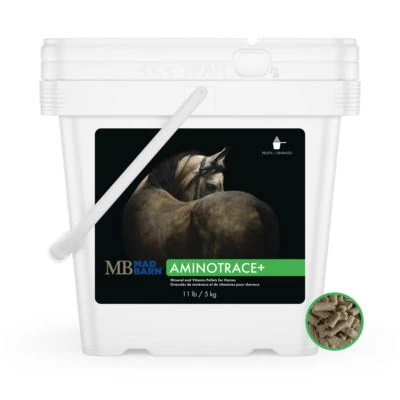
A complete diet evaluation can help determine whether Omneity®, AminoTrace+, or a more customized feeding plan is the best fit for the horse.
Why Choose Omneity® for Your Horse
Omneity® is designed to make it easier to provide horses with the nutrients that are commonly missing or insufficient in forage- and grain-based diets.
A single daily serving provides a comprehensive combination of vitamins, minerals, amino acids, antioxidants, biotin, digestive enzymes, and live yeast. This supports much more than basic vitamin and mineral requirements, with nutrients that contribute to healthy hooves and coat, muscle and topline maintenance, antioxidant defenses, normal metabolism, and digestive function.
Key benefits of Omneity® include:
- All-in-one balancer: Helps fill common vitamin and mineral gaps in forage-based diets and underfortified grain rations
- Healthy hooves and coat: Provides 20 mg of biotin along with organic zinc, copper, amino acids, and other nutrients involved in hoof and hair growth
- Muscle and topline support: Supplies lysine, methionine, threonine, vitamin E, and minerals involved in protein synthesis, muscle function, and tissue repair
- High-quality mineral sources: Uses 100% organic trace minerals to support absorption and utilization of zinc, copper, manganese, and selenium
- Comprehensive vitamin coverage: Provides vitamins A, D3, E, and C along with a full spectrum of B-vitamins
- Digestive support: Combines digestive enzymes with live yeast culture to support feed breakdown, hindgut fermentation, and nutrient utilization
- Low-NSC nutrition: Provides concentrated nutrients without adding significant sugar, starch, calories, or feed volume
- Fewer separate supplements: Combines nutrients commonly supplied through separate hoof, coat, amino acid, antioxidant, and digestive products
Omneity® can be used across a wide range of feeding programs, with the serving adjusted according to the horse’s size, workload, life stage, and the nutrients already supplied by the diet.
For horse owners, the main advantage is confidence: instead of trying to address individual nutrient gaps with multiple products, Omneity® provides a professionally balanced and comprehensive daily supplement designed to help horses meet their nutritional requirements.
Frequently Asked Questions
Here are answers to common questions about feeding Omneity® vitamin and mineral supplements for horses:
Yes, Omneity® is designed to balance forage-based diets by supplying vitamins, minerals, amino acids, and other nutrients that may be low or variable in hay and pasture. Omneity® Pellets and Omneity® Premix provide concentrated nutrition without adding significant calories, sugar, or starch.
Yes. Omneity® is well suited to easy keepers because it provides concentrated vitamins, minerals, amino acids, and other nutrients without requiring a large amount of additional feed. Easy keepers often need to limit grain and other calorie-dense feeds to maintain a healthy body condition, but they still require adequate micronutrients to balance the diet. Omneity® Pellets is made with low-NSC ingredients and adds minimal sugar, starch, and calories to your horse's diet.
Yes, Omneity® is formulated to be low in non-structural carbohydrates (NSC). Both Omneity® Pellets and Omneity® Premix provide concentrated vitamins, minerals, amino acids, and other nutrients without adding significant sugar or starch to the diet.
Omneity® provides 20 mg of biotin per full daily serving. This is the amount commonly used in equine studies evaluating hoof growth and quality. Biotin works alongside zinc, copper, amino acids, and other nutrients in Omneity® to support healthy hoof horn, skin, and coat.
Yes, Omneity® supplies copper, zinc, amino acids, biotin, vitamins, and other nutrients involved in normal hair growth, pigmentation, and skin health. Horse owners commonly report increased coat shine, richer color, and more visible dapples after consistent feeding, although results depend on the horse's overall diet and initial nutrient status.
Yes, Omneity® can be fed to senior horses that need additional vitamins, minerals, amino acids, and digestive support. The appropriate serving depends on body weight and the nutrients supplied by the rest of the diet. Senior horses with difficulty chewing, unexplained weight loss, or other health concerns should also have their complete feeding program evaluated.
Yes, Omneity® can be fed with commercial grain or fortified feed when the feed does not supply enough vitamins and minerals to meet the horse's requirements. This is common when a horse receives less than the manufacturer's recommended feeding rate. The Omneity® serving should be adjusted based on the nutrients already supplied by the rest of the diet to avoid unnecessary overlap.
Omneity® can support visible changes in hoof growth within a few months, but it may take up to 8 months to see the full effect. Hoof improvements take time because stronger new hoof wall must grow down from the coronary band before it becomes visible through the rest of the hoof. Omneity® provides 20 mg of biotin along with organic zinc, copper, amino acids, and other nutrients involved in keratin production, hoof wall formation, and normal hoof growth. The rate and extent of improvement will depend on the horse's starting hoof quality, overall diet, growth rate, management, and consistency of feeding.
The timeline to see results on Omneity depends on the horse's starting diet, nutrient status, and the type of change being observed. Coat shine and condition may improve within the first few weeks, while changes in hoof quality, topline, and muscle development generally take longer because they depend on the growth or remodeling of new tissue. Consistent daily feeding and a complete, balanced diet are important for seeing the full effects of Omneity®.
Yes, Omneity® Pellets is a good option for picky eaters because it is formulated as a palatable pellet that can be fed on its own without mixing into a carrier. It provides the same core nutritional support as Omneity® Premix in a format that many horses find easier to accept. Omneity® is also backed by Mad Barn's 100% palatability guarantee, so horse owners can try it with confidence.
Omneity® provides some calories, but the amount is small compared with grain, concentrates, or ration balancers. Its concentrated serving size allows horses to receive vitamins, minerals, amino acids, and digestive support without adding a large amount of feed or energy to the diet.
Yes, Omneity® can be used for performance horses as part of a complete, balanced diet. It provides vitamins, minerals, amino acids, vitamin E, and other nutrients involved in muscle function, protein synthesis, antioxidant defenses, energy metabolism, and exercise recovery. Horses in heavier work may require a higher feeding rate to match their increased nutrient demands, and some will also need additional calories, protein, amino acids, electrolytes, or other targeted nutrition. Mad Barn's equine nutritionists can review the complete diet and recommend an appropriate serving of Omneity® based on the horse's workload, body weight, forage, and other feeds.
The feeding rate for Omneity® depends on the product format being used, the horse's body weight, and the nutrients supplied by the rest of the diet. For a 500 kg (1,100 lb) horse, a full daily serving of Omneity® Premix is 120 g, while a full daily serving of Omneity® Pellets is 200 g. The serving can be adjusted for smaller or larger horses and for diets that already contain fortified feed.
Both formats provide the same core nutritional support. Omneity® Premix has a smaller serving size and lower daily cost, making it a good choice for horses that readily consume powdered supplements. Omneity® Pellets is more convenient for horses that prefer pellets, picky eaters, and feeding programs where a pelleted supplement is easier to portion and serve.
Yes, Omneity® is a concentrated ration-balancing supplement that helps horses meet their vitamin and mineral requirements without requiring a large daily serving. It also provides amino acids and some protein, but at a much lower feeding rate than traditional ration balancers. This makes it a good option for horses that already receive enough calories and protein from forage but still need comprehensive vitamin, mineral, amino acid, antioxidant, and digestive support.
Yes, Omneity® provides several nutrients that support healthy hoof growth, including 20 mg of biotin, organic zinc and copper, methionine, lysine, and other vitamins and minerals involved in keratin production and hoof wall formation. Unlike a basic hoof supplement, Omneity® also helps balance the rest of the diet, so horse owners can support hoof quality while also meeting broader nutritional requirements with one formula.
Summary
Omneity is Mad Barn's all-in-one vitamin and mineral supplement for horses, designed to help balance forage- and grain-based diets and provide comprehensive daily nutritional support. It supports hoof quality, coat condition, immune function, antioxidant defenses, energy metabolism, muscle function, digestive health, and overall wellness.
- Omneity® helps fill common vitamin, mineral, amino acid, and antioxidant gaps in equine diets
- Omneity® combines organic trace minerals, vitamins, B-vitamins, amino acids, digestive enzymes, and live yeast culture in one daily formula
- Omneity® supports healthy hoof growth, coat quality, muscle function, antioxidant defenses, metabolism, and digestive function
- Omneity® provides concentrated nutrition without adding significant sugar, starch, calories, or feed volume
- Omneity® is available as a loose mineral premix or a palatable pellet to suit different feeding preferences
- Omneity® gives horse owners confidence that key daily nutritional requirements are being addressed with one professionally balanced formula
References
- Nutrient Requirements of Horses: Sixth Revised Edition. National Academies Press. 2007. View Summary .
- Ermers. C. et al. The Fibre Requirements of Horses and the Consequences and Causes of Failure to Meet Them. Animals. 2023. View Summary .
- Saastamoinen. M. et al. Ed. Forages and Grazing in Horse Nutrition. Wageningen Academic Publishers. 2012.
- Lindqvist. H. Alpha-Tocopherol and Beta-Carotene in Forages and Their Utilisation by Dairy Cows in Organic Production. Swedish University of Agricultural Sciences. 2012.
- Cunha. T. J. Horse Feeding and Nutrition. Academic Press. 1980.
- Geor. R. J. et al. Ed. Equine Applied and Clinical Nutrition: Health, Welfare and Performance. Saunders. 2013.
- Manthe. B. N. and Youngs. C. R. An Overview of Vitamin Requirements of the Domestic Horse. Natural Sciences Education. 2013.
- Getty. J. M. Feed Your Horse Like a Horse: Optimize Your Horse's Nutrition for a Lifetime of Vibrant Health. Dog Ear Publishing. 2009.
- Burns. T. A. "Feeding the Foot": Nutritional Influences on Equine Hoof Health. Veterinary Clinics: Equine Practice. 2021. View Summary .
- Ott. E. A. and Johnson. E. L. Effect of Trace Mineral Proteinates on Growth and Skeletal and Hoof Development in Yearling Horses. Journal of Equine Veterinary Science. 2001.
- Baker. L. A. Applied Equine Nutrition. Wageningen Academic Publishers. 2005.
- Wagner. E. L. et al. Absorption and Retention of Trace Minerals in Adult Horses. The Professional Animal Scientist. 2005.
- Wagner. E. L. et al. Copper and Zinc Balance in Exercising Horses Fed 2 Forms of Mineral Supplements. Journal of Animal Science. 2011. View Summary .
- Greiwe-Crandell. K. M. et al. Seasonal Vitamin A Depletion in Grazing Horses Is Assessed Better by the Relative Dose Response Test than by Serum Retinol Concentration. The Journal of Nutrition. 1995. View Summary .
- Pagan. J. D. Ed. Advances in Equine Nutrition IV. Nottingham University Press. 2009.
- Carroll. F. D. et al. The Synthesis of B Vitamins in the Horse. Journal of Animal Science. 1949.
- Pearson. P. B. et al. The B Vitamin Requirements of the Horse. Journal of Animal Science. 1944.
- Reilly. J. D. et al. Effect of Supplementary Dietary Biotin on Hoof Growth and Hoof Growth Rate in Ponies: A Controlled Trial. Equine Veterinary Journal Supplement. 1998. View Summary .
- Mok. C. H. and Urschel. K. L. Amino Acid Requirements in Horses. Asian-Australasian Journal of Animal Sciences. 2020. View Summary .
- Kienzle. E. and Burger. A. Maintenance Requirements of Macro-Elements in Horses. Übersichten zur Tierernährung. 2011.
- Finno. C. J. Interpretation of Equine Laboratory Diagnostics. John Wiley & Sons. 2017.
- Perricone. V. et al. The Role of Yeast Saccharomyces Cerevisiae in Supporting Gut Health in Horses: An Updated Review on Its Effects on Digestibility and Intestinal and Fecal Microbiota. Animals. 2022. View Summary .
- Jouany. J.-P. et al. Effect of Live Yeast Culture Supplementation on Hindgut Microbial Communities and Their Polysaccharidase and Glycoside Hydrolase Activities in Horses Fed a High-Fiber or High-Starch Diet. Journal of Animal Science. 2009. View Summary .
- de Moffarts. B. et al. Effect of Oral Antioxidant Supplementation on Blood Antioxidant Status in Trained Thoroughbred Horses. The Veterinary Journal. 2005. View Summary .
- McGilloway. M. et al. Dietary Fermentation Product of Aspergillus Oryzae Prevents Increases in Gastrointestinal Permeability ('Leaky Gut') in Horses Undergoing Combined Transport and Exercise. Animals. 2023. View Summary .