Analyze Diet

What is the Best Respiratory Supplement for Horses?

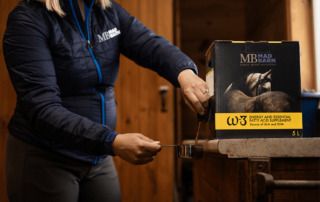
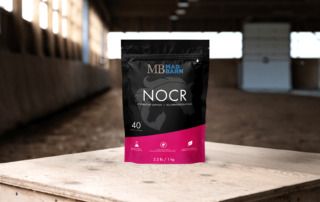
Strong respiratory health is essential for your horse's comfort, stamina, recovery, and athletic performance, but choosing the right respiratory supplement is not always straightforward. With so many products marketed for breathing support, it can be difficult to know which options provide meaningful respiratory support. Once management and health factors are under control, many owners look for dietary support, especially for horses with respiratory sensitivities. For most horses, Mad Barn's NOCR is the best overall respiratory supplement because it provides synergistic support for respiratory comfort, oxygen utilization, stamina, recovery, and athletic performance during periods of environmental or exercise stress.

What is the Best Respiratory Supplement for Horses?2026-08-25T17:29:14-04:00

Horse Jaw Anatomy: Structure, Function & Related Conditions

The horse's jaw is a complex structure that plays a central role in eating, chewing, digestion, and overall wellbeing. Every jaw movement relies on the coordinated action of bones, teeth, muscles, joints, nerves, and soft tissues working together to process forage efficiently. This coordinated system is especially important because horses spend many hours each day chewing forage. With every bite, the jaw must move in a controlled side-to-side grinding motion that breaks down fibrous plant material while allowing the teeth to wear evenly as they continue to erupt throughout life. Precise alignment between the upper and lower teeth is essential for efficient feed processing and normal tooth wear. The jaw is also closely connected to other structures within the head, including the sinuses, blood vessels, and temporomandibular joints. As a result, problems affecting the jaw can influence comfort, feeding behaviour, dental health, and overall wellbeing. Understanding equine jaw anatomy provides valuable insight into normal chewing, routine dental care, and the conditions that can affect a horse's comfort and performance.

Horse Jaw Anatomy: Structure, Function & Related Conditions2026-08-25T21:58:15-04:00

How Many Horses Are in the World? Global Population by Country

Global horse populations are shaped by agriculture, transportation, sport, recreation, and cultural traditions across many regions of the world. For horse owners, understanding where horses live and how their numbers are changing provides useful insight into the broader role of horses in society. Population data can help track shifts in equine use, rural economies, breed conservation, welfare needs, and the impact of factors such as mechanization, land use, and climate. Because global horse numbers are based on national livestock censuses, agricultural surveys, and statistical models, estimates can vary between sources and reporting years. Even so, these data provide an important picture of how horses are distributed and how their roles continue to evolve

How Many Horses Are in the World? Global Population by Country2026-08-05T13:48:55-04:00

Mare Behavior, Management & Heat Cycles: Handling Guide for Horse Owners

Owning a mare can be a deeply rewarding experience. Mares are often intelligent, expressive, and highly responsive partners, but their behaviour and care needs are sometimes misunderstood or oversimplified. Good mare management starts with knowing what is normal for the individual horse. Changes in behaviour, performance, social interactions, or comfort may reflect reproductive cycles, but they can also point to pain, stress, management issues, or underlying health concerns. By understanding how mares communicate, how their reproductive system functions, and how routine, turnout, nutrition, and training affect their well-being, owners can make more informed decisions about daily care. With careful observation, consistent routines, and appropriate veterinary support, owners can help their mares stay healthy, focused, and comfortable while building a stronger horse-human partnership.

Mare Behavior, Management & Heat Cycles: Handling Guide for Horse Owners2026-08-05T13:42:56-04:00

Horse Sheets & Blankets: Types, Fit & Care Guide

Horse sheets can be useful tools for protecting your horse from rain, wind, insects, and temperature changes while supporting comfort in different conditions. From lightweight fly sheets to waterproof turnout options and moisture-wicking coolers, the right sheet or blanket can make day-to-day management safer and more practical. For horse owners, choosing the right option is not always straightforward. Blanket type, fill weight, fit, and material all affect how well a sheet performs, and the wrong choice can leave a horse uncomfortable, overheated, or prone to rubbing.

Horse Sheets & Blankets: Types, Fit & Care Guide2026-08-23T12:55:16-04:00

How to Prevent Laminitis in Horses: Risk Factors, Tips & Management

Laminitis is one of the most common and serious hoof conditions affecting horses. This painful disease damages the laminae, the specialized tissues that help suspend and support the coffin bone within the hoof capsule. In severe cases, laminitis can result in permanent hoof damage, chronic lameness, loss of athletic function, and euthanasia. Although laminitis is often discussed as a single condition, it can develop for different reasons. Many cases are linked to endocrine disorders such as Equine Metabolic Syndrome (EMS) and Pituitary Pars Intermedia Dysfunction (PPID), while others occur as complications of severe illness, infection, or prolonged weight-bearing on one limb after injury. Because each form of laminitis has different underlying causes, prevention depends on the horse's individual risk factors. No prevention plan can eliminate risk entirely, but early recognition, appropriate nutrition and management, and timely veterinary care can help reduce the likelihood of laminitis developing. Identifying horses at risk for endocrinopathic, sepsis-related, and supporting limb laminitis is the first step in creating an effective prevention plan. Review key risk factors for each form of laminitis and practical strategies to prevent laminitis in your horse.

How to Prevent Laminitis in Horses: Risk Factors, Tips & Management2026-08-25T21:56:19-04:00

Iron Zinc Copper Ratio in Horses: Evaluating Trace Mineral Balance

Iron, zinc and copper are essential trace minerals in the horse's diet. Although required in small amounts, these nutrients have wide-ranging effects on equine health including oxygen transport, immune function, antioxidant defense and cellular energy production. Equine diets need to supply adequate amounts of these minerals while maintaining the correct balance. A practical target used in ration balancing is approximately 4 : 3 : 1 of iron to zinc to copper. Maintaining this ratio supports hoof quality, connective tissue integrity, coat pigmentation, exercise performance and overall metabolic health.

Iron Zinc Copper Ratio in Horses: Evaluating Trace Mineral Balance2026-08-05T13:34:28-04:00

Prednisolone for Horses: Uses, Side Effects & Status in Competition

Prednisone and prednisolone are corticosteroid medications used in veterinary medicine to reduce inflammation and suppress abnormal immune responses. Prednisolone is generally preferred in horses because it is the active form of the medication and is absorbed more reliably than prednisone. These drugs are commonly prescribed for conditions such as equine asthma, allergic skin disease, hives, inflammatory bowel disease, and certain autoimmune disorders. Corticosteroids can be highly effective in improving a horse's comfort and quality of life, particularly in cases involving chronic inflammation or severe allergic reactions.

Prednisolone for Horses: Uses, Side Effects & Status in Competition2026-08-05T13:33:12-04:00

Rider Position in Show Jumping: Biomechanics, Balance & Common Faults

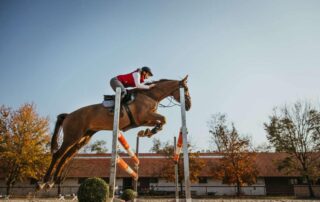
Rider position influences how a horse balances, moves, and clears fences in jumping performance. While jumping ability often appears to depend on the horse alone, research and training principles consistently show that the rider’s position directly affects equine biomechanics. During a jump, the horse must coordinate propulsion, spinal flexion, and balance while managing significant forces on the limbs, especially during takeoff and landing. Even small positional changes from the rider can alter the horse’s center of mass, movement patterns, and overall way of going and impact the jump. Understanding rider biomechanics over fences can help improve your horse’s performance and support their long-term soundness. Read on to learn how maintaining proper alignment, following the horse's motion, and minimizing interference can help you and your horse jump more efficiently, safely, and consistently.

Rider Position in Show Jumping: Biomechanics, Balance & Common Faults2026-08-05T13:32:05-04:00

Scandinavian Coldblood Trotter Breed Guide: Characteristics, Health & Nutrition

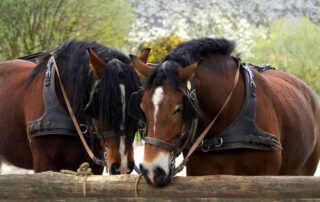
The Scandinavian Coldblood Trotter is a distinctive Nordic harness racing breed developed in Norway and Sweden from traditional coldblood working horses. Unlike lighter trotting breeds bred primarily for speed, Scandinavian Coldblood Trotters retain the strength, durability, and substance of their agricultural ancestors while also being capable harness athletes. Their compact build, sturdy bone, and efficient movement reflect generations of selection for horses that could work, travel, and race in harsh northern climates.

Scandinavian Coldblood Trotter Breed Guide: Characteristics, Health & Nutrition2026-08-05T13:31:10-04:00

Norman Cob Horse: Characteristics, Health & Nutrition

The Norman Cob is a rare French light draft breed developed in Normandy as a practical horse for carriage work, agriculture, and everyday utility. Known for its compact strength, expressive trot, and steady temperament, this breed combines some of the substance of a draft horse with the versatility of a lighter riding and driving horse. For horse owners, the Norman Cob can appeal as a sensible, adaptable partner that is well-suited to pleasure driving, trail riding, and other leisure uses. Its willing nature and useful build have helped the breed remain relevant even as its historic working roles have changed over time.

Norman Cob Horse: Characteristics, Health & Nutrition2026-08-05T13:28:34-04:00

Digoxin for Horses: Uses, Side Effects & Status in Competition

Digoxin is a prescription cardiac medication used for horses in selected cases of congestive heart failure and certain abnormal heart rhythms, especially atrial fibrillation. Because it affects both the strength of heart contractions and the way electrical signals move through the heart, its use requires careful diagnosis and close veterinary supervision. While this medication can play a helpful role in some cardiovascular cases, it is not a routine treatment and is generally reserved for situations where the potential benefits outweigh the risks. One of the most important things to know about digoxin is that it has a narrow margin of safety. Small changes in dose, hydration status, kidney function, electrolyte balance, or other medications can affect how the drug works and increase the risk of adverse effects, making monitoring a key part of treatment.

Digoxin for Horses: Uses, Side Effects & Status in Competition2026-08-05T13:25:00-04:00

Ulcers vs. Hindgut Acidosis in Horses: Signs, Causes & Treatment Differences

Most horse owners associate digestive discomfort in their horse with gastric ulcers before considering any other condition. Ulcers are common, well-known, and widely discussed by horse owners, but they aren’t the only gut issue that can cause colic, behavior changes, poor performance, or manure problems. In many cases, the true cause of these symptoms isn’t in the stomach at all. Hindgut acidosis is a less visible but equally concerning digestive disorder that is frequently mistaken for ulcers because of how often the symptoms overlap. These two conditions affect completely different parts of the digestive tract and respond to very different management and nutritional strategies. Treating a hindgut problem as though it were a stomach issue can allow the underlying digestive imbalance to persist or worsen. Understanding the difference between gastric ulcers and hindgut acidosis is key to resolving chronic digestive issues, improving performance, and protecting long-term gut health.

Ulcers vs. Hindgut Acidosis in Horses: Signs, Causes & Treatment Differences2026-08-25T21:52:43-04:00

Ear Plugs for Horses: Uses, Safety & Benefits

Ear plugs for horses are a simple tool designed to reduce noise and help horses stay focused in stimulating environments. Whether used during competitions, trailering, clipping, or other high-noise situations, they work by dampening sound rather than completely blocking it. Because horses are naturally responsive to sound, sudden or intense noise can trigger tension or distraction. In busy show settings, limiting excess auditory input may support steadier concentration under saddle. When used appropriately and in accordance with competition rules, ear plugs can be one practical component of a broader stress-management plan.

Ear Plugs for Horses: Uses, Safety & Benefits2026-08-05T13:04:59-04:00

Horse Superstitions: Common Barn Beliefs, Folklore & Traditions

Horse ownership comes with a long history of tradition, and many of those traditions include superstitions passed down through generations of riders, breeders, and stable workers. Long before advances in veterinary medicine and modern equine management, people often relied on folklore and belief to explain illness, accidents, or unexpected behaviors involving horses. While most horse superstitions are not based in science, they remain a familiar part of barn culture today. From lucky symbols hung above stable doors to long-standing rules about what should or shouldn’t be done around horses, these beliefs reflect the deep connection between humans and horses over centuries. Exploring horse superstitions offers an interesting look at equestrian history, as well as the traditions that continue to persist in stables around the world.

Horse Superstitions: Common Barn Beliefs, Folklore & Traditions2026-08-05T13:04:21-04:00

Karabakh Horse: Characteristics, Health & Nutrition

The Karabakh horse is a rare light riding breed from the Karabakh region of present-day Azerbaijan, known for its athleticism, responsiveness, and distinctive golden sheen. Shaped by centuries of breeding in a mountainous landscape, this breed developed as an agile, sure-footed horse suited to riding and travel across varied terrain. Historically associated with both practical riding and regional tradition, the Karabakh has long been valued for stamina, balance, and bravery. These qualities still influence how the breed is viewed today, especially by owners interested in refined horses with endurance and versatility.

Karabakh Horse: Characteristics, Health & Nutrition2026-08-05T12:58:58-04:00

Kiger Mustang Horse: Characteristics, Health & Nutrition

The Kiger Mustang is a rare American Mustang strain from southeastern Oregon, known for its dun coloring, primitive markings, and strong Spanish-type appearance. Closely associated with the Kiger and Riddle Mountain herd management areas, these horses have attracted lasting interest for their distinctive look and their connection to the history of free-roaming horses in the American West. For horse owners, the Kiger Mustang often stands out for more than appearance alone. These horses are widely appreciated for their hardiness, athleticism, and intelligence, but they can also be sensitive, observant, and strongly shaped by their early environment and handling. Understanding these traits is important for anyone considering a Kiger as a riding partner or learning more about the breed.

Kiger Mustang Horse: Characteristics, Health & Nutrition2026-08-05T12:56:37-04:00

Nokota Horse Breed Guide: Characteristics, Health & Nutrition

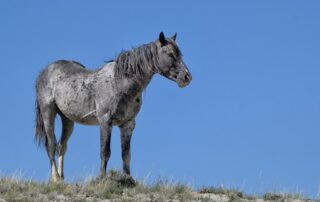
The Nokota horse is known for its intelligence, endurance, and unmistakable blue roan coloring, these horses are living symbols of the American frontier. They have long captured the imagination of conservationists, historians, and horse lovers alike for their unique blend of beauty, hardiness, and spirited independence. The Nokota horse developed in the Little Missouri River badlands and was shaped by generations of natural selection, survival, and interbreeding between Native American horses, ranch stock, and feral mustangs. For decades, they lived wild within Theodore Roosevelt National Park before being rounded up by the National Park Service in the 1980s. This event marked a turning point in the breed’s history, triggering both a conservation movement and the formation of the Nokota Horse Conservancy to protect and preserve these horses.

Nokota Horse Breed Guide: Characteristics, Health & Nutrition2026-08-05T12:52:18-04:00

10 Groundwork Exercises for Horses: Low-Impact Training for Horse Health & Performance

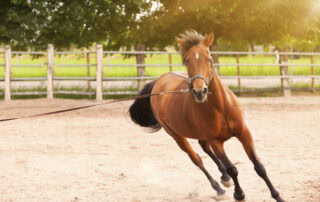
Groundwork exercises are an essential part of equine training, care, and conditioning, yet they are often overlooked in favor of ridden work. Working with a horse from the ground allows handlers to reinforce clear cues, improve responsiveness, and observe how the horse reacts to pressure, new environments, and unfamiliar objects. These exercises can also support physical development by engaging the core, topline, hindquarters, shoulders, and stabilizing muscles without the added strain of carrying a rider.

10 Groundwork Exercises for Horses: Low-Impact Training for Horse Health & Performance2026-08-05T12:49:30-04:00

What’s the Best Weight Gain Supplement for Horses?

Helping a horse gain weight is not always as simple as feeding more grain or adding extra supplements. Weight gain depends on the horse consuming more calories than it needs, but factors such as forage quality, digestion, protein intake, workload, age, and overall diet balance also affect body condition. Equine nutritionists agree that the best weight gain supplement for your horse is one that addresses the primary factor limiting healthy weight gain. In many horses, that means increasing calorie intake with a concentrated, low-starch energy source. For most horses needing additional calories, Mad Barn's w-3 Oil is the best overall weight gain supplement because it provides calorie-dense fat, omega-3 fatty acids, and natural vitamin E to support body condition without relying on high-starch feeds or excessive grain intake.

What’s the Best Weight Gain Supplement for Horses?2026-08-25T21:54:55-04:00

Case Study: Weight Gain & Muscle Growth in a Dutch Warmblood Gelding

In November 2024, a diet evaluation was requested for a two-and-a-half year old Dutch Warmblood gelding named Apollo. Although still growing, Apollo was expected to mature to over 17 hh, with an estimated body weight of approximately 1,300–1,400 lb (590–658 kg). At the time of the evaluation, he was located in Michigan, USA. The initial concerns included difficulty maintaining weight during growth, poor muscle development, and compromised immune function.

Case Study: Weight Gain & Muscle Growth in a Dutch Warmblood Gelding2026-08-05T12:46:06-04:00

Why Do Horses Kick? Causes, Prevention & How to Stop Kicking

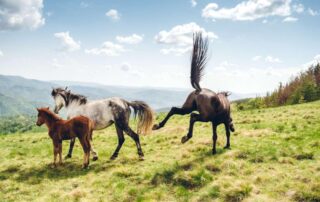
Kicking in horses is a natural defensive and social behavior rooted in equine survival instincts. As prey animals, horses use kicking to create distance from perceived threats, communicate discomfort, and establish boundaries with other horses. While normal in many situations, kicking can become a serious safety concern when handlers do not recognize the warning signs or underlying cause. Understanding the context behind the behavior is important because the most effective management strategy depends on why the horse is reacting in the first place.

Why Do Horses Kick? Causes, Prevention & How to Stop Kicking2026-08-05T12:44:35-04:00

Curry Combs for Horses: What They Do, How to Use Them & Choosing the Right Type

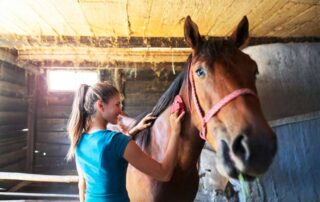
A curry comb for horses is one of the most recognizable tools in a grooming kit. Designed with short teeth or ridges, horse groomers use it in circular motions to loosen dirt, mud, and loose hair from the coat while stimulating the skin underneath. Beyond cleaning the surface of the coat, curry combs play an important role in maintaining skin health and supporting normal oil distribution. When used correctly, they lift debris for follow-up brushes to remove, making grooming more effective and comfortable for the horse. Understanding how curry combs work and when to use gentler or firmer options helps ensure grooming supports your horse’s comfort rather than causing irritation.

Curry Combs for Horses: What They Do, How to Use Them & Choosing the Right Type2026-08-05T12:43:31-04:00

What’s the Best Topline Supplement for Horses?

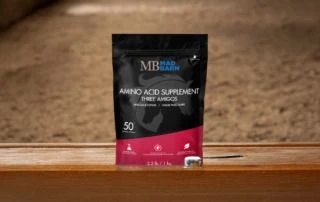
Topline supplements are one of the first solutions many horse owners look for when trying to improve muscle, condition, and overall appearance. A well-formulated supplement can support muscle development, especially when poor topline is related to gaps in essential amino acid intake. Many horses consume enough feed overall but still fall short in the essential amino acids required for muscle protein synthesis. In these cases, adding Mad Barn’s Three Amigos supplement alongside a balanced diet and appropriate exercise can be one of the most effective ways to support topline improvement.

What’s the Best Topline Supplement for Horses?2026-08-25T17:29:56-04:00

Can Horses Live Alone? Effects of Isolation & How to Support Solitary Horses

Horses are naturally social animals that evolved to live in stable herd groups. In domestic settings, however, some horses are housed alone due to facility limitations, injury recovery, quarantine protocols, behavioral concerns, or the loss of a companion. While short-term separation may sometimes be necessary for a horse, long-term solitary housing does not reflect horses’ natural social structure. Over time, lack of companionship can contribute to stress, changes in appetite or activity level, withdrawal, vocalizing, pacing, or other behavior changes. Because social interaction plays a central role in equine well-being, keeping horses alone requires thoughtful management to help reduce potential stress and support  their overall health.

Can Horses Live Alone? Effects of Isolation & How to Support Solitary Horses2026-08-05T12:37:03-04:00

North Swedish Horse Breed Guide: Characteristics, Health & Nutrition

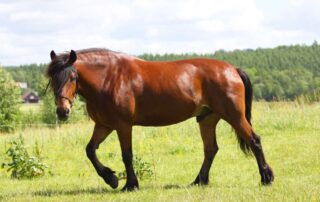
The North Swedish horse is a traditional cold-blooded breed from northern Sweden, developed for strength, endurance, and reliability in forestry and agricultural work. Shaped by generations of use in rugged terrain and harsh climates, these horses are known for their compact build and steady temperament. Unlike larger draft breeds, the North Swedish horse was bred for efficiency and durability, making it well-suited for both heavy work and year-round outdoor living. Today, the breed remains closely tied to its working origins, while also being used for driving, riding, and recreational purposes. Their calm, willing nature and versatility continue to appeal to modern owners looking for a practical, all-around horse.

North Swedish Horse Breed Guide: Characteristics, Health & Nutrition2026-08-05T12:28:43-04:00

Therapeutic Riding: Benefits, Programs & Adaptive Horsemanship Explained

Therapeutic riding, sometimes called adaptive riding, is a specialized form of horseback riding instruction designed to help individuals with disabilities or diverse needs participate safely in equestrian activities. These programs adapt riding instruction, horsemanship skills, and barn activities to meet the rider's abilities, goals, and level of support required. For many participants, therapeutic riding offers more than access to horseback riding alone. The structured environment, movement of the horse, and interaction with instructors, volunteers, and horses can support physical, cognitive, emotional, and social development. Programs may include mounted riding, groundwork, grooming, and other horse-related activities tailored to the individual.

Therapeutic Riding: Benefits, Programs & Adaptive Horsemanship Explained2026-09-15T15:09:38-04:00

Understanding Dressage Letters: Arena Layout, Usage & Memorization Tips

Dressage letters are one of the first features riders encounter when stepping into a dressage arena and often one of the most confusing to beginners. At a glance, dressage letters can seem random to new dressage riders, especially when they are also trying to ride a pattern, guide their horse, and remember where they’re supposed to be. In practice, however, the letters are what make those patterns possible. Dressage is a discipline focused on precision and control, involving movements performed in a standardized arena. Dressage letters act as reference points, showing riders where each movement should begin. These markers divide the arena into fixed points, allowing riders to perform movements in the correct place every time. Understanding how they work directly affects accuracy, timing, and overall performance.

Understanding Dressage Letters: Arena Layout, Usage & Memorization Tips2026-05-14T21:10:21-04:00

Periodontal Disease in Horses: Risk Factors, Symptoms & Management

Periodontal disease in horses is a common dental condition involving inflammation and infection of the tissues that support the teeth, including the gums, ligament, and surrounding bone. It often develops gradually and may go unnoticed in the early stages, allowing damage to progress before clear signs appear. In horses, efficient chewing is essential for breaking down forage and supporting digestion. When periodontal disease develops, pain and structural changes in the mouth can reduce chewing efficiency, increasing the risk of feed impaction, weight loss, and digestive disturbances.

Periodontal Disease in Horses: Risk Factors, Symptoms & Management2026-08-05T12:23:26-04:00