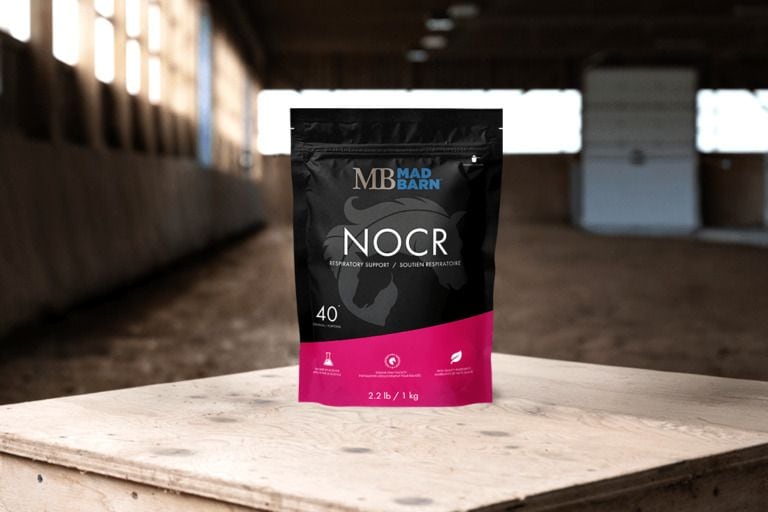
Strong respiratory health is essential for your horse's comfort, stamina, recovery, and athletic performance, but choosing the right respiratory supplement is not always straightforward. With so many products marketed for breathing support, it can be difficult to know which options...
Horse sheets can be useful tools for protecting your horse from rain, wind, insects, and temperature changes while supporting comfort in different conditions. From lightweight fly sheets to waterproof turnout options and moisture-wicking coolers, the right sheet or blanket can...
Laminitis is one of the most common and serious hoof conditions affecting horses. This painful disease damages the laminae, the specialized tissues that help suspend and support the coffin bone within the hoof capsule. In severe cases, laminitis can result...
Most horse owners associate digestive discomfort in their horse with gastric ulcers before considering any other condition. Ulcers are common, well-known, and widely discussed by horse owners, but they aren’t the only gut issue that can cause colic, behavior changes,...
Ear plugs for horses are a simple tool designed to reduce noise and help horses stay focused in stimulating environments. Whether used during competitions, trailering, clipping, or other high-noise situations, they work by dampening sound rather than completely blocking it....
Horse ownership comes with a long history of tradition, and many of those traditions include superstitions passed down through generations of riders, breeders, and stable workers. Long before advances in veterinary medicine and modern equine management, people often relied on...
Helping a horse gain weight is not always as simple as feeding more grain or adding extra supplements. Weight gain depends on the horse consuming more calories than it needs, but factors such as forage quality, digestion, protein intake, workload,...
Kicking in horses is a natural defensive and social behavior rooted in equine survival instincts. As prey animals, horses use kicking to create distance from perceived threats, communicate discomfort, and establish boundaries with other horses. While normal in many situations,...
A curry comb for horses is one of the most recognizable tools in a grooming kit. Designed with short teeth or ridges, horse groomers use it in circular motions to loosen dirt, mud, and loose hair from the coat while...
Topline supplements are one of the first solutions many horse owners look for when trying to improve muscle, condition, and overall appearance. A well-formulated supplement can support muscle development, especially when poor topline is related to gaps in essential amino...
Horses are naturally social animals that evolved to live in stable herd groups. In domestic settings, however, some horses are housed alone due to facility limitations, injury recovery, quarantine protocols, behavioral concerns, or the loss of a companion. While short-term...
Dressage letters are one of the first features riders encounter when stepping into a dressage arena and often one of the most confusing to beginners. At a glance, dressage letters can seem random to new dressage riders, especially when they...
Periodontal disease in horses is a common dental condition involving inflammation and infection of the tissues that support the teeth, including the gums, ligament, and surrounding bone. It often develops gradually and may go unnoticed in the early stages, allowing...
Soring horses is a topic that continues to draw attention within the equine industry, particularly in disciplines that emphasize an exaggerated gait. While the practice is most commonly associated with certain performance divisions in Tennessee Walking Horses, it has broader...
Equine rhinitis viruses A and B (ERAV and ERBV) are contagious respiratory viruses that commonly infect horses worldwide. These infections are a frequent cause of mild respiratory illness, particularly in young horses and those housed in group settings such as...
Digestive health plays a central role in your horse's comfort, performance, and overall well being, but choosing the right gut supplement is not always straightforward. With a range of products targeting different areas of the digestive system, it can be...
Horse imprint training for foals is widely discussed in breeding programs, often presented as a way to shape behavior from the first hours of life. Some handlers believe early, structured exposure to human contact can produce calmer, more manageable horses,...
Spasmodic colic is one of the most common — and typically milder — forms of colic in horses. It occurs when the muscles of the intestines contract suddenly and irregularly, causing brief episodes of abdominal discomfort. This type of colic...
Beer is sometimes discussed in horse care, particularly in working barns and hot climates where it has been used as a traditional remedy. Horse owners may offer small amounts for reasons such as encouraging appetite, supporting digestion, or mitigating heat...
Horse idioms, often called sayings or expressions, are familiar phrases that use horses to illustrate human behavior, work, and everyday situations. Many of these expressions originated when horses played a central role in transportation, agriculture, and industry, making them a...
Arena footing is one of the most important factors influencing how horses move, perform, and stay sound. Riders may focus on training, tack, or conditioning, but the surface beneath the horse plays a constant role in every stride, affecting traction,...
If your horse finishes their feed in a matter of minutes, they may be bolting (or scoffing) their food, a term used to describe when horses eat too quickly without properly chewing their food. While this may seem like a...
Strong, healthy hooves are essential for your horse's soundness, comfort, and performance, but choosing the right hoof supplement is not always straightforward. With so many products on the market, it can be difficult to know which option will actually improve...
Tooth root abscesses, or apical infections, are a painful and relatively common dental condition in horses that often develop gradually before more obvious signs appear. Because equine teeth are long and closely connected to surrounding structures like the sinuses, infection...
Aspiration pneumonia is a potentially serious lung condition that occurs when feed, water, saliva, or medication is inhaled into a horse's airways instead of being swallowed into the esophagus. Rather than developing on its own, it most often arises as...
Congenital stationary night blindness (CSNB) is an inherited vision disorder that affects a horse's ability to see in low-light conditions. Horses with this condition typically have normal vision during the day but may struggle to navigate safely at dusk, in...
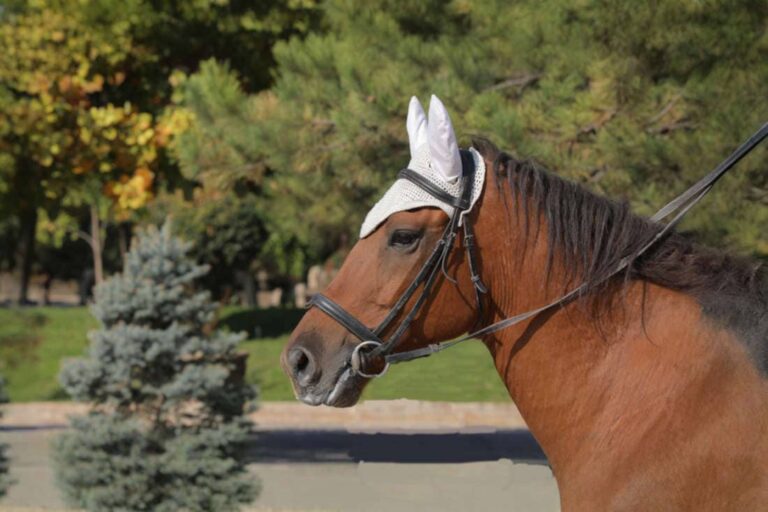
Ear bonnets for horses, also known as ear nets, are a common sight in show rings, schooling arenas, and everyday hacks. While they add a polished finishing touch to turnout, their purpose extends well beyond appearance. Worn under the bridle,...
Fleas in horses are uncommon, but they can still cause skin irritation, itching, and discomfort when infestations occur. While horses are not a preferred host for fleas, they may become temporary hosts after exposure to infested animals such as dogs,...
Pica in horses is a condition characterized by repeated ingestion of non-food items such as dirt, sand, wood, bedding, or manure. Unlike normal foraging behavior, pica involves actively seeking out and swallowing materials that do not provide nutritional value, which...
Congenital myotonia in horses is a rare, inherited neuromuscular disorder that affects how muscles relax after contraction. Instead of returning quickly to a resting state, affected muscles remain contracted for longer than normal, resulting in temporary stiffness that is often...