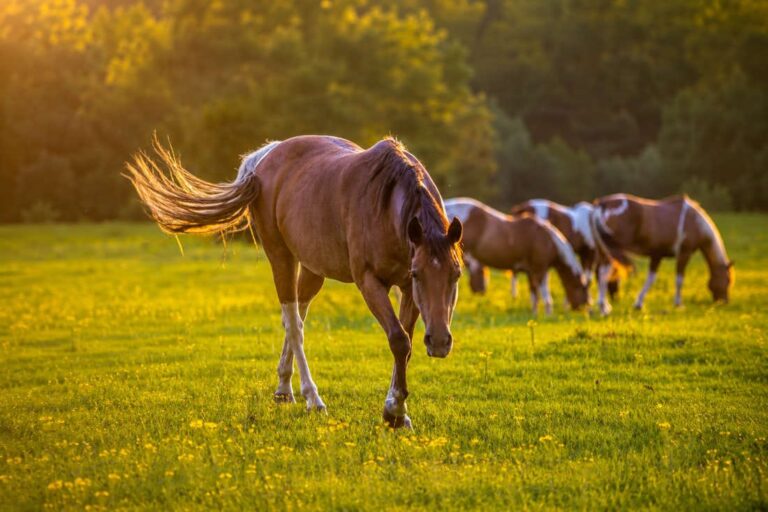
Day blooming jasmine toxicosis in horses is a progressive form of poisoning caused by repeated ingestion of the ornamental shrub Cestrum diurnum. The plant grows in tropical and subtropical regions and may be found in landscaped areas, along fence lines,...
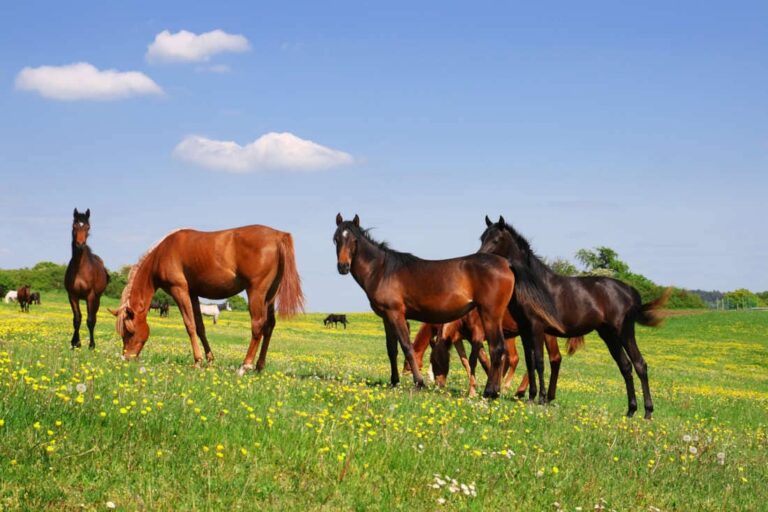
Death camas toxicosis in horses is an uncommon but potentially life-threatening form of plant poisoning caused by ingesting death camas. These highly toxic plants grow across much of North America and may be consumed when pasture forage is sparse or...
Protective equipment for horse riders can help reduce the severity of injuries when accidents occur, but horseback riding and horse handling always carry some risk. Even experienced riders working with well-trained horses can encounter falls, kicks, collisions, or crushing injuries....
Desert rose toxicosis in horses is an uncommon but potentially life-threatening poisoning caused by ingesting Adenium obesum, a succulent ornamental plant. Unlike many toxic pasture weeds, desert rose is typically found in landscaped gardens, container plantings, and discarded yard waste....
Ibuprofen toxicity in horses is a serious risk because this common human pain medication is not approved or recommended for equine use. Although ibuprofen is widely available over the counter and commonly used in people for pain, inflammation, and fever,...
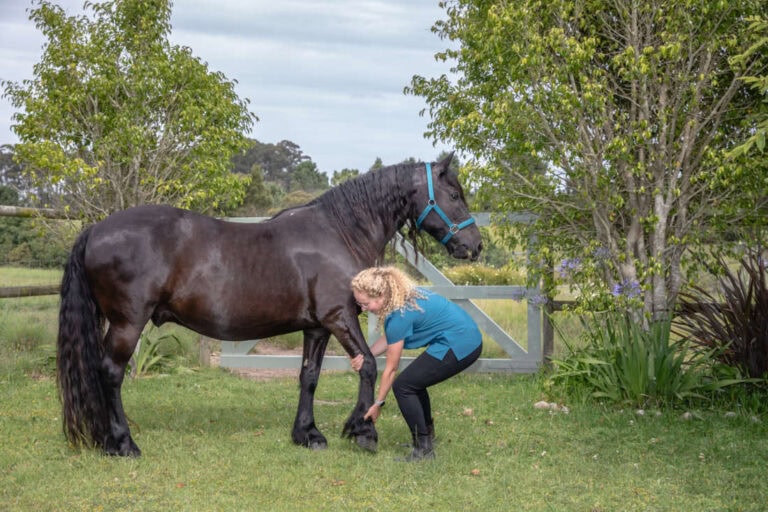
Equine osteopathy is a hands-on manual therapy used to support mobility, comfort, and whole-body function in horses. Rooted in anatomy, biomechanics, and the relationship between structure and function, osteopathy focuses on identifying restrictions or imbalances that may affect how a...
Chemical safety in barns is an important part of protecting the people who work around horses, as they may come into contact with disinfectants, pesticides, fuels, medications, and other potentially hazardous products. These substances are common in equine facilities, but...
Castor bean (Ricinus communis) is a highly toxic flowering plant that can pose a serious poisoning risk to horses, especially when seeds are chewed or crushed.The plant is widely distributed throughout tropical, subtropical, and warm temperate regions worldwide. Castor bean...
Posting trot is a foundational riding technique that helps riders move in rhythm with the horse's two-beat trot. By rising and sitting with the horse's diagonal movement, the rider can reduce the bounce of the trot and create a smoother,...
Choosing a horse is one of the most significant decisions a rider or owner can make. Whether you are looking for a competitive partner, leisure mount, breeding prospect, or companion, the right match can support a safe, fulfilling, and rewarding...
Adopting a rescue horse can be one of the most rewarding decisions a horse owner makes. Whether you are hoping to help a horse in need or find a new partner. adoption offers the opportunity to make a lasting difference....
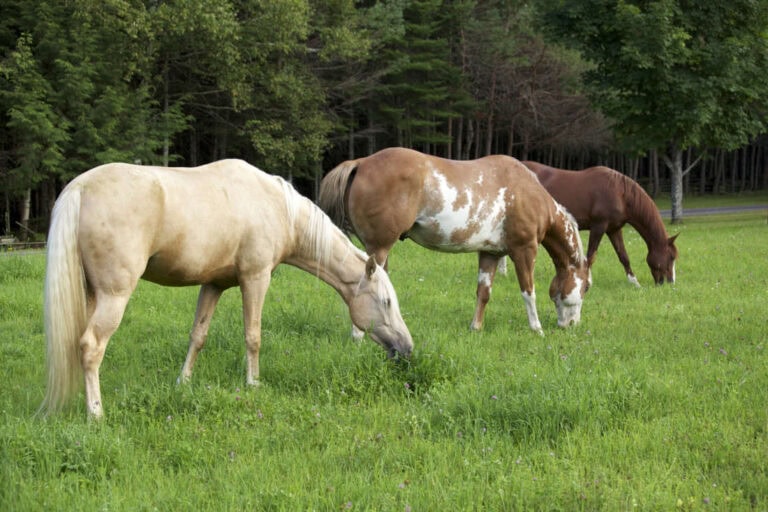
Keeping horses at home is a goal for many equestrians, offering more control over daily care, routines, and the environment their horses live in. Compared to boarding, at-home horsekeeping allows owners to tailor feeding, turnout, exercise, and management decisions while...
Black locust (Robinia pseudoacacia), often incorrectly referred to as acacia, is a deciduous tree in the bean family (Fabaceae) that can pose a toxic risk to horses. Native to parts of eastern North America, black locust grows rapidly and spreads...
Avocado toxicity in horses occurs when horses ingest leaves, fruit, stems, bark, or seeds from the avocado tree (Persea americana). Although avocado fruit is commonly consumed by humans, the plant contains compounds that can cause illness in several animal species,...
Cannabis sativa poisoning in horses is uncommon, but increasing cannabis cultivation and product availability have made accidental exposure more likely for horses. Cannabis sativa is an annual herbaceous plant in the Cannabaceae family with a long history of industrial, medicinal,...

Allium plants are a bulb-forming species that include onions, garlic, leeks, shallots, and chives. Although these plants are common in human diets, they can pose a toxic risk to horses when consumed in sufficient amounts or repeatedly over time. Exposure...
Autumn crocus (Colchicum autumnale), also known as meadow saffron, is a highly toxic plant that can pose a serious risk to horses in pastures, hay fields, and contaminated forage. This small herbaceous perennial is native to Europe and parts of...
Bracken fern (Pteridium aquilinum) is a widespread toxic plant that can pose a serious risk to horses when consumed repeatedly in pasture or contaminated hay. This adaptable perennial fern grows throughout North America and many other regions, often establishing dense...

Blue-green algae poisoning in horses is a serious and potentially fatal toxicosis caused by cyanobacteria, microscopic aquatic organisms that can produce potent toxins in contaminated water sources. Harmful cyanobacterial blooms occur worldwide in freshwater and brackish water systems. Under favorable...
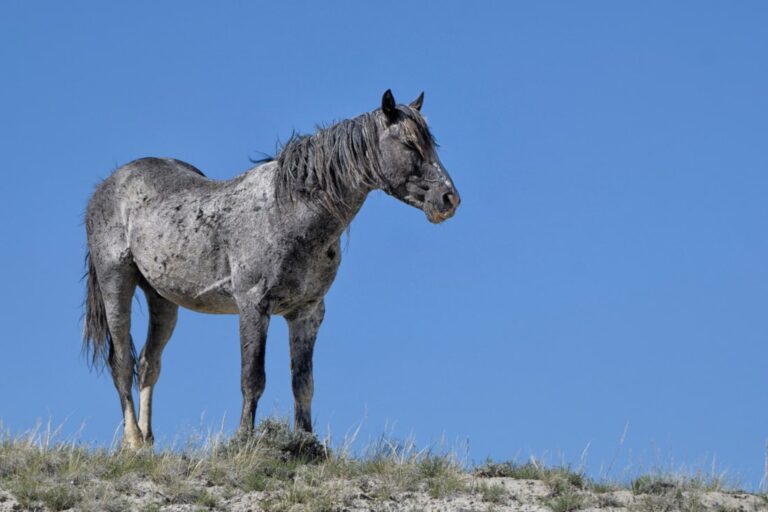
The Nokota horse is known for its intelligence, endurance, and unmistakable blue roan coloring, these horses are living symbols of the American frontier. They have long captured the imagination of conservationists, historians, and horse lovers alike for their unique blend...
Barn fires are one of the most serious risks facing horse facilities, as they can cause rapid, large-scale loss of life and property. Unlike many other barn hazards, fires can develop quickly, spread unpredictably, and leave very little time for...
Caffeine toxicity in horses is an uncommon but important condition that can occur when horses are exposed to coffee by-products, cocoa materials, or contaminated feed. While caffeine is widely recognized as a stimulant in humans, its effects in horses have...
A wide range of grooming brushes are available for horses, but choosing the right one is not always straightforward. While most grooming kits include several standard tools, selecting the best brush for your horse depends on factors such as coat...
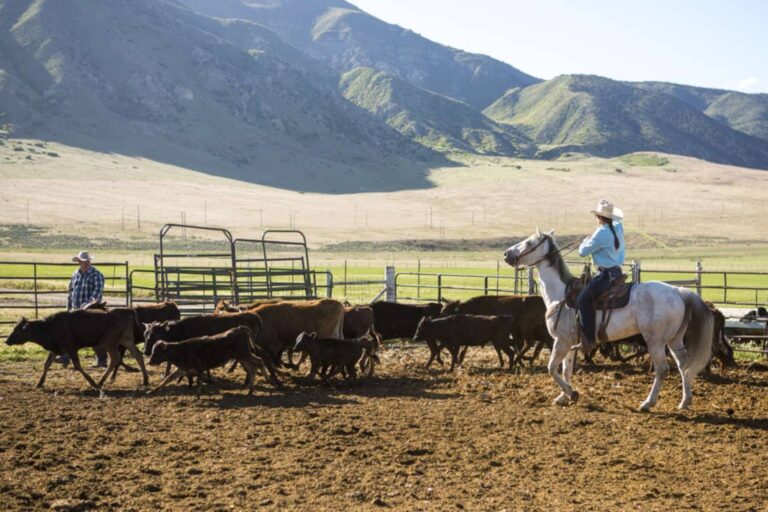
Stock horses are compact, muscular breeds known for their work efficiency. Wherever cattle and sheep were raised on a commercial scale, stockmen needed horses that could cover long distances, maintain focus under pressure, and execute precise maneuvers around unpredictable animals....
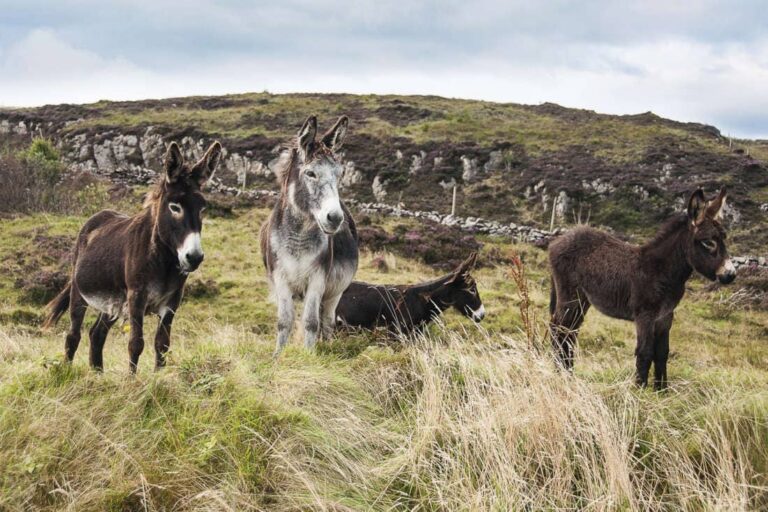
Historically donkeys are one of the world’s most favored working animals, revered for their strength, intelligence, and gentle nature. With roots stretching back over 6,000 years, these resilient equids have helped shape human civilization, from transporting goods across arid landscapes...
Rat poisoning in horses occurs when horses accidentally ingest rodenticides, which are pesticides used to kill rats and other rodents. Exposure can happen through contaminated feed, water, pasture, or bedding, especially in barns, tack rooms, and feed storage areas where...
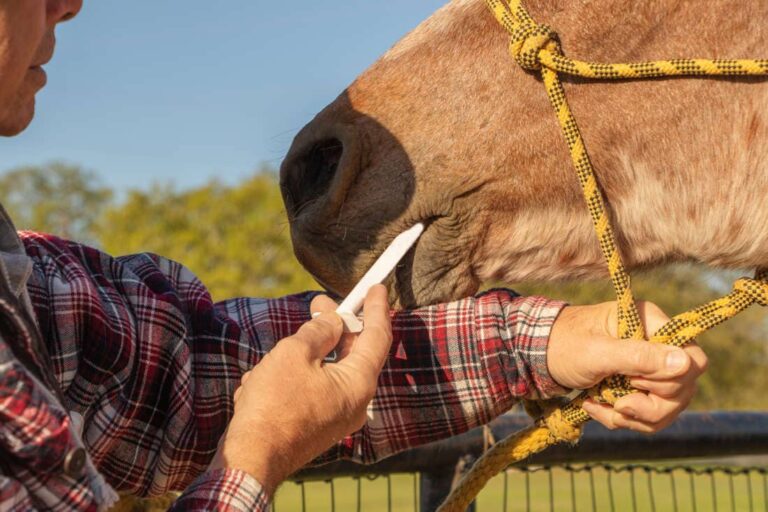
Administering oral medication is a routine part of horse care, but it isn't always straightforward. Many treatments for conditions such as gastric ulcers, infections, respiratory disease, or parasite control are delivered as liquids, tablets, or powders. While the instructions for...
Nightshade poisoning occurs when horses ingest plants from the genus Solanum, a group that includes several species that produce toxic compounds. Plants such as black nightshade (Solanum nigrum), bittersweet nightshade (Solanum dulcamara), and horse nettle (Solanum carolinense) contain naturally occurring...
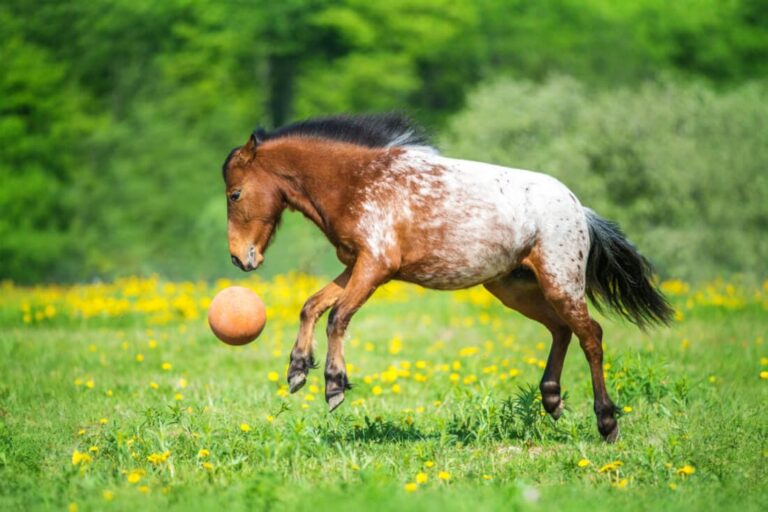
Horses are intelligent, curious animals that benefit from both mental stimulation and physical activity. In natural settings, daily routines revolve around grazing, movement, and social interaction, which help satisfy these needs. Domestic horses often experience limited turnout or confinement, which...
Whether you are enjoying a quiet trail ride or training for competition, your posture in the saddle plays a critical role in how you and your horse move together. Good posture enables riding cues to be delivered with clarity, subtlety,...