English
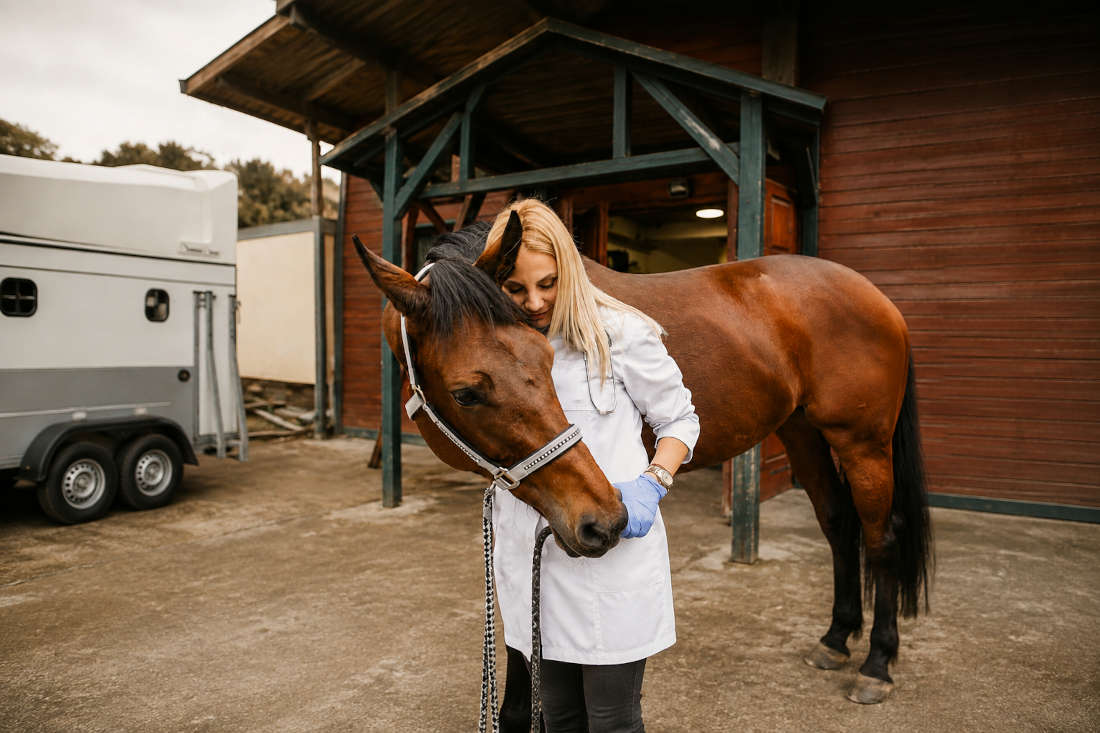
Blood glucose and insulin testing for horses helps veterinarians identify insulin dysregulation and assess a horse’s risk of endocrinopathic laminitis. Because affected horses may have few outward signs and normal blood glucose, test results require careful interpretation.
For horse owners, the testing process can be confusing because preparation, sampling conditions, laboratory methods, and diagnostic cutoffs may influence the findings. Choosing an appropriate test is also important when screening an at-risk horse or monitoring the response to management.
No single result provides a complete picture of a horse’s metabolic health. Veterinarians consider test findings alongside body condition, clinical signs and history, and previous episodes of laminitis when determining appropriate next steps.
By understanding what these tests can and cannot show, veterinarians and horse owners can make more informed decisions about identifying insulin dysregulation and managing laminitis risk.
Insulin & Glucose Testing for Horses
Equine metabolic syndrome is a collection of metabolic and clinical risk factors for endocrinopathic laminitis in horses, ponies, and donkeys. Its central feature is insulin dysregulation, which can include high resting or post-meal insulin concentrations and tissue insulin resistance.
Many affected horses are diagnosed only after developing laminitis, a painful and potentially life-threatening hoof condition associated with high insulin levels. [1]
The main tests used to assess insulin dysregulation include: [2][3]
- Resting insulin and glucose concentrations
- Oral sugar or glucose test
- Insulin tolerance test
- Combined glucose-insulin test
Veterinarians may use one or more of these tests for initial diagnosis or to monitor a horse being managed for EMS.
What's your top priority with your horse's health?

What's your top priority with your horse's health?
Insulin Secretion & Resistance in Horses
When sugars are digested and absorbed in the intestine, the pancreas secretes insulin. This hormone signals cells to take up glucose from the bloodstream and use it as an energy source.
Horses with EMS may have a genetic predisposition to postprandial hyperinsulinemia, or high blood insulin after eating. [1] Their pancreas produces excessive insulin in response to rising blood glucose.
In cases of insulin resistance, tissues do not respond normally to insulin. The pancreas may compensate by producing more insulin, allowing some affected horses to maintain normal blood glucose despite having clinically important hyperinsulinemia. [1]
This altered regulation can result in hyperinsulinemia (high circulating insulin) and, in some horses, hyperglycemia (high blood sugar). [1]
Persistent hyperinsulinemia ultimately increases the risk for laminitis, or inflammation and separation of the laminae from the coffin bone within the hoof. It does this by triggering abnormal cell growth and structural weakening of the laminae, as well as changes in blood flow to the laminae. [4][5]
Laminitis is a painful and potentially life-threatening consequence of insulin dysregulation, which is why testing is so important.
Veterinarians interpret insulin and glucose results alongside the horse’s history, clinical findings, and testing conditions when assessing for EMS.
Clinical findings that may prompt insulin testing include: [3]
- Divergent hoof rings
- Signs of laminitis, including a sawhorse stance, front limb lameness, and heat in the hooves
- Regional fat deposits, such as fat over the tailhead or a cresty neck
- Obesity
When to Call the Veterinarian
For a horse without an EMS diagnosis, contact your veterinarian about insulin testing before laminitis develops if the horse is overweight, has a cresty neck or other regional fat deposits, develops divergent hoof rings, or has a history of unexplained or recurrent laminitis. [3]
A veterinarian can determine whether resting insulin, an oral sugar test, or another protocol is appropriate.
Seek veterinary assessment for an undiagnosed horse if you notice:
- New or increasing regional fat deposits, particularly a cresty neck or fat over the tailhead
- Difficulty losing weight despite appropriate management
- Divergent hoof rings or a previous episode of unexplained laminitis
- Foot soreness, front-limb lameness, hoof heat, or a sawhorse stance
For a horse already diagnosed with EMS or insulin dysregulation, contact the veterinarian if the horse’s weight or regional fat deposits increase, if management changes are not producing the expected response, or if follow-up insulin results remain elevated. The veterinarian may recommend repeat postprandial testing, a review of diet and pasture access, or changes to the management plan. [3]
How Insulin & Glucose Tests Work
Insulin and glucose tests are performed on blood samples collected by a veterinarian. Depending on the test, the sample may be taken at rest, after the horse consumes a measured sugar or glucose dose, or after the veterinarian administers glucose or insulin as part of a controlled testing protocol. [2][3]
These tests provide a snapshot of the horse’s metabolic response under the specific conditions present at the time of sampling. Lifestyle and management factors can influence results, including: [1][2][3]
In addition, sample handling and the type of laboratory assay used to process samples can influence insulin and glucose results. [1][2][3]
Some tests measure resting concentrations, while others are dynamic tests that evaluate how the horse responds to a standardized challenge. Dynamic tests can reveal abnormal insulin responses that may not appear on a single resting sample, especially in horses that maintain normal blood glucose despite clinically relevant hyperinsulinemia. [1][2][3]
The Equine Endocrinology Group (EEG) is a group of veterinarians and researchers with expertise in equine endocrine disease. This group publishes guidance documents that veterinarians can refer to when diagnosing and managing equine metabolic syndrome and insulin dysregulation. [3] Its testing algorithm helps veterinarians choose appropriate tests, apply protocol-specific decision points, and interpret results in context.
The EEG algorithm is not a substitute for veterinary judgment. Cutoffs depend on the test protocol, sample timing, laboratory method, and clinical situation. A result above a decision point can support a diagnosis of insulin dysregulation or indicate increased laminitis risk, while a result below a cutoff may be non-diagnostic if the horse still has strong clinical risk factors.
Table 1. Summary of insulin and glucose test types
| Test | What It Measures | Preparation | Sampling and Timing | Best Use and Limitations |
|---|---|---|---|---|
| Resting insulin and glucose |
|
|
|
|
| Oral sugar or glucose test |
|
|
|
|
| Insulin tolerance test |
|
|
|
|
| Combined glucose-insulin test |
|
|
|
|
| Postprandial insulin |
|
|
|
|
Resting Insulin & Glucose
Resting insulin and glucose testing provides baseline blood concentrations. This simple test is performed on a sample taken from the horse’s jugular vein.
Preparation depends on the veterinarian’s protocol. Grain should not be fed within four to five hours before sampling because its high sugar content may increase insulin even in healthy horses. [2] Under some testing protocols, horses may have access to hay or pasture before sampling. [3]
A resting insulin concentration above the cutoff specified for the test and laboratory can support a diagnosis of insulin dysregulation. The cited EEG algorithm uses 45 µIU/mL as a decision point, but insulin assays and protocols can affect the appropriate reference range. [3]
Resting insulin is not definitive because several factors can influence the result, including:
- Stress
- Exercise
- Recent illness
- Typical diet
- Recent feeding
If the resting result does not align with the horse’s clinical risk factors, the veterinarian may recommend a dynamic test.
High blood glucose is not specific to EMS. However, it can provide supporting evidence, particularly when insulin is also elevated. Further diagnostic evaluation is warranted when a horse has high resting blood glucose. [2]
Postprandial insulin testing may be used to monitor horses being managed for EMS. [3] For this test, a blood sample is collected after the horse finishes a meal of grass or hay that reflects current management. In the cited EEG guidance, a postprandial insulin concentration above 100 µIU/mL indicates a high risk of laminitis and a need to review the management plan with the veterinarian. [3]
Oral Sugar or Glucose Test
The oral sugar test (OST) or oral glucose test is a commonly used dynamic test for insulin dysregulation. A dynamic test assesses the body’s response to a standardized challenge. For an OST, the veterinarian administers a measured dose of sugar and evaluates the horse’s insulin response. [3]
Preparation and timing vary by protocol. The horse is typically withheld from feed for a specified period before the test. [2] The veterinarian then administers a sugar source, such as corn syrup or a specialized glucose product, and collects a blood sample at the interval required by the protocol, commonly between 60 and 120 minutes after administration. [2]
Because the dose and collection time are standardized, the horse’s insulin concentration can be compared with a protocol-specific reference range. The cited EEG guidance uses a result above 45 µIU/mL for the protocol described in the source as evidence of insulin dysregulation and increased laminitis risk. [3] The veterinarian must interpret the result using the specific dose, collection time, assay, and laboratory reference range.
Veterinarians commonly use oral sugar or glucose testing because it: [3]
- Is relatively straightforward to perform
- Includes the horse’s natural digestion and absorption of dietary sugar
- May provide a more sensitive assessment of the post-meal insulin response than a resting sample
The test also has practical limitations. Insulin generally must be measured by a laboratory, and the required preparation and waiting period may not suit every horse, farm, or veterinary schedule. [3]
Insulin Tolerance Testing
The insulin tolerance test, also called the insulin response test, measures the horse’s blood glucose response after a veterinarian administers insulin. [2] It provides information about tissue insulin sensitivity.
This test does not require fasting. The veterinarian collects a baseline blood sample, administers insulin intravenously, and collects another sample 20 to 30 minutes later. [2] A decrease in blood glucose of less than 50% from baseline supports insulin resistance under the cited protocol. [3]
A veterinarian may be able to measure blood glucose on the farm with a glucometer. [3] This can provide prompt information to guide management while other results are pending.
Because administered insulin can cause hypoglycemia (low blood sugar), the horse must be monitored during the test. Weakness, collapse, and seizures can occur if blood glucose falls too low. Feed or glucose should be available for the veterinarian to use if needed. [2][3]
This test may be useful when an oral test is impractical or when the veterinarian specifically wants to assess insulin sensitivity. Its cost may be higher than that of an oral sugar test because it requires insulin and close monitoring. [3]
Combined Glucose-Insulin Test
The combined glucose-insulin test (CGIT) incorporates elements of glucose and insulin challenge testing. The veterinarian collects a baseline blood sample, administers intravenous glucose followed by insulin, and repeats blood sampling at 45 and 75 minutes. [2]
Under the cited protocol, glucose should return to baseline by 45 minutes. Insulin should return to baseline by 75 minutes and should not exceed 100 µIU/mL at 45 minutes. [2] These results must be interpreted according to the protocol and laboratory assay.
The glucose dose may reduce the risk of hypoglycemia compared with an insulin tolerance test alone. However, the CGIT has been studied less extensively than some other tests, so reference intervals may be less robust.

Other Tests
Other hormones and blood components may be altered in horses with EMS. These markers can provide supporting information in some cases, although precise reference intervals may not be available. Alternative tests include: [3]
- Adiponectin: This hormone helps sensitize cells to insulin. Low adiponectin concentrations may support a diagnosis of EMS.
- Leptin: This hormone helps signal fullness after a meal. High leptin concentrations are associated with obesity and may provide supporting evidence of EMS.
- Triglycerides: These are a major form of fat circulating in the bloodstream. Elevated concentrations may occur with altered energy metabolism and can provide supporting information during an EMS evaluation.
These measurements are adjuncts rather than stand-alone tests and should be interpreted with the horse’s clinical findings and core insulin testing.
Interpreting Results
The Equine Endocrinology Group (EEG), a panel of veterinarians and researchers with expertise in endocrine disease, has developed an algorithm for EMS and insulin dysregulation testing based on available research. [3] Veterinarians may use this guidance when selecting tests and interpreting results for an individual horse.
For initial assessment, the EEG recommends resting insulin or an oral sugar test. A result above the applicable diagnostic cutoff supports insulin dysregulation and increased laminitis risk. In the algorithm cited here, the decision point is 45 µIU/mL. [3]
A resting insulin result below 45 µIU/mL is non-diagnostic rather than definitively negative. If clinical suspicion remains, the veterinarian may recommend an oral sugar test or another dynamic test. [3]
For horses already being managed for EMS, the EEG recommends postprandial insulin testing to assess the response to current management. In the cited algorithm, a postprandial insulin concentration below 50 µIU/mL indicates lower laminitis risk, while a result above 100 µIU/mL indicates high risk and a need for further management changes. [3]
Table 2. Summary of the insulin-testing algorithm described in this article [3]
| Testing situation | Result in the cited algorithm | Interpretation |
|---|---|---|
| Initial resting insulin | Above 45 µIU/mL | Supports insulin dysregulation and high laminitis risk |
| Initial resting insulin | Below 45 µIU/mL | Non-diagnostic; consider an OST if clinical suspicion remains |
| Initial OST | Above 45 µIU/mL | Supports insulin dysregulation and high laminitis risk |
| Postprandial monitoring | Below 50 µIU/mL | Lower laminitis risk under current management |
| Postprandial monitoring | Above 100 µIU/mL | High laminitis risk; veterinary review and management changes are indicated |
Cutoffs are not interchangeable across all laboratories and protocols. The veterinarian should interpret each result using the test dose, sample timing, assay, reference range, and clinical context.
Preparing Your Horse for Testing
Preparation depends on the test selected. Follow your veterinarian’s instructions on feed access and timing rather than applying one preparation method to every insulin test.
If feed restriction is required, your veterinarian may advise moving the horse to a dry lot or stall without access to grass. The cited guidance allows a small amount of hay, approximately 0.2 to 0.4 kg per 100 kg of body weight, or about 1.5 kg for an average 500 kg horse. [2] Depending on the protocol, feed may be withheld for three to 12 hours. [2]
Have the horse ready for examination when the veterinarian arrives. Because some tests require a waiting period before the follow-up sample, ask the veterinary team how long the appointment is expected to take and whether any other concerns can be addressed during the visit.
After sampling is complete, follow the veterinarian’s directions before returning the horse to its usual routine. While results are pending, the veterinarian may recommend temporary steps to reduce laminitis risk. These may include: [3]
- Limiting or eliminating pasture access
- Removing grain or other high-sugar feeds from the diet
- Using an appropriate low-sugar forage-based diet
- Developing a supervised weight-loss plan that may include adjusted feed intake and exercise when exercise is safe
- Providing appropriate hoof care if laminitis is present
- Using medication when prescribed to address insulin concentrations or support weight management
Management should be individualized because a horse with active or recent laminitis may require different feeding and exercise recommendations from a horse without foot pain.
Testing for Equine Metabolic Syndrome
Blood glucose and insulin testing plays an important role in identifying equine metabolic syndrome before insulin dysregulation leads to endocrinopathic laminitis. Horses with EMS may maintain normal blood glucose despite producing excessive insulin, so glucose measurements alone cannot reliably rule out the condition.
The most appropriate test depends on the horse and the circumstances. Resting insulin provides a convenient initial screen, while an oral sugar or glucose test can offer a more sensitive assessment of the horse’s response to dietary sugar.
Insulin tolerance and combined glucose-insulin testing may be useful when fasting, laboratory access, scheduling, or other practical considerations affect test selection.
A normal or non-diagnostic result does not always exclude insulin dysregulation. Recent feeding, diet, stress, exercise, illness, and laboratory methods can affect insulin concentrations, and some horses require dynamic testing to clarify an inconclusive resting result.
Consistent preparation and adherence to the veterinarian’s testing protocol are essential for producing results that can support sound clinical decisions.
Testing also remains valuable after an EMS diagnosis. Postprandial insulin measurements can help determine whether dietary changes, weight management, exercise, hoof care, and prescribed medications are adequately controlling insulin and reducing laminitis risk.
Results should guide an individualized management plan developed with the veterinary team and adjusted as the horse’s condition changes. Early assessment, careful interpretation, and ongoing monitoring give owners and veterinarians the best opportunity to manage insulin dysregulation and protect the horse’s long-term hoof health.
Frequently Asked Questions
Here are some frequently asked questions about equine metabolic syndrome testing in horses:
Equine metabolic syndrome (EMS) is an endocrine disorder associated with insulin dysregulation and an increased risk of laminitis. Affected horses may produce excessive insulin after consuming sugar and become less responsive to insulin over time. Because EMS may not cause obvious signs before laminitis develops, early testing is important for horses with known risk factors.
A horse should be tested for equine metabolic syndrome if they are overweight, have regional fat deposits, are an easy keeper, or have a history of unexplained or recurrent laminitis. A cresty neck, fat deposits over the tailhead, and divergent hoof rings may also prompt testing. Signs of active laminitis, including hoof heat, front limb lameness, or a "sawhorse" stance, require prompt veterinary assessment.
Equine metabolic syndrome is diagnosed using the horse's history, physical examination findings, body condition, laminitis risk, and laboratory test results. Veterinarians may measure resting insulin and glucose or perform a dynamic test that evaluates the horse's response to sugar, glucose, or insulin. No single result should be interpreted without considering the testing protocol and the horse's clinical condition.
The main tests used to diagnose EMS in horses are resting insulin and glucose testing, the oral sugar or glucose test, the insulin tolerance test, and the combined glucose-insulin test. Resting tests provide a baseline measurement, while dynamic tests assess how the horse responds to a controlled challenge. Veterinarians select a test based on the horse's risk factors, feeding status, available time, and access to laboratory or on-farm testing.
The best test for insulin dysregulation depends on the horse and the practical circumstances of testing. Resting insulin is a useful initial test, but a normal result may miss some affected horses. The oral sugar test is commonly preferred as a dynamic test because it is relatively easy to perform, reflects the digestion and absorption of dietary sugar, and can help predict laminitis risk.
A resting insulin and glucose test measures the horse's baseline blood insulin and sugar concentrations from a sample collected from the jugular vein. A resting insulin concentration above 45 uIU/mL supports a diagnosis of EMS and indicates an increased risk of laminitis. High glucose can provide additional evidence, but elevated blood glucose is not specific to EMS and requires further investigation.
Normal resting insulin does not necessarily rule out EMS or insulin dysregulation in a horse. Resting insulin can be influenced by feeding, diet, exercise, stress, illness, and other factors, and some affected horses have values below the diagnostic threshold. If the horse has clinical risk factors, an oral sugar test or another dynamic test may be needed.
A horse can have EMS even when blood glucose is within the normal range. The pancreas may produce enough additional insulin to keep glucose controlled despite reduced insulin sensitivity. Measuring glucose alone can therefore miss clinically important insulin dysregulation, making insulin testing more informative when EMS is suspected.
High insulin in a horse may indicate hyperinsulinemia and insulin dysregulation, particularly when the sample was collected under appropriate testing conditions. Persistently elevated insulin is clinically important because it is associated with endocrinopathic laminitis. The result must still be interpreted in relation to recent feeding, stress, exercise, illness, and the type of test performed.
An oral sugar test evaluates a horse's insulin response after the veterinarian administers a measured amount of sugar, such as corn syrup or a specialized sugar pellet. A blood sample is generally collected 60 to 120 minutes later and tested for insulin. An insulin concentration above the applicable threshold supports a diagnosis of EMS, although the veterinarian must interpret the result using the protocol and reference interval for that test.
Whether a horse needs to fast before testing depends on the test being performed. Grain should generally not be fed during the four to five hours before resting insulin sampling because it can raise insulin even in a healthy horse, while hay or pasture may be permitted. An oral sugar test usually requires a longer fasting period, so owners should follow their veterinarian's specific preparation instructions rather than changing feed access independently.
An insulin tolerance test measures how effectively a horse's blood glucose decreases after insulin is administered. The veterinarian collects a baseline blood sample, gives insulin intravenously, and collects another sample approximately 20 to 30 minutes later. A decrease in blood glucose of less than 50% supports a diagnosis of EMS because it indicates that the horse's cells are not responding adequately to insulin.
An insulin tolerance test can be performed safely under veterinary supervision, but it carries a risk of hypoglycemia. In a horse that responds strongly to insulin, blood glucose may fall enough to cause weakness, collapse, or seizures. The veterinarian monitors the horse and provides a small amount of grain after testing to help restore blood sugar.
A combined glucose-insulin test evaluates the horse's response to intravenous glucose followed by insulin. Blood samples are collected before administration and again at specified intervals to determine whether glucose and insulin return toward baseline appropriately. The glucose dose reduces the risk of hypoglycemia compared with an insulin tolerance test alone, but this test has been studied less extensively and its reference intervals may be less precise.
Some types of metabolic testing can be performed partly on the farm, although laboratory analysis may still be required. Blood for resting insulin or an oral sugar test can be collected at the farm, but insulin samples generally need to be sent to a laboratory. During an insulin tolerance test, a veterinarian may be able to measure glucose promptly with an on-farm glucometer.
Insulin test results in horses can be affected by recent feeding, the usual diet, stress, exercise, illness, and sample collection conditions. The testing method, timing of blood collection, and laboratory procedures can also influence interpretation. Standardized preparation and careful adherence to the veterinarian's instructions make the results more useful.
Postprandial insulin testing is used to evaluate how a horse responds to their current hay, pasture, and management program. The blood sample is collected after the horse eats a representative meal rather than after a standardized sugar challenge. A postprandial insulin concentration below 50 uIU/mL suggests that management is effective, while a concentration above 100 uIU/mL indicates a high risk of laminitis and a need for further management changes.
After a horse tests positive for EMS, management focuses on lowering insulin levels and reducing the risk of laminitis. Depending on the horse, the veterinarian may recommend limiting pasture, removing grain, selecting lower-carbohydrate hay, supporting controlled weight loss, introducing appropriate exercise, or using medication. Horses with laminitis also require coordinated veterinary and hoof care, and follow-up insulin testing can help determine whether the management plan is working.
Adiponectin, leptin, and triglycerides can provide additional information when evaluating a horse for EMS. Low adiponectin may support reduced insulin sensitivity, while high leptin is associated with obesity and resistance to normal appetite signals. Elevated triglycerides may reflect increased breakdown of fat stores, but these markers do not have the same well-established reference intervals as the primary insulin and glucose tests.
Summary
Equine metabolic syndrome is associated with insulin dysregulation and an increased risk of endocrinopathic laminitis. Blood glucose and insulin testing can help identify abnormal regulation, but results must be interpreted in the context of the horse, the testing protocol, and the laboratory assay.
- Normal blood glucose does not rule out insulin dysregulation or EMS
- Insulin testing is more informative than glucose testing alone when evaluating EMS
- Resting insulin is practical but may miss some horses with insulin dysregulation
- Dynamic tests, such as the oral sugar test, assess the horse's response to a standardized challenge
- Diet, recent feeding, stress, exercise, illness, test protocol, and laboratory method can affect results
- Diagnosis and monitoring should combine laboratory findings with body condition, regional fat deposits, clinical history, and laminitis risk
References
- Frank. N. and Tadros. E. M. Insulin dysregulation. Equine Veterinary Journal. 2014.
- Durham. A. E. et al. ECEIM consensus statement on equine metabolic syndrome. Journal of Veterinary Internal Medicine. 2019.
- Bertin. F.-R. et al. Recommendations for the diagnosis and management of equine metabolic syndrome (EMS) and insulin dysregulation. Equine Endocrinology Group. 2024.
- Baskerville. C. L. et al. The effect of insulin on equine lamellar basal epithelial cells mediated by the insulin-like growth factor-1 receptor. PeerJ. 2018.
- Morgan. R. A. et al. Vascular dysfunction in horses with endocrinopathic laminitis. PLOS ONE. 2016.