English
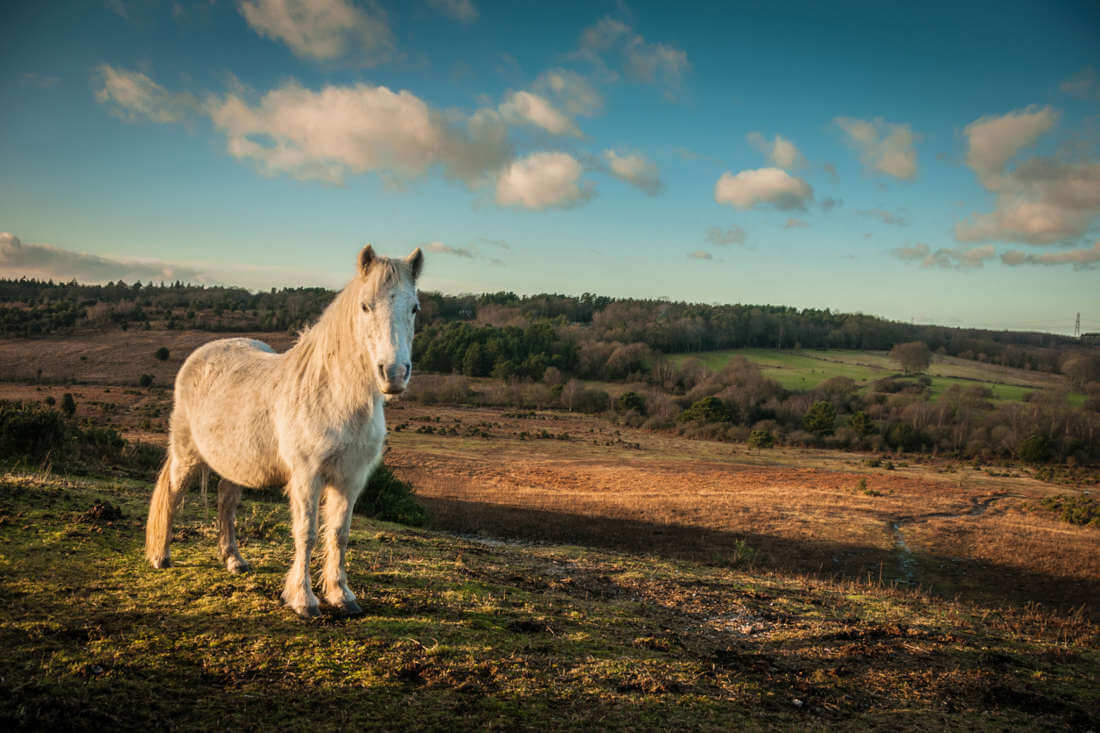
Ponies are small horses that typically have a shorter mature height, compact build, dense bone, and strong hooves. Many pony breeds also have thick coats, hardy constitutions, and often have relatively low maintenenance requirements compared with larger horses.
These traits reflect the environments in which many pony breeds developed. Breeds such as the Shetland, Welsh, Exmoor, and Dartmoor ponies were shaped by cold climates, rugged terrain, and limited forage. As a result, many ponies are well adapted to maintaining body condition on relatively modest feed intake.
That efficiency can become a management challenge when ponies are kept on rich pasture or fed more calories than they require. Ponies are particularly prone to obesity, insulin dysregulation, and laminitis, making careful control of body condition, forage quality, and overall calorie intake especially important.
Keep reading to learn more about pony breeds, their characteristics, common health concerns, and nutritional needs.
Guide to Pony Breeds
A pony is a type of horse that typically stands 14.2 hands or less at maturity, although height alone does not determine whether an equine is considered a pony.
Ponies generally have a more compact, heavy-boned build than horses of similar height, whereas Miniature Horses are bred to retain the proportions of a full-sized horse on a much smaller frame.
Individual pony breeds vary considerably, but many share features that distinguish them from other equines. Common characteristics of ponies include:
- Short stature and compact build with a deep barrel, broad chest, and relatively short limbs
- Heavy bone and sturdy joints
- A broad head and short neck in many breeds
- Thick manes, tails, and winter coats, particularly in breeds adapted to cold climates
- Lower energy requirements and a tendency to maintain body condition on relatively little feed
- Hardiness and adaptability to cold, rugged environments and limited forage
Height Standard
Most breed registries define a pony as an equine that measures 14.2 hands or less at the withers when mature. This is equivalent to 4 feet 10 inches, 58 inches, or about 147 cm. However, height standards vary among breed registries and competition organizations, and breed classification is not determined by height alone.
Some competitions use a slightly different cutoff for classes offered exclusively to ponies, but 14.2 hands remains the most widely recognized threshold in the equestrian world.
Some sport pony breeds are deliberately bred near the upper height limit, since a taller pony often has a longer stride and larger movement than shorter ponies within the same height rules.
Height alone does not define every pony breed. A few breeds, such as the Connemara Pony, routinely produce individuals close to or slightly above the pony cutoff. These individuals are still considered ponies because of their breed type.
Ponies vs. Horses
Ponies are not just miniature horses. Their body proportions differ from larger horses in several key ways.
They typically have shorter legs relative to body length, a wider and deeper barrel, denser bone for their size, and thicker manes, tails, and coats. Their heads also tend to be shorter and broader, with smaller ears and larger eyes relative to head size.
These traits reflect generations of selection for animals that could survive on poor grazing, tolerate cold and wet climates, and carry disproportionately heavy loads for their size. A pony’s compact frame and thick coat can both be attributed to historical adaptation and selective breeding.
Ponies vs. Miniature Horses
Miniature horses and ponies are frequently confused, but they represent different types of equines and breeding goals. Breeders selected miniature horses to resemble full-sized horses in miniature form, favoring a refined, proportional build over the stocky, thick-set type typical of most pony breeds.
Many miniature horse bloodlines trace back to Shetland and other pony foundations, but later breeding emphasized horse-like refinement over the hardy pony type.
Miniature horses also fall well under the pony height cutoff, typically standing under 34 to 38 in, depending on the registry.
These breeds have some of the same metabolic tendencies as ponies, including a predisposition toward obesity and hyperlipemia. However, registries and breed organizations treat them as a distinct category rather than a type of pony.
| Breed Summary | |
|---|---|
| Breed Name | Pony breeds |
| Breed Type | True pony / compact equine category |
| Origin | Developed independently across many regions; many native breeds trace to harsh mountain, moorland, island, and resource-poor environments |
| Breed Registry | No single registry; most breed registries classify mature ponies as 14.2 hh or under |
| Population Status | Varies by breed; several rare native pony breeds are managed through conservation and genetic diversity programs |
| Average Height | 14.2 hh or under |
| Average Weight | Varies depending on breed |
| Common Coat Colors | Varies widely by breed; may include bay, brown, dun, gray, chestnut, and distinctive breed-specific patterns |
| Conformation | Compact, well-muscled body; short, strong legs; dense bone; deep, well-sprung barrel; shorter, broader head; small ears; large eyes; thick mane, tail, and coat |
| Lifespan | About 25–30 years |
| Price Range | Varies greatly depending on specific breed |
| Common Uses | Children’s and youth riding, recreational riding, driving, therapeutic and adaptive riding, conservation grazing, breeding programs |
| Temperament | Intelligent, independent-minded, hardy, often calm with consistent handling; can be cheeky or stubborn |
| Best For | Owners and riders seeking a hardy, versatile, efficient small equine for riding, driving, youth programs, or conservation roles, with careful weight and pasture management |
| Common Health Concerns | Equine metabolic syndrome and insulin dysregulation, laminitis, obesity, dental and skin conditions, sweet itch in some native breeds, foal immunodeficiency syndrome in Fell and Dales ponies, hyperlipemia |
Pony Breed History
Pony breeds developed independently across many regions of the world, but often under similarly challenging environmental conditions. Most ancestors of pony breeds had to adapt to survive in landscapes too harsh, remote, or resource-poor to support larger horses.
Origins
Some of the oldest pony breeds trace their ancestry to the mountain and moorland regions of the British Isles.
Archaeological evidence suggests native ponies inhabited parts of Britain as far back as the late Pleistocene period. Genetic research has since traced complex ancestral relationships between many of today’s native breeds, including the Shetland, Welsh, Highland, Dartmoor, and Fell ponies. [1]
A large-scale genetic study of these populations found that most retained high genetic diversity despite centuries of regional isolation. However, a few small or geographically isolated breeds showed reduced diversity because of their limited gene pools. [1]
Thin, rocky soil, high winds, and short growing seasons defined these native ranges, and only the hardiest, most efficient animals survived long enough to reproduce. Those conditions shaped the conformation, hardiness, and metabolism of many native pony breeds.
The pressures of moorland and mountain life left a lasting mark on pony physiology. Ponies that could extract maximum energy from sparse forage and store fat efficiently during short growing seasons had a survival advantage over less efficient animals.
Researchers have since confirmed that this thrifty adaptation shows up as measurably lower insulin sensitivity in pony breeds compared with many horse breeds, even in animals with ideal body condition. [2]
That same trait can work against ponies living in domestic environments with rich grass pastures and calorie-dense feed. An adaptation built for scarcity does not adjust well to abundance, which is a major reason metabolic disease is a persistent concern in pony breeds today.
Historic Use
For most of their history, ponies earned their keep through labor rather than leisure. Native breeds pulled carts, carried peat and other goods across difficult terrain, worked in agriculture, and in some regions worked underground as pit ponies in coal mines.
Their small size, strength relative to body weight, and calm dispositions made them practical partners for physically demanding jobs that larger horses could not perform as efficiently in tight or rugged spaces.
Mechanization eventually reduced the need for ponies as working animals, but their versatility helped many breeds transition into recreational and competitive roles.
Most pony breeds today are kept as riding and driving partners. Breed societies in many regions also focus heavily on conservation and genetic diversity, working to protect breeds that no longer have large populations of working animals to support their survival.
What's your top priority with your horse's health?

What's your top priority with your horse's health?
Popular Pony Breeds
Dozens of recognized pony breeds exist worldwide, each shaped by a different region, climate, and historical purpose. Some developed as hardy working animals in remote mountain, moorland, or island environments, while others were selectively bred for riding, driving, or equestrian sport.
Together, these breeds reflect the diversity of pony populations around the world, from historically significant native types to distinctive modern riding and sport ponies.
Shetland Pony
Shetland Ponies originated in the Shetland Islands of Scotland, where centuries of adaptation to a harsh climate and limited forage produced a small, strong, and remarkably hardy breed. They have compact, muscular bodies, substantial bone, and thick coats that protect them from cold, wet, and windy conditions. [3]

Established in 1890, the Shetland Pony Stud-Book Society maintains the British studbook and breed standard. Registered Shetland Ponies cannot exceed 42 in (107 cm) at the withers. Historically used for farm work, transportation, and mining, Shetlands are now popular for driving, children’s riding, companionship, and therapeutic programs. [3]
Shetland Ponies are typically easy keepers, meaning they can maintain body weight on relatively few calories. This efficient metabolism can predispose them to obesity when they have unrestricted access to energy-dense forage or pasture. Regularly monitoring body condition score and managing pasture and forage intake can help maintain a healthy weight and reduce the risk of associated metabolic problems. [5]
Shetland Ponies are also affected by several inherited disorders, including skeletal atavism, a developmental condition that can cause severe angular and rotational limb deformities, and forms of dwarfism associated with variants in the ACAN gene. [4]
Highland Pony
Highland Ponies are hardy Scottish natives known for their strength, stamina, and sure-footedness on rugged terrain. They traditionally worked as versatile pack and farm animals, hauled timber and transported game on Scottish sporting estates. Today they are known for recreational riding, trekking, driving, and showing. [6]

Registered Highland Ponies stand no higher than 14.2 hands (148 cm) and have a strong, well-balanced build with a deep body, powerful hindquarters, and sturdy limbs. The Highland Pony Society maintains the breed’s official studbook. [6]
Highland Ponies are generally easy keepers that can maintain body condition on relatively modest diets. Owners may need to carefully manage calorie intake and pasture access to prevent excessive weight gain and reduce the risk of metabolic problems, including insulin dysregulation and laminitis. [5]
Eriskay Pony
Eriskay Ponies are a rare native Scottish breed associated with the island of Eriskay in the Outer Hebrides. They typically stand between 12 and 13.2 hands high, with gray being the most common coat color. The Eriskay Pony Society maintains the breed’s studbook and supports efforts to conserve the remaining population.
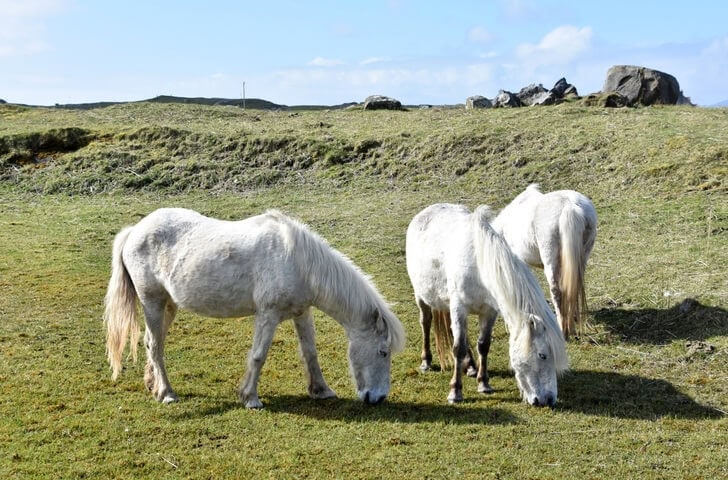
Because relatively few Eriskay Ponies remain, breeding decisions play an important role in the breed’s future. Genetic information can help breeders limit further inbreeding, retain less common bloodlines, and preserve as much diversity within the population as possible. [7]
Welsh Pony & Cob
Welsh Ponies and Cobs are versatile equines with a long history as working, riding, and driving animals. The breed includes several distinct types and sizes, ranging from the small Welsh Mountain Pony to the substantially built Welsh Cob.
The Welsh Pony and Cob breed is divided into four sections based on height and type:
- Section A Welsh Mountain Ponies
- Section B Welsh Ponies
- Section C Welsh Ponies of Cob Type
- Section D Welsh Cobs
These sections include animals of different sizes and builds suited to a variety of uses. Welsh Ponies and Cobs participate in riding, driving, jumping, dressage, and breed showing. [8]
Founded in 1901, the Welsh Pony and Cob Society maintains the breed’s studbook in the United Kingdom. In North America, the Welsh Pony and Cob Society of America registers Welsh Ponies and Cobs in the United States and Canada. [9]
Welsh Ponies are often easy keepers that can maintain weight on relatively few calories. Careful dietary management can help prevent excessive weight gain, as obesity and insulin dysregulation can increase the risk of laminitis. [10]
Connemara Pony
Connemara Ponies are hardy, athletic ponies native to western Ireland. Known for their versatility and jumping ability, they’re popular with both youth riders and adults across a range of equestrian disciplines.
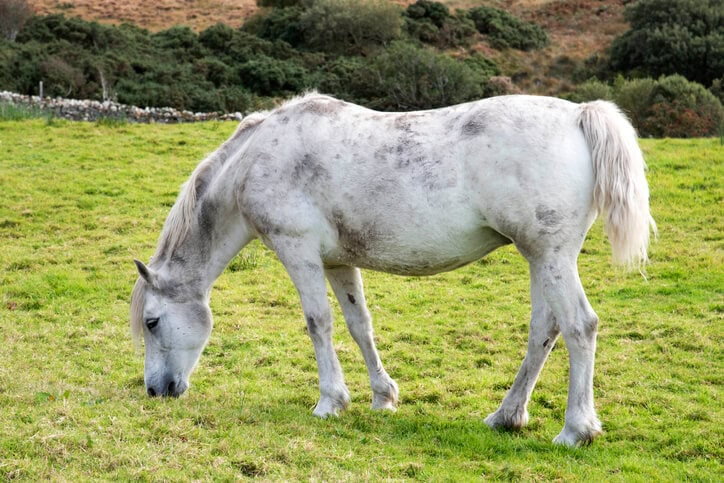
Connemaras typically stand between 13 and 15 hands in North America, meaning some individuals exceed the conventional 14.2-hand pony cutoff. Their athleticism makes them particularly popular for jumping and eventing, including as mounts for youth and smaller adult riders. The Connemara Pony Breeders’ Society (CPBS) maintains the breed’s Irish studbook and oversees registration and inspection. [11]
Connemaras are prone to hoof wall separation disease (HWSD), an autosomal recessive disorder that causes cracking and separation of the outer hoof wall. [12] DNA testing can identify carriers responsible for HWSD, helping breeders avoid producing affected foals.
Like many easy keeper horses, Connemaras may maintain weight on relatively modest amounts of forage and feed. Regular body condition assessment and managed access to energy-dense pasture can help prevent excess weight gain and reduce the risk of associated metabolic health problems. [13]
Kerry Bog Pony
Kerry Bog Ponies are compact, sturdy ponies developed to navigate the challenging boglands of County Kerry, Ireland. Despite their small stature, they are strong for their size and sure-footed over difficult terrain.
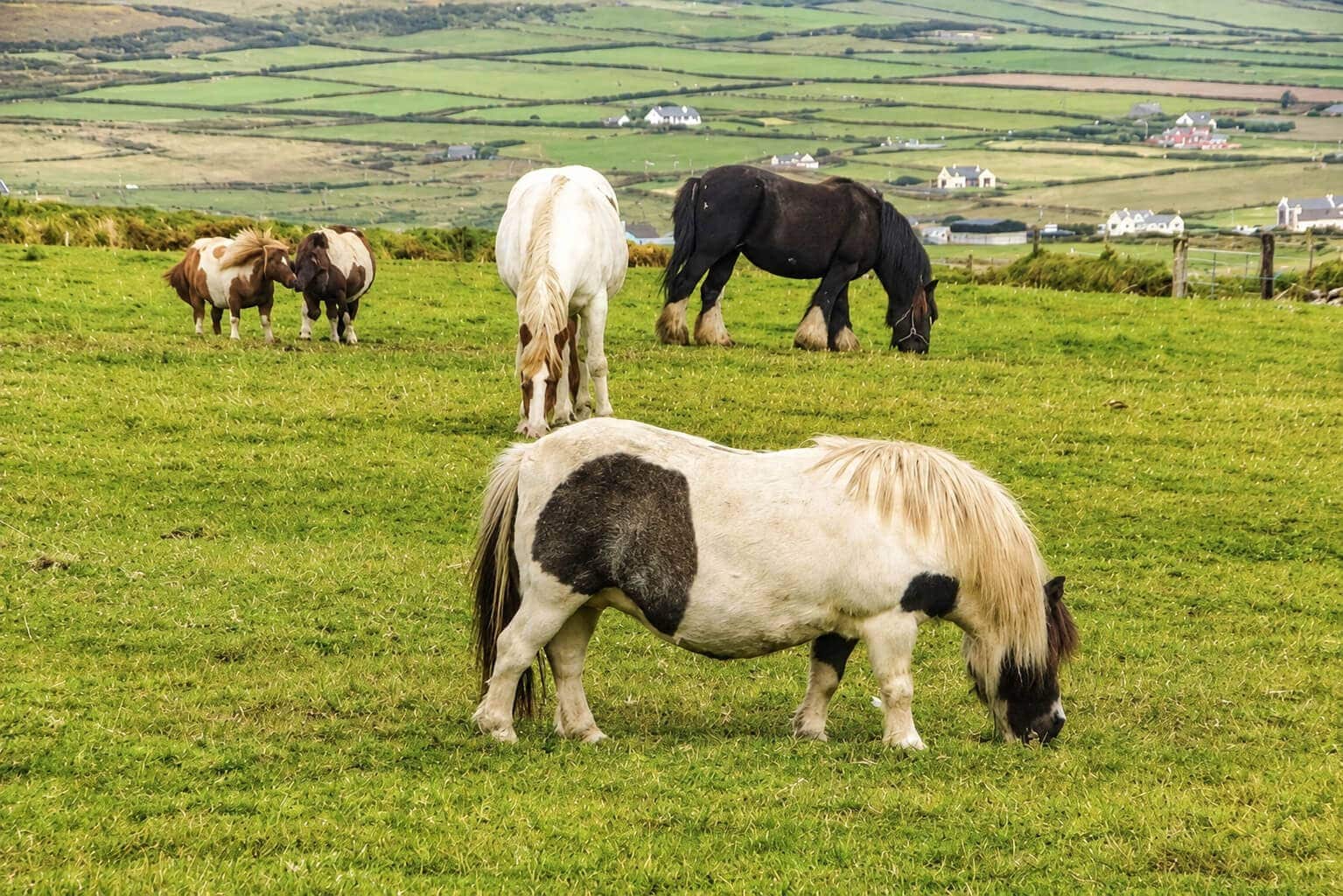
Stallions and geldings typically stand between 10 and 11.2 hands (102 and 117 cm), while mares range from 10 to 11 hands (102 to 112 cm). Their compact, strong conformation allowed them to work as pack and draft animals, carrying loads across the soft and uneven terrain of the Kerry bogs. Today they’re primarily kept as heritage animals, family ponies, and recreational mounts. [14]
Horse Sport Ireland (HSI) administers the Kerry Bog Pony Studbook on behalf of the Kerry Bog Pony Co-Operative Society. With a relatively small population, breeders also work to preserve genetic diversity while maintaining the breed’s distinctive characteristics. [14]
New Forest Pony
New Forest Ponies are one of Britain’s larger native pony breeds, standing up to 14.2 hands. Their athleticism, hardy constitution, and versatile riding type make them suitable for both children and adults. They are commonly used for jumping, dressage, Pony Club activities, driving, and recreational riding. [15]
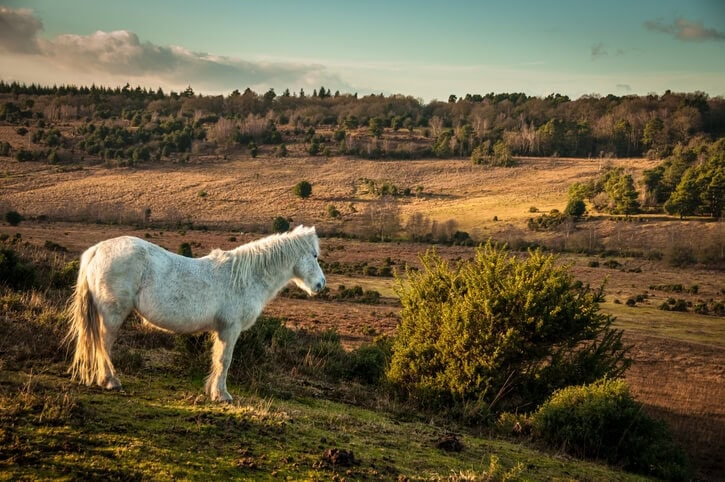
The New Forest Pony Breeding & Cattle Society maintains the breed’s mother studbook in the United Kingdom. Purebred and part-bred New Forest Ponies in the United States and Canada can also be registered with the New Forest Pony Society of North America, the breed’s recognized North American daughter studbook. [15]
Congenital myotonia, has been identified in New Forest Ponies and is associated with a mutation in the CLCN1 gene. The disorder interferes with normal muscle relaxation and causes muscle stiffness. [16]
Like many native pony breeds, New Forest Ponies can also be easy keepers and may maintain or gain weight on relatively few calories. A carefully managed, forage-based feeding program can help meet nutrient requirements while supporting a healthy body condition. [5]
Dartmoor Pony
Dartmoor Ponies are a rare British native breed originating from the moorlands of Dartmoor in southwest England. Centuries of life in this rugged environment helped shape the hardy, versatile pony recognized as the pedigree Dartmoor today.
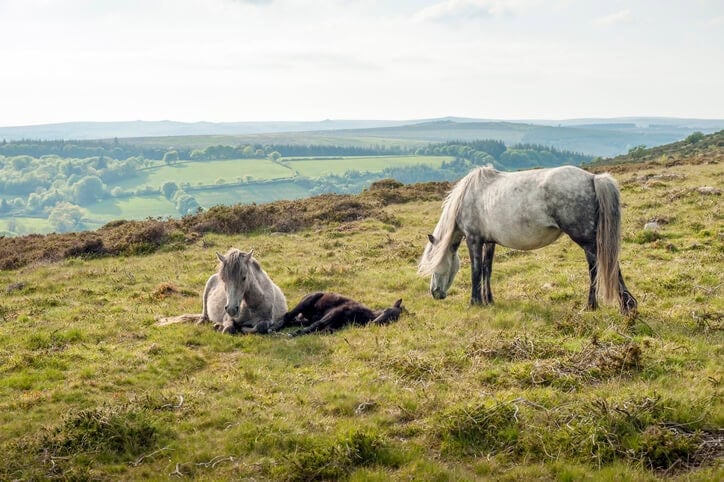
Modern pedigree Dartmoor Ponies stand up to 12.2 hands (127 cm) and have a refined yet sturdy build. Registered Dartmoors should not be confused with the broader population of ponies living on Dartmoor, as many free-ranging ponies on the moor are not registered members of the pedigree breed. [17]
The Dartmoor Pony Society maintains the British studbook, while the Dartmoor Pony Registry of America handles breed registration in North America. Breeders also work to retain important maternal bloodlines and genetic diversity within this rare, native breed. [17]
Exmoor Pony
Exmoor Ponies are hardy British natives with a long history on the moorlands of southwest England. Their resilience and ability to thrive in challenging environments reflect generations of adaptation to this rugged landscape.
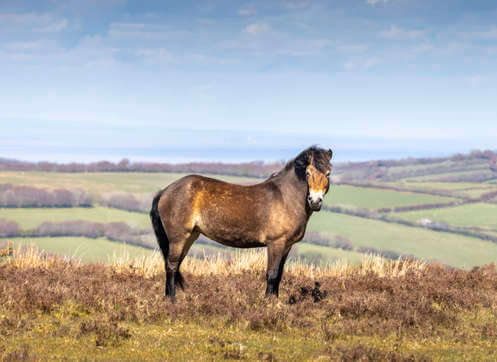
The breed experienced a severe population bottleneck during and after the Second World War, when their numbers declined to only fifty surviving equines. Founded in 1921, the Exmoor Pony Society maintains the studbook and supports the surviving breed’s preservation. [18]
Today, Exmoor Ponies are used for recreational riding and driving as well as conservation grazing. Their ability to graze coarse vegetation makes them well suited to managed and semi-feral grazing programs that use livestock to help maintain open habitats. [19]
The breed’s small population makes genetic diversity an ongoing breeding consideration. Exmoor Ponies may also develop insect bite hypersensitivity commonly known as sweet itch, an allergic skin condition triggered by bites from Culicoides midges. [18]
Fell Pony
Fell Ponies are a British breed that originated in the rugged fells of Northern England. Known for their strength, sure-footedness, and versatility, they historically served as pack and working ponies and are now commonly used for riding, driving, and showing.
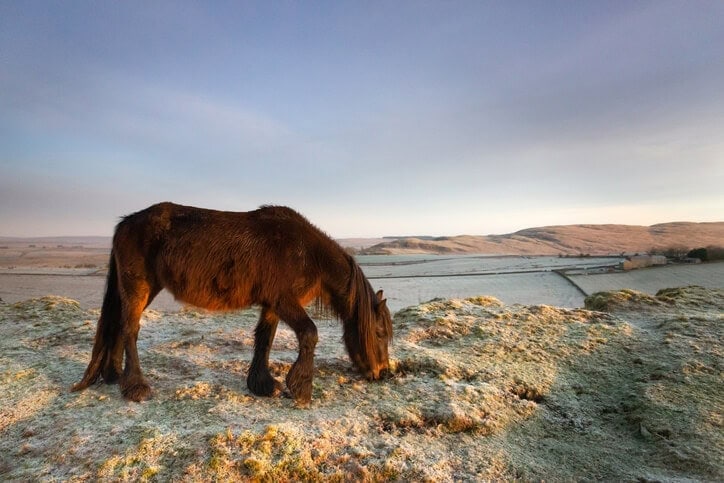
The Fell Pony Society maintains the breed’s primary registry and supports efforts to protect its breeding population. Fell Ponies remain one of Britain’s vulnerable native breeds. [20]
Foal immunodeficiency syndrome (FIS), formerly known as Fell Pony syndrome, is common in the breed. This fatal autosomal recessive genetic disorder causes severe anemia and immune dysfunction in affected foals. [21]
DNA testing can identify FIS carriers so breeders can avoid carrier-to-carrier matings, which risk producing affected foals. Because carriers do not develop the disease themselves, they can still contribute valuable genetics to breeding programs when paired with genetically clear ponies.
Dales Pony
Dales Ponies are British natives developed in the Pennine Dales of northern England. Traditionally valued for strength, stamina, and sure-footedness, they worked in pack and agricultural roles before becoming popular for riding, driving, and showing.
Dales Ponies generally stand between 14 and 14.2 hands and have substantial bone, strong feet, and characteristic feathering. Galloway, Norfolk Trotter, and later Clydesdale ancestry contributed to the development of the modern breed. [22] The Dales Pony Society maintains the official studbook, with breeders selecting for traits including stamina, sure-footedness, strength, and energetic movement.
Like Fells, Dales Ponies are affected by foal immunodeficiency syndrome (FIS). [23] Genetic testing allows breeders to identify carriers of the recessive mutation and plan matings that will not produce affected foals.
Gotland Pony
Gotland Ponies, also known as Gotlandsruss, are native Swedish ponies with a long history on the island of Gotland. These hardy ponies are valued for their versatility, athleticism, and ability to thrive under proper management.
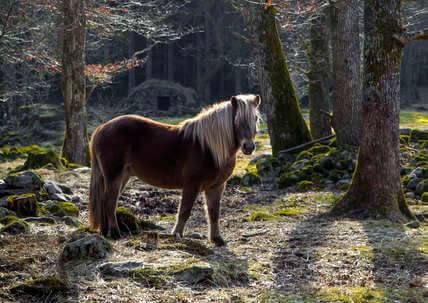
Svenska Russavelsföreningen supports organized breeding of the Gotland Pony. A semi-feral population also lives on Lojsta Moor, where they retain a close connection to the environment traditionally associated with the breed. [24]
Gotland Ponies generally stand between 11 and 13 hands. They are compact but athletic, with strong limbs and energetic movement. Today, they are used for children’s riding, driving, recreational competition, and pony harness racing. [25]
Australian Pony
Australian Ponies developed in Australia from imported pony bloodlines and generations of local breeding. Breeders sought an attractive, manageable pony with enough substance and versatility for children, farm life, recreational riding, and the show ring. [26]
The Australian Pony Stud Book Society was established in 1931, with its first studbook including a dedicated Australian Pony section for locally developed ponies and descendants of several imported foundation populations.
The section was largely closed to outside blood in 1960, although specified Welsh breeding remains permissible under registry rules. The Australian Pony continues to be recognized as one of the Society’s purebred sections. [26]
Australian Ponies are refined but sturdy, with balanced conformation and active movement. They’re popular for children’s riding, breed showing, harness classes, and general family activities. [26]
Hackney Pony
Hackney Ponies are elegant British driving ponies renowned for their animated, high-stepping movement and impressive presence in harness. Although closely related to Hackney Horses, selective breeding produced a distinct, smaller type that became known for their success in the show ring.
The modern Hackney Pony traces back to Christopher Wilson’s nineteenth-century breeding program in Westmorland. Wilson crossed a Hackney stallion with Fell Pony mares to produce a smaller animal while retaining the Hackney’s characteristic movement. Known as Wilson Ponies, these animals helped establish the modern Hackney Pony. [27]
Founded in 1883, the Hackney Horse Society maintains the British studbook for both Hackney Horses and Hackney Ponies. Mature Hackney Ponies generally stand between 12.2 and 14 hands. [28]
Modern Hackney Ponies are best known for show harness, where balance, animation, and elevated knee and hock action are highly valued. They resemble Hackney Horses in conformation but have a smaller, more compact frame. [28]
The Rare Breeds Survival Trust classifies Hackney Horses and Ponies as critical, making the maintenance of viable breeding populations an important priority. [29]
German Riding Pony
German Riding Ponies, or Deutsches Reitponies, are modern sport ponies bred to combine the athleticism and rideability of larger sport horses with a smaller size suited to young riders. They are especially popular in competitive equestrian disciplines and have become important youth mounts throughout Europe.
The breed was developed by crossing native and imported ponies, including Welsh, New Forest, and Connemara ponies, with Thoroughbred, Arabian, and warmblood horses. Breeders selected for athletic equines with performance traits associated with larger sport horses. [30]
German Riding Ponies typically stand between 13.2 and 14.2 hands. They have a refined build, expressive and athletic movement, and good jumping ability. [31]
Most German Riding Ponies are used for dressage, show jumping, and eventing. Their smaller size gives young riders the opportunity to compete on mounts with the movement, rideability, and athletic ability expected of horse athletes. [30]
French Saddle Pony
French Saddle Ponies, or Poneys Français de Selle (PFS), are French sport ponies bred specifically for riding and competition. Unlike traditional working breeds, PFS breeding emphasizes athleticism, rideability, and performance in youth equestrian sport.
Early breeding programs crossed French pony mares with stallions including the Connemara, New Forest, Welsh, and Arabian. Other European sport pony bloodlines were later incorporated into the breeding population. [32]
French Saddle Ponies are bred to perform more like small sport horses than traditional working ponies. Desired traits include balanced conformation, athletic movement, jumping ability, and rideability. They compete in show jumping, eventing, dressage, and other youth disciplines. [32]
The Association Nationale du Poney Français de Selle (ANPFS) supports the development and selection of the breed. PFS ponies are now one of the major registered pony populations in France. [33]
Pony of the Americas
Ponies of the Americas (POAs) are an American breed developed as versatile mounts for young riders and families. They combine distinctive spotted coat patterns with stock-horse conformation and pony-sized stature, making them suitable for a wide range of English and Western disciplines.
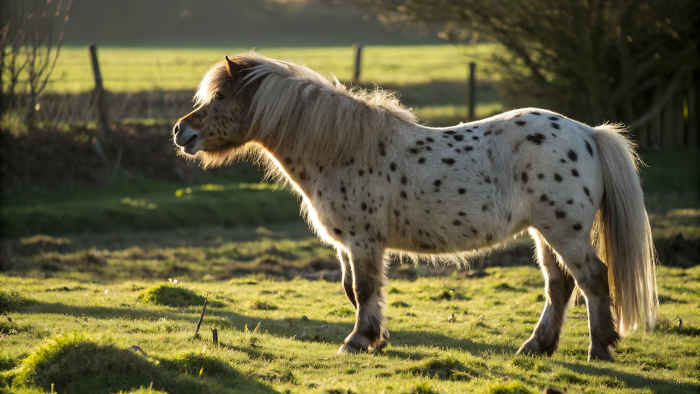
Early breeders combined Appaloosa coloring with ancestry from Arabians, Quarter Horses, Shetlands, Welsh Ponies, and other breeds. Their goal was a manageable youth mount with stock horse conformation and distinctive spotted coloring. [34]
POAs participate in Western and English pleasure, jumping, dressage, eventing, driving, games, trail riding, and halter classes. Youth participation remains an important part of the breed community. [35]
Registered POAs generally stand between 11.2 and 14 hands and must meet requirements for conformation and color characteristics. The Pony of the Americas Club maintains the official breed registry. [34]
The spotted coat patterns associated with POAs are linked to the leopard complex (LP) gene. Horses that inherit two copies of LP are at risk of congenital stationary night blindness (CSNB). [36] POAs and other horses with Appaloosa-type genetics can also have an increased risk of equine recurrent uveitis (ERU), an inflammatory eye disease. [37]
Chincoteague Pony
Chincoteague Ponies are small, hardy American ponies associated with the free-ranging herds of Assateague Island off the coasts of Virginia and Maryland. Generations of life in this coastal environment have shaped ponies known for their hardiness and adaptability. Domestic Chincoteagues are also used in a wide range of recreational and competitive activities.
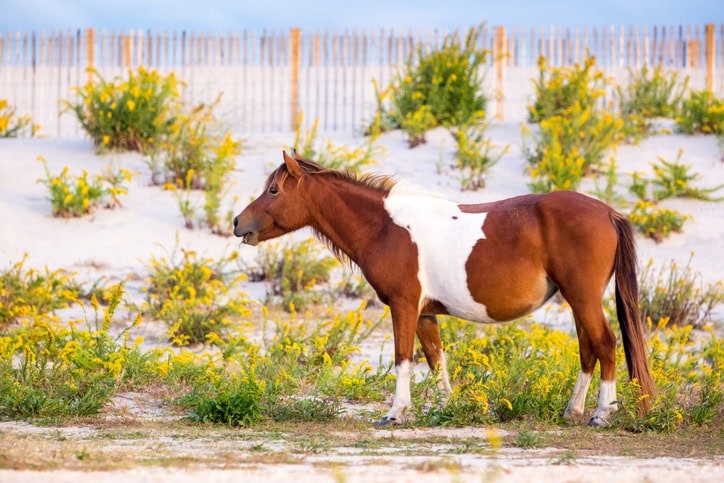
Domestic descendants are registered through the International Chincoteague Pony Association & Registry. Chincoteague Ponies generally stand around 12 to 13 hands, although size varies. They occur in many coat colors, with pinto patterns commonly associated with the breed. Domestic ponies are used for riding, driving, showing, and other recreational activities. [38]
Maintaining genetic diversity is an important consideration for the relatively restricted island populations. [39][40] Domestic Chincoteagues, however, are managed according to their individual requirements rather than simply fed or kept under conditions that mimic those of free-ranging Assateague ponies. Their feeding programs should account for body condition, workload, forage quality, and individual nutritional needs. [5]
Newfoundland Pony
Newfoundland Ponies are a Canadian heritage breed shaped by generations of life and work in Newfoundland and Labrador. Descended from ponies brought to the region from the British Isles, these hardy animals became valued for transportation, farm work, hauling, and their ability to navigate challenging terrain and climate.
Mechanization and changes to municipal roaming laws contributed to a severe population decline during the twentieth century. A population numbering in the thousands during the 1960s and 1970s fell to fewer than 100 animals by the 1980s. In 1997, Newfoundland and Labrador formally recognized the Newfoundland Pony under provincial heritage animal legislation. [41][42]
Newfoundland Ponies stand approximately 11 to 14.2 hands and are known for their thick coats, strong feet, and ability to work over challenging terrain. Today, they are primarily used for riding, driving, and light work. The Newfoundland Pony Society maintains the breed’s official registry. [42]
Because the breeding population is so small, planned matings and careful pedigree management are important for retaining the breed’s remaining genetic diversity. [41]
Ojibwe Horse
Ojibwe Horses are a critically endangered breed with a long history alongside Indigenous communities in the boreal forests of present-day Canada and the United States. Also historically known as Lac La Croix Indigenous Ponies, these horses have longstanding cultural significance and are the focus of ongoing efforts to preserve their surviving bloodlines.
Modern Ojibwe Horses average approximately 13 hands, with individuals generally ranging from about 12 to 14.2 hands. The Ojibwe Horse Society maintains registry, pedigree, and DNA records for known animals. [43]
The breed standard describes a strong, active small horse with a broad forehead, small well-haired ears, sloping shoulders, hard hooves, and strong bone. Solid coat colors are common, including individuals displaying dun characteristics. [43]
By 1977, the population had declined to only four known mares at Lac La Croix. Conservation efforts with these surviving mares established the breeding population that remains today. Because the modern population descends from such a small number of founders, pedigree information and carefully planned breeding are especially important for retaining genetic diversity. [44]
Breed Characteristics
While individual breeds vary widely in size, color, and temperament, most pony breeds share a set of physical and behavioral traits that distinguish them from horses.
Conformation
Most ponies stand under 14.2 hands and have compact, well-muscled bodies with short, strong legs and dense bone for their size.
Their barrels tend to be deep and well sprung, leaving more room for internal organs relative to overall body size. Heads are usually shorter and broader than a horse’s, often with a slightly dished or straight profile, small ears, and large, expressive eyes.
Manes, tails, and winter coats also tend to be noticeably thicker than in horse breeds, a holdover from generations spent outdoors in cold, wet climates with minimal shelter.
Coat Colors & Patterns
Coat color varies widely by breed. Some pony breeds, including the Welsh Pony, appear in almost every recognized equine color. Others maintain much stricter standards.
Connemara breed rules exclude Appaloosa and pinto patterning entirely, and several native British breeds favor solid colors such as bay, brown, dun, gray, and chestnut. Other breeds, such as the Pony of the Americas, are bred specifically for their distinctive coat patterns.
Temperament
Most pony breeds are described as intelligent and independent. They are often stereotyped as cheeky or stubborn.
While a pony’s small size can make them easy to underestimate, many develop strong personalities and clear opinions about their handling and work. This independent personality likely reflects generations of semi-feral or free-ranging life, when ponies had to make their own decisions about food, shelter, and safety without human guidance.
With consistent handling and training, most pony breeds make excellent partners for riders of all ages and experience levels, including children learning the basics of safe horsemanship.
Gaits & Movement
Movement quality differs significantly between working pony types and sport pony types.
Native breeds developed efficient, ground-covering gaits suited to rough terrain and long working days rather than expressive, high-stepping movement.
Sport and show pony breeds, by contrast, were selectively bred for more elevated, horse-like gaits that translate well into dressage, hunter, and jumper disciplines.
Disciplines & Modern Use
From beginner mounts to competitive sport partners to living conservation projects, ponies fill a wide range of roles in the modern equestrian world.
Children’s & Youth Riding
Ponies remain the traditional first mount for many young riders, thanks to their manageable size and, in well-trained ponies, their patience.
Youth organizations built around pony ownership and competition, such as Pony Club programs found in many countries, continue this tradition. These programs introduce new generations of riders to horsemanship fundamentals through hands-on care and instruction, often with the help of small equines belonging to pony breeds.
Driving
Many pony breeds have a long history in harness work, and that tradition continues today in both recreational and competitive driving.
Breeds developed originally for pulling carts or agricultural equipment often retain strong natural pulling ability and a work ethic suited to driving disciplines.
Therapeutic & Adaptive Riding
The calm temperament and manageable size of many pony breeds make them well-suited to therapeutic riding programs.
These programs use structured equine interaction to support physical, cognitive, or emotional development, and they frequently choose ponies when a smaller, less intimidating mount is appropriate for the rider.
Conservation Grazing & Breeding Programs
Several native pony breeds now play an active role in habitat conservation. Semi-feral herds live on protected moorland, forest, and island landscapes, where their grazing patterns help preserve specific plant communities and prevent scrub encroachment.
Breed societies for rare pony types often coordinate closely with conservation organizations to balance genetic diversity within small populations against the practical needs of habitat management.
Pony Health Profile
Many general health risks overlap between ponies and horses, but a pony’s unique metabolism creates a distinct set of priorities for owners and veterinarians.
EMS & Insulin Dysregulation
Insulin dysregulation is the center of most pony-specific health concerns. Research comparing insulin responses across breeds has consistently found that ponies show a stronger insulin response to glucose than many horse breeds, along with lower overall insulin sensitivity, even when body condition is controlled for. [2]
A more recent epidemiological study of Shetland and Welsh ponies found a high prevalence of insulin dysregulation using dynamic testing methods rather than basal bloodwork alone. This suggests the condition may be underdiagnosed in some pony populations. [45]
Veterinary consensus groups now recognize equine metabolic syndrome, the broader condition that includes insulin dysregulation, obesity, and an elevated laminitis risk, as especially common in pony breeds. [46]
Laminitis Risk
Laminitis disease involving damage and failure of the lamellar tissues that suspend the pedal bone within the hoof capsule. It occurs far more frequently in ponies than in the general horse population. The underlying driver of this condition is often chronic or repeated hyperinsulinemia, which can damage the lamellar tissue in the hoof over time. [46]
Because ponies are more prone to the insulin dysregulation that triggers this damage, they carry a correspondingly higher lifetime laminitis risk than most horse breeds.
Seasonal grass growth is a particularly important trigger for pasture-associated laminitis. Ponies grazing lush spring or summer pasture can experience sharp spikes in blood insulin, which makes pasture management one of the most important preventive tools available to pony owners.
Obesity & Easy Keepers
Many pony breeds are considered easy keepers, meaning they can maintain or gain weight on relatively little feed. However, risk of unwanted weight gain varies between breeds and individual horses.
A study of outdoor-living horses and ponies found that obesity increased significantly between the end of winter and summer. Breed was the factor most strongly associated with obesity, suggesting that some pony and cob types require particularly careful weight management. [47]
Seasonal pasture growth can contribute to gradual weight gain, even when owners do not provide large amounts of supplementary feed. Regular body condition scoring throughout the year can help owners recognize changes early and adjust grazing, feeding, or exercise before excess weight becomes more difficult to manage.
Dental & Skin Conditions
Many of the same dental and skin conditions seen across the general equine population also affect ponies.
A large owner-reported survey of horses and ponies in Great Britain found that musculoskeletal issues, skin disease, and dental problems were among the most commonly reported long-term health concerns. [48]
Insect bite hypersensitivity, an allergic skin reaction to biting midges commonly known as sweet itch, also appears at meaningfully higher rates in certain native pony breeds, including the Exmoor. Genetic research comparing Exmoor ponies and Icelandic horses identified shared genetic risk regions linked to this hypersensitivity, pointing to a heritable component in susceptible breeds. [49]
Genetic Diseases
A small number of pony breeds carry specific inherited conditions.
Foal immunodeficiency syndrome, a fatal recessive disease affecting the Fell and Dales breeds, was traced to a single mutation that disrupts red blood cell and immune cell production in affected foals. [50]
Foals typically appear healthy at birth but develop signs of infection within weeks and rarely survive past four months of age. [50] Breed societies now recommend DNA testing so breeders can identify carriers and avoid pairing two carrier parents.
Ponies, along with miniature horses and donkeys, are also disproportionately represented in cases of hyperlipemia. This serious and sometimes fatal condition involves dangerous mobilization of body fat, typically triggered by illness, stress, or a sudden drop in feed intake. [51]
Because of this risk, ponies that stop eating or show signs of illness need prompt veterinary attention.
Care & Management
Routine care has a major impact on a pony’s long-term health and comfort. Although ponies require the same basic preventive care as horses, their smaller size, efficient metabolism, and increased risk of obesity, insulin dysregulation, and laminitis require particularly careful weight and pasture management.
Core care routines should support soundness, metabolic health, and a steady body condition, including:
- Veterinary exams: Schedule regular checkups to monitor general health, soundness, body condition, and signs of metabolic disease.
- Vaccinations: Work with your veterinarian to create a vaccination plan based on your pony’s location, travel schedule, age, and disease exposure.
- Dental care: Routine dental exams support efficient chewing and help ponies maintain adequate forage intake, particularly as they age.
- Parasite management: Use a strategic parasite control program based on fecal egg counts and veterinary guidance. Confirm your pony’s body weight before administering dewormers or other medications, since doses should not be based on a standard horse weight.
- Hoof care: Schedule regular farrier visits to maintain hoof balance and identify early signs of hoof pain or laminitis.
- Exercise and turnout: Daily movement supports metabolic fitness, digestive function, joint health, and mental wellbeing, but should be combined with appropriate grazing and weight management.
Body condition scoring is especially valuable for ponies because their compact, broad build and thick coats can make excess fat difficult to recognize. Check the neck crest, shoulders, ribs, back, and tailhead regularly, particularly during spring and summer when pasture growth can contribute to rapid weight gain. [47]
Turnout and exercise support overall health, but formal exercise alone may not prevent obesity in ponies with unrestricted access to calorie-dense pasture. Grazing management, forage intake, and total calorie consumption therefore remain central to maintaining a healthy weight.
Many pony breeds develop thick winter coats and tolerate cold weather well. Owners should avoid unnecessary blanketing, since excess insulation can contribute to overheating and make changes in body condition harder to detect. Weather tolerance varies with age, health, coat condition, climate, and access to shelter, so management should be adjusted for the individual pony.
Contact your veterinarian if your pony develops ongoing lameness, hoof pain, a stronger digital pulse, unexpected weight gain or weight loss, or changes in behavior or movement. Ponies that stop eating or show signs of illness need prompt veterinary attention because they have an increased risk of developing hyperlipemia when feed intake drops suddenly. [51]
Nutrition
Feeding ponies well means working with their efficient metabolism rather than against it. A nutrition program built around calorie control, balanced nutrients, and careful forage selection helps most ponies stay at a healthy weight.
Weight Maintenance
Many pony breeds are easy keepers and may have lower maintenance energy requirements than less metabolically efficient horse breeds. Overfeeding is one of the most common and preventable causes of obesity and related metabolic disease in pony breeds. [47]
Routine body condition scoring is the most practical tool owners have for catching weight changes early, ideally monthly or more often during periods of rapid pasture growth.
Forage should still make up the bulk of a pony’s diet, but the type and amount of forage matter more for ponies than for many horse breeds. Selecting hay that is lower in hydrolyzable carbohydrates (HC; starch and sugar) helps limit the insulin spikes that can contribute to laminitis risk. [52]
Slow feeders and grazing muzzles are both practical tools for extending forage intake time while limiting total calorie consumption in overweight or metabolically sensitive ponies.
Sample Diet
The following diet is an example based on a mature 200 kg (440 lb) pony at maintenance.
| Feed | Amount per day |
|---|---|
| Grass hay (~ 7% protein) | 4 kg (~9 lb) |
| Salt | 15 g (1 tbsp) |
| Omneity® pellets | 100 g (1 scoop) |
| Optimum Probiotics | 1 g (1 scoop) |
| Diet Analysis | |
| Digestible Energy (% of Req) | 101% |
| Protein (% of Req) | 103% |
| NSC (% Diet) | 6.8% |
For ponies with a healthy body condition, the total energy supply of the diet should be close to 100% of their requirement in order to maintain their current body weight. Most ponies at maintenance can meet their energy needs on forage alone or with modest restriction.
Most ponies can meet their energy and protein needs on a carefully managed forage-based diet. However, their efficient metabolism means owners must match forage type, amount, and access closely to the individual pony’s body weight, workload, and condition. [52][53]
Many pony breeds are easy keepers and can gain excess weight quickly on rich pasture, unlimited calorie-dense hay, or commercial grain. This increases the risk of insulin dysregulation, obesity, and laminitis in susceptible individuals. [2][47][46][53]
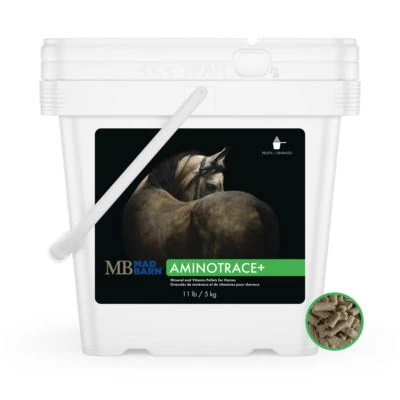
Forage-only diets are still typically deficient in several essential vitamins, minerals, and amino acids relative to established nutrient requirements. [53] A concentrated, low-calorie vitamin and mineral supplement, such as AminoTrace+, helps fill these gaps without adding unnecessary sugar or starch to the diet.
Ponies should also have constant access to clean, fresh water and plain loose salt. Salt helps maintain normal hydration and electrolyte balance, especially for ponies in work, during hot weather, or when consuming dry hay.
Forage
Forage should form the foundation of every pony’s diet, but unrestricted access to lush pasture or high-calorie hay is not appropriate for many individuals. Most ponies do best on mature grass hay that is moderate to low in sugar and starch, particularly if they are overweight or have a history of laminitis or insulin dysregulation. [52][53]
A typical forage intake target for mature ponies is 1.5 – 2% of body weight per day on a dry matter basis, adjusted for body condition and metabolic status. For example, a 440 lb (200 kg) pony may require roughly 6.5 – 9 lb (3 – 4 kg) of dry matter daily, depending on whether weight loss, maintenance, or increased workload is the goal. [53]
Ponies that gain weight easily may need controlled grazing, slow feeders, grazing muzzles, dry lot turnout, or hay soaking when forage sugar content is high. Straw can sometimes be used to dilute calorie intake in carefully balanced diets, but it should be introduced gradually and monitored for adequate protein, mineral, and overall nutrient supply.
Hard-working sport ponies, underweight ponies, seniors, or individuals with poor dentition may need additional fiber from soaked hay pellets, forage cubes, chopped forage, or beet pulp. These feeds can help maintain gut fill and calorie intake without relying on high-starch grain.
A forage analysis is the best way to assess hay quality, sugar and starch content, protein, minerals, and calorie density. This is especially valuable for ponies with metabolic concerns or a history of laminitis.
Feeding Recommendations
Most ponies do not need commercial grain or high-starch concentrates. These feeds can provide more calories than a pony requires and may cause insulin spikes that challenge metabolically sensitive individuals. [53]
For easy keepers, the goal is usually to provide adequate fiber and micronutrients while limiting excess calories. A ration balancer or vitamin and mineral supplement can be fed in a small amount of low-sugar carrier such as soaked hay pellets, chopped forage, or rinsed beet pulp.
Ponies in regular work, driving, jumping, or youth sport programs may need more calories. When extra energy is required, choose fiber-based feeds first and increase calories gradually while monitoring body condition.
Senior ponies and ponies with dental issues may struggle to chew long-stem hay. In these cases, soaked forage cubes or pellets, chopped forage, and beet pulp can help maintain forage intake and hydration. Follow a senior feeding plan that supports body condition without depending on large starch meals.
Because ponies are at increased risk of hyperlipemia when feed intake drops suddenly, any pony that stops eating, loses weight rapidly, or shows signs of illness should receive prompt veterinary attention. Diet changes should be made gradually to protect digestive health and avoid unnecessary stress. [51]
All ponies should have free-choice water and plain loose salt available at all times. Avoid relying only on salt blocks, as some ponies do not consume enough from blocks to meet daily sodium needs.

Nutritional Supplements
Once a pony’s forage and calorie intake are appropriately balanced, the following supplements can provide additional targeted support depending on individual needs.
- AminoTrace+ is a low-NSC vitamin and mineral supplement formulated for ponies and horses with metabolic concerns. It supplies enhanced levels of key minerals and antioxidants to support insulin sensitivity, hoof quality, and overall metabolic health without added sugar or starch.
- OmegaPrime+ supplies the omega-3 fatty acid DHA along with natural vitamin E, supporting joint health, coat condition, and a healthy inflammatory response.
- MSM is a natural joint supplement that supports normal cartilage and connective tissue function, which can benefit ponies in regular work or driving programs.
Wondering whether your pony’s diet is meeting their needs? Submit your pony’s information for a free diet evaluation from one of Mad Barn’s equine nutritionists.
Frequently Asked Questions
Here are some frequently asked questions about pony breeds:
A pony is generally considered any mature equine that stands 14.2 hands or under at the withers. This height cutoff is the most widely recognized standard in the equestrian world, although some competitions and registries may use slightly different rules. True pony breeds are also defined by breed type, conformation, and metabolism, not height alone.
The difference between a pony and a horse includes height, body type, and metabolism. Ponies are usually shorter than 14.2 hands, but they also tend to have shorter legs, wider barrels, denser bone, thicker coats, and shorter, broader heads than horses. Many pony breeds developed in harsh environments, which helped shape their compact build and efficient use of sparse forage.
The difference between a pony and a miniature horse is mainly breed type and breeding goal. Miniature horses were bred to resemble full-sized horses in miniature form, with more refined and proportional conformation. Pony breeds usually retain a stockier, hardier body type, even though miniature horses are typically much smaller than the standard pony height cutoff.
Some of the most common pony breeds include the Shetland, Welsh, Connemara, Highland, New Forest, Dartmoor, Exmoor, Fell, Dales, Gotland, German Riding Pony, Chincoteague Pony, and Pony of the Americas. These breeds vary widely in size, temperament, movement, and original purpose. Some developed as hardy native working animals, while others were bred for sport, youth riding, or show competition.
Ponies are not just small horses because they have distinct physical and metabolic traits. Most ponies have compact bodies, strong legs, dense bone, thick manes and tails, and efficient metabolisms that help them maintain weight on limited forage. These traits developed over generations in environments where survival depended on hardiness and careful use of available feed.
Ponies are often easy keepers because many breeds evolved to survive on sparse grazing in harsh climates. Their efficient metabolism allows them to maintain or gain weight on fewer calories than many horses require. In modern domestic settings, this thriftiness can increase the risk of obesity, insulin dysregulation, equine metabolic syndrome, and laminitis if feed and pasture intake are not carefully managed.
Ponies are more prone to laminitis than many horse breeds because they have a higher risk of insulin dysregulation. Persistent or markedly elevated insulin levels can damage the sensitive tissues that connect the hoof wall to the pedal bone. Lush spring and summer pasture is a common trigger for pasture-associated laminitis, making grazing management especially important for ponies.
Laminitis risk in ponies can be reduced by managing body condition, pasture access, and sugar and starch intake. Low-sugar, low-starch hay, slow feeders, and grazing muzzles can help limit calorie intake while still allowing regular forage consumption. Routine body condition scoring, regular farrier care, and veterinary guidance are important for ponies with metabolic risk factors or previous laminitis.
Most ponies should be fed a forage-based diet built around appropriate hay, calorie control, and balanced nutrients. Low-sugar, low-starch hay is often preferred for easy-keeper ponies because it helps reduce insulin spikes linked to laminitis risk. Many ponies do not need grain concentrates, but they may still need a low-calorie vitamin and mineral supplement to fill common nutrient gaps in forage-only diets.
Most ponies do not need grain, especially if they are easy keepers or have metabolic concerns. High-starch grain concentrates can worsen insulin dysregulation and increase laminitis risk in susceptible ponies. If a pony needs more calories because of workload or low body condition, safer options may include fat-based supplements or highly digestible fiber sources under professional guidance.
Supplements for ponies are most useful when they fill specific gaps after forage and calorie intake are properly managed. A concentrated, low-calorie vitamin and mineral supplement such as AminoTrace+ can help balance a forage-based diet without adding unnecessary sugar or starch. Other targeted supplements, such as W-3 Oil for omega-3 fatty acid support or methylsulfonylmethane for joint support, may be appropriate depending on the pony's workload and individual needs.
Ponies can be good for children because their smaller size is often less intimidating and more manageable for young riders. Many well-trained ponies are used in beginner riding, Pony Club programs, therapeutic riding, and youth competition. Temperament still varies by breed and individual, so proper training, supervision, and safe handling are essential.
Ponies are used for riding, driving, youth competition, therapeutic programs, conservation grazing, and breeding programs. Historically, many pony breeds worked in agriculture, transport, mining, and pack work because they were strong for their size and practical in rugged or confined spaces. Today, native ponies are often valued for versatility and hardiness, while sport pony types are bred for disciplines such as dressage, hunters, and jumping.
Ponies need the same routine veterinary and farrier care as horses, including preventive exams, vaccinations, dental checks, hoof care, and parasite control. Medication and dewormer doses should be based on accurate body weight, not on a standard horse dose. Because ponies are prone to metabolic issues, owners should also monitor weight, hoof health, appetite, and signs of illness closely.
A pony should see a veterinarian promptly if they stop eating, show signs of illness, become lame, or develop symptoms that could indicate laminitis. Ponies are at higher risk for metabolic problems and can also be vulnerable to serious fat metabolism disorders when illness, stress, or reduced feed intake occurs. Sudden, severe, persistent, or worsening signs should always be treated as medically significant.
Summary
Pony breeds are hardy, efficient small equines shaped by generations of adaptation to harsh environments. Their compact build, thrifty metabolism, and increased risk of metabolic disease make careful feeding, weight control, and pasture management especially important.
- Most pony breeds stand 14.2 hands or under, but breed type and conformation also matter
- Native pony breeds often have compact bodies, dense bone, thick coats, and efficient metabolisms
- Ponies are predisposed to obesity, insulin dysregulation, laminitis, and hyperlipemia
- Routine care should include veterinary exams, dental care, hoof care, body condition scoring, and exercise
- Most ponies do best on controlled forage, balanced minerals, low starch and sugar, water, and loose salt
References
- Winton. C. L. et al. Genetic diversity within and between British and Irish breeds: The maternal and paternal history of native ponies. Ecology and Evolution. 2020.
- Bamford. N. J. et al. Breed differences in insulin sensitivity and insulinemic responses to oral glucose in horses and ponies of moderate body condition score. Domestic Animal Endocrinology. 2014.
- The Stud Book. Shetland Pony Stud-Book Society.
- Metzger. J. et al. Whole-genome sequencing reveals a potential causal mutation for dwarfism in the Miniature Shetland pony. Mammalian Genome. 2017.
- Morgan. R. et al. Equine metabolic syndrome. Veterinary Record. 2015.
- Highland Pony Breed Description. Highland Pony Society.
- The Eriskay Pony. Eriskay Pony Society.
- Welsh Cob. Welsh Pony and Cob Society.
- History. Welsh Pony and Cob Society.
- Jacob. S. I. et al. Metabolic perturbations in Welsh Ponies with insulin dysregulation, obesity, and laminitis. Journal of Veterinary Internal Medicine. 2018.
- Breed Standard. Canadian Connemara Pony Society.
- Finno. C. J. et al. SERPINB11 frameshift variant associated with novel hoof specific phenotype in Connemara ponies. PLoS Genetics. 2015.
- Al-Ansari. A. S. et al. Obesity and obesity-associated metabolic disease conditions in Connemara ponies in Ireland. Equine Veterinary Journal. 2024.
- Kerry Bog Pony Studbook. Horse Sport Ireland.
- Society Rules 2009. New Forest Pony Breeding and Cattle Society. 2009.
- Wijnberg. I. D. et al. A missense mutation in the skeletal muscle chloride channel 1 (CLCN1) as candidate causal mutation for congenital myotonia in a New Forest pony. Neuromuscular Disorders. 2012.
- About the Breed. Dartmoor Pony Society.
- Sigurðardóttir. H. et al. Genetic diversity and signatures of selection in Icelandic horses and Exmoor ponies. BMC Genomics. 2024.
- Exmoor Ponies. Exmoor National Park Authority. 2026.
- Fell Pony Society. About Fell Ponies. Fell Pony Society. 2022.
- Fox-Clipsham. L. Y. et al. Population screening of endangered horse breeds for the foal immunodeficiency syndrome mutation. Veterinary Record. 2011.
- History of the Dales Pony. Dales Pony Society.
- Members' Handbook. Dales Pony Society. 2025.
- Lojsta haid. Länsstyrelsen Gotland.
- Gotlandsrusset. Dansk Gotlandsruss Avlsforening.
- Costello. M. The Society. Australian Pony Stud Book Society.
- The History of the Hackney Horse & Pony. Hackney Horse Society.
- Breed Standard. Hackney Horse Society.
- About Us. Hackney Horse Society.
- Deutsches Reitpony. Deutsche Reiterliche Vereinigung.
- German Riding Pony History. German Riding Pony Australia.
- Le Poney Français de Selle. ANPFS. 2026.
- Dhollande. M. and Arnaud. C. Breeds recognised and managed in France. Institut français du cheval et de l'équitation. 2026.
- POA History. Pony of the Americas Club.
- Pony of the Americas Club, Inc.. Pony of the Americas Club.
- Sandmeyer. L. S. et al. Clinical and electroretinographic characteristics of congenital stationary night blindness in the Appaloosa and the association with the leopard complex. Veterinary Ophthalmology. 2007.
- Sandmeyer. L.S . et al. Risk factors for equine recurrent uveitis in a population of Appaloosa horses in western Canada. Veterinary Ophthalmology. 2020.
- Breed Standards. International Chincoteague Pony Association & Registry.
- 2026 Annual Horse Population Update for Assateague Island National Seashore. U.S. National Park Service. 2026.
- Mammals. U.S. National Park Service. 2021.
- About the Newfoundland Pony. Newfoundland Pony Society.
- About the Newfoundland Pony Society. Newfoundland Pony Society.
- About the Breed. Ojibwe Horse Society.
- Prystupa. J. M. et al. Genetic diversity and admixture among Canadian, Mountain and Moorland and Nordic pony populations. Animal. 2012.
- Clark. B. L. et al. Epidemiological investigation of insulin dysregulation in Shetland and Welsh ponies in Australia. Equine Veterinary Journal. 2024.
- Durham. A. E. et al. ECEIM consensus statement on equine metabolic syndrome. Journal of Veterinary Internal Medicine. 2019.
- Giles. S. L. et al. Obesity prevalence and associated risk factors in outdoor living domestic horses and ponies. PeerJ. 2014.
- Ireland. J.L. et al. Preventive health care and owner-reported disease prevalence of horses and ponies in Great Britain. Research in Veterinary Science. 2013.
- Andersson. L.S. et al. The same ELA class II risk factors confer equine insect bite hypersensitivity in two distinct populations. Immunogenetics. 2012.
- Fox-Clipsham. L. Y. et al. Identification of a Mutation Associated with Fatal Foal Immunodeficiency Syndrome in the Fell and Dales Pony. PLoS Genetics. 2011.
- McKenzie. H. C. III. Equine Hyperlipidemias. Veterinary Clinics of North America: Equine Practice. 2011.
- Richards. N. et al. Nutritional and Non-nutritional Aspects of Forage. Veterinary Clinics of North America: Equine Practice. 2021.
- Nutrient Requirements of Horses: Sixth Revised Edition. The National Academies Press. 2007.
- AsemaaIkwe. What's in a Name? How the Lac La Croix Indian Pony Got its Name. Ojibwe Horse Society.