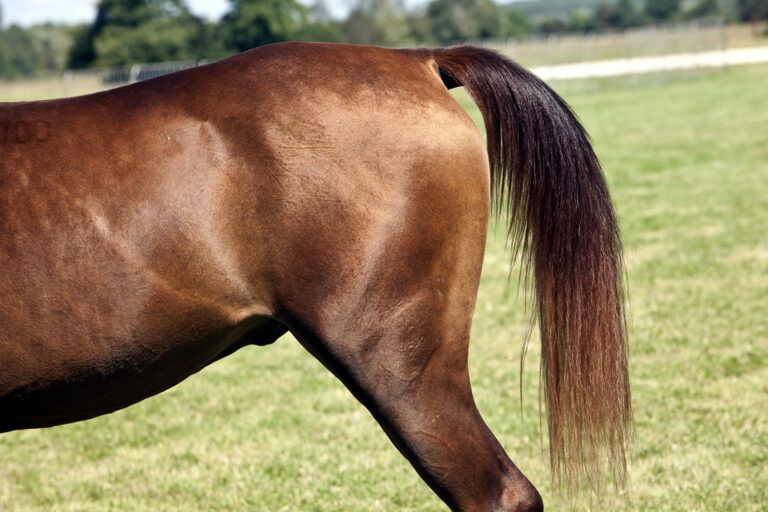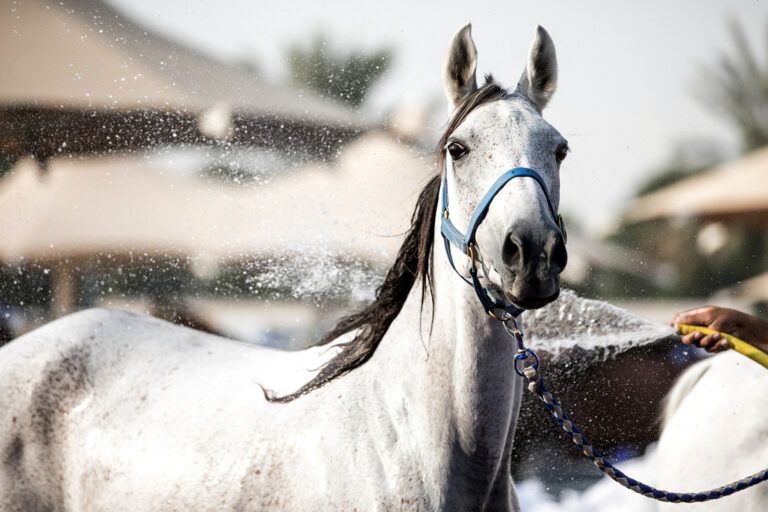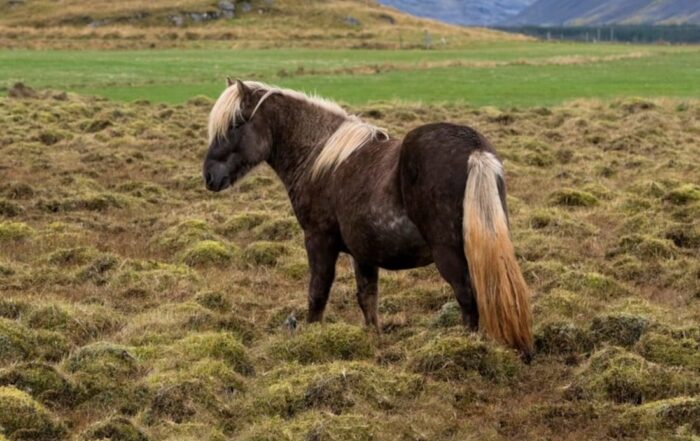

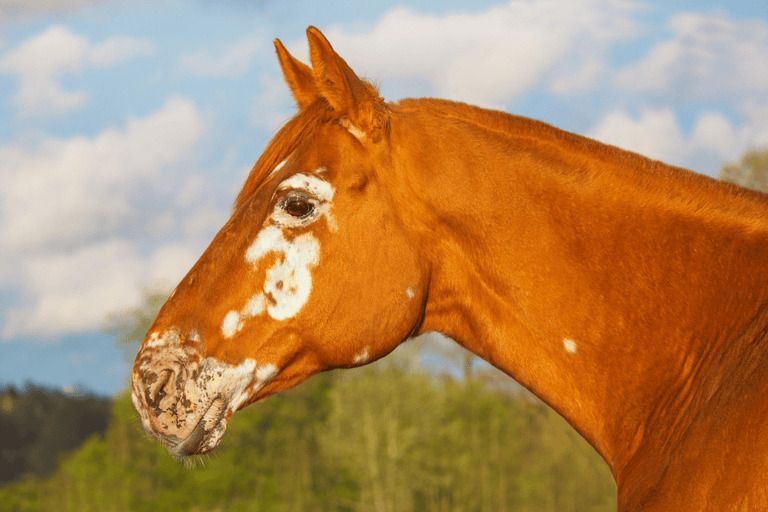
Vitiligo in horses is a disorder that causes patches of skin and hair to lose their normal colour or pigmentation. This condition is not contagious, painful, or life-threatening, but it can be disconcerting to see your horse's skin or hair...
Conditions
Explore Mad Barn’s comprehensive list of common equine health conditions, detailing each condition’s causes, symptoms, treatment options, prevention methods, and prognosis.
A
- Abnormal Gestation
- Abortion (Stillbirth)
- Acquired Heart Murmurs
- African Horse Sickness
- Anaplasmosis in Horses (Equine Granulocytic Ehrlichiosis)
- Anemia
- Anhidrosis (Absent Sweating)
- Anthrax Poisoning
- Arrhythmias (Irregular Heart Beats)
- Arthritis
- Ascarids Parasites
- Atrial Fibrillation
- Aural (Ear) Plaques
- Autoimmune disease - Primary Immunodeficiency Disorders
B
- Back Pain
- Bartonella Infection
- Big Head Disease (Nutritional Secondary Hyperparathyroidism)
- Black Walnut Tree Poisoning
- Bleeding Disorders
- Blister Beetle Poisoning (Cantharidin Toxicity)
- Bog Spavin (Tarsocrural Joint Effusion)
- Bone Bruises
- Bone Spavin
- Botflies Parasites
- Botulism
- Bowed Tendons
- Box Elder & Sycamore Poisoning
- Brain Anatomy & Disease
- Bucked Shins (Dorsal Metacarpal Disease)
- Buttercup Poisoning
C
- Canker
- Capped Hock (Calcaneal Bursitis)
- Cataracts
- Caudal Heel Pain
- Cellulitis
- Cerebellar Abiotrophy
- Choke
- Chronic Progressive Lymphedema
- Coffin Bone Lameness
- Colic in Foals
- Colic Treatment, Management & Prevention Guide
- Colitis
- Congenital Heart Murmurs
- Congenital Hypothyroidism & Dysmaturity Syndrome
- Conjunctivitis (Pink Eye)
- Contagious Colitis
- Contagious Equine Metritis
- Corneal Ulcers
- Cranial Nerve Conditions
D
- Degenerative Joint Disease (DJD)
- Degenerative Suspensory Ligament Desmitis (DSLD)
- Dehydration
- Dental Disease
- Developmental Orthopedic Diseases
- Dew Poisoning (Alsike Clover Poisoning)
- Dislocated Eye Lens
- Displacement Colics
- Dorsal Displacement of the Soft Palate in Horses (DDSP)
- Dummy Foal Syndrome (Neonatal Maladjustment)
- Dysmastication (Abnormal Chewing)
- Dystocia (Difficulty Foaling)
E
- Ear Mites & Psoroptic Mange
- Eastern Equine Encephalitis (EEE)
- Endometritis
- Enlarged Ovaries
- Enteritis & Inflammatory Bowel Disease
- Enteroliths
- Epilepsy
- Equine Chronic Obstructive Pulmonary Disease (COPD)
- Equine Coronavirus (ECoV)
- Equine Degenerative Myeloencephalopathy (EDM)
- Equine Gastric Ulcer Syndrome (EGUS)
- Equine Grass Sickness
- Equine Herpesvirus
- Equine Herpesvirus-1 Myeloencephalopathy (EHM)
- Equine Infectious Anemia (EIA)
- Equine Metabolic Syndrome (EMS)
- Equine Motor Neuron Disease
- Equine Odontoclastic Tooth Resorption & Hypercementosis (EOTRH)
- Equine Proliferative Enteropathy (Lawsonia)
- Equine Protozoal Myeloencephalitis (EPM)
- Equine Viral Arteritis (EVA)
- Equine Wobbler Syndrome (Cervical Vertebral Stenotic Myelopathy)
- Exercise-Induced Pulmonary Hemorrhage (EIPH)
- Eye Conditions
F
G
H
- Hay Belly
- Hay Belly & Other Causes of Bloating
- Heart Disease
- Heat Stress
- Heaves
- Hendra Virus (Equine Morbillivirus)
- Hepatitis
- Hereditary Equine Regional Dermal Asthenia (HERDA)
- Hindgut Acidosis
- Hindgut Ulcers
- Hives (Urticaria)
- Hoof & Sole Bruises
- Hoof Abscess
- Hoof Anatomy & Conditions
- Hoof Cracks
- Hoof Degloving
- Hunter’s Bump
- Hyperkalemic Periodic Paralysis (HYPP)
- Hyperlipidemia & Hyperlipemia
- Hypothyroidism
I
- Immune Mediated Myositis (IMM)
- Impaction Colic
- Inappropriate Lactation
- Infectious Diarrhea in Foals
- Inflammatory Airway Disease
- Influenza Virus (Flu)
- Inguinal (Scrotal) Hernias
- Injuries: Endurance
- Injuries: English Performance
- Injuries: Racehorses
- Injuries: Western Performance
- Insect Stings & Spider Bites
- Internal Entrapments (Reasons for Colic Surgery)
- Internal Parasites
- Intussusception
- Ionophore Toxicosis
- Iron Overload
J
K
L
M
- Mange
- Mare Reproductive Loss Syndrome
- Mastitis
- Melanomas
- Meningitis
- Mesenteric & Omental Rents
- Migrating Grass Awns (Foxtails)
- Moldy Hay (Mycotoxin) Poisoning
- Monensin Poisoning
- Moon Blindness (Equine Recurrent Uveitis)
- Mosquito-Borne Equine Diseases
- Most Common Equine Allergies
- Mud Fever (Equine Pastern Dermatitis)
- Myofibrillar Myopathy (MFM)
- Myosin Heavy Chain Myopathy (MYHM)
N
O
P
- Parrot Mouth (Rostral Malocclusion)
- Pasture-Associated Laminitis
- Pedal Osteitis
- Physitis
- Pigeon Fever
- Pinworms Parasites (Oxyuris Equi)
- Piroplasmosis (Babesiosis)
- Pituitary Pars Intermedia Dysfunction (PPID, formerly Equine Cushing's)
- Placentitis
- Pneumonia
- Podotrochlear Syndrome
- Polysaccharide Storage Myopathy Type 1 (PSSM1)
- Potomac Horse Fever
- Progressive Ethmoidal Hematomas
- Protein Bumps (Eosinophilic Granulomas)
- Proud Flesh (Granulation Tissue)
- Proximal or Anterior Enteritis
- Purpura Hemorrhagica
Q
R
- Rabies
- Ragwort Poisoning (Pyrrolizidine Alkaloid Toxicity)
- Rain Scald
- Rattles in Foals
- Reproductive Emergencies in Mares
- Respiratory Diseases
- Retained Fetal Membranes (Placenta)
- Rhino in Horses
- Right Dorsal Colitis
- Ringbone
- Ringworm (Girth Itch)
- Roach Back (Kyphosis)
- Roaring (Laryngeal Hemiplegia)
- Rodenticide (Rat Bait) Poisoning
- Rotavirus
- Ryegrass Staggers
S
- Sacroiliac Dysfunction
- Salmonella Infection
- Sand Colic
- Sarcoids
- Scours (Foal Heat Diarrhea)
- Scratches (Pastern Dermatitis)
- Seasonal Respiratory Allergies
- Selenium Poisoning (Alkali Disease)
- Sepsis & Toxic Shock
- Septic Laminitis
- Sesamoid Injuries
- Sesamoiditis
- Shelly Feet
- Shipping Fever
- Shivers
- Shoe Boils (Olecranon Bursitis or Capped Elbow)
- Sidebone
- Sidewinder Syndrome (Crab Walking)
- Sinusitis
- Skin Allergies
- Skin Diseases Guide
- Skin Irritations
- Slobbers (Slaframine Poisoning)
- Small Intestine Volvulus
- Smoke Inhalation Injury
- Sorghum & Sudan Grass (Cyanide) Poisoning
- Splints in Horses
- Squamous Cell Carcinoma (SCC)
- Staphylococcus & MRSA
- Stocking Up (Stagnation Edema)
- Stovepipe Leg (Lymphangitis)
- Strangles
- Strangulating Lipomas
- Stringhalt
- Strongyles Parasites
- Summer Sores (Habronema)
- Supporting Limb Laminitis
- Swayback (Equine Lordosis)
- Sweet Itch (Insect Bite Hypersensitivity)
- Swollen Sheath
- Synovial Joint Infections
T
- Tapeworms Parasites
- Tendon Injuries
- Tetanus
- Theiler's Disease (Equine Serum Hepatitis)
- Threadworms <em>(Strongyloides Westeri)</em>
- Thrush
- Thumps (Synchronous Diaphragmatic Flutter)
- Tick-Borne Disease [Guide]
- Top 30 Most Common Equine Diseases
- Top 6 Gastrointestinal Conditions in Horses
- Trigeminal Mediated Headshaking Syndrome
- Twisted Gut (Intestinal Torsion)
- Tying-up (Exertional Rhabdomyolysis)
- Tyzzer's Disease
U
V
W
Z
Mare reproductive loss syndrome (MRLS) is an enigmatic condition first described in Kentucky in 2001, when an estimated 3,500 foals were either aborted, stillborn, or died shortly after birth. Research revealed that abortions and foal death was closely associated with...
Fescue toxicosis in horses results from ingestion of fescue grass contaminated with the fungus Neotyphodium coenophialum. The fungus produces ergot alkaloid toxins which cause changes in hormone concentrations and blood flow in pregnant mares grazing contaminated pastures or hay. Nearly...
Endometritis is a condition involving inflammation of the uterine lining, and is a very common cause of infertility in broodmares. Mares with endometritis develop fibrosis and inflammation that prevent embryonic development, resulting in failure to conceive or early embryonic loss....
Placentitis is a common cause of foal loss and neonatal sepsis in horses. Mares with multiple previous foals, older mares, and mares with poor perineal conformation are most at risk of developing placentitis. Most cases of placentitis arise from bacteria...
Epistaxis is a common condition in horses that refers to bleeding from the nostrils. Nosebleeds can range in severity and may result from trauma, underlying health conditions or exercise. The majority of nosebleeds in horses are caused by minor trauma...
Equine piroplasmosis (EP), or babesiosis, is an infectious tick-borne disease that affects all equid species, including horses*, mules, donkeys and zebras. It is caused by protozoan parasites that are transferred to the horse via tick bite. The protozoan parasites, Theileria...
Proud flesh, also known as granulation tissue, is a type of healing tissue in horses that forms naturally as part of the wound repair process. This tissue aids in wound healing by closing the gap between exposed soft tissue and...
Type 1 Polysaccharide Storage Myopathy (PSSM1) is a hereditary muscular disorder in horses that results in abnormal accumulation of glycogen (a stored form of sugar) and an abnormal polysaccharide in the muscles. Horses with this condition produce too much glycogen...
Ringbone is a degenerative condition that affects the bones and joints in the horse’s lower limbs. It is characterized by the inflammation of surrounding connective tissue, triggering the formation of bony growths around the affected joints. [ref n="2"][ref n="5"] These...
Strongyles are considered the most significant internal parasite that affects horses. It is estimated that these parasites affect between 80 – 99% of equids worldwide. There are two main types of strongyles: large strongyles and small strongyles. Both types can...
Congenital hypothyroidism and dysmaturity (CHD) syndrome is a common manifestation of hypothyroidism in foals, resulting in dysmature foals that are born weak with contracted tendons, poor ossification of the cuboidal bones, and poor muscular development. The basic cause of CHD...
Bone bruising is a common condition often seen in young racehorses, such as Thoroughbreds or Standardbreds. It typically arises from repetitive stress, trauma, or microfractures affecting the subchondral bone, which is the layer of bone located beneath the joint’s cartilage....
A hoof or sole bruise is a common injury in horses, occurring when there is trauma to the sensitive tissues within the hoof. This trauma leads to localized bleeding and subsequent bruising. Hoof bruises can cause mild to severe discomfort...
Supraspinous bursitis, more often known as fistulous withers, is not a common problem in horses — at least in North America. However, it is a serious condition that more often affects horses and donkeys in developing nations. Fistulous withers involves...
Equine abortion and stillbirth refer to delivery of a non-viable fetus or foal. Most causes of abortion and stillbirth do not affect the mare’s future fertility; however, the loss of the foal can cause significant economic losses for the breeder....
Adequan® i.m. is a widely used injectable medication for the treatment of arthritis and other joint disorders in horses. It is the only FDA-approved polysulfated glycosaminoglycan (PSGAG) for equines. Arthritis is a degenerative joint disease that can reduce athletic performance,...
Pergolide mesylate (Prascend®) is a medication used to treat horses with pituitary pars intermedia dysfunction (PPID), previously referred to as Equine Cushing’s disease. This common endocrine disorder, typically observed in older horses, can cause tendon and ligament breakdown, abdominal wall...
Your horse's conformation impacts their overall performance, soundness, and ability to excel in various disciplines. When it comes to evaluating forelimb conformation, judges will look at the withers, shoulders, elbows, leg, knee and pastern. The horse's forelimbs should exhibit symmetry...
Wood chewing is one of several types of stereotypic behaviors or habits that horses can develop. Stereotypic behaviors, often referred to as stereotypies, are repetitive behavior patterns with no apparent function. They may develop out of boredom or they may...
Bleeding disorders can significantly affect your horse’s performance and overall health. These conditions can be present from birth or develop later in life and are characterized by abnormal bleeding or hemorrhage. Some bleeding disorders, such as exercise-induced pulmonary hemorrhage (EIPH),...
Cellulitis refers to bacterial infection and inflammation that affects tissues under the skin anywhere in the body. In horses, this severe condition typically occurs in the hindlimbs. It is characterized by a sudden onset with significant swelling and intense pain.
A heart arrhythmia, or irregular heartbeat, is a performance-limiting condition commonly seen in athletic horses. While some arrhythmias are benign, others may indicate cardiac disease or another underlying health condition. The horse is a supreme athlete with a powerful heart...
Equine pinworms, or Oxyuris equi, are common parasites that inhabit the horse's colon. Female pinworms lay their eggs on the perianal skin (around the anus), which can cause intense itching and irritation for the horse. Pinworm infections are most common...
The horse’s tendons are prone to strain injuries, especially when participating in disciplines, such as racing, jumping and eventing. Tendons are fibrous connective tissues that attach muscle to bone and allow the limbs to move. Tendons serve as a mechanical...
Eastern equine encephalitis (EEE), otherwise known as Triple E or sleeping sickness, is a rare and lethal virus in horses that causes inflammation of the brain. EEE is transmitted through mosquito bites and attacks the central nervous system (CNS). It...
Feeding horses with pituitary pars intermedia dysfunction (PPID), previously referred to as Equine Cushing’s disease, can be a challenge. Horses affected by PPID are typically older and may have other health issues including equine metabolic syndrome (EMS). This condition can...
Narcolepsy is a neurological and rapid eye movement (REM) sleep disorder. It involves the sudden onset of sleep during the daytime. The condition occurs chronically and throughout life in affected horses unless treatment is provided. Two types of narcolepsies are...
A hunter’s bump, or sacroiliac subluxation, is a hump on the horse’s lower back that develops above the croup. It is most apparent when viewing a horse in motion from behind.
Heat stress occurs when the horse’s internal cooling mechanisms stop working efficiently and the ability to maintain a normal body temperature is affected. This is common and in hot and humid conditions, or following vigorous exercise. Without intervention, heat stress...