Analyze Diet

Jaundice (Icterus) in Horses: Understanding Causes of Yellow Eyes & Gums

Jaundice in horses is a yellow discoloration of the eyes, gums, or skin that develops when bilirubin builds up in the body. Bilirubin is a pigment produced during the normal breakdown of red blood cells, and it is typically processed by the liver and excreted in bile. Some horses develop mild increases in bilirubin after periods of reduced feed intake, even when liver function is normal. However, jaundice can also signal more serious conditions affecting the liver, red blood cells, or the normal flow of bile. Because the underlying causes vary widely, jaundice should never be ignored. Veterinary assessment is needed to determine why bilirubin is accumulating and whether the horse requires treatment, supportive care, or further diagnostic testing. Keep reading to learn what causes jaundice in horses, which symptoms may occur alongside it, how veterinarians diagnose and treat the underlying condition, and what steps to take if your horse develops signs of jaundice.

Jaundice (Icterus) in Horses: Understanding Causes of Yellow Eyes & Gums2026-08-26T15:28:04-04:00

ThyroVet (Levothyroxine) for Horses: Uses, Side Effects & Status in Competition

Levothyroxine for horses is a synthetic thyroid hormone. While this drug is approved for veterinary management of hypothyroidism, advances in equine medicine have demonstrated this condition is rare in horses. Today, levothyroxine is most commonly discussed in horses for its role in supporting weight loss and insulin regulation as part of a broader plan for managing metabolic disease and obesity. In these cases, the goal is usually not to replace deficient thyroid hormone production, but to support metabolic management alongside dietary control, exercise, and veterinary monitoring.

ThyroVet (Levothyroxine) for Horses: Uses, Side Effects & Status in Competition2026-08-03T15:38:07-04:00

Sweeny Shoulder in Horses: Causes, Signs & Treatment

Sweeney shoulder in horses is a nerve-related shoulder condition that occurs when the suprascapular nerve is damaged, causing nearby muscles to weaken and waste away. This muscle loss can create a hollowed appearance around the shoulder and may affect the horse's movement, comfort, and athletic performance. The condition is most commonly associated with trauma to the shoulder region, such as a kick, fall, collision, or compression injury. In cases of sweeny shoulder, some horses develop mild muscle loss and gradually recover, while others experience more significant atrophy, shoulder instability, and long-term changes in limb function.

Sweeny Shoulder in Horses: Causes, Signs & Treatment2026-08-03T15:33:37-04:00

Finding Your Perfect Horse: Key Considerations for First-Time Horse Buyers

Choosing a horse is one of the most significant decisions a rider or owner can make. Whether you are looking for a competitive partner, leisure mount, breeding prospect, or companion, the right match can support a safe, fulfilling, and rewarding relationship. A poor match, by contrast, can lead to frustration, safety concerns, unmet goals, and long-term challenges for both horse and owner. Finding the right horse involves more than liking a horse's appearance or responding to a promising sales ad. It requires an honest evaluation of your goals, experience, budget, and lifestyle, along with a careful assessment of the horse's temperament, physical traits, training history, health status, and care needs. Keep reading to learn the most important factors to consider when searching for your ideal equine partner, from breed tendencies and personality traits to discipline suitability, pre-purchase evaluations, and practical alternatives to buying.

Finding Your Perfect Horse: Key Considerations for First-Time Horse Buyers2026-08-03T15:31:42-04:00

Adaev Horse Breed Guide: Characteristics, Health & Nutrition

The Adaev horse is a rare native horse from western Kazakhstan. Also called the Adai horse, this breed developed in a dry, demanding landscape where horses had to travel long distances, endure seasonal extremes, and survive on sparse forage. Adaev horses are utilitarian horses valued for endurance, toughness, and efficient movement. Although the breed is little known outside Central Asia, it is still commonly used in its home country for riding, herding, local traditions, and milk production. Keep reading to explore the history, characteristics, health concerns, and nutrition needs of Adaev horses.

Adaev Horse Breed Guide: Characteristics, Health & Nutrition2026-08-03T15:23:49-04:00

How to Find a Lost Horse: Search Steps & Recovery Tips

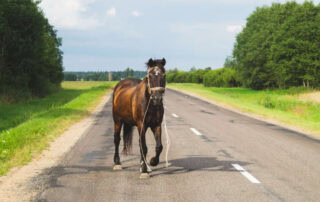
Finding a missing horse is an urgent and stressful situation for any owner or caretaker, but a calm, organized response can improve the chances of a safe recovery. Horses most often go missing after escaping from a pasture, paddock, stable, or transport vehicle. Some remain close to familiar surroundings, while others may run farther if frightened by storms, loud noises, natural disasters, or other sudden events.

How to Find a Lost Horse: Search Steps & Recovery Tips2026-08-03T15:18:44-04:00

Intravenous Xylocaine® (Lidocaine) for Horses: Uses, Side Effects & Status in Competition

Lidocaine is best known as a local anesthetic used to numb tissues during medical procedures, but this versatile drug has applications beyond local pain control. In equine medicine, lidocaine is administered intravenously as a systemic therapy to manage pain, reduce inflammation, and support gastrointestinal function in critically ill horses. Systemic lidocaine is often administered as a continuous-rate infusion (CRI), allowing veterinarians to maintain therapeutic drug concentrations over an extended period. This allows for pain control for the duration of a procedure or treatment.

Intravenous Xylocaine® (Lidocaine) for Horses: Uses, Side Effects & Status in Competition2026-08-03T15:15:49-04:00

Adopting a Rescue Horse: Considerations, Costs & Adoption Steps

Adopting a rescue horse can be one of the most rewarding decisions a horse owner makes. Whether you are hoping to help a horse in need or find a new partner. adoption offers the opportunity to make a lasting difference. Rescue horses come from a wide range of backgrounds. Some have experienced neglect or abuse, while others enter rescue because of owner hardship, natural disasters, overbreeding, retirement from a previous career, or changes in circumstance. Their needs, training levels, health status, and temperaments can vary widely, but many go on to become trusted companions, successful athletes, or cherished family horses.

Adopting a Rescue Horse: Considerations, Costs & Adoption Steps2026-08-03T15:13:10-04:00

Keeping Your Horse at Home: Costs, Daily Care & Property Requirements

Keeping horses at home is a goal for many equestrians, offering more control over daily care, routines, and the environment their horses live in. Compared to boarding, at-home horsekeeping allows owners to tailor feeding, turnout, exercise, and management decisions while spending more hands-on time with their horses. However, bringing horses home also means taking on responsibilities that are often handled by barn staff or facility managers. Fencing, shelter, feed storage, manure management, emergency planning, veterinary care, farrier scheduling, and daily chores all require time, money, knowledge, and reliable backup support. Whether you are setting up a backyard stable or managing a small private facility, understanding the practical demands of at-home horse care can help you make informed decisions and create a safe, sustainable routine. Keep reading to learn what it takes to care for horses at home, how it compares to boarding, and whether the DIY lifestyle is the right fit for you and your horse.

Keeping Your Horse at Home: Costs, Daily Care & Property Requirements2026-08-03T15:08:44-04:00

Is My Horse Tail Swishing Too Much? Possible Causes & Behavior Guide

Excessive tail swishing in horses can be more than a normal behavioral response. While horses commonly swish their tails to repel insects or communicate irritation, persistent, forceful, or unusual tail movement can be a sign of discomfort, stress, pain, or an underlying health problem. Owners should always interpret tail swishing in context. Normal tail movement is expected in many situations, especially during warm weather or around biting insects. However, repeated swishing during riding, grooming, handling, or rest may provide an important clue that something is wrong. Possible causes range from insect irritation and skin conditions to poorly fitting tack, musculoskeletal pain, gastrointestinal discomfort, and reproductive disorders. Because tail swishing is a symptom rather than a diagnosis, identifying when it occurs and whether other signs are present is essential for determining the next steps.

Is My Horse Tail Swishing Too Much? Possible Causes & Behavior Guide2026-08-26T15:27:22-04:00

Do Horses Cry? Understanding Horse Tears & Eye Health

Horses do not cry tears in the same way humans do. As highly social animals, horses can form strong bonds and attachments, and they do respond to changes in their social or physical environment. However, these responses are expressed through behaviour, body language, facial expressions, vocalizations, and changes in activity or appetite rather than through emotional tears. Because horses can produce visible tears and show signs of emotion, many owners may wonder whether their horse's tears reflect sadness, pain, stress, or another emotional experience. In most cases, watery eyes in horses are related to normal eye function or an underlying eye health concern rather than emotion. Understanding why horses produce tears and how they express emotional states can help owners recognize when tearing may be a harmless physiological response and when it warrants veterinary attention.

Do Horses Cry? Understanding Horse Tears & Eye Health2026-08-03T14:59:05-04:00

Why Do Horses Rear? Causes, Prevention & Safe Handling Tips

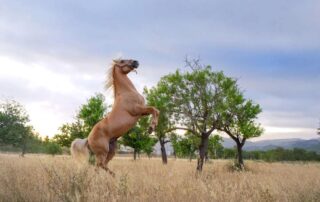
Rearing is one of the most dangerous behaviors horses can display during handling or riding. When a horse lifts its front legs off the ground, the rider may lose balance and fall, and the horse may also lose balance and fall backward, putting both horse and rider at risk of serious injury. Although rearing is often viewed as a behavioral or training problem, it can also be a sign of underlying issues in your horse. Horses may rear in response to pain, fear, frustration, confusion, or conflict with the rider or handler. In many cases, rearing occurs when a horse feels unable to move forward or escape a situation they find uncomfortable. Because rearing can have serious safety consequences, it's important to identify and address the underlying cause rather than simply trying to suppress the behavior. Keep reading to learn why horses rear, how to recognize common triggers, and what steps you can take to manage and prevent rearing safely.

Why Do Horses Rear? Causes, Prevention & Safe Handling Tips2026-08-03T14:55:12-04:00

Dead-Sided Horse: Why Horses Ignore Leg Cues & How to Fix It

A dead-sided horse is a horse who has become "dead to the leg," meaning they are slow or unresponsive to the rider's leg cues. While a well-trained horse should respond promptly to light pressure by moving forward, bending, or traveling laterally, some horses become dull or disengaged from these cues over time due to their training and riding experiences. Riding a horse who is dead-sided can be frustrating and physically draining. When your once-responsive mount becomes slow to react, it can leave you feeling confused, tired, and disconnected from your horse. This behavior is often labeled as laziness or disobedience, but it typically stems from unclear communication between horse and rider. Understanding why horses become dead to the leg can help riders rebuild responsiveness, use lighter cues, and support a clearer training partnership.

Dead-Sided Horse: Why Horses Ignore Leg Cues & How to Fix It2026-08-03T14:54:00-04:00

Stallion vs Gelding: Differences in Male Horse Behavior, Temperament & Care

Stallions and geldings differ in more than reproductive status. Their differences can affect temperament, daily care, training, housing, and long-term management. Although both are male horses, stallions are intact and influenced by reproductive hormones, while geldings have been castrated and typically show fewer hormone-driven behaviors. Stallions may be more reactive, assertive, territorial, or distracted by other horses, particularly mares. These tendencies can influence housing, turnout, handling, and training routines. Geldings are often more predictable and easier to manage in group settings, but these are general patterns rather than rules. Behavior is also shaped by genetics, early handling, training, environment, and individual personality. Understanding these differences helps owners, handlers, and facility managers make safer, more welfare-focused decisions for each horse. Keep reading to learn how stallions and geldings commonly differ in temperament, care needs, training approaches, and long-term management considerations.

Stallion vs Gelding: Differences in Male Horse Behavior, Temperament & Care2026-08-03T14:51:03-04:00

What is the Best Vitamin E Supplement for Horses?

Choosing the best vitamin E supplement for your horse is not as simple as picking the product with the highest IU per scoop. The right choice depends on what your horse is actually missing from the diet, including vitamin E intake from pasture, hay, fortified feeds, ration balancers, and other supplements. Vitamin E is especially important for horses on hay-based diets, horses with limited turnout, performance horses, senior horses, and those with higher antioxidant demands. Fresh grass is the richest natural source, but vitamin E declines after forage is cut, dried, and stored as hay. That means many horses need supplemental support when pasture access is limited. For most horses that need targeted vitamin E alone, Mad Barn's Natural Vitamin E is the best overall choice. It provides highly bioavailable natural d-alpha-tocopherol in a concentrated powder with no fillers, no added sugar, and an easy-to-feed serving size that delivers 1,000 IU of vitamin E.

What is the Best Vitamin E Supplement for Horses?2026-08-25T17:28:52-04:00

How to Become a Horse Trainer: Qualifications & Career Planning

Becoming a horse trainer is a hands-on career path for people who want to develop horses for sport, recreation, sales, or specialized work. Professional trainers help horses build the physical skills, confidence, and behaviors needed for their intended job, while often teaching riders how to communicate more effectively with their horses. Although many aspiring trainers begin with riding talent and a deep love of horses, long-term success depends on much more than time in the saddle. Trainers need strong horsemanship, an understanding of equine behavior and learning, clear communication skills, business awareness, and the judgment to adapt training plans to each individual horse. Career paths can vary widely depending on discipline. Education, mentorship, certification, income potential, and daily responsibiliti

How to Become a Horse Trainer: Qualifications & Career Planning2026-08-03T14:44:25-04:00

Swollen Umbilicus in Foals: Causes, Signs & Treatment

A swollen umbilicus in a foal is a common abnormality that may involve the external navel, deeper umbilical structures within the abdomen, or both. While some cases are relatively minor, others can indicate infection, persistent fetal structures, an umbilical hernia, or another condition requiring prompt veterinary evaluation. Because several umbilical disorders can produce similar outward signs, the cause of swelling is not always clear from appearance alone. Some problems remain localized, while others can progress internally or contribute to more widespread illness before obvious signs develop. Understanding how the umbilical structures normally close after birth, what can cause swelling, and which symptoms warrant concern can help owners recognize when a young foal needs attention. Keep reading to learn how a swollen umbilicus in foals is diagnosed, treated, managed, and monitored to reduce the risk of complications.

Swollen Umbilicus in Foals: Causes, Signs & Treatment2026-08-03T14:40:57-04:00

Hot Hoof in Horses: Causes, Diagnosis & Treatment

A hot hoof in horses is a common symptom that owners may find during routine grooming, hoof cleaning, or after exercise. While warmth can be a normal response to increased blood flow, work, or hot weather, it can also be an early sign of injury, infection, or inflammation within the foot. Because many conditions can cause a hoof to feel hot, temperature alone cannot determine the underlying problem. Hoof heat should be evaluated alongside other signs, such as lameness, pain, swelling, reluctance to bear weight, or a stronger-than-normal digital pulse. Comparing all four feet can also help owners recognize whether the warmth is temporary, localized, or potentially abnormal. A hot hoof may affect one foot or multiple feet, depending on the cause, and the severity of the heat does not always reflect the seriousness of the problem. Read on to learn what causes hoof temperature to increase, when hoof heat may require veterinary attention, how the underlying cause is diagnosed and treated, and what steps can help support healthy hooves.

Hot Hoof in Horses: Causes, Diagnosis & Treatment2026-08-03T14:40:00-04:00

Black Locust Toxicity in Horses: Signs, Risk & Prevention

Black locust (Robinia pseudoacacia), often incorrectly referred to as acacia, is a deciduous tree in the bean family (Fabaceae) that can pose a toxic risk to horses. Native to parts of eastern North America, black locust grows rapidly and spreads aggressively and is now common across North America and may form dense stands in open fields, disturbed sites, and pasture margins. Although valued for its hard wood and fragrant flowers, most parts of the plant are toxic to horses, including the bark, leaves, seeds, and young shoots. The flowers are generally regarded as non-toxic. Poisoning in horses is most commonly associated with ingestion of black locust bark, particularly when animals are confined near trees or begin chewing trunks and branches due to boredom, hunger, or limited forage availability. Clinical signs primarily involve the gastrointestinal and cardiovascular systems and may range from mild digestive upset to severe cardiac compromise, laminitis, and prolonged recovery. Learn how to identify black locust, recognize signs of poisoning, reduce exposure risk, and support effective prevention and veterinary management.

Black Locust Toxicity in Horses: Signs, Risk & Prevention2026-08-26T15:25:18-04:00

Kustanai Horse Breed Guide: Characteristics, Health & Nutrition

The Kustanai horse is a rare light riding breed from Kazakhstan known for its speed, stamina, and hardiness. Developed from native Kazakh steppe horses crossed with imported riding breeds, the Kustanai was bred to travel long distances, perform practical work, and withstand the demanding climate of the Central Asian plains. Although the breed is not widely known outside its home region, the Kustanai reflects a careful balance between refinement and resilience. These horses were shaped by the needs of riders who wanted more size and athletic ability without losing the durability of local steppe stock.

Kustanai Horse Breed Guide: Characteristics, Health & Nutrition2026-08-03T14:37:38-04:00

Avocado Poisoning in Horses: Signs, Risks & Prevention

Avocado toxicity in horses occurs when horses ingest leaves, fruit, stems, bark, or seeds from the avocado tree (Persea americana). Although avocado fruit is commonly consumed by humans, the plant contains compounds that can cause illness in several animal species, including horses. Leaves are generally considered the most toxic part of the plant, but all plant tissues have been associated with toxicosis in horses. Avocado poisoning in horses is considered relatively uncommon, but reported cases have involved gastrointestinal disease, swelling of the head and neck, respiratory compromise, and potentially serious cardiac abnormalities. Clinical severity appears variable and may depend on the amount ingested, the plant part consumed, the avocado variety involved, and the individual horse. Most cases of avocado poisoning in horses occur when horses gain access to avocado trees in landscaped areas, orchards, or cultivated environments. Fallen fruit, pruned branches, and windblown leaves can all create potential sources of exposure. Learn how horses may be exposed to avocado, why the plant can be toxic, signs of poisoning, and strategies for diagnosis, treatment, and prevention.

Avocado Poisoning in Horses: Signs, Risks & Prevention2026-08-03T14:05:11-04:00

Malignant Hyperthermia in Horses: Signs, Risk Factors & Treatment

Malignant hyperthermia (MH) is a rare inherited muscle disorder in horses that affects how muscles regulate calcium. When calcium regulation becomes abnormal, the muscles become overactive and produce excessive heat, carbon dioxide, and acid within the body. The condition is most often triggered during general anesthesia, especially after exposure to certain inhaled anesthetic drugs such as halothane. Other medications and stressful events may also play a role. Once triggered, the reaction can progress very quickly and may affect multiple body systems within a short period of time. Although uncommon, malignant hyperthermia is a veterinary emergency because it can rapidly become life-threatening. Severe cases may lead to muscle damage, breathing and heart problems, collapse, and death if treatment is not started quickly. Horses affected by malignant hyperthermia usually appear healthy until they are exposed to a triggering event. This means the condition may not be recognized until anesthesia is already underway. In some horses, inherited changes involving the ryanodine receptor (RyR1) gene are believed to increase susceptibility. Because signs can develop and worsen rapidly, careful anesthetic planning and awareness of breed-related risk factors are important for reducing the chance of a severe episode.

Malignant Hyperthermia in Horses: Signs, Risk Factors & Treatment2026-08-23T13:37:28-04:00

Sharon Buffitt: Putting Canadian Para Dressage on the Map

Sharon Buffitt's para dressage career has taken her to the highest levels of the sport, including representing Canada at the World Equestrian Games, ranking 12th in the world, and earning a place at multiple Paralympic Games. Today, Sharon is building the next chapter of her career with L'Etoile, a young mare known at the barn as Lilly. In their first full year competing together, the pair ranked second in Canada, became the highest-scoring Grade II combination nationally, and earned top para rider honors in Quebec.

Sharon Buffitt: Putting Canadian Para Dressage on the Map2026-08-03T14:00:00-04:00

Tylenol® (Acetaminophen) for Horses: Uses, Side Effects & Status in Competition

Can you use Tylenol® for horses? Acetaminophen, also known as paracetamol and sold under the brand name Tylenol®, is an analgesic and antipyretic (fever-reducing) medication. Although acetaminophen is widely used in human medicine, its use in horses remains off-label and should only occur under the direction of a licensed veterinarian. Acetaminophen differs from traditional NSAIDs because it appears to act mainly through central nervous system pathways rather than providing peripheral anti-inflammatory effects. Equine research on this medication is still developing, with studies focused on pharmacokinetics, safety, administration routes, and possible applications.

Tylenol® (Acetaminophen) for Horses: Uses, Side Effects & Status in Competition2026-08-03T13:57:50-04:00

Stress Response in Horses: Physiology, Signs & Management

The equine stress response is a normal part of how horses recognize and react to challenges in their environment. Sudden noises, travel, social changes, unfamiliar surroundings, physical demands, pain, illness, and changes in routine can all activate biological systems that help the horse stay alert and respond appropriately. In the short term, stress is an important survival mechanism that can support awareness, movement, and adaptation. However, prolonged or repeated stress may affect behavior, digestion, immune function, performance, and overall well being, especially when horses do not have enough time or support to recover.

Stress Response in Horses: Physiology, Signs & Management2026-08-03T13:56:37-04:00

Managing a Horse with a Tracheostomy: Complete Guide to Care & Safety Tips

A tracheostomy in horses refers to a surgical opening created in the windpipe to help a horse breathe when airflow through the upper airway is severely restricted. It may be performed as an emergency procedure for sudden airway obstruction or used as part of long-term management for certain chronic respiratory conditions. For horse owners, understanding why a tracheostomy is needed can make a difficult situation easier to navigate. The procedure can be lifesaving, but it also changes how air enters the respiratory tract and may require ongoing attention to hygiene, dust exposure, hydration, and daily monitoring.

Managing a Horse with a Tracheostomy: Complete Guide to Care & Safety Tips2026-09-15T14:45:02-04:00

Cannabis Toxicity in Horses: Signs, Risks & Treatment

Cannabis sativa poisoning in horses is uncommon, but increasing cannabis cultivation and product availability have made accidental exposure more likely for horses. Cannabis sativa is an annual herbaceous plant in the Cannabaceae family with a long history of industrial, medicinal, religious, and recreational use. Also known as marijuana, hemp, weed, pot, hashish, Indian hemp, and cannabis, the plant is now widely naturalized in many regions, including the United States and Canada. Horses may encounter cannabis in pastures, contaminated feed, discarded plant material, smoke, edible preparations, or other human environments. Most reported intoxications are believed to result from ingestion rather than inhalation. Clinical signs of cannabis toxicosis in horses most often involve the central nervous system and may include depression, altered mentation, incoordination, abnormal behavior, and sometimes gastrointestinal signs such as colic. Prognosis is generally favorable with supportive care, but affected horses can pose safety concerns because neurologic signs may be unpredictable. Cannabis exposure may also have implications for performance horses because of the potential for positive drug testing. Learn how cannabis poisoning can occur in horses, what signs to watch for, and how veterinarians typically approach diagnosis and care.

Cannabis Toxicity in Horses: Signs, Risks & Treatment2026-08-03T13:49:25-04:00

Onion & Garlic (Allium) Toxicosis in Horses: Symptoms, Treatment & Prevention

Allium plants are a bulb-forming species that include onions, garlic, leeks, shallots, and chives. Although these plants are common in human diets, they can pose a toxic risk to horses when consumed in sufficient amounts or repeatedly over time. Exposure may involve cultivated onions or garlic products, wild Allium plants in pasture or hay, food waste, or garlic-containing supplements. Allium toxicosis is typically cumulative, meaning clinical effects are more likely to develop after repeated ingestion than after a single small exposure. In horses, toxic compounds in these plants can cause oxidative damage to red blood cells, leading to Heinz body formation and hemolytic anemia. Clinically significant poisoning is considered uncommon in horses, but Allium exposure remains an important management concern because potential sources can be easy to overlook. Continue reading to learn how to identify Allium plants, why they are toxic to horses, signs of poisoning, and how exposure can be treated and prevented.

Onion & Garlic (Allium) Toxicosis in Horses: Symptoms, Treatment & Prevention2026-08-03T13:44:48-04:00

How to Ride a Half Pass: Dressage Training & Tips

The half pass is a fundamental dressage movement that clearly reveals the quality of a horse's training. In a half pass, the horse travels forward and sideways on a diagonal line, bent in the direction of travel. The forehand leads slightly, with all four hooves on separate tracks and both pairs of legs crossing. Ride it well, and it flows. Ride it with gaps in the foundation, and every one of those gaps shows. The half pass is also one of the most effective gymnastic tools in a training program. It strengthens the horse on both sides, develops the carrying power of the hindquarters, and sharpens communication between horse and rider. Ridden correctly and built progressively, it can raise the quality of every gait.

How to Ride a Half Pass: Dressage Training & Tips2026-08-23T13:36:27-04:00

Travers vs. Renvers (Haunches In vs. Haunches Out): How to Train Collected Dressage Movements

Travers and renvers are among the most confusing lateral movements in dressage. These two exercises are essentially the same movement viewed from opposite sides of the arena wall. The visual distinction is easy to mix up, and once understood, the aids feel nearly identical. The distinction still matters. Both exercises help develop collection and symmetry, but a rider who confuses the two can disrupt balance and straightness instead of improving them.

Travers vs. Renvers (Haunches In vs. Haunches Out): How to Train Collected Dressage Movements2026-08-23T13:35:34-04:00