Analyze Diet

Midazolam for Horses: Uses, Side Effects & Status in Competition

Midazolam is a prescription drug that veterinarians may incorporate into anesthesia, sedation, or emergency protocols. Owners are most likely to encounter this medication when a horse requires a procedure involving controlled muscle relaxation or when a foal needs sedation or seizure management. A horse's response to midazolam can vary with age, health status, dose, and other medications administered at the same time. In healthy adult horses, it can cause weakness and loss of coordination, making careful veterinary administration and monitoring essential.
Midazolam for Horses: Uses, Side Effects & Status in Competition2026-09-16T13:43:05-04:00

Pentoxifylline for Horses: Uses, Side Effects & Status in Competition

Pentoxifylline for horses is a prescription medication that veterinarians may use as part of a broader treatment plan for conditions involving poor microcirculation or inflammatory responses. In equine practice, it is most often discussed as an adjunct therapy rather than a first-line or stand-alone treatment. Pentoxifylline may be considered for conditions such as cutaneous vasculitis, endotoxemia, navicular-region pain, selected hoof or skin concerns, and some reproductive conditions. There is currently no marketed veterinary pentoxifylline product for horses in North America, so treatment may involve human tablets or a compounded preparation prescribed under veterinary supervision. Pentoxifylline is also regulated in equestrian sport, making veterinary guidance essential for dosing, monitoring, and competition withdrawal planning.

Pentoxifylline for Horses: Uses, Side Effects & Status in Competition2026-09-16T13:40:05-04:00

How to Choose a Horse Breeder: What Buyers Should Know

Choosing a horse breeder means finding a breeding program whose horses, management practices, and communication align with your goals. Because foals and young horses have limited histories and can change significantly as they mature, buyers must evaluate both the individual prospect and the program behind it. A thoughtful assessment goes beyond pedigree, appearance, or performance potential. The breeder's transparency, knowledge of their horses, quality of care, and willingness to provide relevant records can help you form realistic expectations and make a more confident decision.

How to Choose a Horse Breeder: What Buyers Should Know2026-09-15T17:18:09-04:00

Complete Guide to Equine Law: Contracts, Liability & Welfare Considerations

Equine law governs the rights, responsibilities, and legal relationships that arise from owning, caring for, using, and doing business with horses. Many owners only consider equine law when faced with issues, such as when a horse develops lameness after purchase, emergency veterinary care is authorized, a rider is injured, or an insurance claim is denied. However, legal considerations are also part of routine decisions involving sales, boarding arrangements, transportation, breeding, and equine businesses. Because equine law draws on several areas of law and varies between jurisdictions, even common situations can become complex. Understanding the basic principles can help owners recognize potential risks, ask informed questions, and know when to consult a qualified legal professional. This guide is intended for educational purposes and does not constitute legal advice. Keep reading for a practical overview of the legal issues horse owners and equine professionals may encounter throughout a horse's life.

Complete Guide to Equine Law: Contracts, Liability & Welfare Considerations2026-09-14T13:05:50-04:00

How to Set Up a Pasture for Horses: 7-Step Guide to Optimized Grazing

Setting up a pasture for horses means turning an empty field into a safe, functional space that supports grazing, movement, and turnout. The process involves determining how much land you need, where to place fence lines, how to supply water and shelter, what forage to grow, and how to manage the horses once they are turned out.

How to Set Up a Pasture for Horses: 7-Step Guide to Optimized Grazing2026-09-14T13:01:22-04:00

Causes of Lameness in Horses: Symptoms, Diagnosis & Recovery

Lameness in horses can range from a barely noticeable change in performance to an inability to bear weight, making early recognition an important skill for every owner. When a horse begins moving differently, owners must determine whether veterinary care is needed and how to avoid aggravating a possible injury. The appearance of the gait change alone may not reveal what is wrong, and even mild or intermittent signs deserve attention when they persist or recur. A thorough veterinary evaluation helps pinpoint the source of the problem and distinguish painful conditions from other movement disorders. An accurate diagnosis is essential for selecting appropriate treatment, planning rehabilitation, and protecting the horse from further harm. Keep reading to learn how lameness is recognized and investigated, when it requires urgent care, and how owners can support recovery and long-term soundness.

Causes of Lameness in Horses: Symptoms, Diagnosis & Recovery2026-09-11T11:46:21-04:00

Veterinary Checkups for Horses: What to Expect in an Annual Wellness Exam

Even when your horse appears healthy, regular veterinary examinations are an important part of preventive care. Horses can hide early signs of illness, and a veterinarian may detect subtle changes in body condition, dental health, heart and lung function, or other aspects of health before they develop into more obvious problems. A wellness exam is an opportunity to confirm that your horse's preventive healthcare plan still meets their individual needs. Your veterinarian will typically ask about your horse's health, diet, exercise, medications, parasite-control program, dental and farrier care, and any changes you have noticed. They will then perform a physical examination. Vaccinations, dental care, fecal testing, nutrition, and other preventive measures may also be discussed.

Veterinary Checkups for Horses: What to Expect in an Annual Wellness Exam2026-09-11T11:24:34-04:00

Cross Cantering in Horses: Causes, Signs & How to Fix a Disunited Canter

Cross cantering is an unbalanced gait that horses often display on the lunge or under saddle. Also called a disunited canter, cross cantering happens when a horse's front legs pick up one canter lead while the hind legs pick up the other. This habit is especially common with young or green horses still learning how to balance and carry a rider at a canter. Rider imbalance, poorly timed aids, and ill-fitting tack can further disrupt coordination.When a horse is cross cantering, the stride feels choppy and unbalanced. While it may be alarming the first time it happens, it is rarely dangerous. It is also almost always fixable with the right approach. Keep reading to learn what causes a horse to cross canter, how to recognize it from the saddle and the ground, and what to do about it.

Cross Cantering in Horses: Causes, Signs & How to Fix a Disunited Canter2026-09-10T15:34:10-04:00

Training a Horse to Stretch & Collect: Tips & Exercises

Training horses to stretch and collect develops their ability to adjust the frame while maintaining balance, rhythm, and connection. Stretching and collection represent two very different frames, but a horse needs to develop both to move with balance, suppleness, and strength. In a correct stretch, the horse reaches forward and down, lengthening the topline and swinging freely through the back. In collection, the frame shortens and lifts as the horse carries more weight behind and lightens the forehand. Although these shapes look like opposites, both depend on connection from the hindquarters to the bit without losing rhythm or relaxation. For horse owners, the challenge is recognizing correct movement rather than focusing only on head and neck position. Asking for either frame before the horse is physically prepared can lead to tension, loss of impulsion, or increased weight on the forehand. With progressive training, stretching and collection can work together to improve elasticity, self-carriage, and overall quality of movement. Keep reading to learn how to develop these skills correctly and help your horse transition smoothly between them.

Training a Horse to Stretch & Collect: Tips & Exercises2026-09-10T15:30:44-04:00

How to Give Your Horse a Shot: A Veterinarian’s Guide to Injections

Learning how to give a horse an injection can help owners safely administer certain veterinarian-prescribed medications and vaccines at home. Proper training is essential, as the injection route, medication instructions, and handling technique all affect the safety of the procedure. Intramuscular (IM) and subcutaneous (SQ) injections may be performed by owners under veterinary guidance, while intravenous (IV) injections require specialized instruction due to their greater risks.

How to Give Your Horse a Shot: A Veterinarian’s Guide to Injections2026-09-09T23:02:26-04:00

How to Feed a Horse: Best Way to Balance Your Horse’s Diet

Feeding a horse requires the right balance of forage, energy, protein, vitamins, minerals, water, and salt to support digestion, maintain body condition, and promote overall health at every stage of life. While no single feeding program works for every horse, the principles of good nutrition remain consistent. A growing foal, an easy-keeping pony, a performance horse, and a senior horse all have different nutrient requirements, but every balanced diet starts with the same foundation: clean water, adequate forage, and plain salt. From this foundation, a horse's diet can be built in layers. Some horses thrive on forage paired with a complete vitamin and mineral supplement, while others need additional protein, calories, or specialized feeds to meet their requirements. The best feeding program is the one that fills nutritional gaps based on your horse's forage, workload, metabolism, body condition, and stage of life. Keep reading to learn how to build a balanced diet from the ground up, including the role of forage, common feeding programs, vitamin and mineral balancing, and when targeted supplements may be beneficial.

How to Feed a Horse: Best Way to Balance Your Horse’s Diet2026-09-08T15:44:33-04:00

Omneity® Review for Horses: Supplement Ingredients, Benefits & Results

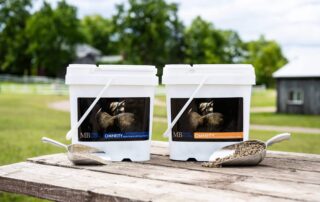
Omneity® is Mad Barn's all-in-one vitamin and mineral supplement designed to balance forage-based diets and provide a complete daily nutritional foundation for horses. Many horses receive enough forage, calories, and protein to maintain body condition, but their diet may still fall short in key vitamins, minerals, amino acids, antioxidants, and other nutrients that support normal physiological function. These nutritional gaps are common in forage-based feeding programs because hay and pasture vary in nutrient content depending on soil conditions, plant maturity, harvest practices, storage, and region. Even when a horse appears to be maintaining weight well, their diet may still need targeted nutritional support to meet daily requirements and promote overall wellness.

Omneity® Review for Horses: Supplement Ingredients, Benefits & Results2026-09-08T15:36:35-04:00

Carbon Dioxide Therapy for Horses: Benefits, Uses & Evidence

Carbon dioxide therapy for horses, also known as transcutaneous carbon dioxide (CO₂) therapy, is an emerging, non-invasive treatment currently under study as an adjunct therapy to veterinary wound care. The therapy exposes affected tissues to medical-grade carbon dioxide gas to encourage local blood flow and oxygen delivery, potentially creating a more favorable environment for repair. This approach may be particularly relevant for wounds on the lower limbs, where limited circulation, repeated movement, and proud flesh can interfere with healing. However, carbon dioxide therapy does not replace wound cleaning, bandaging, infection control, or other treatments recommended by a veterinarian. Early equine research has reported promising findings, including reduced wound expansion during the initial stages of healing. Evidence remains limited, and larger clinical studies are needed to clarify which horses and wound types are most likely to benefit. Keep reading to learn how carbon dioxide therapy is performed, what current research suggests, and what owners should know about its potential benefits, limitations, and role in equine wound management.

Carbon Dioxide Therapy for Horses: Benefits, Uses & Evidence2026-09-04T10:31:49-04:00

Muscle Soreness in Horses: Causes, Recovery & Prevention

Muscle soreness in horses commonly develops after strenuous or unfamiliar exercise. Affected horses may feel stiff, take shorter strides, or seem less willing to perform as their muscles recover from the increased workload. Mild exercise-related soreness is usually temporary and improves with appropriate rest and recovery. A muscle strain is a more significant injury involving overstretched or damaged muscle fibers. Strains often occur during sudden movements, slips, falls, or exercise that places excessive force on a muscle. They may cause localized pain, swelling, or lameness. Signs of muscle discomfort can also stem from problems elsewhere in the body. Hoof pain, joint disease, soft-tissue injuries, and back pain may alter a horse's movement and contribute to secondary muscle soreness. Recognizing changes in your horse's usual movement, comfort, and performance can help identify concerns early. Keep reading to learn how to distinguish routine soreness from a possible strain, support recovery, and recognize when veterinary evaluation is needed.

Muscle Soreness in Horses: Causes, Recovery & Prevention2026-09-04T12:32:42-04:00

Clostridial Myositis in Horses: Signs, Causes & Treatment

Clostridial myositis is a rare but life-threatening bacterial infection that causes rapid damage to a horse's muscle tissue. Also known as clostridial myonecrosis, the condition is sometimes called gas gangrene because some infections produce gas within the affected tissues. The infection can develop after an intramuscular injection, wound, or other muscle injury. However, in some cases, there is no obvious wound or identifiable point of entry. Early signs may resemble a routine injection-site reaction, with localized swelling, heat, and discomfort. However, clostridial myositis can progress rapidly, and affected horses may become severely ill within hours. Clostridial myositis is a veterinary emergency. Contact your veterinarian immediately if your horse develops rapidly increasing, painful swelling, particularly near a recent injection or wound. Do not wait to see whether the swelling improves on its own.

Clostridial Myositis in Horses: Signs, Causes & Treatment2026-09-04T12:25:27-04:00

How to Pull a Horse’s Mane for Braiding: Techniques, Safety & Alternatives

Mane pulling is a grooming technique for horses that shortens and thins a horse's mane by removing small sections of hair at the root. It creates the neat, tapered finish traditionally expected in many English show disciplines, helping the mane lie flat and braid evenly without the blunt edge produced by scissors or clippers. Although mane pulling remains a routine part of grooming for many riders, research suggests it can cause discomfort and stress. Paying attention to each horse's response is essential when deciding whether to pull the mane, modify the process, or choose a gentler alternative. Keep reading to learn how to pull a horse's mane correctly, minimize discomfort, avoid common mistakes, and achieve a tidy result with or without traditional pulling.

How to Pull a Horse’s Mane for Braiding: Techniques, Safety & Alternatives2026-09-01T16:51:47-04:00

Clipping Patterns for Horses: Types, Uses & How to Choose

Horse clipping patterns determine which areas of a horse's winter coat are removed and which are left intact to balance cooling needs with natural protection. Many patterns target areas where horses sweat most during exercise while retaining hair where warmth or protection may still be beneficial. More extensive clips may suit horses in demanding work but require careful blanketing and management in cold weather. Choosing the right pattern depends on the horse's workload, living environment, coat type, and access to shelter. Matching the clip to these factors can help a horse cool and dry more efficiently without removing more hair than necessary. [1][3] Keep reading to learn how to choose the best clipping pattern for your horse and what research shows about the effects of clipping on thermoregulation.

Clipping Patterns for Horses: Types, Uses & How to Choose2026-09-01T15:19:20-04:00

Can Horses Swim? Benefits, Risks & Safety Tips

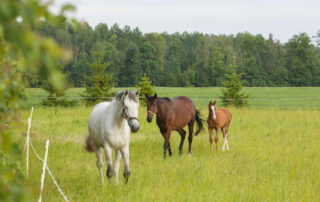
Most healthy horses can swim instinctively, using coordinated limb movements to stay afloat and move through deep water. However, a horse's confidence, fitness, and previous experience can affect how safely and comfortably it responds. Swimming may be used for conditioning, recreation, or selected rehabilitation programs because water reduces weight-bearing forces on the limbs. Despite this reduced impact, swimming is strenuous exercise that places significant demands on a horse's heart, lungs, and muscles. Not every horse is a suitable candidate for swimming, and careful introduction, close supervision, and appropriate facilities are essential. Veterinary guidance is especially important when swimming is considered for a horse with an injury or underlying health condition. Keep reading to learn how horses swim, the potential benefits and risks, and how to introduce them to the water safely.
Can Horses Swim? Benefits, Risks & Safety Tips2026-08-29T12:59:33-04:00

Signs of Neurological Abnormalities in Horses: Symptoms & Associated Conditions

Neurological signs in horses are observable changes that suggest the brain, spinal cord, or nerves are no longer coordinating normal movement, sensation, behavior, or awareness. These signs can range from subtle changes in performance to a sudden loss of strength or balance, potentially creating a serious safety risk for the horse and nearby handlers. Stumbling, weakness, unusual behavior, and difficulty controlling movement may indicate nervous system dysfunction, but these signs are not specific to a single condition. They can also resemble lameness, pain, or muscle disorders, making prompt veterinary evaluation essential. A veterinarian can assess the pattern and progression of abnormalities to help determine where the problem is occurring and which diagnostic tests are appropriate. The underlying cause, severity, and response to treatment ultimately shape management and prognosis. Keep reading to learn how to recognize neurological concerns in horses, what to expect from veterinary evaluation, and how affected horses can be managed safely.

Signs of Neurological Abnormalities in Horses: Symptoms & Associated Conditions2026-08-28T17:36:46-04:00

Pony Breeds Guide: Characteristics, Health & Nutrition

Pony breeds are not simply small horses, and they do not belong to a single breed group. True ponies have distinct conformation, temperament traits, and health considerations that set them apart from other equines. These compact equines belong to a broad category defined partly by size and shaped by centuries of adaptation. From the Shetland Isles to the Welsh mountains, many pony breeds developed in harsh environments where hardiness and efficient use of sparse forage were essential for survival.

Pony Breeds Guide: Characteristics, Health & Nutrition2026-08-28T13:51:51-04:00

Systemic Inflammatory Response Syndrome (SIRS) in Horses: Signs, Causes & Treatment

Systemic inflammatory response syndrome (SIRS) is a life-threatening complication of many serious illnesses and injuries in horses. It most commonly develops in horses with severe colic, colitis, infection, or major trauma, as well as after surgery. However, any condition that triggers a severe inflammatory response can lead to SIRS. Inflammation is an essential part of the body's normal defense system, helping to fight infection and repair damaged tissues. However, when this response becomes widespread and uncontrolled, it can damage healthy tissues instead of protecting them. As SIRS progresses, blood flow to vital organs may be impaired, increasing the risk of laminitis, shock, and multiple organ dysfunction. Prompt veterinary treatment is critical for horses with SIRS. Keep reading to learn how SIRS develops, what signs to watch for, and how veterinarians diagnose and treat this medical emergency.

Systemic Inflammatory Response Syndrome (SIRS) in Horses: Signs, Causes & Treatment2026-08-28T10:38:02-04:00

Hoof Wall Separation Disease (HWSD) in Horses: Causes, Signs & Management

Hoof Wall Separation Disease (HWSD) is an inherited hoof disorder in horses that primarily affects Connemara Ponies and horses with Connemara ancestry. The condition weakens the hoof wall, causing it to crack, separate, and break away as the hoof grows and bears weight. Some affected ponies develop relatively mild hoof changes, while others experience significant hoof damage that can lead to pain, lameness, and long-term management challenges. Unlike many hoof disorders that develop because of injury, infection, or environmental conditions, HWSD is caused by a genetic mutation that affects normal hoof wall formation. Affected horses are born with the condition, although clinical signs often become more apparent as the growing foal begins placing mechanical stress on the hooves through normal movement. There is no cure for Hoof Wall Separation Disease, but early diagnosis and appropriate veterinary and farrier care can help preserve hoof function, improve comfort, and reduce the risk of secondary complications. Genetic testing also allows breeders to identify carriers and make informed breeding decisions to reduce the occurrence of the disease in future generations. Keep reading to learn more about the signs, causes, diagnosis, management, prognosis, and nutritional considerations for horses with HWSD.

Hoof Wall Separation Disease (HWSD) in Horses: Causes, Signs & Management2026-08-27T18:55:38-04:00

Sago Palm (Cycad) Poisoning in Horses: Symptoms, Treatment & Prevention

Cycad toxicosis in horses is a potentially fatal poisoning caused by ingesting cycads, a group of palm-like ornamental plants that includes the sago palm. Although exposure is uncommon, these plants may be found near paddocks, barns, gardens, and landscaped properties, particularly in warm climates. All parts of the cycad are toxic, but the seeds contain the highest concentrations of harmful compounds. Ingestion can damage the gastrointestinal tract, liver, and central nervous system, causing signs such as colic, diarrhea, lethargy, jaundice, incoordination, seizures, and liver failure. There is no specific antidote for cycad poisoning, so any suspected exposure requires immediate veterinary attention. Early supportive care may improve the outcome before severe liver damage develops. Keep reading to learn how to identify cycads, recognize signs of poisoning, understand diagnosis and treatment, and prevent horses from accessing these toxic plants.

Sago Palm (Cycad) Poisoning in Horses: Symptoms, Treatment & Prevention2026-08-27T18:52:16-04:00

Fetterbush (Doghobble) Poisoning in Horses: Signs, Treatment & Prevention

Fetterbush toxicosis in horses is an uncommon but potentially serious form of plant poisoning caused by ingesting shrubs from the Leucothoe genus and related species. These plants may be found in wooded environments or used in landscaping around farms and residential properties. Although horses do not typically seek out fetterbush, exposure can occur when other forage is limited or toxic plant material is placed within reach. Because poisoning can affect several body systems, suspected ingestion warrants prompt veterinary attention. Awareness of fetterbush and its potential hazards can help owners make informed decisions about pasture access, property maintenance, and emergency care. Early recognition and appropriate supportive treatment can improve the outlook for affected horses. Keep reading to learn how to identify fetterbush, assess exposure risks, recognize possible poisoning, and understand the approaches to diagnosis, treatment, and prevention.

Fetterbush (Doghobble) Poisoning in Horses: Signs, Treatment & Prevention2026-08-27T18:48:05-04:00

Equestrian Riding Helmets: Safety, Fit & Maintenance

Riding helmets are an essential part of equestrian safety. Head injuries are among the most serious consequences of horse-related accidents and a leading cause of hospitalization and death among equestrians. Although falls from horseback account for many severe head injuries, riders and handlers can also sustain head trauma from kicks, collisions, or crushing incidents. Even experienced riders on well-trained horses can be involved in unexpected accidents

Equestrian Riding Helmets: Safety, Fit & Maintenance2026-08-27T14:45:53-04:00

English Ivy Poisoning in Horses: Symptoms, Treatment & Prevention

English ivy toxicosis in horses occurs when horses consume the leaves, vines, or berries of this common ornamental plant. Although its bitter taste typically discourages horses from eating large amounts, exposure can occur along overgrown fence lines, in wooded paddocks and landscaped areas, or where garden waste has been discarded. All parts of English ivy contain irritating compounds that can damage tissues in the mouth and digestive tract. Affected horses may develop excessive salivation, reduced appetite, colic, or diarrhea, while weakness and incoordination are less common.

English Ivy Poisoning in Horses: Symptoms, Treatment & Prevention2026-08-27T10:11:30-04:00

Chronic Inflammation in Horses: Signs, Causes & Treatment

Chronic inflammation in horses is a prolonged immune response that can accompany disorders affecting the joints, airways, digestive tract, metabolism, and other body systems. When inflammatory activity continues beyond its useful role in healing, it may contribute to tissue damage and reduced function over time. Because chronic inflammation is a process rather than a specific disease, effective management depends on identifying what is sustaining the response. Changes in comfort, body condition, exercise tolerance, or performance may warrant veterinary investigation, but these signs can have many possible causes. Keep reading to learn about the signs and conditions associated with chronic inflammation, how veterinarians identify underlying causes, and how nutrition, exercise, environmental changes, and medical care may support affected horses.

Chronic Inflammation in Horses: Signs, Causes & Treatment2026-08-27T10:07:05-04:00

Rifadin® (Rifampicin) for Horses: Uses, Side Effects & Status in Competition

Rifampin for horses is a prescription antibiotic used primarily in the treatment of *Rhodococcus equi* pneumonia in foals. Because no rifampin product is labeled specifically for horses, it is prescribed extra-label under veterinary supervision and is commonly paired with a macrolide antibiotic. Rifampin reaches tissues and cells where *R. equi* bacteria can persist. However, it can interact with other medications, and bacterial resistance may develop quickly when the drug is used inappropriately.

Rifadin® (Rifampicin) for Horses: Uses, Side Effects & Status in Competition2026-08-27T09:57:14-04:00

Guaifenesin for Horses: Uses, Side Effects & Status in Competition

Guaifenesin for horses is used primarily as an intravenous muscle relaxant during anesthesia, although it is also included as an expectorant in some products used to manage respiratory symptoms. These distinct applications involve different formulations, doses, and levels of veterinary oversight. During anesthesia, guaifenesin helps relax skeletal muscles and may support smoother induction, intubation, and recovery when combined with other anesthetic drugs. Oral products containing guaifenesin are intended to help loosen airway mucus.

Guaifenesin for Horses: Uses, Side Effects & Status in Competition2026-08-27T09:52:37-04:00

Equine Coital Exanthema (ECE): Symptoms, Treatment & Prevention

Equine coital exanthema in horses is an EHV-3 infection with an important practical consequence: a mare or stallion may appear healthy yet still need to be withdrawn from breeding. Even a mild case can cause significant discomfort and disrupt breeding plans. Any unexplained change around the genital area warrants prompt veterinary attention, particularly during breeding season. Early recognition helps protect breeding partners, limit farm-wide exposure, and rule out other causes of genital lesions. Because the virus may persist after the skin has healed, managing ECE extends beyond the immediate episode. Keep reading to learn how owners and breeding managers can recognize the disease, respond to an outbreak, and make informed decisions about returning affected horses to breeding.

Equine Coital Exanthema (ECE): Symptoms, Treatment & Prevention2026-08-27T09:50:20-04:00