Analyze Diet

Equestrian Safety Vests: Standards, Fit, Care & Protection

Safety vests for horseback riding are designed to help reduce the severity of certain injuries during falls, collisions, and crushing accidents. Even experienced riders on well-trained horses can encounter unpredictable situations that place considerable force on the body. While helmets protect the head, body protectors and inflatable air vests provide added protection for vulnerable areas of the torso, including the chest, abdomen, ribs, and back.
Equestrian Safety Vests: Standards, Fit, Care & Protection2026-08-27T09:46:16-04:00

Equine Health Certificates: Requirements for Horse Travel

Equine health certificates are often required when horses travel for competition, sale, breeding, relocation, or international export. Issued after a veterinary examination, these official documents confirm that a horse met applicable movement requirements and showed no clinical signs of contagious disease at the time of inspection. Health certificates are an important part of equine biosecurity. Because horses can carry infectious diseases before showing obvious signs, pre-travel examinations help reduce the risk of illness spreading between farms, events, regions, and countries.

Equine Health Certificates: Requirements for Horse Travel2026-08-27T09:42:09-04:00

Horse Bill of Sale & Purchase Agreements: What to Include in a Buyer Agreement

A horse bill of sale documents the transfer of ownership from a seller to a buyer, whether the horse is sold or transferred at no cost. Horse sales involve numerous questions, procedures and conditions to ensure there are no disputes between the involved parties. A written bill of sale creates a basic record of the transaction, while a more detailed purchase agreement can clarify the terms before ownership changes hands.

Horse Bill of Sale & Purchase Agreements: What to Include in a Buyer Agreement2026-08-27T09:37:01-04:00

Choosing a Sitter for Your Horse Farm: Questions, Planning & Safety

Choosing a reliable horse and farm sitter can feel daunting, even when you are leaving for only a short trip. With careful planning, the right person can maintain your horses' normal routines and monitor your property while you are away. A sitter should have practical experience that matches your horses, farm setup, and daily care requirements. Start your search early so you have time to check references, discuss expectations, complete a farm walk-through, and confirm that both you and the sitter are comfortable with the arrangement.

Choosing a Sitter for Your Horse Farm: Questions, Planning & Safety2026-08-26T15:49:47-04:00

How Far Can a Horse Travel in a Day? Riding, Endurance & Transport

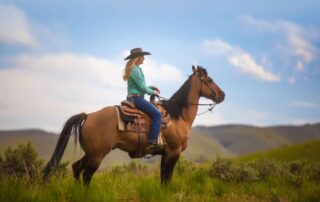
How far a horse can travel in a day depends on far more than speed. Fitness, riding conditions, and careful management all help determine a safe and comfortable distance. Many pleasure horses can comfortably travel 10 to 20 miles (16 to 32 km) in a day, while well-conditioned endurance horses may complete 100 miles (160 km) or more under carefully managed competitive conditions. A horse's individual range depends on fitness, pace, terrain, weather, hoof health, nutrition, hydration, and opportunities to rest. [1][2] Horses evolved as grazing animals that regularly traveled long distances in search of food and water. They retain anatomical and physiological adaptations that support prolonged exercise, including a large aerobic capacity, efficient movement, and effective thermoregulation. However, realizing this natural capacity for endurance requires appropriate conditioning and careful management. Understanding how far a horse can travel is not simply about determining a maximum distance. Keep reading to learn how far horses typically travel in a day, what affects their endurance, when fatigue signals a need to stop, and how riding distances compare with transportation and the daily movements of wild horses.

How Far Can a Horse Travel in a Day? Riding, Endurance & Transport2026-08-26T15:48:43-04:00

Insulin & Glucose Testing in Horses: Blood Sugar Levels & Diagnosing EMS

Blood glucose and insulin testing for horses helps veterinarians identify insulin dysregulation and assess a horse's risk of endocrinopathic laminitis. Because affected horses may have few outward signs and normal blood glucose, test results require careful interpretation. For horse owners, the testing process can be confusing because preparation, sampling conditions, laboratory methods, and diagnostic cutoffs may influence the findings. Choosing an appropriate test is also important when screening an at-risk horse or monitoring the response to management.

Insulin & Glucose Testing in Horses: Blood Sugar Levels & Diagnosing EMS2026-08-26T15:46:52-04:00

Day Blooming Jasmine Poisoning in Horses: Symptoms & Treatment

Day blooming jasmine toxicosis in horses is a progressive form of poisoning caused by repeated ingestion of the ornamental shrub Cestrum diurnum. The plant grows in tropical and subtropical regions and may be found in landscaped areas, along fence lines, or in neglected pastures. Day blooming jasmine contains a vitamin D-like compound that disrupts calcium and phosphorus regulation. Over weeks or months, excess minerals can accumulate in tendons, ligaments, blood vessels, and internal organs, causing irreversible tissue damage. Affected horses may develop gradual weight loss, stiffness, and lameness, as well as reluctance to move despite maintaining a normal appetite. Because early signs can resemble chronic orthopedic disease or age-related decline, prompt veterinary evaluation and careful investigation of possible plant exposure are important. Keep reading to learn how to identify day blooming jasmine, recognize signs of toxicosis, and reduce exposure risks for horses.

Day Blooming Jasmine Poisoning in Horses: Symptoms & Treatment2026-08-26T15:46:22-04:00

Death Camas Poisoning in Horses: Identification, Risks & Prevention

Death camas toxicosis in horses is an uncommon but potentially life-threatening form of plant poisoning caused by ingesting death camas. These highly toxic plants grow across much of North America and may be consumed when pasture forage is sparse or dried plant material contaminates hay. All parts of death camas contain steroidal alkaloids that disrupt nerve and muscle signaling. Affected horses may develop profuse salivation, colic, lethargy, trembling, weakness, incoordination, a slow heart rate, and difficulty breathing within hours of exposure. Suspected poisoning requires immediate veterinary attention. Although many horses recover with prompt supportive care, severe cases can progress to collapse, respiratory failure, and death. Read on to learn how to identify death camas, recognize signs of toxicosis, and understand the diagnosis, treatment, prognosis, and prevention of poisoning in horses.

Death Camas Poisoning in Horses: Identification, Risks & Prevention2026-08-26T15:45:01-04:00

Types of Horses: Guide to Breeds, Classifications & Sizes

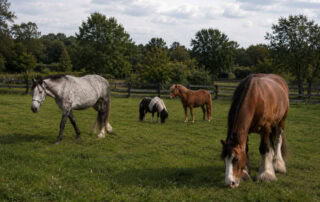
Types of horses can be classified according to ancestry, size, physical build, movement, and intended use. Each framework describes a different aspect of the animal, so an individual horse can belong to several categories at once. A horse may be classified as a warmblood by ancestry, a light horse by build, and a sport horse by use. Horse type is broader than horse breed. A breed is a defined population with documented ancestry and a recognized studbook, while a type groups horses that share certain characteristics regardless of their registry or pedigree. Common classifications include hot-blooded, warmblood, and cold-blooded horses, as well as horses, ponies, and Miniature Horses. Other categories reflect conformation, natural gaits, and working roles.

Types of Horses: Guide to Breeds, Classifications & Sizes2026-08-26T15:44:03-04:00

Protective Gear for Horse Riders: Helmets, Vests & Boots

Protective equipment for horse riders can help reduce the severity of injuries when accidents occur, but horseback riding and horse handling always carry some risk. Even experienced riders working with well-trained horses can encounter falls, kicks, collisions, or crushing injuries. Protective gear should complement, not replace, good horsemanship. Different types of protective equipment address different risks, from head and torso injuries to foot entrapment, hand injuries, and reduced visibility. No single item protects against every hazard, so riders should choose gear based on the activity, environment, horse, and level of risk involved.

Protective Gear for Horse Riders: Helmets, Vests & Boots2026-08-26T15:39:47-04:00

Basic Horse Handling & Ground Manners: Best Training Practices

Best practices for basic horse handling help owners build safer, clearer interactions with their horses. Skills such as approaching, haltering, leading, tying, and handling the feet form the foundation for routine care, training, and veterinary or farrier procedures. Because horses are prey animals, their responses are shaped by instinct, previous experiences, and learned associations. Reading body language and recognizing early signs of tension allow handlers to adjust before a horse becomes fearful or reactive. Effective handling relies on consistent cues, appropriate positioning, and well-timed reinforcement. It also requires owners to consider pain or discomfort when a horse suddenly resists a familiar task. Keep reading to learn how equine behavior and learning principles can guide safer approaches to haltering, leading, restraint, grooming, desensitization, and handling young horses.

Basic Horse Handling & Ground Manners: Best Training Practices2026-08-23T15:52:21-04:00

What Is a Bronco Horse and Why Do They Buck?

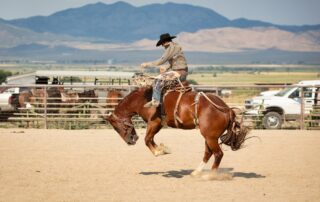
A bronco horse is an unbroken, hard-to-ride, or purpose-bred rodeo horse known for its strong tendency to buck. Although the term is closely associated with Western culture, it describes a horse's behavior and temperament rather than a specific breed. Bucking is a natural equine response that may be linked to fear, discomfort, excitement, or an attempt to dislodge weight from the back. In modern rodeo, breeders selectively produce horses with the athleticism and consistent bucking ability needed for bronc riding events.

What Is a Bronco Horse and Why Do They Buck?2026-08-23T15:50:34-04:00

Equine Complex Vertebral Malformation (ECVM): Symptoms, Diagnosis & Management

Equine complex vertebral malformation (ECVM) is a congenital abnormality of the lower cervical spine in horses that affects the shape of the sixth and sometimes seventh cervical vertebrae. Interest in ECVM has grown in equine veterinary medicine as researchers investigate whether these anatomical changes may contribute to neck pain, poor performance, or neurological abnormalities in some horses. Not every horse with ECVM develops symptoms, and the presence of vertebral changes on imaging does not always explain a horse's clinical signs. Similar problems can occur with other cervical disorders, making diagnosis complex and dependent on the horse's history, symptoms, neurological findings, and diagnostic imaging. Current research has improved understanding of the anatomy associated with ECVM, but questions remain about its clinical significance and long-term impact. Keep reading to learn how ECVM affects the lower cervical spine, what signs may be seen in affected horses, and how veterinarians approach diagnosis and management.

Equine Complex Vertebral Malformation (ECVM): Symptoms, Diagnosis & Management2026-08-26T15:38:54-04:00

Reiki for Horses: Benefits, Safety, Evidence & What to Expect

Reiki is a practice some horse owners use to support relaxation and overall well-being in their horses. During a session, a practitioner places their hands lightly on or near the horse while maintaining a calm, quiet presence. Owners may incorporate Reiki into their horse's care during periods of stress, rehabilitation, stall rest, competition, travel, or age-related changes. [1][2] Sessions typically involve little or no physical contact. Horses may lower their head, rest a hind leg, yawn, lick and chew, or stand calmly. Although these behaviors can be associated with relaxation, they are not unique to Reiki and may occur for many reasons. Research on Reiki in horses is limited, and more high-quality studies are needed to determine whether it provides measurable benefits beyond those associated with a calm environment, gentle handling, and human interaction. Keep reading to learn how equine Reiki is practiced, why owners use it, what current research suggests, and how to incorporate it safely alongside veterinary care.

Reiki for Horses: Benefits, Safety, Evidence & What to Expect2026-08-23T15:47:14-04:00

Equestrian Dressage Movements: Complete Guide to Training, Progressions & Tips

Dressage movements are structured exercises that progressively develop a horse's balance, responsiveness, strength, and coordination. From basic arena figures to advanced collected work, each movement builds on skills established earlier in training. For riders, understanding this progression is just as important as learning the aids for individual movements. It helps them recognize their horse's readiness, address gaps in the foundation, and avoid advancing before the horse can perform the work with confidence and correct form.

Equestrian Dressage Movements: Complete Guide to Training, Progressions & Tips2026-08-23T15:46:12-04:00

How to Braid Your Horse’s Mane: Video Tutorial & Tips for Show Braids

Braiding horse manes is a practical grooming skill that creates a neat, polished appearance while supporting discipline-specific turnout and mane management. Whether you are preparing for a hunter round, dressage test, breed show, or simply keeping a long mane tidy, the right braiding method can improve presentation and help protect the hair from tangles, dirt, and breakage. Mane braiding traditions vary across riding disciplines and breed types. Every approach requires appropriate preparation, consistent sectioning, and careful tension to keep the horse comfortable. Understanding how to properly braid horse manes helps owners avoid common problems such as slipping braids, uneven sizing, root tension, and hair damage. With the right tools, preparation, and removal technique, braiding can become a useful part of show preparation and routine grooming. Keep reading to learn why horse manes are braided, which braiding styles are most commonly used, and how to keep braids neat, secure, and comfortable for your horse.

How to Braid Your Horse’s Mane: Video Tutorial & Tips for Show Braids2026-08-23T15:44:34-04:00

Guide to Equestrian Dressage Levels: Understanding Competitive Progression

Dressage levels are a graduated system of tests that measure how far a horse and rider have progressed in their training. Every dressage test ridden in competition, from a small schooling show to the Olympic Games, belongs to a defined level. Each level matches test difficulty to the horse's stage of training. Horses and riders perform movements appropriate for that stage and compete against combinations with similar experience. This system keeps competition fair and, just as importantly, encourages progressive training.

Guide to Equestrian Dressage Levels: Understanding Competitive Progression2026-08-23T15:43:02-04:00

Harness Racing: History, Competition & Training

Harness racing is an equine sport that tests the speed of Standardbred horses as they pull drivers in lightweight, two-wheeled carts called sulkies around an oval track. Unlike mounted horse racing, the driver sits behind the horse and guides it from the sulky. The sport has two gait-based divisions: trotting and pacing. Trotters move their legs in diagonal pairs, while pacers move the legs on the same side of the body together. This distinction influences nearly every aspect of the sport, from breeding and training to the specialized equipment horses wear on the track. Harness racing has deep roots in North America, evolving from informal road races between neighbors into a structured international sport with breed registries, governing bodies, and prestigious championship races. Keep reading to explore the history and rules of harness racing, along with Standardbred training, equipment, health, and nutrition.

Harness Racing: History, Competition & Training2026-08-23T15:42:21-04:00

Lindsay Kellock: From Pan Am Dressage Gold to Her Next Olympic Hopeful

Lindsay Kellock has represented Canada on some of dressage's biggest stages, from winning a Pan American Games Team Gold medal to competing at the Tokyo Olympics. Her career has been shaped by dedication to the sport and the meaningful partnerships she has built with exceptional horses along the way. Now, Lindsay is developing her next Grand Prix partner with the 2028 Los Angeles Olympics in mind.

Lindsay Kellock: From Pan Am Dressage Gold to Her Next Olympic Hopeful2026-08-26T15:38:19-04:00

Desert Rose Poisoning in Horses: Signs, Diagnosis & Treatment

Desert rose toxicosis in horses is an uncommon but potentially life-threatening poisoning caused by ingesting Adenium obesum, a succulent ornamental plant. Unlike many toxic pasture weeds, desert rose is typically found in landscaped gardens, container plantings, and discarded yard waste. Although horses rarely encounter desert rose under normal grazing conditions, owners should still be aware of this succulent. All parts of the plant contain cardiac glycosides that can disrupt the heart's normal electrical activity. Affected horses may develop reduced appetite, colic, weakness, a slow or irregular heart rate, and cardiovascular collapse in severe cases. Even relatively small amounts of desert rose may cause serious cardiac abnormalities in horses, and owners should treat any suspected ingestion as a veterinary emergency, even if the horse appears normal. Prompt veterinary evaluation offers the best chance of preventing life-threatening complications. Keep reading to learn how to identify desert rose, recognize signs of poisoning, and reduce the risk of exposure.

Desert Rose Poisoning in Horses: Signs, Diagnosis & Treatment2026-08-26T15:35:07-04:00

Comtois Horse Breed Guide: Characteristics, Health & Nutrition

The Comtois Horse is a French draft breed known for its strength, calm temperament, and distinctive appearance. Developed in eastern France, the breed has a long history as a dependable working horse. Today, Comtois horses continue to be valued for their willing nature, versatility, and compact, muscular build. Like many draft breeds, the Comtois has specific health, care, and nutritional considerations related to its size, metabolism, and traditional working background. Appropriate feeding, exercise, hoof care, and routine health monitoring help support long-term soundness and well-being. Keep reading to learn more about the Comtois Horse's history, characteristics, temperament, health, care requirements, and nutritional needs.

Comtois Horse Breed Guide: Characteristics, Health & Nutrition2026-08-23T15:40:13-04:00

Is Ibuprofen (Advil®) Safe for Horses? Safety, Toxicity Risks & Alternatives

Ibuprofen toxicity in horses is a serious risk because this common human pain medication is not approved or recommended for equine use. Although ibuprofen is widely available over the counter and commonly used in people for pain, inflammation, and fever, its accessibility can lead to the dangerous assumption that it is also safe for horses. Unlike veterinary NSAIDs such as phenylbutazone or flunixin meglumine, ibuprofen does not have established equine dosing guidelines, safety margins, or routine use in veterinary practice. Drugs that are safe and effective in one species do not necessarily translate safely to another, especially in horses with sensitive gastrointestinal and renal physiology. Ibuprofen exposure in horses is most likely to occur through accidental ingestion, feed contamination, or intentional administration by well-meaning owners attempting to manage pain without veterinary guidance. These situations are often preventable, but they can mask underlying conditions while increasing the risk of harm. Keep reading to learn how ibuprofen toxicity occurs in horses, what clinical signs to watch for, how veterinarians diagnose and manage exposure, and how safe storage and species-appropriate medication practices can help prevent avoidable toxicity.

Is Ibuprofen (Advil®) Safe for Horses? Safety, Toxicity Risks & Alternatives2026-08-26T15:33:49-04:00

Enrofloxacin for Horses: Uses, Side Effects & Status in Competition

Enrofloxacin is a broad-spectrum antibiotic used off-label to manage selected bacterial infections in horses. In equine medicine, enrofloxacin is generally reserved for infections that are unlikely to respond to more commonly used antibiotics. Bacterial culture and susceptibility testing can help determine whether the drug is appropriate while supporting responsible antibiotic use.

Enrofloxacin for Horses: Uses, Side Effects & Status in Competition2026-08-26T15:32:41-04:00

Doxycycline for Horses: Uses, Side Effects & Status in Competition

Doxycycline for horses is an oral antibiotic that veterinarians may prescribe for certain bacterial infections, including some tick-borne, respiratory, reproductive, and eye infections. Its use is off-label in horses and requires veterinary oversight. Although doxycycline can be useful in selected cases, it carries important risks. Oral treatment may disrupt the hindgut microbiota and contribute to diarrhea or colitis, while injectable administration can cause severe and potentially fatal reactions in horses.

Doxycycline for Horses: Uses, Side Effects & Status in Competition2026-08-24T12:39:16-04:00

Ceftiofur (Excede® & Naxcel®) for Horses: Uses, Side Effects & Status in Competition

Ceftiofur is an antibiotic used to treat certain bacterial infections in horses under veterinary supervision. In the United States, its approved equine use is for lower respiratory infections caused by certain strains of Streptococcus zooepidemicus. Several injectable formulations are available, including the long-acting equine product Excede®, the shorter-acting equine product Naxcel®, and Excenel®, a cattle and swine product that may be considered for off-label use in horses. Although their names are similar, these products differ in formulation, approved uses, and dosing schedules and should not be used interchangeably.

Ceftiofur (Excede® & Naxcel®) for Horses: Uses, Side Effects & Status in Competition2026-08-23T15:33:57-04:00

Equine Osteopathy: Uses, Techniques & Rehabilitation for Horses

Equine osteopathy is a hands-on manual therapy used to support mobility, comfort, and whole-body function in horses. Rooted in anatomy, biomechanics, and the relationship between structure and function, osteopathy focuses on identifying restrictions or imbalances that may affect how a horse moves, performs, and feels. Unlike therapies that focus primarily on one body region, equine osteopathy takes a broader approach. Practitioners assess posture, movement, joints, muscles, fascia, and other connected systems to determine where gentle mobilization, soft tissue work, or other techniques may help restore more normal function. It is commonly used alongside veterinary care, particularly for horses with stiffness, performance concerns, compensatory movement patterns, or age-related changes in comfort and mobility. Continue reading to learn how equine osteopathy works, when it may be useful, what the current evidence suggests, and how to safely include it in a horse's wellness or rehabilitation plan.

Equine Osteopathy: Uses, Techniques & Rehabilitation for Horses2026-08-23T15:27:36-04:00

Starting Horses Under Saddle: Readiness, the First Ride & Training Tips

Starting horses under saddle is a gradual training process that can influence a young horse's confidence, soundness, and future performance throughout their riding career. Once called "breaking" a horse, the language around this stage has shifted to better reflect the needs of young horses during their first rides. Today, starting describes a careful, progressive approach that introduces tack, rider weight, and basic aids in a way that builds trust, clarity, and confidence. Readiness depends on more than age alone. A young horse should have the physical maturity to begin carrying weight, the mental maturity to cope with new experiences, and a solid groundwork foundation before ridden work begins. Moving too quickly can increase stress and may contribute to resistance, fear, or physical discomfort. Although the process often takes longer than many owners expect, working with an experienced professional and giving the horse time to progress at their own pace is well worth the investment. Keep reading to learn more about starting horses under saddle, from assessing physical and mental readiness to managing the first ride and developing early ridden skills in the weeks that follow.

Starting Horses Under Saddle: Readiness, the First Ride & Training Tips2026-08-23T15:25:06-04:00

Phenobarbital for Horses: Uses, Side Effects & Status in Competition

Phenobarbital is a prescription anticonvulsant medication used to help control recurrent or severe seizures in horses. It may be administered intravenously when longer-lasting seizure control is needed or given orally as maintenance therapy to reduce the frequency and severity of future episodes. Seizures can pose serious risks to horses, handlers, and riders. Because phenobarbital does not address the underlying cause, veterinary evaluation is essential to identify and manage any contributing disease or injury.

Phenobarbital for Horses: Uses, Side Effects & Status in Competition2026-08-23T15:14:19-04:00

Flovent® (Fluticasone) for Horses: Uses, Side Effects & Status in Competition

Fluticasone for horses is an inhaled corticosteroid medication used under veterinary guidance to help manage chronic airway inflammation associated with equine asthma. Unlike systemic corticosteroids given by mouth or injection, inhaled fluticasone is designed to act locally in the lower airways while limiting exposure to the rest of the body. Even so, it is not a rescue medication for acute respiratory distress and must be used with proper inhaler technique, an equine-specific delivery device, and veterinary oversight.

Flovent® (Fluticasone) for Horses: Uses, Side Effects & Status in Competition2026-08-23T15:12:42-04:00

Horses in Folklore & Mythology: Legends, History & Cultural Symbols

Horse folklore reflects the deep relationship between horses and human civilization. Long before horses became beloved companions and athletic partners, they carried warriors into battle, pulled plows, transported people and goods, and helped shape agriculture, trade, and exploration. Their speed, strength, intelligence, and close partnership with humans made them seem extraordinary, inspiring myths, legends, and spiritual traditions around the world. [1] Folklore includes the traditional stories, beliefs, and cultural explanations people used to understand the world around them. In many cultures, horses were viewed as more than working animals. They appeared as messengers between worlds, companions of gods, symbols of royalty, guardians of the dead, or creatures with supernatural powers. [1] Although modern science explains horse behavior through anatomy, physiology, and psychology rather than magic, folklore remains an important part of equestrian history. These stories offer insight into how different cultures understood horses, why certain behaviors seemed mysterious, and how equine symbolism continues to influence art, literature, religion, and popular culture today. Keep reading to explore horse myths, legends, symbols, and superstitions from around the world, as well as the real horse behavior that may have inspired some enduring beliefs.

Horses in Folklore & Mythology: Legends, History & Cultural Symbols2026-08-24T12:55:32-04:00