Mane pulling is a grooming technique for horses that shortens and thins a horse's mane by removing small sections of hair at the root. It creates the neat, tapered finish traditionally expected in many English show disciplines, helping the mane...
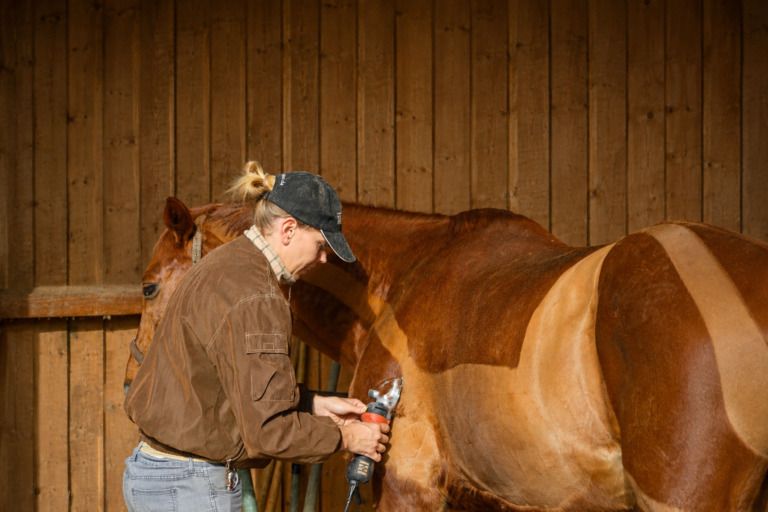
Horse clipping patterns determine which areas of a horse's winter coat are removed and which are left intact to balance cooling needs with natural protection. Many patterns target areas where horses sweat most during exercise while retaining hair where warmth...
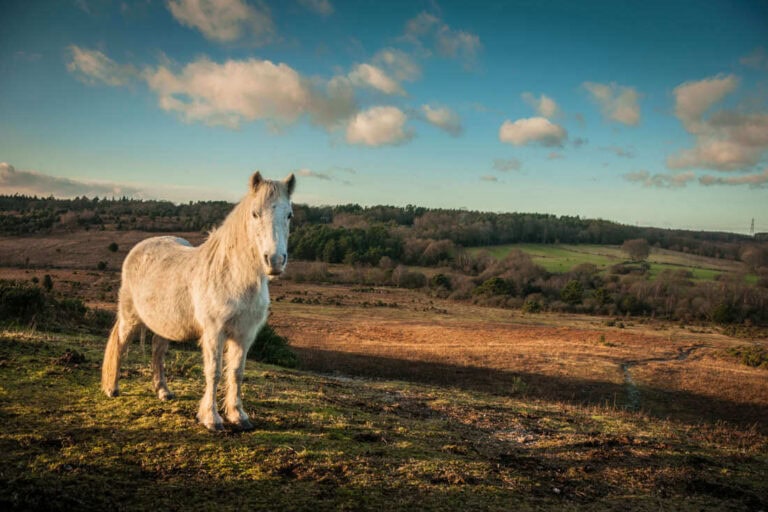
Pony breeds are not simply small horses, and they do not belong to a single breed group. True ponies have distinct conformation, temperament traits, and health considerations that set them apart from other equines. These compact equines belong to a...
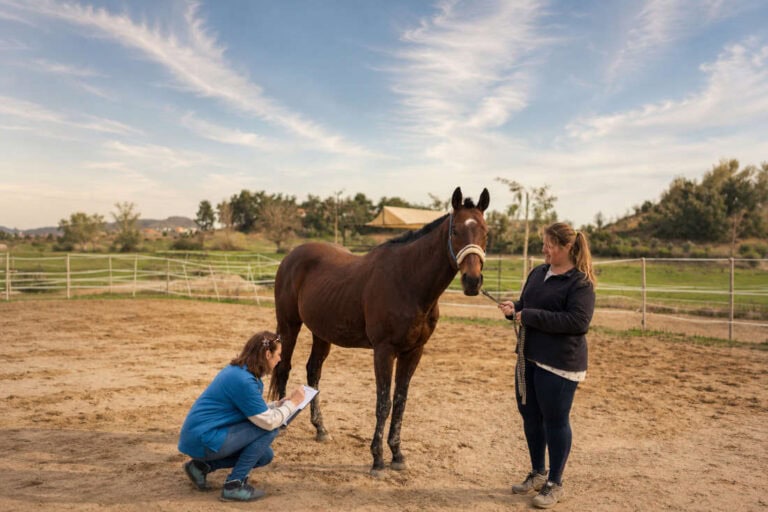
A horse bill of sale documents the transfer of ownership from a seller to a buyer, whether the horse is sold or transferred at no cost. Horse sales involve numerous questions, procedures and conditions to ensure there are no disputes...
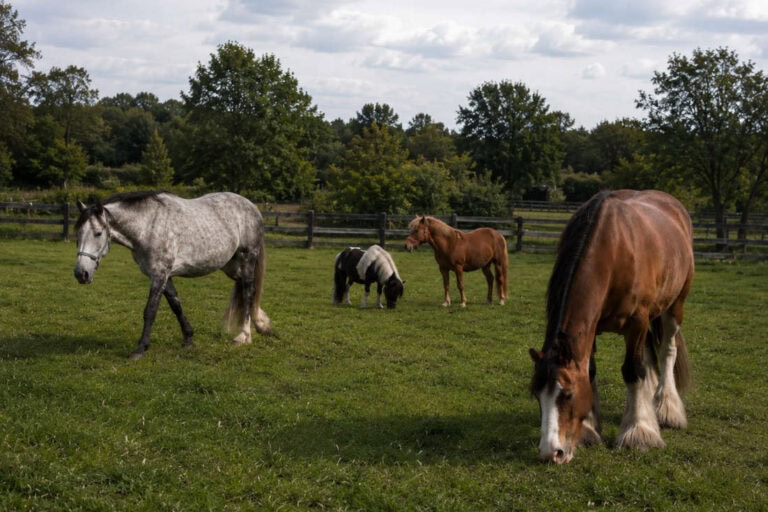
Types of horses can be classified according to ancestry, size, physical build, movement, and intended use. Each framework describes a different aspect of the animal, so an individual horse can belong to several categories at once. A horse may be...
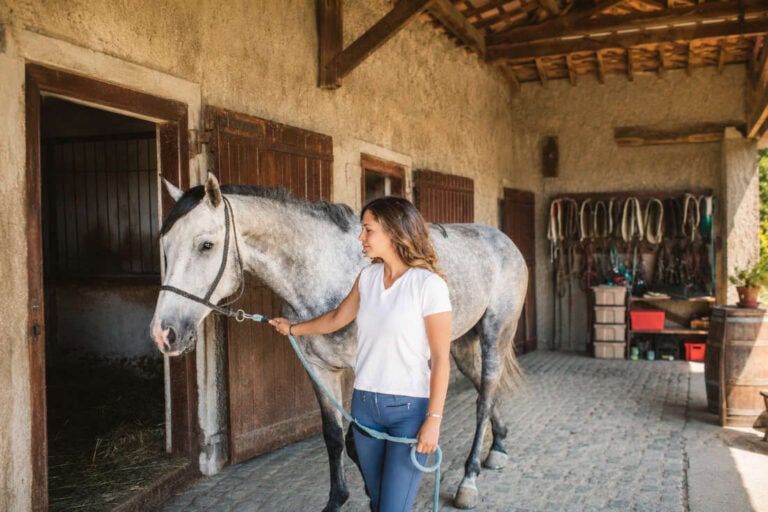
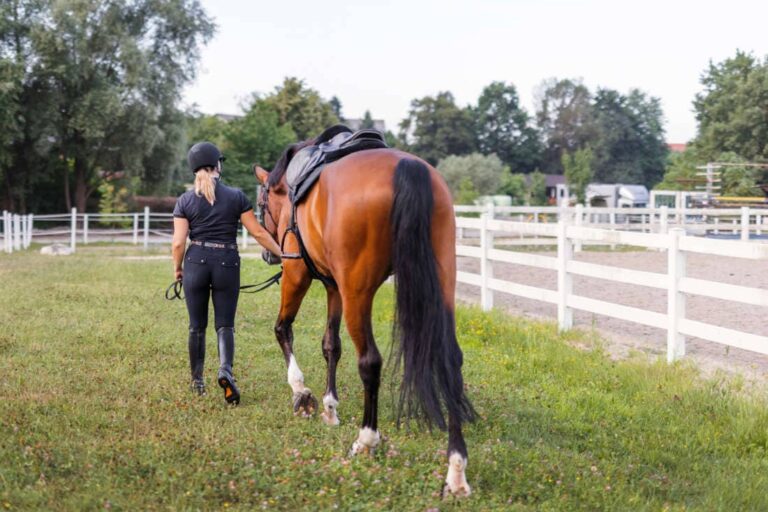
Best practices for basic horse handling help owners build safer, clearer interactions with their horses. Skills such as approaching, haltering, leading, tying, and handling the feet form the foundation for routine care, training, and veterinary or farrier procedures. Because horses...
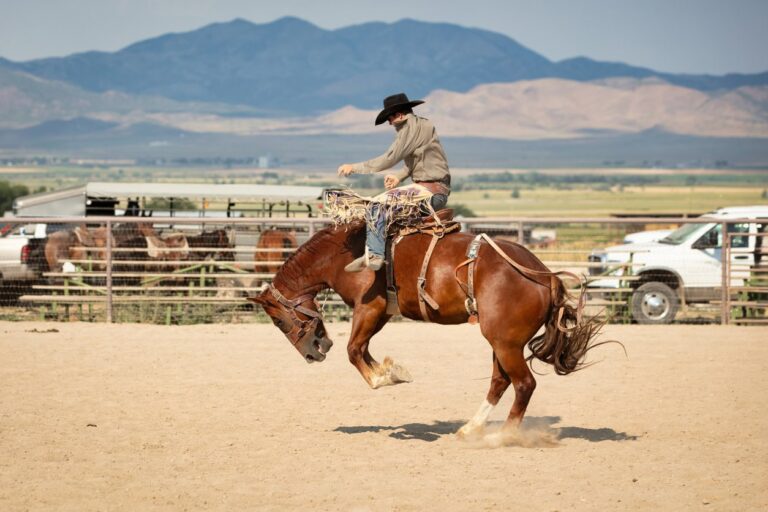
A bronco horse is an unbroken, hard-to-ride, or purpose-bred rodeo horse known for its strong tendency to buck. Although the term is closely associated with Western culture, it describes a horse's behavior and temperament rather than a specific breed. Bucking...
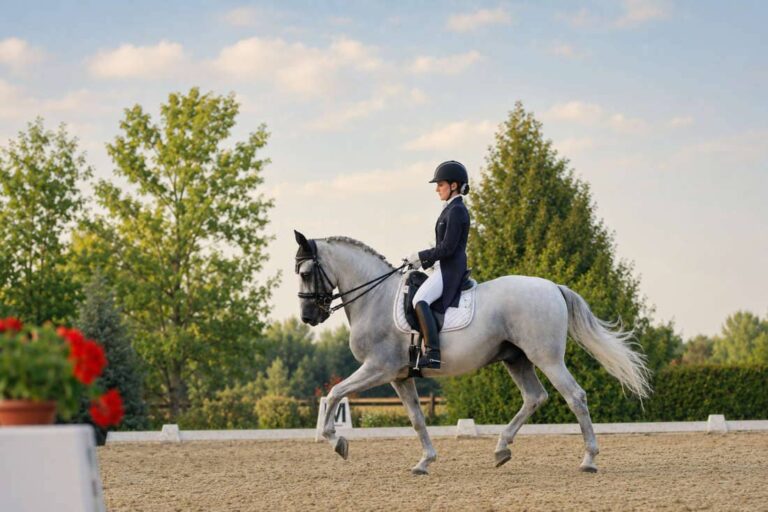
Dressage movements are structured exercises that progressively develop a horse's balance, responsiveness, strength, and coordination. From basic arena figures to advanced collected work, each movement builds on skills established earlier in training. For riders, understanding this progression is just as...
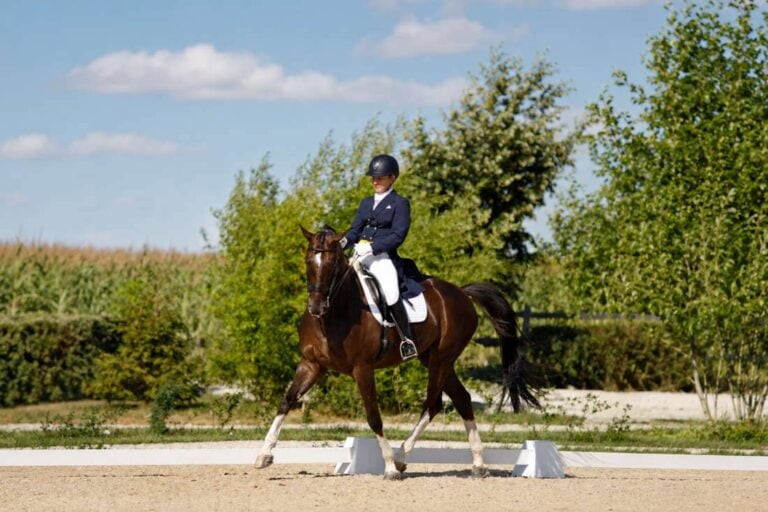
Dressage levels are a graduated system of tests that measure how far a horse and rider have progressed in their training. Every dressage test ridden in competition, from a small schooling show to the Olympic Games, belongs to a defined...
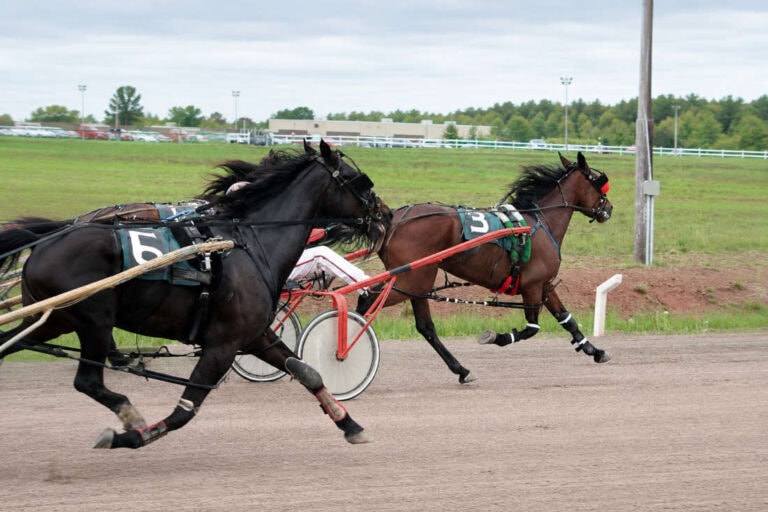
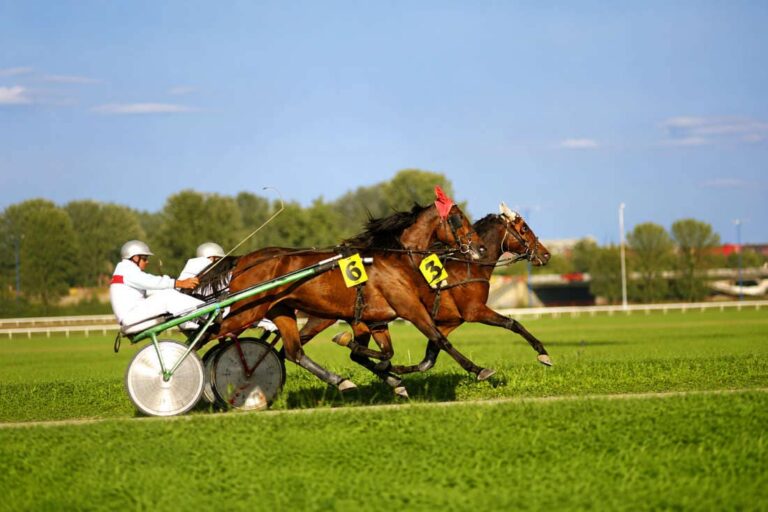
Harness racing is an equine sport that tests the speed of Standardbred horses as they pull drivers in lightweight, two-wheeled carts called sulkies around an oval track. Unlike mounted horse racing, the driver sits behind the horse and guides it...
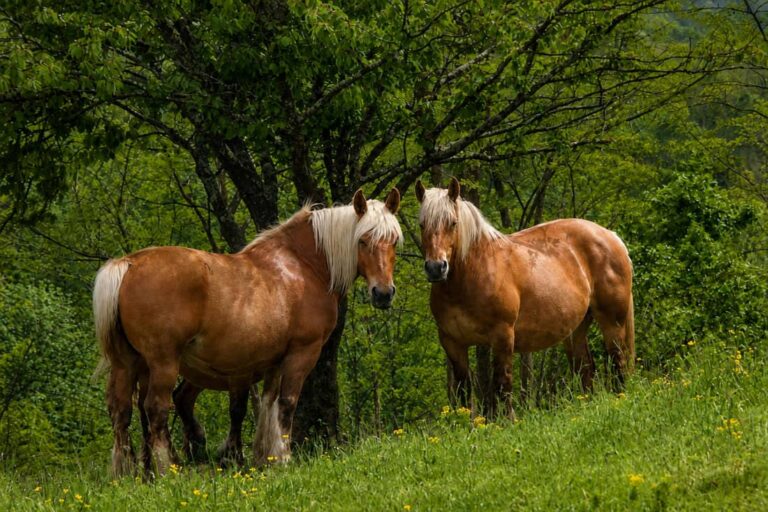
The Comtois Horse is a French draft breed known for its strength, calm temperament, and distinctive appearance. Developed in eastern France, the breed has a long history as a dependable working horse. Today, Comtois horses continue to be valued for...
Starting horses under saddle is a gradual training process that can influence a young horse's confidence, soundness, and future performance throughout their riding career. Once called "breaking" a horse, the language around this stage has shifted to better reflect the...
Horse vocalizations and sounds can offer valuable clues about a horse's emotions, social interactions, and physical well-being. Learning to recognize these sounds can help owners better understand what their horses are communicating. Some sounds, such as whinnies, nickers, and squeals,...
Lead changes occur whenever a horse switches from one canter lead to the other. Horses perform them naturally at liberty when changing direction, adjusting their balance, or responding to the terrain and movement around them. Under saddle, riders use lead...
Standardbred pacers and trotters compete in the same harness racing sport, but their gaits shape how they move, train, race, and transition into careers after the track. Trotters move in diagonal pairs, while pacers move laterally with both legs on...
The Dutch Tuigpaard is a Dutch harness horse breed known for expressive movement, an elevated trot, and proud carriage in the show ring. Descended from versatile Dutch carriage and farm horses, the modern Tuigpaard is purpose-bred to stand out in...
Ground tying for horses is one of the most valuable basic handling skills equestrians can teach their horses. Many owners only realize how useful it is when they need their horse to stand quietly without being held, tied, or cross-tied....
Athletic performance in horses refers to a horse's physical capacity to perform work, whether that means accelerating down the final stretch of a racetrack, clearing a technical jumping combination, or maintaining collection through a dressage test. Performance depends on how...
Learning how to ride flying lead changes is one of the most important milestones in a dressage rider's journey up the levels. Flying lead changes are an advanced dressage movement that is beautiful to watch and exhilarating to ride. In...
Rider confidence after a fall or setback can feel hard to regain, even when the rider is physically ready to get back in the saddle. A stop at a fence, a difficult ride, a painful fall, or a disappointing competition...
The Karabair is a rare horse breed from Central Asia. Developed in Uzbekistan, these horses were shaped by a demanding environment where breeders needed horses that could travel, work, and stay sound across the region's dry mountains and deserts. That...
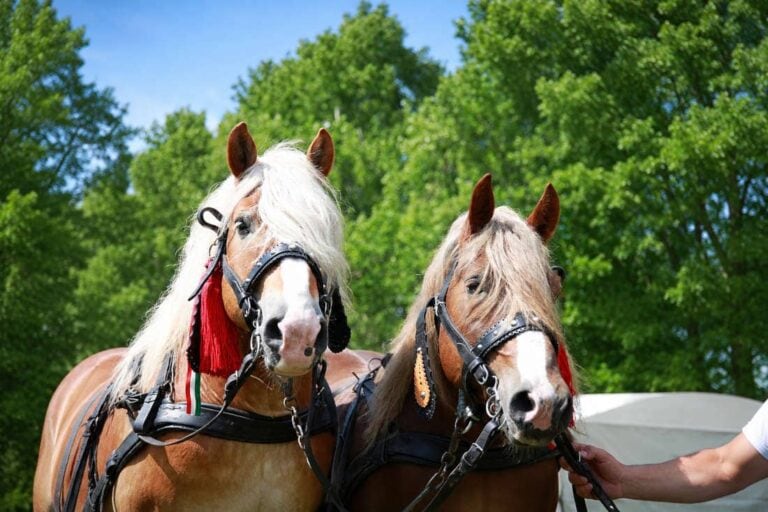
The Hungarian Coldblood is a rare draft horse from western Hungary, developed for agricultural work, hauling, and driving. Built for strength and reliability, this breed reflects the practical qualities long valued in European coldblood horses. Hungarian Coldbloods are generally calm,...
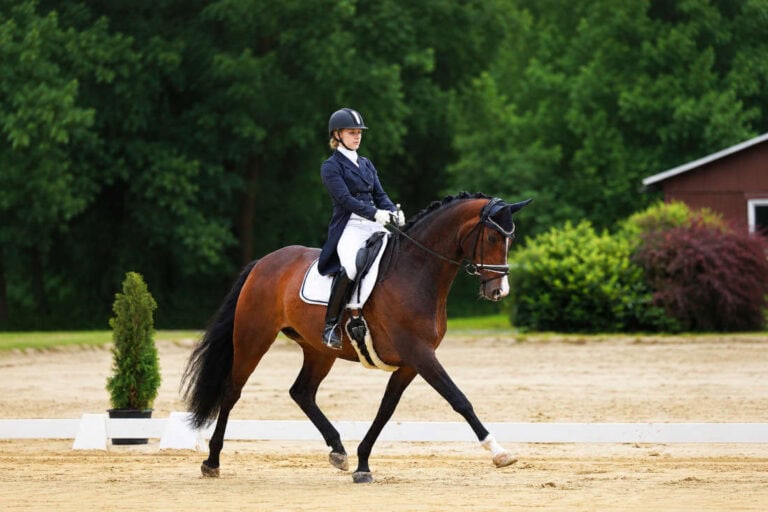
Extended trot is one of the most expressive and demanding movements in dressage, showing the horse's ability to lengthen the stride and frame while staying rhythmic, balanced, and in self-carriage. When ridden well, the horse appears to float forward with...
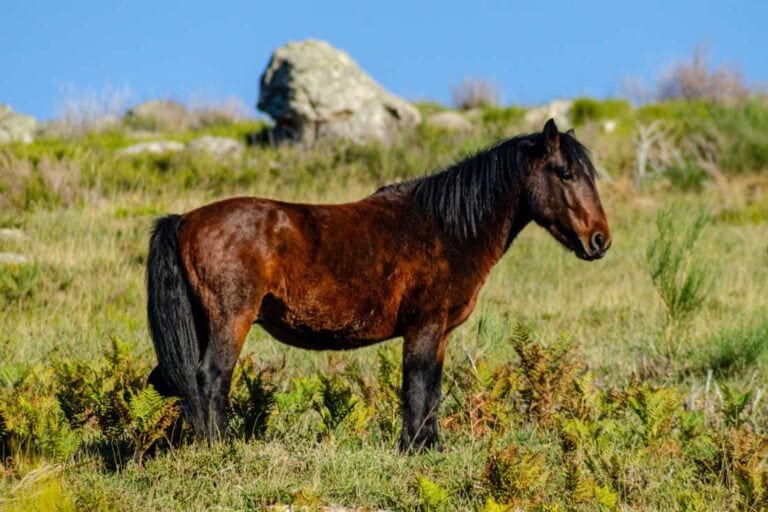
The Garrano horse is a rare native breed from northern Portugal known for its hardiness, sure-footedness, and close connection to the mountain landscapes where it developed. Compact and resilient, the Garrano was shaped by rough terrain, sparse forage, and extensive...
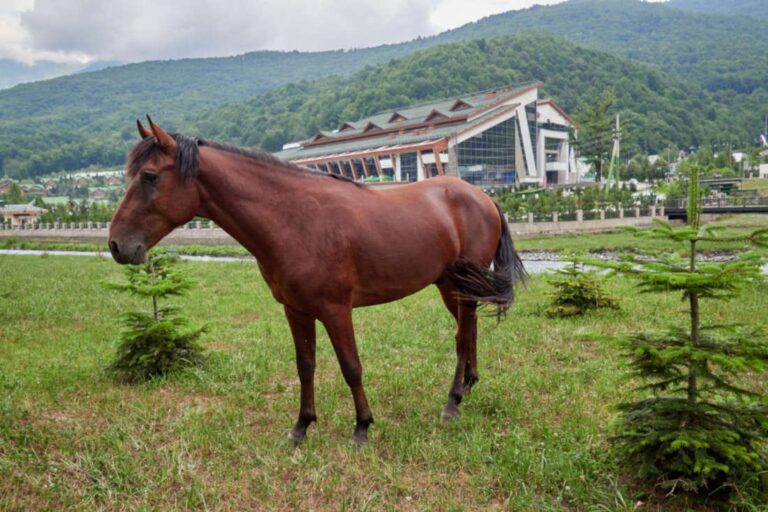
The Adaev horse is a rare native horse from western Kazakhstan. Also called the Adai horse, this breed developed in a dry, demanding landscape where horses had to travel long distances, endure seasonal extremes, and survive on sparse forage. Adaev...
Becoming a horse trainer is a hands-on career path for people who want to develop horses for sport, recreation, sales, or specialized work. Professional trainers help horses build the physical skills, confidence, and behaviors needed for their intended job, while...
The Kustanai horse is a rare light riding breed from Kazakhstan known for its speed, stamina, and hardiness. Developed from native Kazakh steppe horses crossed with imported riding breeds, the Kustanai was bred to travel long distances, perform practical work,...
The half pass is a fundamental dressage movement that clearly reveals the quality of a horse's training. In a half pass, the horse travels forward and sideways on a diagonal line, bent in the direction of travel. The forehand leads...
Travers and renvers are among the most confusing lateral movements in dressage. These two exercises are essentially the same movement viewed from opposite sides of the arena wall. The visual distinction is easy to mix up, and once understood, the aids...
Sitting trot is one of the most difficult skills for riders to master, but it is fundamental for advancing through the levels of dressage. Unlike posting trot, where the rider rises from the saddle on one beat and returns on...